How to Plant Pepper Seeds for Faster Sprouting
Start pepper seeds about 1/4 inch deep in a warm, evenly moist seed mix kept at about 80–85°F. If your room runs cool, use a heat mat, because pepper seeds sprout fastest with steady bottom heat. Cold soil, dry mix, or soggy cells can stall germination for weeks or rot the seed. This guide gives a stage-by-stage protocol for planting, moisture control, temperature, and troubleshooting slow or failed sprouting.
What you’ll need


- Pepper seeds
- Clean seed trays or starter pots
- Seed-starting mix
- Water
- Spray bottle or mister
- Humidity dome
- Heat mat with thermostat
- Thermometer for checking soil temperature
- Plant labels
How do you sprout pepper seeds quickly?
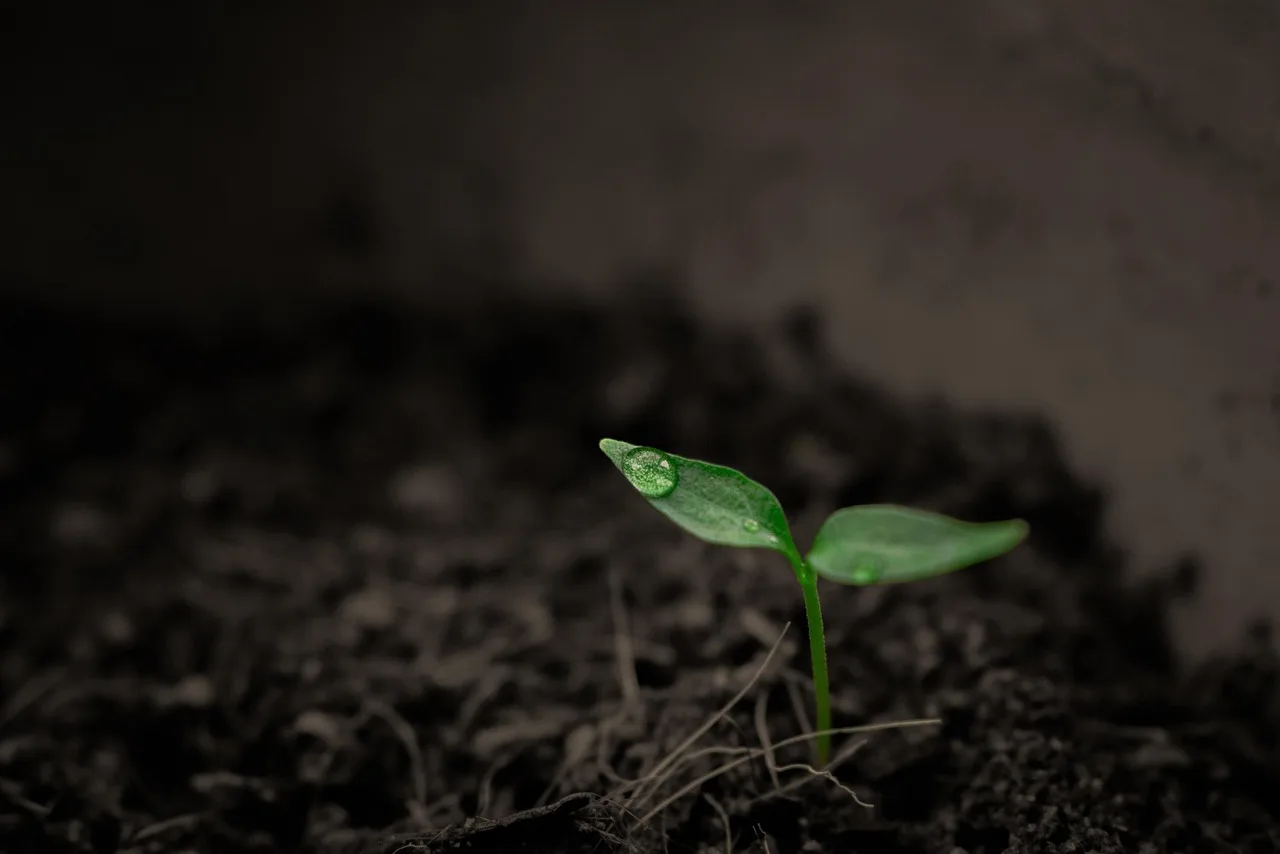
Use a pre-moistened seed-starting mix, plant seeds shallowly, keep the soil at 80–90°F, and hold humidity steady until sprouts appear. In good conditions, pepper seeds usually germinate in about 1 to 2 weeks, though some take 2 to 3 weeks or longer. Older seed stock and hotter varieties often move more slowly.
- Check seed freshness. Use the newest seed stock you have first, because older pepper seeds may take longer to sprout. If a packet is several seasons old, expect slower and less even emergence.
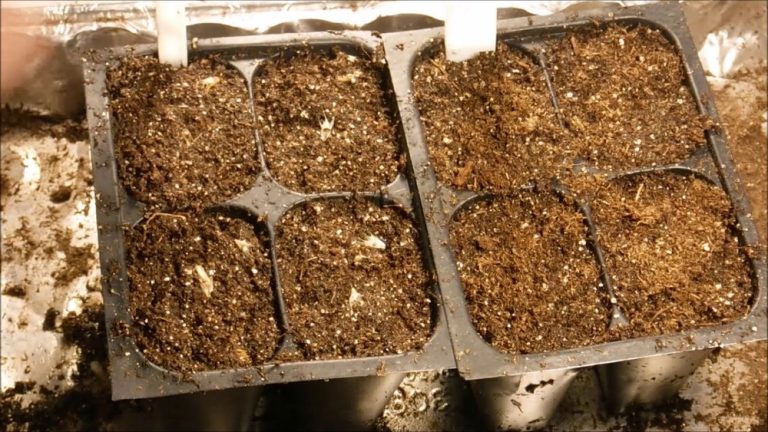
- Prep the container. Fill trays or starter pots to about 1/4 inch from the top with seed-starting mix. Pre-moisten the mix so it feels evenly damp, not muddy, before you sow.
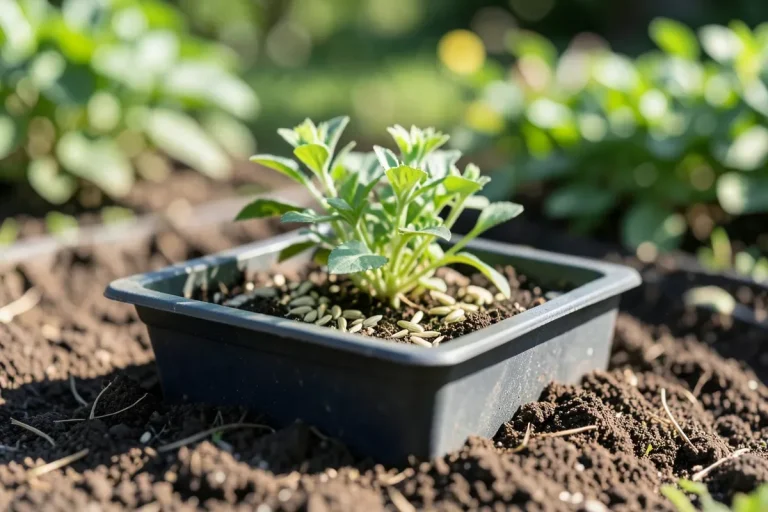
- Sow shallowly. Plant 1 to 2 seeds per cell at about 1/8 to 1/4 inch deep. Cover lightly with mix, then place a humidity dome over the tray.
- Add steady warmth. Put the tray on a heat mat with a thermostat and aim for soil temperature of about 80–90°F. If you are choosing a single setting, 80°F is a common starting point; some growers aim closer to 85°F for faster, more even sprouting.
- Hold surface moisture. Mist the top layer whenever it begins to lose its sheen. Keep the mix evenly moist, not saturated, and vent the dome daily so excess condensation does not build up.
Say your jalapeño seeds sit in 72°F soil with a dry surface crust. Move them to 85°F soil and mist the top once the surface starts to pale. That change can shorten the wait far more than adding extra water all at once.
How deep should you plant pepper seeds?
Plant pepper seeds about 1/8 to 1/4 inch deep. Shallow sowing works because pepper seeds are small, and too-deep planting slows emergence. If you bury them much deeper than that, they may still germinate, but they often break through later or not at all.
- Measure the depth. Make a shallow hole about 1/4 inch deep, or press the seed just below the surface and cover lightly. Keep the cover layer thin enough that seedlings can lift through it easily.
- Place the seed count. Drop 1 to 2 seeds per hole or cell so you have a backup if one seed is weak. Thin to the strongest seedling later if both sprout.
- Finish with humidity. After covering, mist once, then close the dome. Do not press the mix down hard; compacted media slows oxygen flow and can delay emergence.
Picture a tray where one cell is packed about 1/2 inch over the seed. That extra cover can turn a 10-day sprout into a much later one, because the seed has farther to push through before it reaches light and air.
Do pepper seeds need a heat mat?
A heat mat is not mandatory, but it is one of the best tools for faster, more consistent germination. Pepper seeds sprout fastest when soil stays between 80–90°F. If your room is already warm and steady, you may not need one; if the tray sits in a cool room, a thermostat-controlled mat helps a lot.
- Use a thermostat. Connect the mat to a thermostat so the root zone stays in range instead of swinging up and down. Stable warmth matters more than brief warm spikes.
- Set the target. Start near 80°F for a dependable baseline. If the room is cool, this is often enough to keep the mix in the germination band.
- Check the tray, not the air. Measure soil temperature where the seeds sit. Air temperature can look fine while the mix itself stays too cool.
Without a mat, you depend on room heat alone. With one, you control the seed zone directly, which is why sprouts usually appear more evenly and with fewer laggards.
Pepper germination decision table
If sprouts are late or missing, match the symptom to the most likely cause and correct that first. Do one change at a time, then wait the listed window before changing anything else.
| Symptom | Most likely cause | Exact correction | Expected time to improvement |
|---|---|---|---|
| Seeds sit unchanged after sowing | Planted too deep | Lift or resow at 1/8 to 1/4 inch deep, then cover with only a light layer of mix | 7 to 14 days after resowing |
| No swelling, no crack, slow emergence | Soil too cool | Move the tray to a heat mat with thermostat and hold soil at 80–90°F | 3 to 7 days after warming the mix |
| Top layer looks pale or crusted | Surface drying out | Mist the surface until evenly damp, then cover with a humidity dome and vent daily | 1 to 3 days for moisture recovery |
| Nothing appears after a long wait | Old seed stock | Sow fresh seed in new pre-moistened mix and keep it at 80–90°F | 7 to 21 days, sometimes longer |
| Variety | Typical sprouting window |
|---|---|
| Bell peppers | About 10 days |
| Jalapeños | 2 to 3 weeks |
| Habaneros | 1 to 4 weeks |
| Superhots such as ghost peppers and Carolina Reaper | Often slower than jalapeños; can take 4 to 6 weeks or longer |
Common mistakes
Most slow pepper germination comes from a few errors. The good news is each one is easy to correct once you know what to look for.
- Do not let mix dry out. Pepper seeds need even moisture throughout germination. If the surface dries, mist gently with a spray bottle instead of pouring water hard enough to move the seed.
- Do not overwater. Soggy cells can rot seeds. The mix should feel damp like a wrung-out sponge, not shiny with standing water.
- Do not skip ventilation. A humidity dome helps hold moisture, but it should be vented daily. Stale, saturated air increases the chance of damping-off and other failures.
- Do not assume all varieties behave the same. Bell peppers usually move faster than habaneros and superhots. Hotter pepper varieties often germinate more slowly, so waiting a month is not unusual for the slow end of the range.
Suppose a tray of superhots has been on 85°F bottom heat for 18 days with no movement. If the mix stayed moist and the seeds were fresh, wait a little longer before reseeding, because some peppers simply run slow even in good conditions.
How long do pepper seeds take to sprout?
In good conditions, pepper seeds usually sprout in 1 to 2 weeks. Some types take 2 to 3 weeks, and slower varieties can need 4 to 6 weeks. Older seeds may take even longer, and hotter peppers generally lag behind bells.
When to wait and when to reseed
If the tray has warm soil, steady moisture, and no sign of emergence at 14 days, keep waiting for slower varieties until about 21 days before changing course. If the soil has been cool, dry, or waterlogged, correct that first; if the seed stock is old, fresh seed is the fastest fix.
- Recheck soil temperature. Put a probe at seed level and make sure the mix is still in the 80–90°F range.
- Inspect moisture. If the top is dry, mist until evenly damp. If the cells are soaked, let them drain and reduce watering.
- Reseed only after correction. If a tray still shows nothing after you fix depth, heat, and moisture, sow fresh seed in new mix rather than waiting endlessly.
Frequently asked questions
Do pepper seeds need light to germinate?
Most pepper seeds do not need light to start sprouting. Warmth and moisture matter more during germination. Keep them very shallow, though, because a light covering helps seedlings emerge once they break the seed coat and reach the surface.
How often should you water pepper seeds before they sprout?
Water whenever the surface starts to lose its even dark look. In a covered tray, that may be daily or every few days depending on room conditions. Use a mister so you wet the top gently without shifting the seed out of place.
How do you prepare pepper seeds for planting?
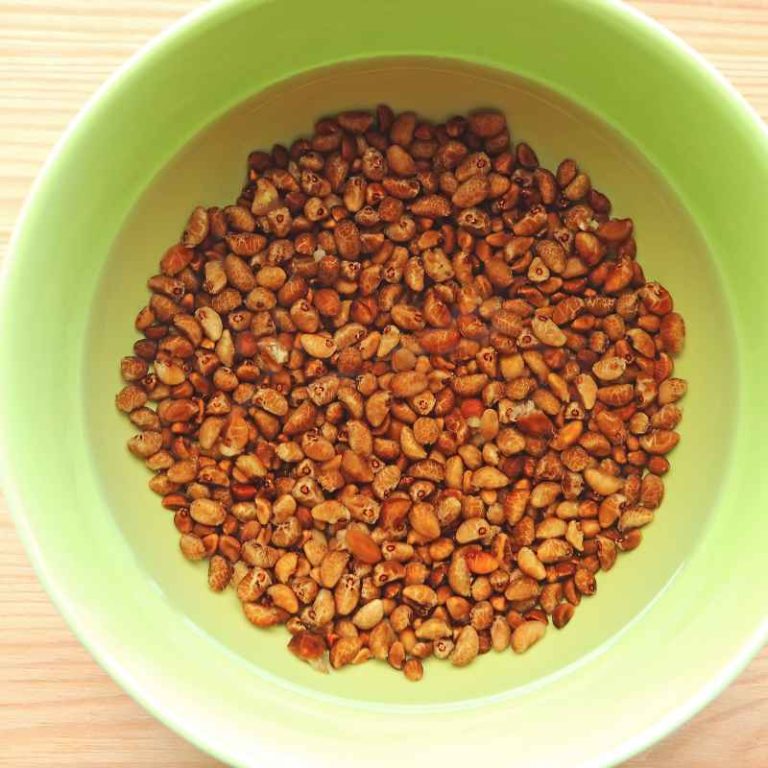
Sort out your newest seed, fill clean trays with pre-moistened seed-starting mix, and label the cells before sowing. Then make shallow holes, drop in 1 to 2 seeds per cell, cover lightly, and place the tray under a dome on heat if needed.
How do you get pepper seeds to germinate faster?
Keep the seed zone at 80–90°F, sow at 1/8 to 1/4 inch deep, and prevent the surface from drying out. A thermostat-controlled heat mat plus a humidity dome usually gives the quickest, most even results for home gardeners.
How warm should soil be for pepper seed germination?
Target soil between 80 and 90°F. That range supports faster sprouting than cool indoor air alone, and it is especially useful for slower peppers like habaneros and superhots. Use a thermostat so the mix stays in range through the whole germination period.