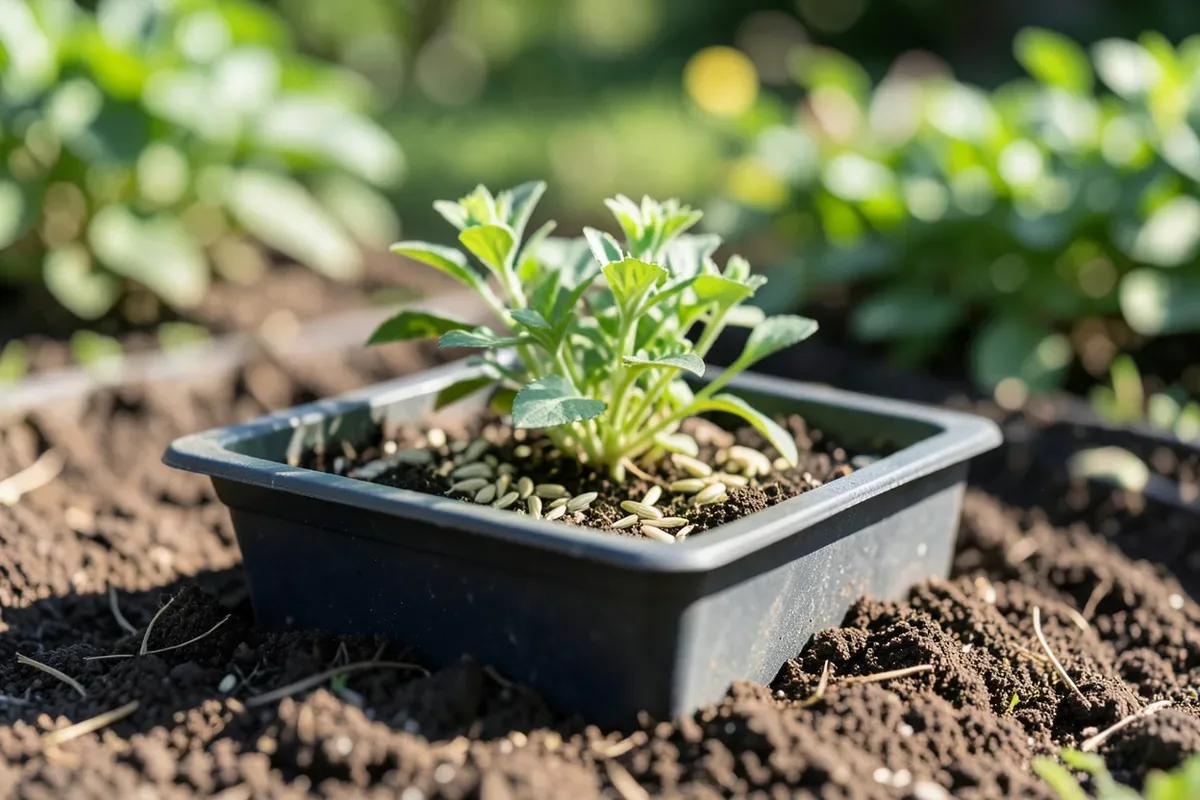
When to Plant Zinnia Seeds in Michigan for Summer Blooms
Zinnias, with their vibrant hues and easy-care nature, are a summer staple in Michigan gardens. Whether you’re a seasoned gardener or just starting, the timing of planting zinnia seeds is crucial for achieving peak blooms during the warmer months. Michigan’s unique climate—marked by cold winters and a relatively short growing season—requires gardeners to strategically plan their planting schedules to maximize zinnia performance. Understanding soil temperatures, frost dates, and the nuances of Michigan’s diverse regions can help you create a stunning zinnia display that lasts from late June through the first frost.
This guide is crafted to help Michigan gardeners unlock the secrets to summer-long zinnia blooms, combining expert horticultural advice with actionable steps and real-world examples. We’ll explore the best planting windows, compare techniques, and offer troubleshooting tips. By the end, you’ll be equipped to cultivate zinnia beds that attract pollinators, brighten landscapes, and thrive despite Michigan’s unpredictable spring weather.
Let’s dig into the science and art of planting zinnia seeds for maximum summer impact.
Key Takeaways
- Optimal zinnia seed planting in Michigan is determined by soil temperature, frost dates, and regional climate.
- Indoor seed starting can extend bloom periods and hedge against late spring frosts.
- Direct sowing is best after soil consistently reaches 60°F and all danger of frost has passed.
- Proper site selection, soil preparation, and watering are key to healthy zinnia growth.
- Zinnias require minimal care but benefit from deadheading and disease prevention.
- Real-world case studies demonstrate how Michigan gardeners achieve summer-long zinnia displays.
Understanding Michigan’s Climate And Growing Season
Michigan’s climate is characterized by cold winters, variable spring weather, and a relatively short period suitable for warm-season annuals like zinnias. Knowing the specifics of your location is essential, as planting times can vary by several weeks between northern and southern Michigan.
Frost Dates And Growing Zones
- USDA Hardiness Zones: Michigan ranges from Zone 4b in the Upper Peninsula to Zone 6b in the southern counties, each with distinct implications for garden planning. Zone 4b, for instance, is much colder and receives more snow, while Zone 6b enjoys milder winters and earlier springs.
- Last Frost Date: Typically falls between late April (southern Michigan) and early June (northern Michigan). Use resources such as the Old Farmer’s Almanac for precise local frost dates. These dates are vital for determining when it’s safe to plant tender annuals like zinnias.
- Growing Season Length: 120–150 days, depending on region. While southern Michigan might have a longer window, northern regions have to make the most of a condensed growing period.
Michigan’s weather can be unpredictable, with late frosts occasionally damaging early plantings. For instance, a sudden cold snap in early May can set back or kill unprotected seedlings. This is why understanding your local microclimate and tracking frost dates each year is so important.
Soil Temperatures
Zinnias thrive when soil temperatures reach 60°F or higher. Cold soil slows germination and increases susceptibility to disease.
- Monitoring: Soil thermometers are inexpensive and reliable. Many Michigan gardeners use them to check both surface and deeper soil temperatures, as nighttime cold can linger well into May.
- Regional Variation: Southern Michigan warms faster; northern areas lag by 2–4 weeks. Proximity to the Great Lakes also influences microclimates, with lakeside areas sometimes staying cooler or warming more slowly.
Warm soil is essential for successful zinnia germination. If the soil is too cold, seeds may rot or take weeks to sprout. For optimal results, wait until soil temperatures have stabilized above 60°F for several days.
Example: Comparing Southern Vs. Northern Michigan Planting Times
| Region | Last Frost Date | Optimal Sowing Window | USDA Zone |
|---|---|---|---|
| Detroit (Southeast) | April 20–30 | May 5–20 | 6b |
| Lansing (Central) | May 1–10 | May 15–30 | 5b |
| Traverse City (Northwest) | May 25–June 5 | June 10–20 | 5a |
| Marquette (Upper Peninsula) | June 1–15 | June 20–July 1 | 4b |
This table illustrates the importance of regional adaptation. Gardeners in Detroit can get a jump on the season, while those in Marquette must wait until summer is nearly underway to safely plant zinnias.
Microclimates And Urban Effects
Urban areas often experience warmer microclimates. Raised beds and south-facing sites can also warm earlier, allowing slightly earlier planting. For example, a south-facing garden against a brick wall in Ann Arbor may allow zinnias to be direct-sown up to a week earlier than in open rural settings.
Likewise, large cities like Grand Rapids and Detroit may escape late frosts thanks to heat radiating from buildings and pavement.
Gardeners can capitalize on these microclimates to extend the growing season by a few days or weeks, which can make a significant difference in bloom duration and overall zinnia performance.

Credit: abigailalbers.com
When To Plant Zinnia Seeds: Indoor Vs. Outdoor Sowing
Choosing between indoor seed starting and direct outdoor sowing depends on your goals, time constraints, and Michigan’s unpredictable spring weather.
Indoor Seed Starting
Starting zinnia seeds indoors allows you to get a head start on the growing season, especially in northern Michigan.
Benefits:
- Extends bloom period by 3–4 weeks.
- Protects seedlings from late frosts.
- Enables succession planting for continuous color.
- Allows gardeners to select and nurture the strongest seedlings, increasing overall garden health.
Timing:
- Sow seeds 4–6 weeks before the last expected frost.
- Use grow lights or a sunny windowsill.
Steps:
- Fill trays or pots with sterile seed-starting mix.
- Sow seeds ¼ inch deep; lightly cover.
- Maintain 70–75°F ambient temperature.
- Water gently; keep soil moist but not soggy.
- Harden off seedlings 1–2 weeks before transplanting outdoors. Gradually expose seedlings to outdoor conditions by placing them outside for a few hours each day, increasing time and sunlight exposure.
Example: Detroit Gardener’s Schedule
- Last frost: April 25
- Indoor sowing: March 20–April 5
- Transplanting: May 5–15
Many Michigan gardeners have found success with this approach. For example, starting seeds in late March and transplanting after Mother’s Day yields robust plants that bloom earlier and longer.
Direct Outdoor Sowing
Direct sowing is more straightforward but requires careful attention to soil temperature and frost risk.
Timing:
- Wait until soil consistently reaches 60°F and all frost danger is past.
- Typically mid-May to late June, depending on region.
Steps:
- Prepare garden bed; remove weeds and debris.
- Sow seeds ¼ inch deep, spaced 6–12 inches apart.
- Water gently, keeping soil evenly moist.
- Thin seedlings after emergence for optimal spacing.
Advantages:
- Less transplant shock.
- No need for indoor space or equipment.
- Seeds acclimate to local conditions from the start.
Direct sowing is ideal for large beds or community gardens, where indoor space may be limited. However, it’s important to monitor weather forecasts and be prepared to cover seedlings if a late frost threatens.
Succession Planting
To maximize bloom duration, consider planting zinnia seeds in batches every 2–3 weeks from your first safe sowing date until mid-summer.
Benefits:
- Ensures fresh blooms throughout summer.
- Reduces risk from unexpected weather events.
- Allows for staggered harvests if growing zinnias for cut flowers.
- Provides backup in case early plantings fail due to weather or disease.
Succession planting is particularly effective for Michigan’s variable climate, as it hedges against unpredictable spring frosts and heavy summer rains.
:max_bytes(150000):strip_icc()/103394692_preview-2000-bd0197304d3c4a7b92aae74ba25b1ae0.jpg)
Credit: www.midwestliving.com
Choosing The Best Zinnia Varieties For Michigan
Zinnias come in a dazzling array of colors, shapes, and heights. Michigan’s climate supports most varieties, but some perform better due to their resilience and bloom longevity.
Popular Varieties
- Zinnia elegans: Classic, tall varieties with large blooms. Ideal for cutting gardens and showy beds. These zinnias stand out for their bold colors and long stems, making them favorites for bouquets.
- Zinnia angustifolia: Compact, bushy plants. Excellent for borders and containers. This species is more tolerant of drought and heat, making it a great choice for low-maintenance gardens.
- Profusion Series: Hybrid zinnias known for disease resistance and continuous blooming. Profusion zinnias are highly recommended for humid Michigan summers, as they resist powdery mildew and thrive even during rainy spells.
Comparison Table: Zinnia Varieties For Michigan
| Variety | Height | Bloom Size | Best Uses | Disease Resistance |
|---|---|---|---|---|
| Zinnia elegans | 24–40″ | 3–5″ | Cut flowers, beds | Moderate |
| Profusion Series | 12–18″ | 2–3″ | Borders, containers | High |
| Zinnia angustifolia | 8–12″ | 1–2″ | Edging, pots | High |
| Queen Series | 30–36″ | 2–4″ | Showy beds | Moderate |
Color And Bloom Duration
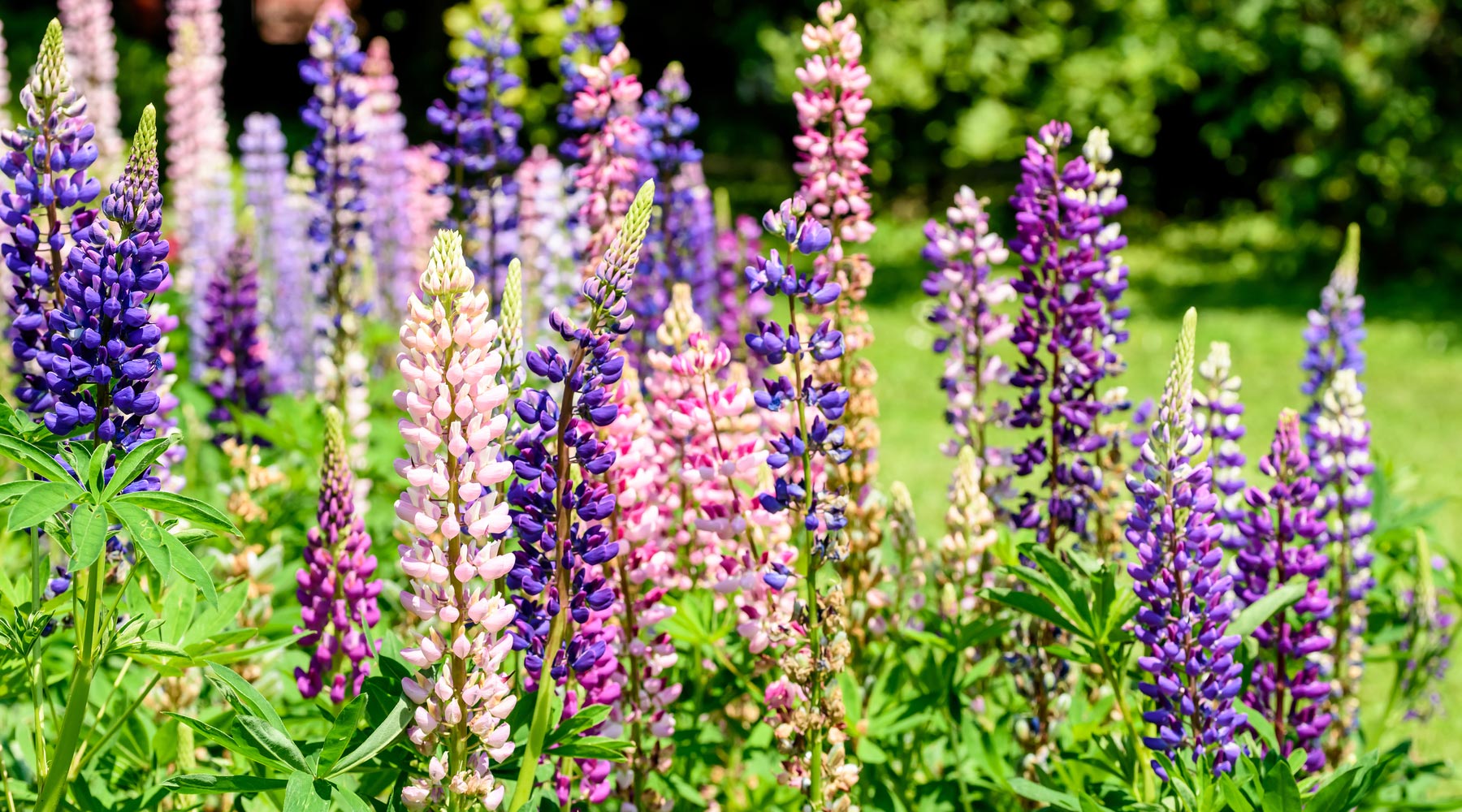
Choose varieties with overlapping bloom periods and diverse colors for sustained visual interest. Mixing Profusion and Elegans types ensures continuous color and resilience. For example, Profusion zinnias bloom early and steadily, while Queen and Elegans varieties add height and drama as summer progresses.
Planting a combination of color palettes—reds, pinks, oranges, yellows, and whites—creates a visually stunning garden. Consider using seed mixes that include multiple types for a dynamic effect.
Real-world Example: Mixed Zinnia Beds
A Lansing gardener planted Profusion, Queen, and Elegans zinnias in a staggered pattern. By succession sowing every two weeks from mid-May to mid-June, the garden maintained full color from late June until the October frost. The mix attracted pollinators and provided cut flowers all summer.
Credit: www.americanmeadows.com
Preparing Soil And Site For Zinnias
Healthy zinnias require well-drained, fertile soil and full sun. Michigan’s soils range from sandy loam to heavy clay, so proper preparation is crucial.
Site Selection
- Sunlight: Zinnias need at least 6–8 hours of direct sun. Less sunlight results in fewer blooms and leggy plants.
- Wind Protection: Tall varieties benefit from sheltered sites. Consider planting near fences, hedges, or other windbreaks if your garden is exposed.
Soil Preparation
- Drainage: Ensure beds don’t hold water after rain. Poor drainage leads to root rot and poor germination.
- PH Level: Aim for pH 6.0–7.5 (neutral to slightly acidic). Zinnias tolerate a range of soil types but prefer neutral conditions.
- Organic Matter: Add compost or well-rotted manure. This improves soil structure and nutrient availability.
Steps:
- Test soil pH with an inexpensive kit. Local garden centers often offer soil testing services.
- Amend soil with compost at 1–2 inches depth. Spread evenly and mix thoroughly.
- For clay soils, mix in sand or peat moss to improve drainage. For sandy soils, add more compost to retain moisture.
- Rake beds smooth before sowing. Remove rocks, roots, and any debris that may impede seedling growth.
Fertilization
- Balanced Fertilizer: Use a 10-10-10 NPK formula at planting and mid-season. Apply as directed on the package.
- Avoid Excess Nitrogen: Promotes foliage over blooms. If your zinnias are lush but not flowering, reduce nitrogen and increase phosphorus.
Example: Soil Remediation In Grand Rapids
A gardener in Grand Rapids faced heavy clay soil. By incorporating 2 inches of compost and 1 inch of sand, they improved drainage and saw robust zinnia growth. The plants produced larger blooms and resisted disease better than those in unamended soil.
Planting Zinnia Seeds: Step-by-step Guide
Planting zinnia seeds is straightforward, but attention to detail increases success rates and bloom quality.
Indoor Seed Starting Steps
- Fill seed trays with sterile mix. Sterility reduces disease risk.
- Sow seeds ¼ inch deep. Cover lightly, as zinnias do not require darkness to germinate.
- Mist gently; cover trays with clear lids. This retains humidity and speeds germination.
- Place under grow lights or in sunny windows. Ensure at least 12 hours of light per day.
- Maintain 70–75°F; remove lids after germination. Seedlings emerge in 7–10 days.
- Transplant seedlings outdoors after hardening off. Space 6–12 inches apart, depending on variety.
Outdoor Direct Sowing Steps
- Wait until soil is 60°F and frost risk is gone. Check local forecasts and soil temps.
- Prepare beds; remove weeds. Weeds compete for nutrients and water.
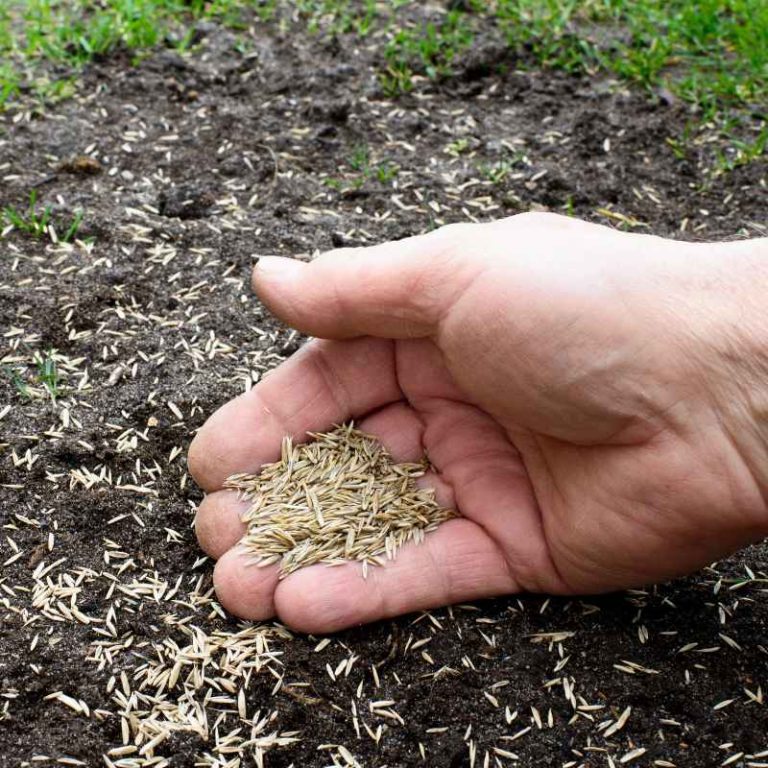
- Sow seeds in rows or scatter for a natural look. Rows make it easier to thin and weed.
- Cover seeds lightly; water gently. Overwatering can wash away seeds.
- Thin seedlings to 6–12 inches apart after sprouting. Crowded plants are more prone to disease.
Watering And Mulching
- Watering: Keep soil moist but not soggy during germination. Once established, zinnias tolerate drought, but regular watering encourages larger blooms.
- Mulching: Apply 1–2 inches of organic mulch to reduce weeds and conserve moisture. Use straw, shredded leaves, or compost.
Mulching also helps stabilize soil temperatures and prevents splash-up of soil-borne pathogens.
Real-world Case Study: Community Garden Success
The Ann Arbor Community Garden organized a zinnia planting day in late May. By prepping soil with compost and mulching after sowing, volunteers achieved nearly 95% germination and a spectacular summer display. The garden became a haven for pollinators and a popular spot for visitors.
Care And Maintenance For Healthy Summer Blooms
Once established, zinnias are resilient but benefit from regular care to maximize bloom longevity and prevent disease.
Watering
- Frequency: 1 inch per week, ideally via drip irrigation. Adjust for rainfall and temperature.
- Avoid Wetting Foliage: Reduces risk of powdery mildew. Water early in the day to allow leaves to dry.
In drought conditions, zinnias will survive, but blooms may be smaller. Mulching helps retain moisture.
Deadheading
Removing spent blooms encourages continuous flowering.
Steps:
- Use clean, sharp scissors.
- Snip just above a leaf node. This stimulates new growth.
- Repeat weekly. Consistent deadheading keeps beds vibrant.
Deadheading also prevents self-seeding, keeping beds neat and preventing overcrowding.
Disease Prevention
Zinnias are prone to powdery mildew and leaf spots in humid Michigan summers.
Prevention Tips:
- Space plants for airflow. Crowded plants trap humidity.
- Water at soil level. Drip irrigation or soaker hoses work best.
- Choose disease-resistant varieties. Profusion and Angustifolia types are especially resilient.
If mildew appears, remove affected leaves promptly. Fungicides can be used, but often aren’t necessary if cultural practices are followed.
Fertilizing
- Apply balanced fertilizer at planting.
- Supplement mid-season if growth slows. Signs include yellowing leaves or poor flowering.
Avoid overfeeding. Too much fertilizer can cause lush foliage with few blooms.
Pest Management
Zinnias rarely face serious pests but watch for aphids and Japanese beetles.
Control Methods:
- Remove by hand. Inspect regularly.
- Use insecticidal soap if needed. Always follow label directions.
Encourage natural predators such as ladybugs and lacewings to help control pests.
Example: Disease Management In Kalamazoo
A Kalamazoo gardener planted Profusion zinnias in wide rows and used drip irrigation. Despite humid weather, powdery mildew was minimal and blooms lasted until frost. The garden was also less affected by leaf spot, thanks to careful watering and spacing.
Maximizing Bloom Period: Succession Planting And Harvesting
Michigan’s short summer can be offset by smart strategies for prolonged zinnia color.
Succession Planting
Plant seeds every 2–3 weeks from last frost until mid-July.
Benefits:
- Fresh blooms through September.
- Reduces gaps caused by disease or weather.
- Provides steady supply for cut flowers and pollinators.
Succession planting is especially effective for gardeners who want a continuous display or for those supplying local markets and florists.
Harvesting For Cut Flowers
Zinnias are prized for bouquets and arrangements.
Tips:
- Cut stems early in the morning. Flowers are most hydrated then.
- Use sharp scissors; place stems in water immediately. This prevents wilting.
- Harvest when flowers are fully open. Buds do not mature after cutting.
Regular harvesting also encourages new blooms and keeps plants productive.
Real-world Example: Florist’s Zinnia Schedule
A Detroit florist planted zinnias in three batches (May, June, July). This ensured a steady supply of cut flowers from mid-June to October, supporting local events and weddings. The florist reported that Profusion zinnias held up best in arrangements and lasted longer in vases.
Troubleshooting Common Zinnia Problems In Michigan
Michigan gardeners may encounter a few challenges with zinnias. Knowing the signs and solutions can keep your plants healthy.
Poor Germination
Causes:
- Cold soil (<60°F)
- Old or low-quality seed
- Overwatering
Solutions:
- Wait for warmer soil. Don’t rush spring planting.
- Buy fresh seed from reputable suppliers. Check expiration dates.
- Water gently; keep soil just moist. Soggy conditions rot seeds.
If germination is poor, try reseeding once soil warms or switch to indoor starting.
Disease Issues
Powdery Mildew: White coating on leaves.
Leaf Spot: Brown/black spots.
Solutions:
- Space plants for airflow. Thin crowded beds.
- Remove affected leaves. Dispose in trash, not compost.
- Use fungicide if needed (follow label instructions). Choose organic options if possible.
Monitor plants regularly and take action as soon as symptoms appear.
Stunted Growth
Causes:
- Poor soil drainage
- Excessive shade
- Nutrient deficiency
Solutions:
- Improve drainage with compost and sand. Raised beds can help.
- Move to sunnier site. Zinnias need full sun.
- Apply balanced fertilizer. Follow package directions.
Stunted plants often recover quickly with proper intervention.
Example: Rescue Operation In Traverse City
After a wet spring, a Traverse City gardener noticed stunted zinnia seedlings. By adding sand, thinning plants, and supplementing with fertilizer, growth rebounded and blooms flourished. The garden’s recovery demonstrated the importance of monitoring and responding promptly to issues.
Frequently Asked Questions
When Is The Best Time To Plant Zinnia Seeds In Michigan?
The optimal time is after the last frost date and when soil temperatures consistently reach 60°F or higher. For southern Michigan, this is typically mid-May; for northern Michigan, it can be late June. Indoor seed starting 4–6 weeks before the last frost is also effective for an earlier bloom.
Can I Start Zinnia Seeds Indoors In Michigan?
Yes. Starting seeds indoors 4–6 weeks before the last expected frost (typically in March or April) gives you a head start. Harden off seedlings before transplanting outdoors to minimize shock.
What Is The Ideal Soil For Zinnias In Michigan?
Well-drained, fertile soil with a neutral to slightly acidic pH (6.0–7.5) is ideal. Amending with compost improves nutrient content and drainage. Avoid heavy clay or waterlogged areas.
How Do I Prevent Disease In My Zinnia Plants?
Choose disease-resistant varieties like the Profusion series, space plants for airflow, water at the base, and avoid overhead watering. Mulching also helps prevent soil splash that spreads disease.
Are Zinnias Good For Michigan Pollinators?
Absolutely. Zinnias attract bees, butterflies, and hummingbirds throughout summer. Planting a mix of varieties and colors increases pollinator visits and supports healthy ecosystems.
Michigan Zinnia Resources And Further Reading
For more in-depth information and region-specific advice, consult these expert resources:
- Wikipedia: Zinnia
- Michigan Department of Agriculture: Plant Industry
- Michigan State University Extension
- Old Farmer’s Almanac: Planting Calendar
- Royal Horticultural Society: Zinnia Care
- National Gardening Association: Zinnia
Planting zinnia seeds in Michigan for summer blooms is both art and science. By timing your sowing to match soil and weather conditions, preparing the site thoughtfully, and choosing resilient varieties, you’ll enjoy months of vibrant color and pollinator activity.
Whether you’re aiming for a lush garden bed, a border, or a steady supply of cut flowers, the strategies outlined here will help you create a zinnia display that’s the envy of your neighborhood. Happy gardening!