How Many Plants Can A Commercial Grower Have In Oklahoma?
In Oklahoma, the exact number of plants a commercial grower can have isn’t a simple set figure. It often depends on the type of plant, the grower’s license, and specific county or city rules. The Oklahoma Medical Marijuana Authority (OMMA) sets many of these rules for cannabis. For other crops, it’s about land use and agricultural zoning. Always check with OMMA and local authorities for the most current and specific guidance for your situation.

As an Amazon Associate I earn from qualifying purchases.

Understanding Oklahoma’s Commercial Growing Rules
Oklahoma has specific rules for commercial growing. These rules help make sure things are done safely. They also aim to keep the environment healthy.
The biggest area of focus for many new growers is cannabis. But other types of commercial farming have their own set of rules too. It’s not just about the plants.
It’s also about where you grow them and how you sell them. Local governments play a big part. They can add their own rules on top of state laws.
This means what’s okay in one town might not be in another. So, it’s important to dig deep into the details.
For cannabis growers, the Oklahoma Medical Marijuana Authority (OMMA) is the main place to look. They issue licenses and set strict guidelines. These guidelines cover everything from how many plants you can grow to how you store them.
They also talk about security and testing. It’s a heavily regulated industry. For non-cannabis commercial crops, like vegetables, fruits, or flowers, the rules are often managed by county agricultural extension offices and city zoning boards.
These rules usually focus on land use. They also look at water usage and potential impacts on neighbors.
The goal of these regulations is to create a structured market. This helps protect consumers and the public. It also aims to support legitimate businesses.
For a commercial grower, this means being prepared. You need to know the law thoroughly. You also need to understand how it applies to the specific plants you want to grow.
Ignoring these rules can lead to fines. It can even cause your business to shut down. Taking the time to understand everything upfront is a smart move.
Think of it like building a house. You need a solid foundation. In this case, the foundation is understanding the legal framework.
Once you have that, you can build your growing operation. You can focus on the best ways to grow your crops. You can also think about how to reach your customers.
The rules are there to guide you, not just to block you. When you follow them, you build trust. You also build a sustainable business.

The Cannabis Cultivation Conundrum in Oklahoma
When we talk about commercial growing in Oklahoma, cannabis often comes up first. This is because its regulations are quite detailed. The state has a system for licensed commercial growers.
These growers can cultivate cannabis for medical and sometimes recreational use. But there isn’t a simple number like “you can have 100 plants.” It’s much more nuanced.
The number of plants a commercial grower can have for cannabis often depends on their license type. There are different levels of licenses. Some might allow for a certain number of plants per square foot of grow space.
Others might be tied to the total canopy size. The Oklahoma Medical Marijuana Authority (OMMA) is the agency that sets these specific limits. They also have rules about indoor versus outdoor grows.
Indoor grows might have different plant density rules than outdoor ones.
For example, a grower might have a license that allows them to cultivate up to a certain amount of usable marijuana. This amount is often measured in ounces or pounds. The number of plants needed to reach that yield can vary greatly.
It depends on the strain of cannabis. It also depends on the growing methods used. A grower focusing on high-yield strains might need fewer plants.
Someone growing smaller, denser plants might need more.
OMMA rules also often include specifics about the lifecycle of the plants. There might be limits on the number of mature plants versus seedlings or clones. This is to prevent growers from having an excessive number of plants at any one time.
They also have rules about waste disposal and plant tracking. Each plant often needs to be tagged and monitored from seed to sale. This system helps ensure compliance and prevent illegal diversion.
Beyond the state regulations, local city or county ordinances can add another layer. Some areas might have restrictions on where cannabis cultivation facilities can be located. They might also have limits on the overall number of licenses issued in a certain area.
This can indirectly affect how many operations are running. It can also influence the scale of each operation.
So, if you’re a cannabis grower in Oklahoma, the first step is always to get the right license. Then, you must carefully read and understand all the rules from OMMA. Pay close attention to the sections about plant count, canopy limits, and yield expectations.
Don’t forget to check with your local city and county government. They might have additional rules that apply to your specific location. It’s a lot to take in, but it’s crucial for running a legal and successful business.
Cannabis License Types & Plant Capacity
Standard Commercial Grow License: This is the most common type. It typically allows for a significant number of plants but is tied to specific production limits and square footage. The exact number can change with OMMA updates.
Research Commercial Grow License: For entities conducting research, rules may differ. Plant counts might be more flexible but tied to research protocols and approvals.
Processing Commercial Grow License: If you are growing specifically for extraction or processing, the focus might be more on biomass than plant count, but still within OMMA guidelines.
Beyond Cannabis: Other Commercial Crops in Oklahoma
While cannabis gets a lot of attention, Oklahoma is also a great place for growing many other types of commercial crops. Think about wheat, corn, soybeans, cotton, and hay. There are also growing opportunities for fruits like peaches and berries, and vegetables like tomatoes and sweet potatoes.
For these traditional agricultural crops, the question of “how many plants” isn’t usually about a strict legal limit on the number of individual plants.
Instead, the limits are often tied to land size and agricultural zoning. Farmers are generally allowed to plant as many crops as their land can sustain. The focus is more on responsible land management.
They also consider resource use like water and soil health. Zoning laws from the county or city will dictate what kind of agricultural activities are allowed in a specific area. They also might have rules about setbacks from residential properties.
For example, a farmer with 100 acres of prime farmland in western Oklahoma can plant a lot of wheat. They aren’t limited by a “plant count.” They are limited by how much seed they have and the size of their fields. Similarly, a fruit orchard owner can plant as many trees as they have space for.
They might plant 200 peach trees on 10 acres. The key is that they are using the land for its intended agricultural purpose.
There are, however, regulations that commercial growers of traditional crops must follow. These often involve pesticide use and chemical storage. Water rights and usage can also be a significant factor, especially in drier parts of Oklahoma.
Environmental regulations might also apply, particularly concerning runoff or soil erosion. These are more about practices than raw plant numbers.
Some specialty crops might have specific considerations. For instance, if you’re growing a crop that requires specific certifications, like organic or non-GMO, there are rules associated with those. These rules ensure the integrity of the product.
But they don’t typically limit the number of plants you can grow. The main takeaway for traditional agriculture is that it’s generally less about a specific plant count and more about land use, zoning, and farming practices.
Specialty Crops & Their Unique Needs
Vineyards: While not limited by plant count, vineyard establishment requires specific zoning and often permits for water usage.
Berry Farms: Similar to orchards, the number of berry bushes is limited by land size. Some may require specialized irrigation systems.
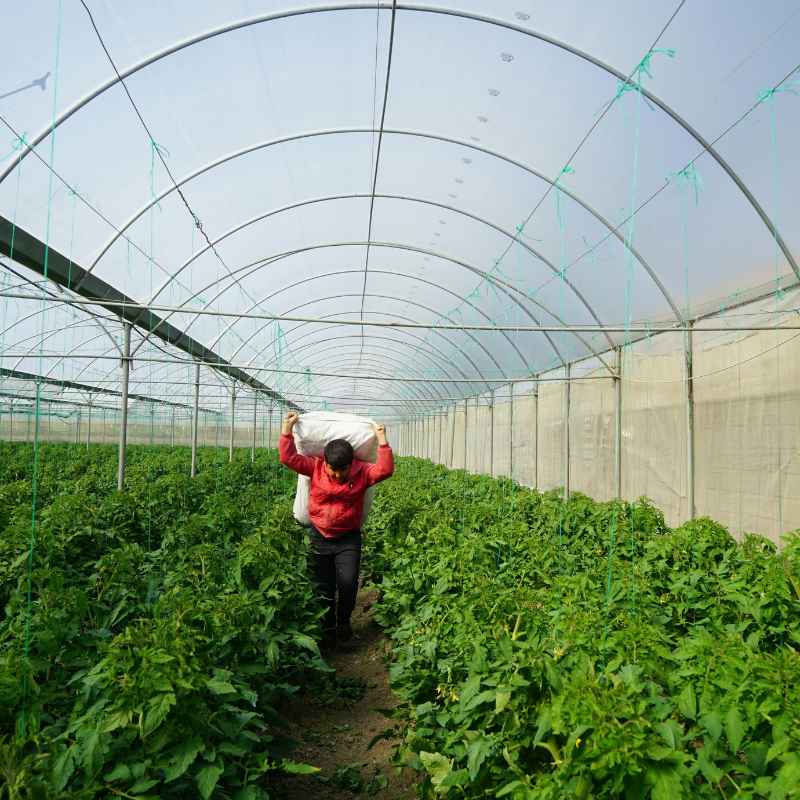
Greenhouses for Specialty Produce: While greenhouses can increase yield per square foot, they still fall under general agricultural or commercial zoning. The number of plants is usually determined by the greenhouse size and structure.
The Role of Local Ordinances and Zoning
One of the most important, yet often overlooked, aspects of commercial growing in Oklahoma is local ordinances. State laws provide a broad framework. But it’s often the city or county rules that dictate the specifics for your operation.
Zoning laws are a prime example. They determine what types of businesses can operate in certain areas.
For a commercial farm, zoning is critical. Is your land zoned for agricultural use? Or is it zoned for light industrial or commercial use?
If you want to grow cannabis, many cities have specific zoning requirements for dispensaries and cultivation sites. These might include distance requirements from schools, churches, or residential areas. They could also specify the types of structures allowed on the property.
Even for non-cannabis crops, local rules matter. A farmer might want to build a large greenhouse or processing facility. The local building codes and zoning ordinances will dictate if that’s permissible.
There might be limits on the size or height of structures. There could also be rules about parking, traffic flow, and waste management.
I remember visiting a small town in Oklahoma where a farmer wanted to expand their roadside produce stand. They had plenty of land and wanted to build a small, on-site canning facility. They ran into trouble because the town had a specific ordinance against processing facilities within a certain distance of residential homes.
Even though they were growing the produce right there, the processing part was the issue. It took months of negotiation and a zoning variance to get it approved.
This is why it’s absolutely essential to talk to your local planning and zoning department early on. Before you buy land or invest heavily in equipment, understand the local rules. What are the permitted land uses?
Are there any restrictions on the size of your operation? Are there limits on operating hours or the number of employees you can have?
Don’t assume that just because something is legal at the state level, it’s automatically allowed in your specific town or county. Local governments have significant power to regulate businesses within their borders. They do this to manage growth, protect the environment, and ensure public safety.
For any commercial grower in Oklahoma, navigating these local waters is just as important as understanding state regulations.
Zoning Checklist for Growers
Permitted Uses: Verify if your chosen type of agriculture is allowed in the zone.
Setbacks: Check required distances from property lines, roads, and other structures.
Structure Regulations: Understand rules about building size, height, and materials.
Operational Limits: Inquire about noise, light, traffic, or hours of operation.
Special Permits: See if your specific operation requires special use permits or variances.
Factors Influencing Plant Numbers
Even within the legal framework, several practical factors influence how many plants a commercial grower can or should have. These aren’t rules written in law books, but they are crucial for a thriving business. Understanding these helps you plan realistically.
Market Demand: The most obvious factor is what you can sell. Growing 1,000 tomato plants is great, but not if you can only sell 200. You need to research your market.
Who are your customers? What do they want? How much can they buy?
This will guide how many plants you start with. It’s better to start smaller and grow than to overproduce and waste resources.
Resource Availability: This includes water, electricity, and labor. Do you have enough water for all those plants, especially during dry spells? If you’re growing indoors, do you have enough power for lights and climate control?
Do you have enough people to plant, tend, harvest, and pack everything? Limited resources mean fewer plants. You need to match your plant count to what you can realistically support.
Growing Space and Method: As we’ve touched on, the space you have is a major limit. Are you growing in a field, a greenhouse, or a vertical farm? Each has different plant densities.
A greenhouse might allow for many more plants per square foot than an open field. Vertical farms can stack plants even higher. Your chosen method directly impacts the “how many” question.
Plant Type and Yield: Different plants have different needs and produce different amounts. A single cannabis plant might produce ounces of usable product. A tomato plant might produce pounds.
A head of lettuce is much smaller. You need to consider the mature size of the plant and its typical yield. This helps you estimate how many plants you need to meet your sales goals.
Your Budget: Starting any commercial operation costs money. Seeds, soil, equipment, labor, and overhead all add up. The more plants you have, the higher your startup and ongoing costs will be.
Your budget will dictate how many plants you can afford to grow, especially in the early stages. It’s wise to have a financial buffer. This helps you manage unexpected expenses.
Your Experience Level: If you’re new to commercial growing, it’s often best to start small. Learn the ropes with a manageable number of plants. This allows you to refine your techniques.
You can also understand the business side better. As you gain experience and confidence, you can gradually increase your plant count. Trying to do too much too soon can lead to mistakes and lost income.
These factors work together. You can’t just look at the legal limit. You need to consider what’s practical and profitable for your specific situation.
What works for one grower might not work for another. It’s about finding the right balance for your farm.
Key Planning Questions for Plant Numbers
What is my realistic sales target?
What resources (water, power, labor) do I have?
What is the optimal plant density for my chosen growing space and method?
What is the projected yield per plant for my chosen crop?
What is my total budget for planting and cultivation?
What is my experience level with this crop and commercial growing?
When is it Time to Worry? Identifying Red Flags
Most of the time, commercial growing in Oklahoma is about following rules and planning smart. But there are times when things can go wrong. Knowing these “red flags” can save you a lot of trouble down the line.
It’s about being aware of potential issues before they become major problems.
Ignoring Local Ordinances: This is a big one. I’ve seen operations that seemed fine on paper based on state law, but they completely overlooked a specific city zoning rule. They might have had permits from the state, but the local government shut them down.
Always, always double-check local zoning and permits. What seems like a minor detail can halt everything.
Operating Without the Right Licenses: For regulated industries like cannabis, this is a non-starter. Growing cannabis without a proper OMMA license is illegal and comes with severe penalties. But even for other crops, specific permits might be needed for certain types of farming or for selling to certain markets.
Not having the right paperwork is a huge risk.
Exceeding Resource Limits: Think about water. Oklahoma can have dry spells. If your operation relies heavily on irrigation and you don’t have secure water rights or a backup plan, you’re in trouble.
The same applies to power for indoor grows. If you can’t reliably supply power, your plants will suffer, and your business can fail.
Ignoring Environmental Regulations: This could involve improper disposal of waste, heavy pesticide use near waterways, or soil erosion. Regulatory bodies like the EPA or state environmental agencies can impose hefty fines. It also damages your reputation and the land you farm on.
Poor Record-Keeping: For licensed growers, especially cannabis, detailed records are mandatory. This includes tracking plants from seed to sale, documenting yields, and managing inventory. Without good records, you can’t prove compliance.
You can’t track your own business performance. This makes audits difficult and can lead to penalties.
Unrealistic Yield Expectations: Many new growers get excited and overestimate how much their plants will produce. This can lead to over-committing to buyers and then failing to deliver. It can also lead to over-investing in more plants than they can handle.
It’s better to be conservative and exceed expectations than to fall short.
Not Adapting to Climate or Pests: Oklahoma weather can be unpredictable. Extreme heat, hail, or late frosts can devastate crops. Pests and diseases are also a constant threat.
If you don’t have a plan for these issues, your entire harvest could be lost. This includes having contingency plans, using pest-resistant varieties, and practicing good crop rotation.
If you notice any of these issues starting to creep into your operation, it’s time to stop and reassess. Don’t wait for a crisis. Address the problem head-on.
Talk to experts, review your plans, and make necessary adjustments. Proactive problem-solving is key to long-term success in commercial growing.
Tips for Successful Commercial Growing in Oklahoma
So, you’ve got the basics down. You understand the rules and the factors that matter. How do you ensure your commercial growing operation thrives in Oklahoma?
It boils down to smart planning, continuous learning, and hard work. Here are some practical tips to help you succeed:
Start with a Solid Business Plan: Before you plant a single seed, have a clear business plan. This should include your market analysis, financial projections, operational strategy, and marketing plan. A well-thought-out plan is your roadmap.
It helps you stay focused and make informed decisions.
Know Your Crops Inside and Out: Understand the specific needs of the plants you choose to grow. Research their ideal soil conditions, watering schedules, nutrient requirements, and pest vulnerabilities. The more you know about your crop, the better you can care for it.
Prioritize Soil Health: Healthy soil is the foundation of healthy plants. Implement practices that improve soil structure and fertility. This might include cover cropping, composting, and minimizing tillage.
Good soil management reduces the need for synthetic fertilizers and pesticides.
Master Water Management: Water is precious, especially in Oklahoma. Invest in efficient irrigation systems like drip irrigation. Monitor soil moisture levels regularly.
Understand your water rights and usage limits. Conserving water not only saves money but also ensures you can sustain your crops during dry periods.
Implement Integrated Pest Management (IPM): IPM is a strategy that combines different methods to control pests and diseases. This includes using beneficial insects, crop rotation, resistant varieties, and targeted pesticide applications only when necessary. It’s a more sustainable and often more cost-effective approach.
Build Strong Relationships: Connect with other growers, local agricultural experts, and potential buyers. Attend industry events and workshops. Building a network can provide valuable advice, support, and business opportunities.
Developing good relationships with your customers is also crucial for repeat business.
Stay Up-to-Date on Regulations: Laws and regulations can change. Make it a habit to regularly check with OMMA (if applicable) and your local authorities for any updates. This ensures you always remain compliant.
Embrace Technology Wisely: Technology can help streamline operations. This could include using sensors for soil moisture and temperature, employing automation for irrigation, or using farm management software to track inventory and finances. Choose technology that fits your needs and budget.
Focus on Quality: In any market, high-quality products stand out. Focus on producing the best possible crops. This means paying attention to detail at every stage of the growing process.
Quality leads to customer satisfaction and a better reputation.
Be Resilient and Adaptable: Commercial growing involves challenges. Weather can be harsh, pests can be persistent, and markets can shift. The ability to adapt to changing conditions and overcome obstacles is a hallmark of successful growers.
Quick Success Checklist
Clear Business Plan: Have your strategy defined.
Crop Knowledge: Know your plants deeply.
Soil & Water: Prioritize these essentials.
Pest Control: Use smart IPM methods.
Networking: Build your connections.
Compliance: Stay current with all rules.
Quality Focus: Aim for the best product.
Adaptability: Be ready for change.

Frequently Asked Questions
What is the most important factor for a commercial grower in Oklahoma?
The most important factor is understanding and complying with both state and local regulations. This includes licensing, zoning, and specific crop rules. Beyond that, managing resources like water and soil health, and knowing your market are vital.
Are there limits on the number of fruit trees I can plant commercially in Oklahoma?
Generally, no. For traditional agricultural crops like fruit trees, the number of plants is limited by your available land and your ability to manage them, rather than a specific legal plant count. Local zoning is key, though.
How does Oklahoma regulate commercial cannabis growers regarding plant numbers?
The Oklahoma Medical Marijuana Authority (OMMA) sets the rules. Limits are often tied to license type, grow space square footage, canopy size, or total yield targets, not just a simple plant number. Always check the latest OMMA guidelines.
What if my commercial farm is in an area with both city and county rules?
You must comply with both. Typically, the more restrictive set of rules will apply. It’s crucial to speak with both the city planning department and the county zoning office to understand all requirements.
Can I grow any type of plant commercially anywhere in Oklahoma?
No. Zoning laws dictate what agricultural activities are permitted in specific areas. Additionally, regulated crops like cannabis have strict licensing and location requirements.
Always verify land use permissions before starting.
How can I ensure my commercial growing operation is sustainable in Oklahoma’s climate?
Focus on water conservation using efficient irrigation, choose drought-tolerant or climate-appropriate crops, maintain healthy soil to retain moisture, and implement pest management strategies that minimize environmental impact. Being adaptable to weather changes is also key.
Conclusion: Growing Smart in the Sooner State
Navigating the world of commercial growing in Oklahoma requires a blend of passion, planning, and precise knowledge. The question of “how many plants” isn’t usually a simple number. It’s a complex interplay of state laws, local ordinances, crop types, and your own operational capacity.
By understanding these elements, you can build a compliant, efficient, and profitable farming business. Remember to always do your homework, consult with the relevant authorities, and plan for success.
Related pick: Check today's price on Amazon