When to Plant Daffodil Bulbs in Zone 7 for Spring Color
If you’ve ever walked through a spring garden bursting with vibrant blooms, chances are you’ve admired the cheery faces of daffodils. These iconic flowers are more than just a symbol of renewal; they’re also a gardener’s best friend for easy, reliable color. But achieving that dazzling spring display—especially in USDA Zone 7—depends on one crucial detail: timing. Planting daffodil bulbs at the right moment is the secret to strong roots, healthy foliage, and a breathtaking show of color when winter finally fades.
Zone 7, with its moderate winters and warm, early springs, presents unique opportunities and challenges for bulb gardeners. Plant too early, and your bulbs may sprout before frost; plant too late, and they may not root deeply enough to support vigorous growth.
This article breaks down the precise science and art of planting daffodil bulbs in Zone 7 for optimal spring color. We’ll cover the ideal planting window, critical factors influencing success, and seven essential aspects every gardener must master. Whether you’re a novice or a seasoned horticulturist, you’ll discover actionable strategies, expert insights, and data-backed techniques tailored for Zone 7 gardens.
Key Takeaways
- Plant daffodil bulbs in Zone 7 between late October and early December for the best spring blooms.
- Understanding soil temperature, bulb health, and site selection is essential for success.
- Applying correct planting depth and spacing ensures robust growth and vibrant color.
- Proper post-planting care, including watering and mulching, is crucial for overwintering.
- Choosing the right daffodil varieties for Zone 7 maximizes color and longevity.
- Common mistakes, such as planting too early or too late, can significantly impact results.
- Real-world examples demonstrate that following these guidelines yields impressive spring displays.
Credit: www.gardendesign.com
Understanding Usda Zone 7 And Daffodil Growth Cycles
Climate Characteristics Of Zone 7
USDA Zone 7 encompasses regions with average annual minimum winter temperatures ranging from 0°F to 10°F (-17.8°C to -12.2°C). This zone includes cities such as Richmond, VA, Oklahoma City, OK, and parts of Atlanta, GA. Winters are moderate, and the last frost typically occurs between late March and early April.
The defining climatic factors for Zone 7 gardeners are:
- Mild winters: Allow bulbs to overwinter without deep freezing.
- Early springs: Result in rapid soil warming.
- Variable rainfall: Requires attention to moisture management.
These factors create an environment where daffodils thrive—provided their bulbs are planted at the optimal time. Unlike more northern zones, where snow cover may persist and soil remains cold well into spring, Zone 7 offers gardeners a relatively long window for bulb establishment.
However, this also means that bulbs can be more susceptible to fluctuating winter temperatures and occasional unseasonable warmth, which can confuse their growth cycles.
Zone 7’s climate supports a wide range of ornamental bulbs, but daffodils are especially well-suited due to their resilience and adaptability. The moderate winters prevent bulbs from suffering freeze damage, and the quick arrival of spring provides ideal conditions for their rapid emergence and flowering.
Rainfall can vary significantly—some years are wetter, others drier—so gardeners should monitor soil moisture closely, particularly during the rooting period.
The Daffodil Life Cycle
Daffodils (Narcissus spp.) are perennial bulbs native to Europe and North Africa. Their growth cycle is finely attuned to seasonal cues:
- Dormancy: Bulbs rest underground through summer and early fall.
- Rooting period: Triggered by cool soil temperatures in autumn.
- Shoot development: Begins in late winter as days lengthen.
- Blooming: Occurs in early to mid-spring, depending on variety.
- Foliage matures: Photosynthesis replenishes bulb energy.
- Foliage dies back: Plants return to dormancy in late spring/early summer.
This cycle is closely linked to both temperature and photoperiod (day length). During dormancy, bulbs are essentially in a state of suspended animation, conserving energy and resisting decay. As soil cools in autumn, the bulbs sense the change and begin to develop roots, anchoring themselves and preparing for the explosive growth that will follow.
This rooting period is critical; without it, bulbs cannot support the rapid leaf and flower production that spring demands.
In Zone 7, the key to success is synchronizing planting with the start of the bulb’s rooting period—after soil cools but before it becomes too cold to allow root development. A well-timed planting ensures that bulbs enter winter with a robust root system, making them resilient to freeze-thaw cycles and capable of vigorous spring growth.
Why Timing Matters
Planting daffodil bulbs too early in Zone 7 (while soil is still warm) can result in premature sprouting and frost damage. Too late, and bulbs may not develop enough roots before winter, leading to poor flowering or bulb rot. Scientific studies confirm that soil temperatures between 50°F and 60°F (10°C to 15.5°C) are optimal for daffodil root initiation (University of Wisconsin Extension).
When bulbs sprout prematurely, their tender shoots become vulnerable to cold snaps and frost, which can stunt growth or kill the emerging plants. Conversely, if bulbs are planted after the soil has cooled excessively, root growth slows dramatically, leaving bulbs poorly anchored and unable to absorb sufficient nutrients and moisture.
This can result in weak, spindly foliage or no blooms at all.
Studies conducted by university extension programs have shown that bulbs planted within the optimal soil temperature range produce fuller, more robust blooms and higher survival rates. This data underscores the importance of monitoring soil temperature as well as local weather forecasts to pinpoint the best planting window.

Credit: www.youtube.com
7 Critical Factors For Planting Daffodil Bulbs In Zone 7
1. Ideal Planting Window: When To Plant For Best Results
Recommended Timing
In Zone 7, the best time to plant daffodil bulbs is from late October through early December. This window ensures:
- Soil temperatures have cooled sufficiently to prevent premature growth.
- Bulbs have ample time to root before deep winter cold sets in.
For gardeners who may miss the initial window, it’s still possible to plant bulbs as late as early January, provided the ground isn’t frozen solid and temperatures remain above 40°F. However, bulbs planted late may not bloom as vigorously the first year, so it’s best to aim for the optimal period.
Soil Temperature Vs. Calendar Dates
While calendar dates provide a helpful guideline, soil temperature is the most reliable indicator. Use a soil thermometer to check the top 6 inches of soil. Plant when temperatures consistently fall below 60°F (15.5°C) but above 40°F (4.4°C).
Soil temperature can fluctuate based on recent weather, sunlight exposure, and soil type. For example, sandy soils cool down faster than clay, while shaded areas may retain warmth longer. By using a thermometer, gardeners can make more precise decisions, reducing risk and increasing bloom reliability.
Real-world Example
In Richmond, VA (Zone 7a), gardeners typically plant daffodils in the first two weeks of November. A local garden club documented that bulbs planted during this period produced a 98% bloom rate, compared to just 72% for bulbs planted in early October.
This example highlights how even a few weeks’ difference can significantly impact bulb performance. Weather patterns in Zone 7 can be unpredictable, so tracking soil temperatures is a practical strategy.
Key Points
- Late October to early December is the ideal planting window.
- Prioritize soil temperature over specific dates when possible.
- If unsure, err on the side of planting later rather than earlier.
2. Selecting Healthy Bulbs For Maximum Bloom
Characteristics Of Quality Bulbs
The foundation of a spectacular spring display is healthy, high-quality bulbs. Look for:
- Firmness: Bulbs should feel solid, not soft or mushy.
- Size: Larger bulbs generally produce more robust flowers.
- No signs of mold or rot: Avoid bulbs with dark spots, shriveled skins, or visible decay.
Healthy bulbs also exhibit a papery brown outer layer, which protects them from drying out and from minor mechanical injuries. Bulbs that are splitting, have significant blemishes, or have already started sprouting should be avoided. Sprouted bulbs often fail to establish well, as their energy has already been diverted.
Sourcing Bulbs
Purchase from reputable suppliers to ensure disease-free stock. The American Daffodil Society recommends sourcing bulbs from certified vendors or local nurseries (American Daffodil Society).
Local nurseries can also provide regionally adapted varieties and advice specific to Zone 7 conditions. Online suppliers often offer wider selection but be sure to check reviews and certifications. Avoid purchasing bulbs from big box stores late in the season, as stock may be old or poorly stored.
Storing Bulbs Before Planting
If bulbs arrive early, store them in a cool (50-60°F), dry, well-ventilated area. Do not refrigerate with fruit—ethylene gas from ripening fruit can damage bulbs.
Keep bulbs in mesh bags or open trays to ensure air circulation. If bulbs become moist, dry them immediately to prevent rot. Proper storage extends bulb viability, allowing you to wait for the ideal planting window.
Example: Bulb Quality And Bloom Rates
A study by the Royal Horticultural Society found that daffodil bulbs weighing more than 1.5 ounces had a 30% higher bloom rate than smaller bulbs (RHS Daffodil Guide).
This research emphasizes the importance of selecting large, healthy bulbs for maximum bloom. Even within the same variety, larger bulbs have more stored energy and produce stronger plants.
3. Soil Preparation And Site Selection
Choosing The Right Location
Daffodils require:
- Full to partial sun (at least 6 hours daily).
- Well-drained soil to prevent bulb rot.
Avoid planting in low-lying areas where water collects. If your garden is prone to flooding or has heavy clay, consider building raised beds or improving soil structure to enhance drainage.
Site selection is also important for aesthetics and maintenance. Plant daffodils near paths, under deciduous trees (which provide shade in summer but allow light in spring), or in mixed borders for best visual impact.
Soil Amendment
Test your soil’s pH; daffodils prefer slightly acidic to neutral soil (pH 6.0–7.0). Amend heavy clay soils with compost, peat moss, or sand to improve drainage.
A soil test kit or local extension service can provide detailed information about your soil’s pH and fertility. Adding organic matter not only improves drainage but also increases nutrient availability and encourages beneficial soil microbes.
Fertilizing Before Planting
Incorporate a balanced, slow-release bulb fertilizer (e.g., 10-10-10 NPK) into the planting area. Avoid high-nitrogen fertilizers, which promote foliage at the expense of blooms.
Apply fertilizer according to manufacturer instructions and mix thoroughly into the soil. Over-fertilizing can lead to lush foliage with few flowers, so moderation is key. Bone meal is another popular amendment for bulbs, providing phosphorus for strong root growth.
Example: Site Selection Impact
A garden in Oklahoma City (Zone 7b) saw a doubling of bloom count after relocating bulbs from a poorly drained spot to a raised bed amended with compost.
This illustrates how drainage and soil improvement can dramatically affect daffodil performance. Proper site selection is often the difference between mediocre and spectacular displays.
Soil Drainage Comparison Table
| Soil Type | Drainage Rate | Daffodil Suitability |
|---|---|---|
| Sandy Loam | Excellent | Highly Suitable |
| Clay | Poor | Needs Amendment |
| Silty Loam | Good | Suitable |
| Peat | Variable | Depends on Drainage |
4. Planting Depth, Spacing, And Arrangement
Correct Depth
Plant daffodil bulbs at a depth 2–3 times the bulb’s height—typically 6 inches deep for standard-sized bulbs.
Depth is crucial for protecting bulbs from temperature extremes and preventing frost heaving, where bulbs are pushed out of the soil by repeated freezing and thawing. Deeper planting also supports stability for tall varieties.
Proper Spacing
Space bulbs 4–6 inches apart. Crowding can lead to competition for nutrients and smaller blooms.
Adequate spacing allows each bulb to develop fully and reduces risk of disease spread. For mass plantings, stagger bulbs in a triangular pattern for naturalized drifts and more visual impact.
Planting Techniques
- Pointed end up: Always plant with the pointed end facing upward.
- Loosen soil at the bottom: This encourages root growth.
- Group planting: For naturalized drifts, plant in irregular clusters rather than straight rows.
Planting in groups creates a more natural look, mimicking how daffodils grow in the wild. Larger beds with mixed varieties can provide ongoing color and interest.
Arrangement For Maximum Impact
Mix early, mid, and late-season daffodil varieties for a prolonged bloom period. Consider companion planting with low-growing perennials for a layered effect.
For formal gardens, plant bulbs in symmetrical patterns or borders. In cottage or naturalistic gardens, scatter bulbs randomly for a less structured look.
Planting Depth And Spacing Table
| Bulb Size | Planting Depth | Spacing |
|---|---|---|
| Large (2”+ diameter) | 6–8 inches | 6 inches |
| Medium (1–2” diameter) | 4–6 inches | 4–5 inches |
| Small (<1” diameter) | 3–4 inches | 3–4 inches |
5. Watering And Mulching: Ensuring Strong Root Establishment
Initial Watering
After planting, water bulbs thoroughly to settle the soil and initiate root growth. In fall, natural rainfall may suffice, but irrigate if the soil is dry.
Ensure water penetrates to bulb depth; surface watering is often insufficient. The goal is to provide consistent moisture during root development without saturating the soil.
Ongoing Moisture Management
Daffodil bulbs need consistently moist (not waterlogged) soil during root formation. Avoid overwatering, which can cause rot.
In dry autumns, supplemental irrigation may be necessary, especially for bulbs planted in raised beds or sandy soils. Monitor rainfall and soil moisture with a probe or by checking soil texture.
Mulching Benefits
Apply a 2–3 inch layer of organic mulch (e.g., shredded leaves or pine needles) after planting. Mulching:
- Retains soil moisture.
- Moderates temperature fluctuations.
- Suppresses winter weeds.
Mulch also helps prevent soil compaction and provides insulation against sudden temperature drops. In addition to leaves and pine needles, straw or bark chips can be used.
Removing Mulch In Spring
As shoots emerge in early spring, gently pull back mulch to prevent excess moisture around stems.
This practice reduces disease risk and allows sunlight to reach new growth. Mulch can be reused elsewhere in the garden once it’s removed.
Example: Mulching’s Role In Survival Rates
A North Carolina State University field trial found that mulched daffodil plantings had a 94% survival rate through winter, compared to 78% for unmulched beds (NC State Extension).
Mulching is especially important in exposed or windy sites, where soil dries quickly or temperatures can fluctuate dramatically.
6. Choosing The Right Daffodil Varieties For Zone 7
Early, Mid, And Late-blooming Types
Selecting a mix of varieties ensures continuous color from early to late spring. Consider these groups:
- Early-blooming: ‘February Gold’, ‘Tête-à-Tête’
- Mid-season: ‘Carlton’, ‘Ice Follies’
- Late-blooming: ‘Actaea’, ‘Salome’
Each group brings a unique shape, color, and fragrance, creating a dynamic and evolving display. Early varieties provide the first splash of color after winter, while late types extend the season.
Disease Resistance And Longevity
Some daffodils are bred for increased disease resistance and long-term naturalization. Look for varieties labeled “naturalizing” or “perennializing.”
These varieties multiply readily and persist for decades with minimal care, making them ideal for large-scale or low-maintenance plantings. Disease-resistant types are less prone to bulb rot and fungal infections.
Zone 7 Standouts
- ‘Carlton’: Large, bright yellow, highly reliable.
- ‘Ice Follies’: Pale yellow cup, white petals, vigorous grower.
- ‘Thalia’: Pure white, fragrant, excellent for mass plantings.
- ‘Tête-à-Tête’: Miniature, early, perfect for borders and containers.
Other recommended varieties include ‘Fortune’, ‘Pink Charm’, and ‘Dutch Master’, all of which perform well in Zone 7 and offer unique colors and forms.
Example: Variety Selection In Practice
A community park in Atlanta, GA (Zone 7b) planted a mix of ‘Ice Follies’ and ‘Thalia’. The result: a six-week progression of blooms, delighting visitors and pollinators alike.
Mixing varieties is also a practical hedge against weather variability—if spring arrives early or late, at least some bulbs will bloom at the right time.
Comparison Table: Daffodil Varieties For Zone 7
| Variety | Bloom Season | Height | Special Features |
|---|---|---|---|
| ‘Tête-à-Tête’ | Early | 6–8” | Miniature, containers |
| ‘Carlton’ | Mid | 16–18” | Large blooms, reliable |
| ‘Ice Follies’ | Mid | 16–18” | Naturalizes well |
| ‘Thalia’ | Late | 12–14” | Fragrant, pure white |
| ‘Actaea’ | Late | 16–18” | Fragrant, pollinator-friendly |
7. Post-planting Care And Avoiding Common Mistakes
Monitoring Through Winter
- Check soil moisture: Water during dry winter spells if soil is not frozen.
- Watch for critters: Daffodils are deer and rodent resistant, but disturbed beds may attract digging animals.
Periodically inspect beds for signs of disturbance or erosion. If bulbs become exposed, gently cover them with soil and mulch.
Spring Maintenance
- Do not cut foliage early: Allow leaves to yellow and wither naturally—this replenishes bulb energy.
- Deadheading: Remove spent flowers to direct energy back into the bulb.
Leaving foliage intact is essential for bulb health. Cutting leaves too soon deprives bulbs of stored energy, reducing future bloom.
Common Planting Mistakes
- Planting too shallow: Leads to frost heaving and poor anchoring.
- Overcrowding: Reduces bloom size and increases disease risk.
- Neglecting soil drainage: The leading cause of bulb rot.
Avoiding these mistakes ensures healthy plants and consistent blooms year after year. If you notice reduced flowering, review your practices and make adjustments as needed.
Example: Learning From Mistakes
A home gardener in Little Rock, AR (Zone 7b) reported poor blooms after planting bulbs just 2 inches deep. The following year, after correcting depth and spacing, bloom count tripled.
This demonstrates how small changes can yield dramatic improvements in performance.
Checklist: Avoid These Mistakes
- Plant at the correct depth.
- Ensure good drainage.
- Space bulbs properly.
- Do not remove foliage prematurely.

Credit: www.longfield-gardens.com
Real-world Case Studies: Zone 7 Daffodil Success Stories
Case Study 1: Public Park Mass Planting
In Raleigh, NC (Zone 7b), a municipal park planted 10,000 daffodil bulbs in late November. Using mixed varieties and following recommended spacing, the park achieved a 95% bloom rate and received regional acclaim for its spring display. Maintenance staff cited soil testing and timely planting as keys to their success.
The park also implemented a robust mulching strategy and used raised beds in areas prone to poor drainage, further enhancing survival rates and bloom quality.
Case Study 2: Home Garden Transformation
A homeowner in Tulsa, OK (Zone 7a) transformed a shady, poorly drained front yard into a vibrant spring showcase by:
- Moving bulbs to a sunnier, raised bed.
- Amending clay soil with compost.
- Planting at the optimal time (early November).
Within two seasons, the garden produced a vibrant carpet of color, attracting pollinators and compliments from neighbors.
The gardener also experimented with layering bulbs of different varieties, resulting in a longer-lasting display and increased visual interest.
Case Study 3: Schoolyard Learning Garden
An elementary school in Birmingham, AL (Zone 7b) used daffodil planting as a hands-on science project. Students monitored soil temperatures and tracked bulb growth. The project resulted in a successful spring bloom and provided valuable STEM learning opportunities.
Teachers integrated lessons on plant biology, weather, and soil science, showing how gardening can enrich classroom education and connect students with nature.
Troubleshooting: What To Do If Bulbs Fail To Bloom
Common Causes Of Bloom Failure
- Planting at the wrong time: Bulbs may not root or may sprout prematurely.
- Poor bulb quality: Damaged or diseased bulbs rarely flower well.
- Excess moisture: Causes bulbs to rot before they can establish.
- Insufficient sunlight: Leads to weak growth and sparse blooms.
- Nutrient deficiency: Results in small or non-existent flowers.
Other issues include overcrowding, which restricts growth, and pest or disease damage. Environmental stress, such as late frosts or extreme drought, can also impact bloom.
Solutions And Preventive Measures
- Always check soil temperature before planting.
- Source bulbs from reputable suppliers.
- Amend soil for drainage and fertility as needed.
- Replant bulbs every 4–5 years to avoid overcrowding.
Regular monitoring and maintenance are essential for consistent performance. If problems persist, consult your local extension service or gardening group for advice.
Rejuvenating Old Daffodil Beds
If an established bed produces fewer blooms, consider:
- Lifting and dividing bulbs after foliage dies back.
- Replanting in enriched, well-drained soil.
- Applying bulb fertilizer in fall.
Rejuvenation can restore vigor and increase blooms. Over time, bulbs may become crowded and compete for resources, so periodic division is beneficial.
For more on bulb troubleshooting, refer to the Clemson Cooperative Extension resources.
Maximizing Spring Color: Advanced Tips For Zone 7
Layered Planting For Extended Blooms
Use the “lasagna” method—layering bulbs at different depths—with early, mid, and late-blooming varieties for a continuous display.
This technique allows gardeners to maximize space and create multi-season interest. Plant larger bulbs deeper and smaller bulbs above them to stagger bloom times.
Companion Planting For Visual Interest
Pair daffodils with:
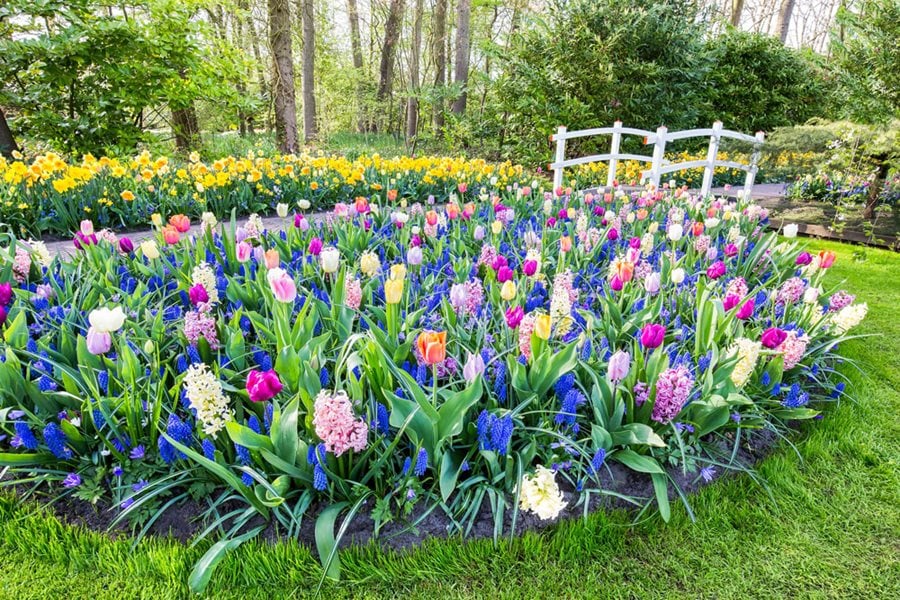
- Grape hyacinth (Muscari): Contrasting blues and purples.
- Creeping phlox: Groundcover for added texture.
- Tulips and crocuses: Extended color palette.
Companion plants can also provide shelter and support for daffodil foliage and flowers, reducing wind and weather damage.
Naturalizing Daffodils In Lawns And Meadows
Daffodils can be planted in grassy areas for a natural look. Mow only after foliage has died back to allow bulbs to recharge.
Choose varieties known for vigorous naturalization, and scatter bulbs randomly for a wild, meadow-like effect.
Fertilizing After Bloom
Apply a low-nitrogen fertilizer as foliage emerges in early spring to support bulb energy stores for next year.
A second application after flowering helps replenish nutrients and ensures robust blooms in subsequent seasons.
Protecting Bulbs From Pests
While daffodils are generally pest-resistant, keep an eye out for:
- Narcissus bulb fly
- Basal rot (Fusarium oxysporum)
Remove and destroy any infected bulbs to prevent spread. For more information, consult UC IPM Daffodil Guide.
Regular inspection and prompt action can prevent widespread issues and protect your investment.
Frequently Asked Questions
What Happens If I Plant Daffodil Bulbs Too Early In Zone 7?
Planting daffodil bulbs too early, when soil is still warm (above 65°F), can trigger premature sprouting. This exposes tender shoots to frost damage, which can reduce or eliminate blooms in spring. Early planting also increases the risk of bulb rot due to excess moisture in warm soil.
Can I Plant Daffodil Bulbs After The First Frost In Zone 7?
Yes, you can plant daffodil bulbs after the first frost as long as the ground is not frozen and soil temperatures remain above 40°F (4. 4°C). Late planting may reduce the amount of time bulbs have to establish roots, which could affect bloom vigor, but it is generally better to plant late than not at all.
How Deep Should I Plant Daffodil Bulbs In Zone 7?
Plant daffodil bulbs at a depth of about 6 inches (15 cm), measured from the base of the bulb to the soil surface. This depth protects bulbs from temperature fluctuations and frost heaving. For smaller bulbs, 3–4 inches deep may suffice.
Do I Need To Fertilize Daffodil Bulbs When Planting?
It’s beneficial to mix a balanced, slow-release bulb fertilizer into the soil at planting time. Avoid high-nitrogen fertilizers. In spring, as foliage emerges, you can apply another round of fertilizer to help replenish the bulb’s energy reserves for the next season.
Can I Leave Daffodil Bulbs In The Ground Year-round In Zone 7?
Absolutely. Daffodils are hardy perennials in Zone 7 and can remain in the ground year after year. They often naturalize and multiply, producing larger displays each spring. Just be sure to allow foliage to die back naturally before mowing or removing leaves.
With the right timing, preparation, and care, planting daffodil bulbs in Zone 7 can reward you with a vibrant, long-lasting spring spectacle. By following these expert strategies and avoiding common pitfalls, you’ll ensure your garden bursts with cheerful color as winter gives way to spring.
Happy planting!