Can Brugmansia Angel Trumpet Bonsai Be Planted Outside?
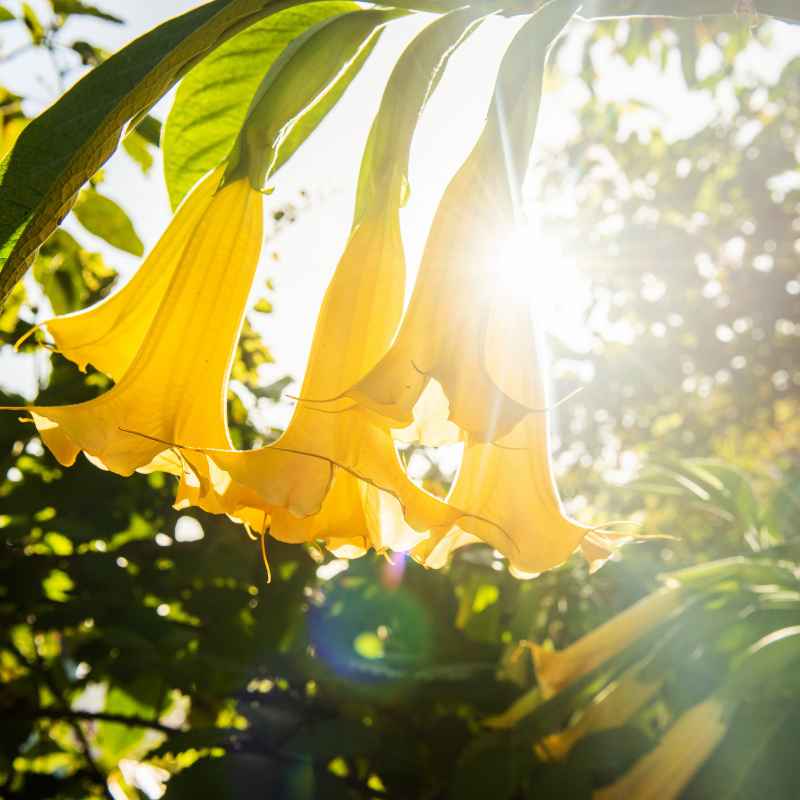
Many plant lovers dream of having a Brugmansia, or Angel Trumpet, in their home. These plants have large, trumpet-shaped flowers that smell amazing. Some people even try to grow them as bonsai.
This brings up an important question: can you plant a Brugmansia Angel Trumpet bonsai outside? It’s a common worry for many who want to enjoy this beauty in their garden.
Yes, Brugmansia Angel Trumpet bonsai can be planted outside, but with careful consideration of your climate and the plant’s specific needs. They thrive in warm, humid conditions and require protection from frost and harsh winds, making them suitable for outdoor living in specific regions or during warmer months.
Understanding Brugmansia Angel Trumpet Bonsai and Outdoor Planting
Brugmansia Angel Trumpets are tropical plants. This means they love warmth. They do not like cold weather at all.
When we talk about growing them as bonsai, it means we keep them small. We shape them like tiny trees. This can be done in pots or in the ground.
The big question is if they can live outside. It really depends on where you live. If you have cold winters with frost, putting them outside all year might not work.
But if your winters are mild, or if you only want them out in the summer, it can be a great idea.
Outdoor planting can give your Brugmansia bonsai more space. It can grow stronger roots. It can also get more sunlight and fresh air.
This can lead to more flowers. However, you need to watch out for dangers outside.

A Personal Story: My First Brugmansia Bonsai Adventure
I remember my first Brugmansia bonsai. It was a gift. I loved the huge, fragrant flowers.
I kept it in a pot on my sunny porch. As summer arrived, I wondered if it could go in the ground. I pictured it growing into a grand, miniature tree.
I checked the weather forecast. It looked warm and promising.
So, I carefully dug a small hole in a sheltered spot. I gently placed the potted bonsai into the ground. I filled in the soil around the pot.
I thought this would protect its roots. It felt like giving it a little vacation. I was so excited to see what would happen.
I watered it well. Then I waited, a little nervous but mostly hopeful.
A few weeks later, the plant looked amazing. It had grown so much. New leaves unfurled.
Tiny flower buds started to form. It was much happier than when it was just in its pot. This taught me that they can indeed enjoy life outdoors.
But it also showed me how important it is to pick the right spot.
When Brugmansia Loves the Outdoors
Ideal Conditions:
- Warm temperatures (above 60°F or 15°C).
- Plenty of sunshine (at least 6 hours a day).
- Protection from strong winds.
- Well-draining soil.
What to Consider Before Planting Outside
Your location is the most important factor. Brugmansias are native to warm parts of South America. They thrive in places like Florida or California.
In these areas, they can often stay outside all year. They can grow quite large.
If you live somewhere with cold winters, you have a few options. You can bring your bonsai inside before the first frost. You can also keep it in a large pot and move it to a protected area.
Some people even plant it in the ground for the summer and dig it up in the fall.
The size of your bonsai matters too. A very small, young plant might be more sensitive. An older, more established bonsai will be tougher.
It will handle outdoor conditions better.
We need to think about the soil. Brugmansias like rich, well-draining soil. If you plant in the ground, improve your garden soil with compost.
If you keep it in a pot, use a good potting mix. Good drainage stops the roots from rotting.
Contrast: Indoor vs. Outdoor Brugmansia Bonsai
Indoor Brugmansia Bonsai:
- Easier to control environment.
- Protected from weather extremes.
- May need supplemental light.
- Can become root-bound.
Outdoor Brugmansia Bonsai:
- Promotes stronger growth.
- More natural light and air.
- Can attract beneficial insects.
- Requires protection from frost and wind.
The Right Spot for Your Brugmansia Bonsai Outdoors
Choosing the right spot is key. Think about sunlight. Brugmansias need full sun.
This means at least six hours of direct sunlight each day. More sun usually means more flowers. However, in very hot climates, some afternoon shade can be good.
This prevents the leaves from getting scorched.
Wind is another big enemy. Strong winds can break branches. They can also damage the delicate flowers and leaves.
Find a spot that is sheltered. This could be near a wall or a fence. Or it could be among other larger plants that block the wind.
Consider the soil when planting in the ground. The soil should be loose and rich. It should also drain water well.
If your garden soil is heavy clay, mix in a lot of compost and some perlite. This helps water flow through freely.
If you are planting in a pot, make sure the pot has drainage holes. Use a good quality potting mix designed for containers. You can add some slow-release fertilizer to the soil.
This will feed your plant over time.
Drainage is so important. Roots sitting in water will rot. This will kill your plant.
Always ensure water can escape. This is true for both in-ground planting and containers.
Quick Scan: Planting Your Brugmansia Bonsai Outdoors
Step 1: Choose a sunny, sheltered location.
Step 2: Prepare the soil with compost for good drainage.
Step 3: Dig a hole slightly larger than the root ball.
Step 4: Gently remove the bonsai from its pot.
Step 5: Place it in the hole, ensuring the top of the root ball is level with the soil.
Step 6: Backfill with soil and water thoroughly.
Caring for Your Brugmansia Bonsai Outdoors
Once your Brugmansia bonsai is outside, it needs care. Watering is very important. Plants outside dry out faster.
Check the soil moisture often. Stick your finger into the soil. If it feels dry an inch or two down, it’s time to water.
Water deeply until water runs out the bottom.
Fertilizing helps. Brugmansias are heavy feeders. Use a balanced liquid fertilizer every two to four weeks during the growing season.
This is spring and summer. You can also use a slow-release granular fertilizer. This feeds the plant over a longer period.
Follow the package directions.
Pruning is part of bonsai care. It helps keep the plant small. It also shapes the tree.
Trim off any branches that grow too long or in the wrong direction. Pinch back new growth to encourage bushiness. Deadhead spent flowers.
This encourages more blooms.
Watch for pests. Aphids, spider mites, and whiteflies can bother Brugmansias. Check the leaves regularly.
If you see pests, you can spray them off with water. Or you can use insecticidal soap. Organic options are best.
Observational Flow: Brugmansia Bonsai Outdoor Care
Spring: Transition outdoors after last frost. Start fertilizing. Monitor for pests.
Summer: Water regularly. Fertilize every 2-4 weeks. Prune for shape.
Deadhead flowers.
Fall: Reduce watering and fertilizing as temperatures drop. Prepare for indoor overwintering.
Winter (Indoors): Keep in a cool, bright place. Water sparingly. Watch for pests.
When to Bring Your Brugmansia Bonsai Inside
This is a crucial step for many gardeners. Brugmansias cannot handle frost. Frost will kill them.
You need to watch the weather forecast carefully in the fall. When temperatures start to consistently drop below 50°F (10°C), it’s time to think about bringing it in.
The first frost is the deadline. Do not wait until the night before the first frost. Bring it in a week or two earlier.
This gives the plant time to adjust. It also helps you avoid a last-minute rush.
When you bring it inside, inspect it thoroughly. Check for any pests. You don’t want to bring bugs into your home.
Trim it back if needed. This makes it easier to manage indoors.
Find a good spot inside. It needs bright light. A south-facing window is ideal.
Keep it away from heat vents. Dry air from heating can be bad for it. Misting the leaves can help.
Or you can place the pot on a pebble tray filled with water.
Stacked Micro-sections: Winterizing Your Brugmansia
Temperature Alert: Bring indoors when night temps consistently dip below 50°F (10°C).
Frost Danger: Protect from the first frost at all costs.
Pest Check: Inspect carefully before bringing inside.
Indoor Light: Provide the brightest spot available, preferably a south-facing window.
Humidity Boost: Mist leaves or use a pebble tray to counter dry indoor air.
Common Problems and How to Solve Them
Sometimes things go wrong. One common issue is yellowing leaves. This can happen for many reasons.
It might be overwatering. It could be underwatering. It could also be a lack of nutrients.
Check your watering habits first. Then consider fertilizing.
If the leaves drop off completely, don’t panic. This can be a sign of shock. It might be from a sudden change in temperature.
Or it could be from moving the plant. It often grows new leaves. Just give it consistent care.
Leaf scorch is another problem. This happens when the leaves get too much sun. Especially in hot weather.
The edges of the leaves turn brown and crispy. If you see this, move the plant to a spot with a little afternoon shade. Or provide some shade with a shade cloth.
Root rot is serious. It’s caused by waterlogged soil. The roots turn mushy and dark.
The plant may wilt. The best way to avoid this is good drainage. If you suspect root rot, you may need to repot.
Trim away any rotten roots. Use fresh, well-draining soil.
Contrast Matrix: Brugmansia Leaf Issues
Scenario: Yellow Leaves
Normal Causes: Natural aging of older leaves, slight environmental change.
Concerning Causes: Overwatering, underwatering, nutrient deficiency, pest infestation.
Scenario: Brown, Crispy Leaf Edges
Normal Causes: Minor environmental stress (briefly too hot/dry).
Concerning Causes: Persistent intense sun, extreme underwatering, salt buildup from fertilizer.
The Beauty of Outdoor Brugmansia Bonsai
Growing Brugmansia Angel Trumpet bonsai outside can be very rewarding. It offers a chance to see your plant truly flourish. The larger space can help it grow stronger.
The natural light and air are excellent for it. And of course, those incredible flowers can be enjoyed by anyone who passes by.
Imagine sitting on your porch on a summer evening. You can smell the sweet perfume of the Angel Trumpet flowers. It’s a magical experience.
It connects you more deeply to your garden. It becomes a living piece of art.
Even if you can’t leave it out all year, enjoying it outdoors for the summer is wonderful. It’s a way to give your bonsai a seasonal change. It breaks up the routine.
It allows the plant to experience different conditions.
Remember that bonsai is about patience and observation. Your Brugmansia bonsai will tell you what it needs. Pay attention to its leaves, its growth, and its overall health.
Learn its signals. With a little care and the right conditions, your Angel Trumpet bonsai can thrive outside.

Frequently Asked Questions About Brugmansia Bonsai Outdoors
Can I leave my Brugmansia bonsai outside all year?
Only if you live in a climate where temperatures rarely, if ever, drop below freezing. Brugmansias are tropical plants and cannot tolerate frost. In most parts of the U.S., you will need to bring them indoors for the winter.
What kind of soil is best for outdoor Brugmansia bonsai?
Brugmansias need rich, well-draining soil. Mix compost, perlite, and a good potting mix for containers. If planting in the ground, amend your native soil heavily with organic matter to ensure good drainage and fertility.
How much sun does a Brugmansia bonsai need outdoors?
They need full sun, meaning at least 6 hours of direct sunlight per day. More sun usually leads to more flowers. In very hot climates, some afternoon shade can prevent leaf scorch.
Can Brugmansia bonsai be planted directly in the ground, not just in pots?
Yes, they can be planted directly in the ground. This allows their roots to spread more freely. However, if you live in a cold climate, you will need to dig them up in the fall to bring them indoors for winter.
What are the signs that my Brugmansia bonsai is stressed outdoors?
Look for wilting even when the soil is moist, yellowing leaves, leaf drop, brown crispy edges on leaves, or signs of pest infestation. These can indicate issues with watering, light, temperature, or pests.
When is the best time to move my Brugmansia bonsai outdoors?
The best time is after all danger of frost has passed in your area. Ensure nighttime temperatures are consistently above 50°F (10°C) for at least a week before moving it out.
Wrapping Up: Enjoying Your Outdoor Brugmansia
So, to answer the big question: yes, your Brugmansia Angel Trumpet bonsai can absolutely be planted outside! It can be a wonderful experience. It allows your plant to grow and bloom with more vigor.
Just remember to think about your local weather. Choose the right spot. Provide good care.
And be ready to bring it inside when the cold weather threatens.
Watching your bonsai enjoy the open air and sunshine is a special joy. It’s a part of the journey of plant care. It connects you to nature.
And it brings that amazing fragrance to your outdoor space. Enjoy every bloom!