Where to Buy a Bonsai Tree in the Flathead Valley
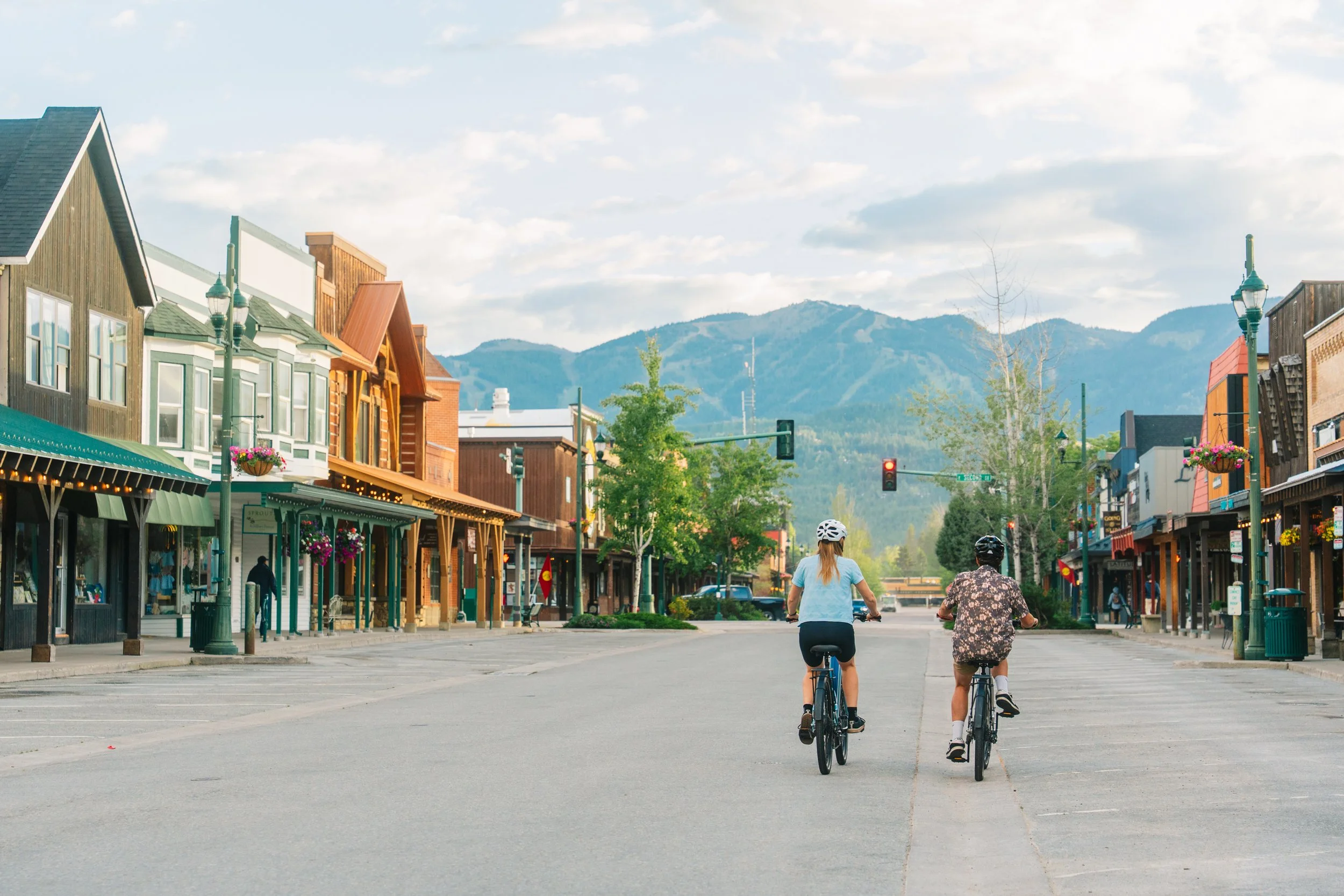
Nestled between the sparkling waters of Flathead Lake and the majestic peaks of Glacier National Park, the Flathead Valley of northwest Montana is a haven for nature lovers, artists, and plant enthusiasts alike. Among the region’s many horticultural passions, bonsai trees stand out for their blend of artistry and patience, offering a unique way to bring the serenity of nature into homes and businesses. Whether you’re a seasoned bonsai collector or just beginning your miniature tree journey, finding the right place to buy a bonsai in the Flathead Valley is essential for starting off on the right foot.
The allure of bonsai goes beyond simple plant ownership. Each carefully sculpted tree is a living sculpture, embodying years of care and a deep connection to the rhythms of nature. In the Flathead Valley, with its rich agricultural traditions and appreciation for fine craftsmanship, the search for the perfect bonsai tree can be both a rewarding adventure and a challenge.
From specialized nurseries and local garden centers to artisan markets and online vendors, a range of options awaits those eager to bring these living works of art into their lives. Let’s explore the best places, expert tips, and practical advice for buying bonsai in this stunning corner of Montana.
Key Takeaways
- Flathead Valley offers a variety of options for purchasing bonsai trees, from specialized nurseries to reputable online retailers.
- Local nurseries and garden centers provide expert guidance and the opportunity to inspect trees in person.
- Artisan markets and community events often feature unique, handcrafted bonsai unavailable elsewhere.
- Online bonsai retailers expand your options, offering rare species and convenient delivery to the Flathead Valley.
- Comparing sellers on factors like species variety, quality, price, and aftercare support is crucial for a successful purchase.
- Caring for bonsai in Montana’s unique climate requires knowledge, which local experts and community resources can provide.
The Bonsai Landscape In Flathead Valley
Local Appreciation For Bonsai Art
The Flathead Valley is renowned for its vibrant gardening community and deep respect for the natural world. Bonsai, with its roots in ancient Asian horticulture, resonates with locals who value patience, artistry, and the beauty of nature in miniature. Interest in bonsai has grown steadily in the region, driven by:
- The rise of sustainable and mindful living practices.
- Increased demand for unique indoor and outdoor décor.
- A thriving arts and crafts scene that values hand-crafted goods.
Local garden clubs, such as the Flathead Valley Garden Club, have begun to incorporate bonsai into their annual shows and workshops, reflecting the plant’s growing popularity. The valley’s climate—characterized by cold winters, dry summers, and significant temperature swings—poses unique challenges for bonsai cultivation, making expert local guidance particularly valuable.
Popular Bonsai Species In Montana
Montana’s distinct seasons and cool climate mean that certain bonsai species thrive better than others. The most popular choices in the Flathead Valley include:
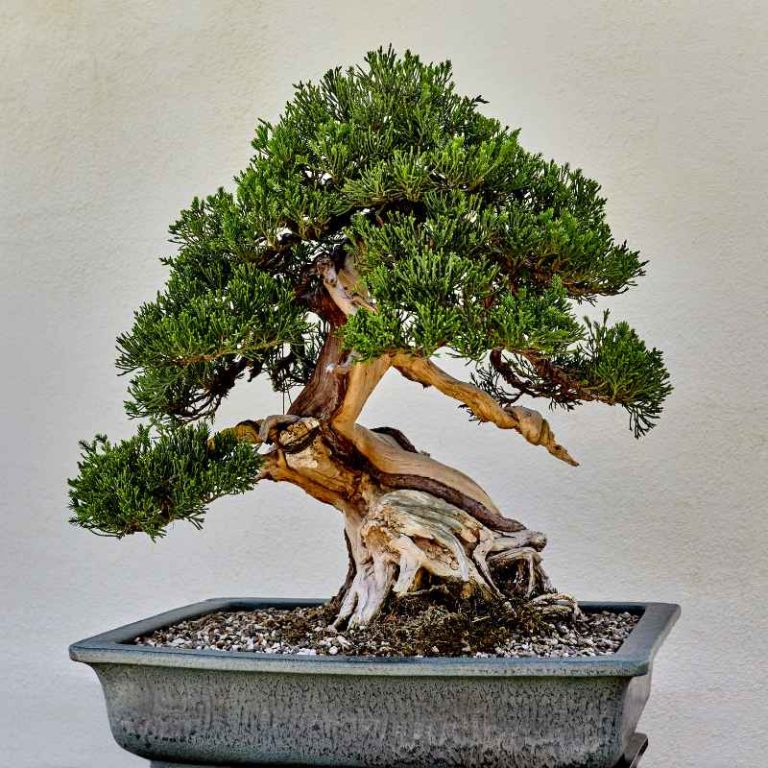
- Juniper (Juniperus spp. ): Hardy and easy to shape; tolerates dry conditions.
- Pine (Pinus spp. ): Native varieties adapt well to local weather.
- Maple (Acer spp. ): Vibrant fall colors; requires protection from harsh winters.
- Spruce (Picea spp. ): Suited to cold climates; classic bonsai appearance.
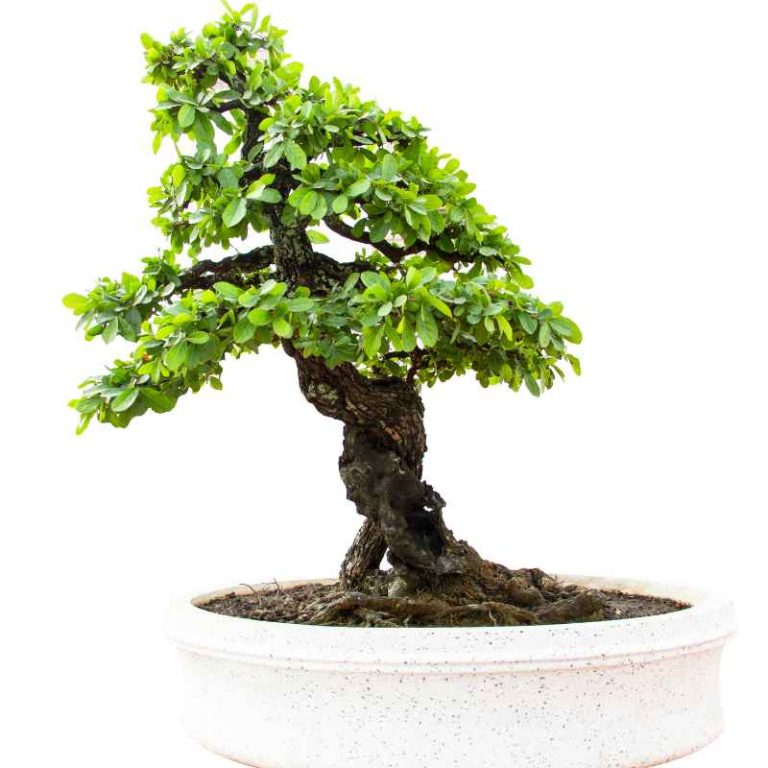
- Boxwood (Buxus spp. ): Compact growth; ideal for beginners.
These species can be found at both specialty nurseries and general garden centers throughout the valley. Understanding which trees are best suited for your environment ensures long-term health and beauty.
The Value Of Buying Locally
Purchasing a bonsai tree from a local Flathead Valley seller offers several distinct advantages:
- Climate-adapted stock: Local nurseries grow trees acclimated to Montana’s weather, increasing survival and vigor.
- Personalized advice: Staff can provide tailored guidance on care, repotting, and troubleshooting.
- Community connection: Supporting local businesses strengthens the valley’s horticultural community and fosters long-term relationships.
While online options offer convenience and variety, buying locally provides a hands-on experience and immediate access to expert support.

Top Local Nurseries And Garden Centers
1. Glacier Nursery
Glacier Nursery in Kalispell is a regional leader in ornamental plants, offering a curated selection of bonsai trees along with a wide array of landscaping plants. Known for its knowledgeable staff and high-quality stock, Glacier Nursery is a go-to destination for both beginners and experienced bonsai enthusiasts.
- Address: 4343 MT Hwy 35, Kalispell, MT 59901
- Bonsai Selection: Juniper, Pine, Maple, and Spruce varieties; pre-bonsai starter trees and finished specimens.
- Additional Services: Workshops, potting materials, pest management supplies.
Customer Example:
Rachel, a Whitefish resident, purchased her first juniper bonsai from Glacier Nursery. The staff guided her through selection, demonstrated wiring techniques, and provided a care guide tailored to her home’s lighting conditions. After six months, her bonsai thrived, and she returned for advanced workshops.
2. Plant Land Garden Center
Plant Land is a Kalispell mainstay, renowned for its extensive selection of indoor and outdoor plants, including bonsai. The center’s greenhouse environment allows for year-round stock, with staff often propagating unique species on-site.
- Address: 1008 US Hwy 2 E, Kalispell, MT 59901
- Bonsai Offerings: Traditional species and occasional rare finds; a focus on beginner-friendly trees.
- Extras: Pottery, soils, tools, and seasonal bonsai care classes.
Case Study:
A local landscape designer, Mike, sourced several mature pine bonsai from Plant Land for a high-end lakeshore property. The team provided aftercare recommendations, ensuring the trees acclimated well to their new outdoor setting.
3. Swan River Gardens
Located in Bigfork, Swan River Gardens is a boutique nursery specializing in ornamental shrubs, perennials, and select bonsai. With a reputation for personalized service, they cater to hobbyists seeking unique specimens.
- Address: 130 Swan River Rd, Bigfork, MT 59911
- Special Features: Handpicked bonsai; custom order options.
- Community Involvement: Hosts bonsai appreciation events and hands-on workshops.
Data Point:
According to Swan River Gardens’ owner, bonsai sales have grown 25% year-over-year, reflecting increased regional interest.
4. Whitefish Garden Center
Serving the northern Flathead Valley, Whitefish Garden Center offers a rotating selection of bonsai trees, with a focus on cold-hardy varieties. Their partnership with local artists means you’ll find unique bonsai pots and stands as well.
- Address: 237 Baker Ave, Whitefish, MT 59937
- Product Range: Spruce, Juniper, Boxwood, and occasional tropical bonsai.
- Extras: Local pottery, decorative stones, and educational pamphlets.
5. Specialty Bonsai Growers
While not as common as general nurseries, a few private bonsai growers operate in the Flathead Valley and surrounding areas. These artisans often sell directly at local farmers markets or by appointment.
- Advantages: Access to rare or artistically styled specimens.
- Considerations: Limited stock; higher prices reflecting labor and artistry.
Comparison Table: Local Bonsai Retailers
| Nursery | Location | Species Variety | Price Range | Aftercare Support |
|---|---|---|---|---|
| Glacier Nursery | Kalispell | Juniper, Pine, Maple, Spruce | $35-$350 | High (workshops, guides) |
| Plant Land | Kalispell | Juniper, Pine, Boxwood | $25-$200 | Moderate (classes, advice) |
| Swan River Gardens | Bigfork | Handpicked varieties | $40-$400 | High (events, custom care) |
| Whitefish Garden Center | Whitefish | Spruce, Juniper, Boxwood | $30-$250 | Moderate (pamphlets, local artists) |
| Private Growers | Varies | Rare, artistic styles | $50-$600 | Variable (by arrangement) |
Exploring Artisan Markets And Community Events
Farmers Markets And Craft Fairs
The Flathead Valley’s thriving farmers markets and craft fairs are excellent venues for discovering bonsai trees with a local touch. Vendors often include hobbyist growers and artists who offer:
- Hand-crafted bonsai pots and stands.
- Unique tree varieties not found in retail nurseries.
- Direct insight into the tree’s care history and artistic vision.
Popular markets include the Kalispell Farmers Market and the Whitefish Downtown Farmers Market. Attending these markets allows buyers to interact directly with growers, ask questions, and learn about the tree’s origin and style.
Community Demonstrations And Bonsai Clubs
Events hosted by local garden clubs or at venues like the Montana State University Extension Office provide opportunities to:
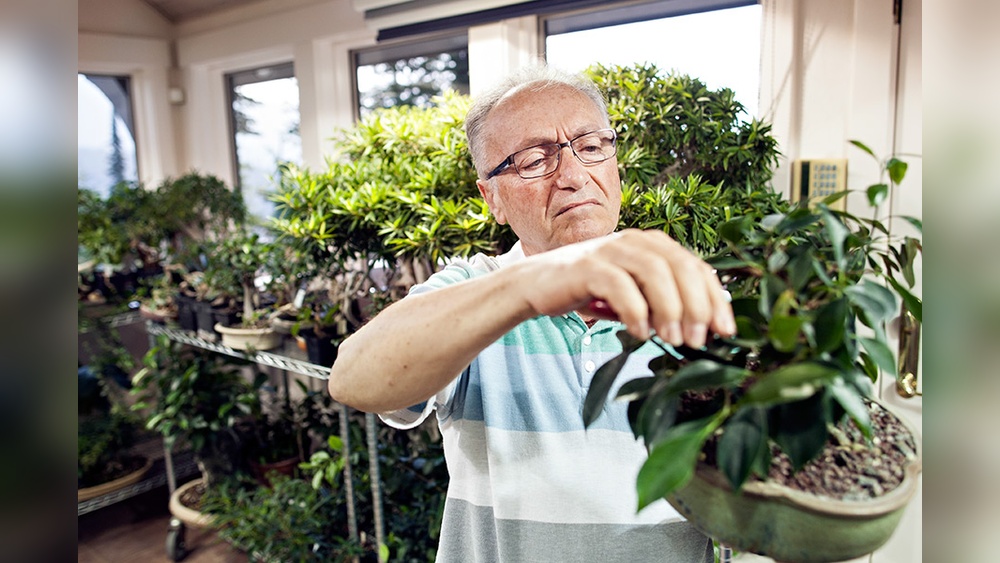
- Watch live bonsai styling and repotting demonstrations.
- Participate in beginner workshops.
- Connect with other enthusiasts for advice and plant swaps.
Such events are ideal for learning the art of bonsai and networking with experienced hobbyists who may have trees for sale or trade.
Case Example: Bigfork Art & Garden Festival
At the annual Bigfork Art & Garden Festival, local artisan bonsai growers showcased a range of specimen trees, from windswept junipers to elegantly styled maples. Attendees like Sarah, a Columbia Falls resident, purchased her first bonsai after learning about its care requirements at a live demonstration. The hands-on experience and community connection made her purchase especially meaningful.

Online Bonsai Purchasing: Expanding Your Options
National Bonsai Retailers Shipping To Montana
For those seeking rare species or greater variety, online bonsai retailers are a valuable resource. Leading e-commerce sites offer extensive inventories, professional packaging, and care guarantees. Notable options include:
- Bonsai Boy of New York (Bonsai Boy): Wide selection, including starter kits and specimen trees.
- Eastern Leaf (Eastern Leaf): High-quality trees and tools, plus educational content.
- Brussel’s Bonsai (Brussel’s Bonsai): Large nursery, frequent sales, beginner-friendly options.
These retailers typically ship to Montana, often with live plant arrival guarantees.
Local Online Marketplaces
Platforms like Facebook Marketplace and Craigslist Kalispell feature listings from local individuals selling bonsai trees, pots, and tools. While the selection is unpredictable, buyers can sometimes find excellent deals and rare specimens.
- Tips for Safe Online Buying:
- Meet in public places for transactions.
- Inspect trees for pests, disease, and root health before purchase.
- Ask about the tree’s history, age, and care requirements.
Benefits And Drawbacks Of Online Bonsai Shopping
Benefits:
- Access to rare or exotic species.
- Greater variety of sizes, ages, and styles.
- Convenient home delivery.
Drawbacks:
- Inability to inspect trees in person before purchase.
- Risk of damage during shipping.
- Potential for acclimation shock if the tree is not adapted to local climate.
Comparison Table: Local Vs. Online Bonsai Buying
| Buying Option | Selection Variety | Inspection Before Purchase | Aftercare Support | Shipping Risk |
|---|---|---|---|---|
| Local Nursery | Moderate | Yes | High | None |
| Artisan Market | Unique/Varied | Yes | Medium | None |
| Online Retailer | Extensive | No | Low/Medium | Moderate |
| Online Marketplace | Unpredictable | Yes | Low | Low |
Real-world Example: Online Purchase Success
Linda, a Flathead Valley resident, ordered a Japanese maple bonsai from Brussel’s Bonsai. The tree arrived healthy, packaged with care instructions and a certificate of authenticity. After acclimating the tree indoors and following the provided guidelines, she successfully transitioned it to a sheltered outdoor patio for the summer.
What To Look For When Buying A Bonsai
Assessing Tree Health And Quality
When selecting a bonsai, both aesthetic and biological factors matter. Use this checklist to ensure you’re buying a healthy, high-quality tree:
- Foliage: Look for vibrant, evenly colored leaves or needles; avoid yellowing, browning, or wilting.
- Trunk and Branch Structure: The trunk should be sturdy with gradual taper; branches should be well-distributed and free of breakage.
- Root Health: Check for roots that are firm, white, and not pot-bound or circling excessively.
- Pest and Disease Signs: Inspect for insects, webbing, black spots, or powdery mildew.
- Wiring and Styling: Ensure wiring is not cutting into the bark and that styling matches your aesthetic preferences.
Age, Style, And Species Considerations
- Age: Older bonsai are often more expensive but showcase more character and mature features.
- Style: Common styles include formal upright, informal upright, cascade, and windswept; choose one that fits your space and taste.
- Species: Match your choice to your environment and willingness to provide necessary care.
Questions To Ask The Seller
- What is the tree’s age and origin?
- Has it been grown locally or imported?
- What care regimen has it followed (watering, fertilization, pruning)?
- Does it need immediate repotting or special aftercare?
- What pests or diseases has it encountered, if any?
Data Insight: Bonsai Pricing In Flathead Valley
According to a 2026 survey of regional sellers, entry-level bonsai trees (under 5 years old) typically range from $25 to $80, while mature specimen trees (10+ years old) can command prices of $200 to $600+ depending on species, size, and styling.
Caring For Your Bonsai In Montana’s Climate
Adapting Bonsai To Local Weather
Montana’s cold winters and hot, dry summers require thoughtful bonsai care. Key strategies include:
- Winter Protection: Move trees indoors or into an unheated garage during hard freezes. Use mulch to insulate roots for outdoor bonsai.
- Summer Watering: Monitor soil moisture closely, as dry winds and high temperatures can dehydrate trees quickly.
- Humidity Control: Use humidity trays indoors to compensate for dry air.
Common Challenges And Solutions
- Frost Damage: Avoid leaving non-native species outdoors after early October; use frost cloth or bring inside as needed.
- Pest Infestation: Regularly inspect leaves and branches for aphids, spider mites, or scale. Treat promptly with appropriate organic or chemical controls.
- Sunburn: Shield sensitive species from harsh afternoon sun with shade cloth or strategic placement.
Local Support Resources
- Montana State University Extension (MSU Extension Flathead): Offers gardening advice and periodic bonsai care workshops.
- Flathead Valley Garden Club: Networking, plant swaps, and guest speakers.
- Local nurseries and garden centers: Ongoing care support and troubleshooting.
Example: Overwintering A Bonsai
John, a Kalispell bonsai hobbyist, lost two maples to winter freeze his first year. After attending a local nursery’s winterization workshop, he began moving his trees to a sheltered, unheated porch each November. Since then, all his bonsai have survived the cold unscathed.
How To Spot A Reputable Bonsai Seller
Key Attributes Of Trustworthy Vendors
- Transparent care history: Sellers should readily share how the tree has been grown, styled, and maintained.
- Healthy, acclimated stock: Trees should be robust, well-rooted, and free of visible disease or pests.
- Knowledgeable staff: Ability to answer specific questions about species, care, and troubleshooting.
- Clear return or guarantee policies: Especially important for online purchases.
Red Flags To Avoid
- Trees sold as “bonsai” but actually young, unstyled nursery stock.
- Visible signs of neglect: Dry soil, broken branches, unhealthy foliage.
- Sellers unwilling to allow inspection or answer questions.
- Prices that seem “too good to be true” for mature or rare specimens.
Real-world Example: Avoiding A Poor Purchase
A buyer at a Flathead Valley flea market found what appeared to be a mature bonsai at a suspiciously low price. Upon closer inspection, the tree showed wire scars, root rot, and aphid infestation. After consulting with a nursery expert, the buyer avoided the purchase and instead found a healthy alternative at a local garden center.
Checklist: Evaluating A Bonsai Seller
- Is the seller knowledgeable about bonsai care?
- Are care instructions provided with each tree?
- Can you inspect the tree in person or view detailed photos online?
- Does the seller offer aftercare support or guarantees?
- Are customer reviews or testimonials available?
Bonsai Community And Educational Opportunities In The Flathead Valley
Local Bonsai Clubs And Workshops
While the Flathead Valley does not yet have a standalone bonsai club, local gardening groups and nurseries frequently host bonsai-focused events. These gatherings provide:
- Hands-on styling and repotting tutorials.
- Opportunities to swap trees and tools.
- Guest speakers with expertise in bonsai art.
Educational Resources And Support
- Montana State University Extension: Regularly publishes articles and hosts webinars on plant care, including bonsai-specific topics.
- Online forums and groups: Sites like the American Bonsai Society (ABS Bonsai) provide access to national expertise and a supportive community.
- YouTube bonsai channels: Educational content from leading artists, such as Bonsai Empire (Bonsai Empire), is invaluable for visual learners.
Benefits Of Joining A Community
- Personalized feedback and troubleshooting.
- Access to rare or locally propagated bonsai.
- Motivation and inspiration from shared success stories.
Example: Community Workshop Success
At a spring workshop hosted by Swan River Gardens, participants learned repotting techniques from a visiting bonsai artist. Many attendees reported that their trees flourished after applying the new skills, and a few formed a regular study group to continue sharing tips and trees.
Frequently Asked Questions
How Do I Choose The Right Bonsai Species For The Flathead Valley Climate?
Selecting a bonsai species suited to Montana’s climate is crucial. Opt for cold-hardy varieties like juniper, pine, spruce, or boxwood. These species can withstand temperature swings and are less likely to suffer winter damage. Tropical species may require indoor overwintering.
What Should I Look For To Ensure I’m Buying A Healthy Bonsai?
Inspect foliage for vibrancy, check that the trunk is strong and well-tapered, and verify that roots are not overly pot-bound. Avoid trees with pest infestations, blackened branches, or excessive leaf drop. Ask the seller about the tree’s care history and any recent health issues.
Can I Grow Bonsai Trees Outdoors In The Flathead Valley Year-round?
Many hardy species can be grown outdoors for most of the year, but winter protection is necessary. Move trees into an unheated garage, shed, or use mulch and windbreaks to protect roots during freezes. Tropical and subtropical species must be brought indoors during cold months.
Where Can I Learn More About Bonsai Care Locally?
Local nurseries such as Glacier Nursery and Plant Land offer workshops and advice. The Montana State University Extension provides articles and community events. Joining local gardening clubs or attending farmers markets can connect you with other bonsai enthusiasts and resources.
Is It Safe To Buy Bonsai Trees Online And Have Them Shipped To Montana?
Yes,