How To Plant And Care For Japanese Maples Like A Pro
Japanese maples are truly special trees. They bring amazing color and graceful shapes to any yard. But sometimes, getting them to thrive can feel like a puzzle.

As an Amazon Associate I earn from qualifying purchases.
You might have tried planting one, only to see it droop or lose its vibrant leaves. It’s easy to feel a bit frustrated when something so beautiful doesn’t perform as you hoped. This guide is here to help.
We’ll walk through every step, from picking the right spot to keeping your maple happy all year long. You’ll learn simple, clear ways to make your Japanese maple the star of your garden.
Japanese maples require specific care to flourish, focusing on soil drainage, partial shade, consistent moisture, and protection from harsh elements. Proper planting and regular, but gentle, maintenance are key to their long-term health and stunning seasonal display.
Understanding Japanese Maple Basics
Japanese maples (Acer palmatum) are not just any tree. They come in many forms. Some have deeply cut leaves, like lace.
Others have broad, lobed leaves. Their colors range from bright green to deep red, and even variegated patterns. Most varieties stay small.
This makes them perfect for smaller gardens or even large containers. They are not native to Japan only; they also grow naturally in Korea and China.
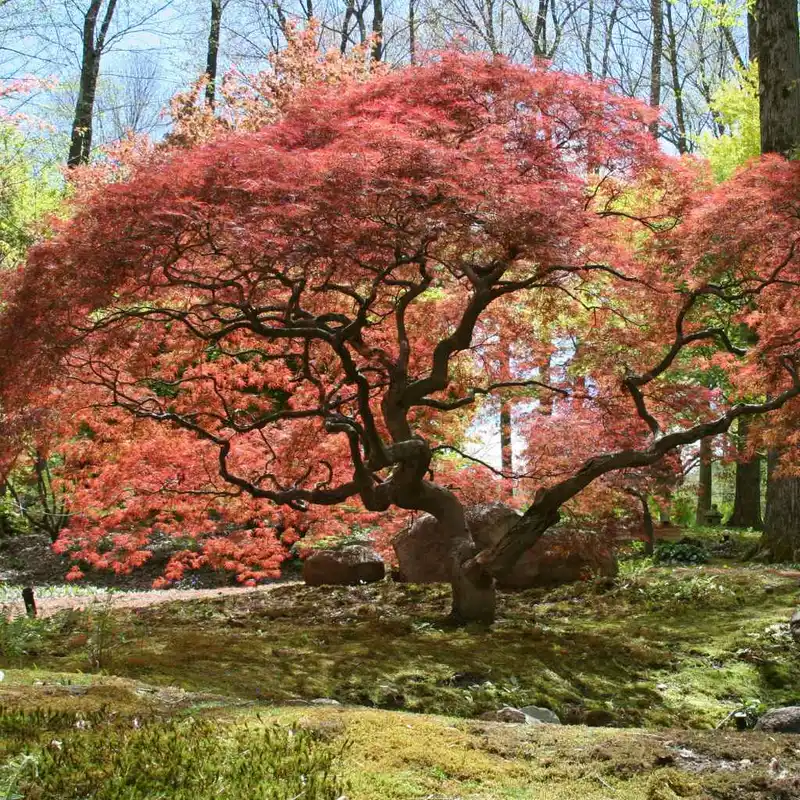
What makes them unique is their delicate look. They often have interesting bark too. The weeping varieties look like green or red waterfalls.
The upright ones have an elegant vase shape. They really stand out in the landscape. But this delicate appearance means they need a little extra attention.
They don’t like extreme conditions. Think of them as sensitive artists. They need the right light, the right soil, and protection from too much sun or wind.
Understanding their natural habitat is helpful. In the wild, many Japanese maples grow on forest floors. They get dappled shade from taller trees.
They are often found on hillsides where water drains away easily. This tells us a lot about what they need in our yards. They don’t like soggy roots.
And they often prefer the gentle light found under larger trees.
Choosing the Perfect Spot
Picking the right place to plant your Japanese maple is super important. It’s probably the most crucial step. Most Japanese maples love a spot that gets morning sun.
But they need shade during the hottest part of the afternoon. This is especially true for red-leaved varieties. Too much direct sun can scorch their delicate leaves.
This leaves brown, crispy edges.
Consider the wind. Strong winds can damage their branches and dry out their leaves. Look for a spot that offers some shelter.
This could be near a building, a fence, or even another larger, sturdier tree. Think about how the sun moves throughout the day. Watch your yard for a full day.
See where the shadows fall. You want a place that gets bright light but avoids the harsh midday sun. This dappled light mimics their forest home.
The soil matters a lot too. Japanese maples need well-draining soil. If water sits around the roots, the tree can rot.
It hates wet feet. If your soil is heavy clay, you’ll need to amend it. Adding compost and sand can help improve drainage.
You want soil that feels rich but also allows water to pass through easily. Avoid low spots where water collects after rain.
Ideal Growing Conditions Summary
Morning Sun, Afternoon Shade: Protects leaves from scorching.
Sheltered Location: Guards against strong winds.
Well-Draining Soil: Prevents root rot. Add compost if needed.
Slightly Acidic pH: Most maples prefer a pH between 5.5 and 6.5.
Consistent Moisture: Keep soil damp but not waterlogged.
Planting Your Japanese Maple
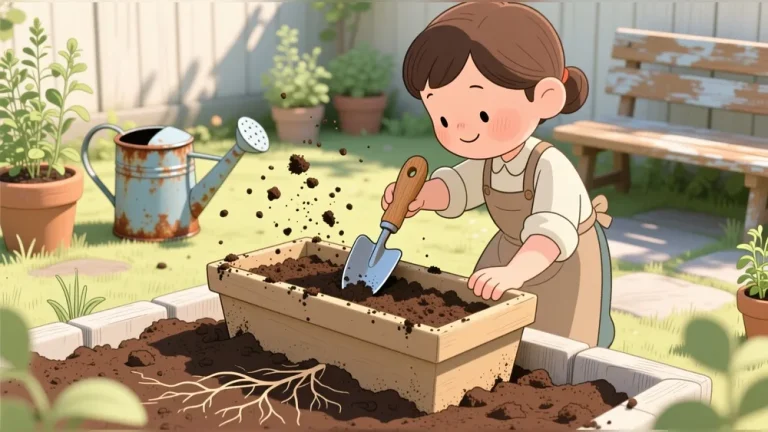
When you get your Japanese maple home, don’t leave it in the pot for too long. It’s best to plant it within a day or two. First, gently remove the tree from its container.
Be careful not to pull on the trunk. You might need to tip the pot and slide the tree out. If the roots are tightly circled, you can gently loosen them with your fingers.
This helps them grow outwards into the new soil.
Dig a hole that is twice as wide as the root ball. The depth should be the same as the root ball. You want the top of the root ball to be level with the ground.
Don’t plant it too deep. Planting too deep is a common mistake. It can lead to root problems.
Once the tree is in the hole, start filling it back in with the original soil. You can mix in some compost if your soil needs it.
Gently firm the soil around the base of the tree. This removes air pockets. Don’t stomp on it hard.
You don’t want to compact the soil too much. Water the tree deeply right after planting. This helps settle the soil.
It also gives the roots a good drink. Make sure water soaks in well. After watering, add a layer of mulch.
Keep the mulch a few inches away from the trunk itself.
Mulch is great for keeping the soil moist. It also helps regulate soil temperature. It keeps roots cooler in summer and warmer in winter.
Use organic mulch like wood chips or shredded bark. A layer about 2-3 inches thick is usually enough. Never pile mulch against the trunk.
This can encourage rot and pests.
Planting Steps at a Glance
Prepare: Remove tree from pot, loosen circling roots.
Dig: Hole twice as wide, same depth as root ball.
Place: Root ball top level with ground.
Backfill: Use native soil, mix compost if needed.
Firm: Gently pack soil to remove air pockets.
Water: Water deeply to settle soil.
Mulch: Add 2-3 inches, keeping away from trunk.
Watering Needs
Watering is another area where many people get confused. Japanese maples prefer consistent moisture. They don’t like to dry out completely.
But they also hate sitting in soggy soil. This balance is key. When you first plant your tree, water it well.
Keep it consistently moist for the first year. This helps it establish a strong root system.
How often should you water? It depends on the weather. In hot, dry periods, you might need to water every few days.
Check the soil. Stick your finger about two inches deep. If it feels dry, it’s time to water.
If it feels moist, you can wait. In cooler, more humid weather, you’ll need to water less often. Overwatering can be just as bad as underwatering.
When you water, water deeply. This encourages roots to grow down into the soil. A light sprinkle on the surface won’t do much good.
Use a hose with a gentle flow or a watering can. Let the water soak in. You want to moisten the entire root zone.
A good soak might take 10-15 minutes.
Yellowing leaves can sometimes be a sign of too much or too little water. If the leaves look wilted and dry, it’s likely underwatering. If the leaves are yellow and the soil is constantly wet, it might be overwatering.
It’s a bit of an art. Learning to read your tree and its soil is the best way to get it right. Watering in the morning is usually best.
This allows the leaves to dry before nightfall.
Sunlight and Shade
We touched on this a bit, but let’s dive deeper into sunlight. Japanese maples are not desert plants. They don’t want to bake in the full sun all day long.
Most varieties do best with morning sun and afternoon shade. This is often called “dappled shade” or “filtered light.” Think of the light you get under a large oak tree on a sunny day.
Some very hardy varieties, especially green-leafed ones, can tolerate more sun. But even they can get leaf scorch during intense heat waves. Red-leafed varieties are especially sensitive.
Their dark pigments offer some protection, but they can still burn. The finer, lace-leafed types are usually more delicate and need even more protection.
What does “afternoon shade” really mean? It means the tree should not be in direct, harsh sunlight from roughly noon to 4 PM. If you live in a cooler climate, your maple might be able to handle more sun.
But in warmer regions, afternoon shade is essential. If you’re unsure, err on the side of more shade, especially when the tree is young.
Observe your tree throughout the seasons. In spring, the sun is less intense. Your maple might seem fine with more sun then.
But as summer heats up, you might notice leaf edges browning. This is a clear sign it needs more shade. You can sometimes provide temporary shade with a shade cloth during the hottest months.
This is a good way to test if more shade helps without making permanent changes.
Sunlight Guide by Leaf Color
Red/Purple Leaves: Need ample protection. Best with morning sun, deep afternoon shade.
Green Leaves: More tolerant, but still appreciate afternoon shade in hot climates.
Variegated Leaves: Often sensitive. Prefer filtered light to prevent scorching.
Lace-leaf Varieties: Generally more delicate. Require consistent dappled light.
Pruning Your Japanese Maple
Pruning Japanese maples is more about shaping and tidying than drastic cutting. The goal is to enhance their natural form. Over-pruning can hurt the tree and ruin its graceful look.
It’s best to prune sparingly. Think of it as styling rather than hard work.
The best time to prune is usually in late winter or early spring. This is when the tree is dormant. You can see the structure of the branches clearly.
Avoid pruning in late spring or summer when the sap is running heavily. This can cause excessive bleeding. It can also weaken the tree.
When you prune, use clean, sharp tools. Small branches can be cut with hand pruners. For larger branches, use loppers.
For very thick branches, a pruning saw is needed. Make clean cuts just outside the branch collar. This is the slightly swollen area where the branch meets the trunk or a larger branch.
What should you look for when pruning? Remove any dead, damaged, or diseased branches. These are easy to spot.
Also, remove any branches that cross or rub against each other. This prevents wounds. You might want to thin out some of the interior branches.
This improves air circulation. It also lets a little more light into the center of the tree.
If you have a weeping variety, you might want to trim branches that are growing straight down too much. Or trim branches that are dragging on the ground. For upright varieties, you might want to remove branches that grow inward.
Aim for an open, airy shape. Don’t try to force the tree into a shape it doesn’t naturally want. Embrace its unique form.
Fertilizing
Japanese maples are not heavy feeders. In fact, too much fertilizer can harm them. It can cause them to grow too fast.
This leads to weaker wood. It can also burn their sensitive roots. Most of the time, they do fine with the nutrients already in the soil.
Especially if you amend the soil with compost when planting.
If your tree looks pale or is not growing well, you might consider fertilizing. The best time to fertilize is in early spring. This is when the tree is starting its new growth.
Use a balanced, slow-release fertilizer. Look for something with a low nitrogen content. Something like a 5-10-10 or 10-10-10 might be okay, but lower nitrogen is often better.
Apply the fertilizer around the drip line of the tree. This is the area under the outer edge of the branches. Don’t apply it directly against the trunk.
Follow the instructions on the fertilizer package carefully. It’s better to under-fertilize than over-fertilize. A light feeding once a year in spring is usually enough, if needed at all.
Sometimes, pale leaves can be a sign of a nutrient deficiency. But it can also be a sign of watering problems or too much sun. Always check those things first before reaching for fertilizer.
If the soil pH is too high, the tree might not be able to absorb nutrients properly, even if they are present. A soil test can tell you your pH.
Fertilizing Do’s and Don’ts
DO: Fertilize in early spring, if needed.
DO: Use a balanced, slow-release fertilizer with low nitrogen.
DO: Apply around the drip line, not near the trunk.
DON’T: Fertilize in late summer or fall.
DON’T: Over-fertilize; it can damage the tree.
DON’T: Forget to check watering and sun exposure first.
Common Pests and Diseases
Japanese maples are generally quite resistant to pests and diseases. However, they can sometimes encounter problems. The most common issues are usually related to improper care.
Things like poor drainage, too much or too little water, and extreme sun or wind exposure can weaken the tree. A weakened tree is more susceptible to problems.
One common issue is aphids. These tiny insects suck sap from the leaves and new growth. You might see them as small green or black bugs.
They can cause leaves to curl and turn yellow. Often, a strong spray of water can wash them off. Insecticidal soap is also effective.
Ladybugs are natural predators and can help.
Scale insects are another possibility. They look like small bumps on the branches or leaves. They also feed on sap.
Larger infestations can weaken the tree. Horticultural oil or insecticidal soap can help control them. Again, good air circulation and overall tree health are the best defense.
Verticillium wilt is a more serious disease. It’s a fungal disease that affects the tree’s vascular system. It can cause wilting and dieback of branches.
Unfortunately, there is no cure for verticillium wilt. The best prevention is to choose resistant varieties and maintain tree health. If a tree gets it, sometimes pruning out infected branches can help.
But often, affected trees decline.
Root rot is a major concern, but it’s almost always caused by poor drainage. If the soil stays waterlogged, the roots can’t breathe. They start to decay.
Symptoms include wilting leaves, yellowing, and general decline. The best way to prevent this is to ensure good drainage when planting. And avoid overwatering.
Seasonal Care for Japanese Maples
Japanese maples offer beauty throughout the year. Each season brings different needs and rewards.
Spring: This is when your maple wakes up. New leaves emerge, often in vibrant colors. This is the best time for any light pruning.
It’s also the time to fertilize, if you choose to. Watch for early signs of pests like aphids. Ensure the soil is consistently moist as temperatures rise.
Summer: Summer can be tough for Japanese maples. Intense heat and direct sun can cause leaf scorch. Make sure your tree has adequate afternoon shade.
Continue to check soil moisture. Water deeply during dry spells. Avoid any heavy pruning.
If you see any pests, address them promptly. Enjoy the full, lush foliage.
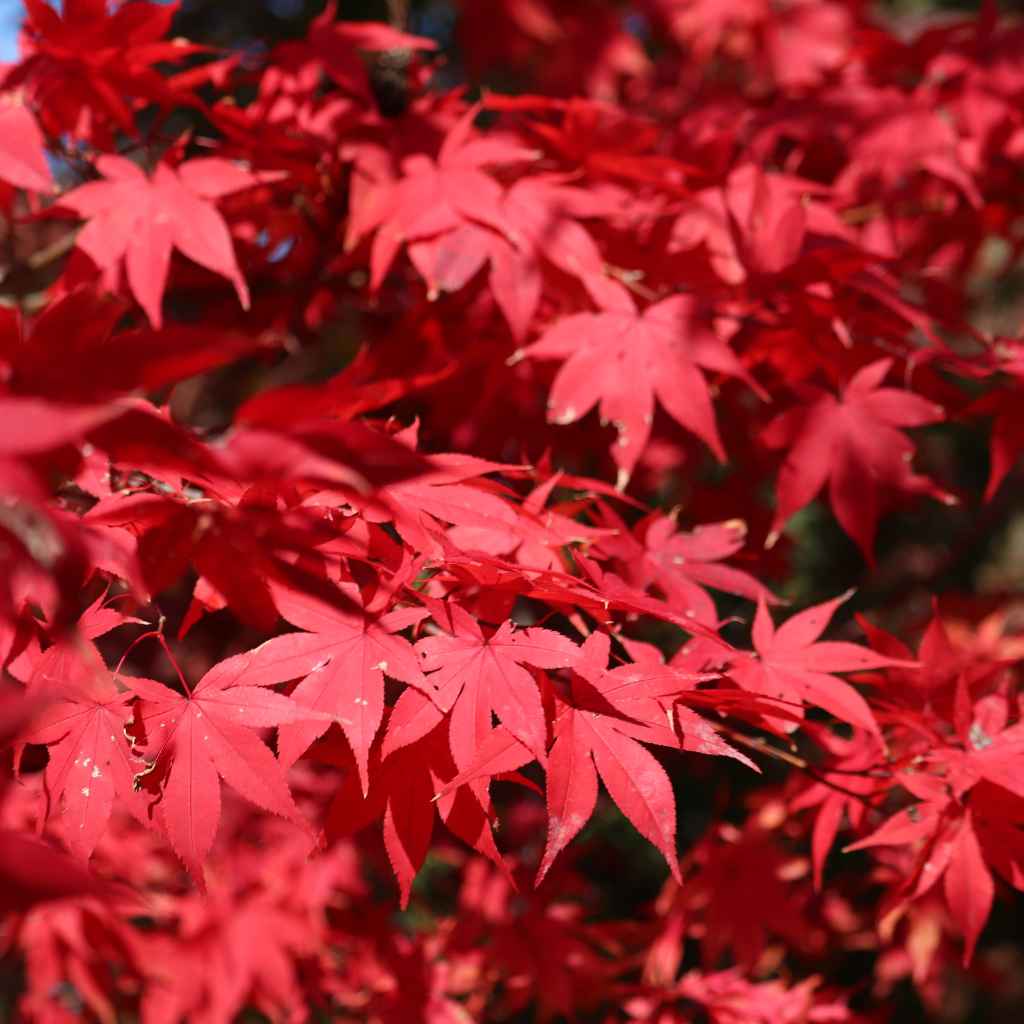
Fall: This is when Japanese maples truly shine. Their leaves turn spectacular shades of red, orange, and yellow. It’s a breathtaking display.
As the weather cools, your watering needs will decrease. Clean up fallen leaves from around the base of the tree. This helps prevent diseases and pests from overwintering.
Winter: In winter, your maple goes dormant. Its bare branches reveal its elegant structure. This is the ideal time to prune.
Protect young or newly planted trees from harsh winter winds. If you live in a very cold region, you might consider covering them with burlap. Ensure the soil isn’t waterlogged when it freezes.
Seasonal Checklist
Spring: Prune, Fertilize (if needed), Monitor for pests, Water consistently.
Summer: Provide afternoon shade, Water deeply, Check for pests.
Fall: Enjoy fall color, Reduce watering, Clean up leaves.
Winter: Prune dormant branches, Protect from harsh winds.
Container Growing
Growing Japanese maples in containers is a great option. It’s perfect for small spaces or patios. It also allows you to control the soil and location precisely.
But container growing requires more attention than planting in the ground.
Choose a container that is appropriately sized. It should be wider than it is deep, usually. Make sure it has plenty of drainage holes.
Good drainage is absolutely critical for container plants. Use a high-quality potting mix. It should be well-draining.
You can add some perlite or pumice to improve aeration. Avoid using garden soil in pots; it compacts too easily.
When you pot your maple, treat it like planting in the ground. Plant the tree so the top of the root ball is slightly below the rim of the pot. Water thoroughly after planting.
Place the container in a spot that gets morning sun and afternoon shade. Protect it from strong winds.
Watering container maples needs to be done more frequently. The soil in pots dries out much faster than in the ground. Check the moisture daily, especially in hot weather.
Stick your finger into the soil. If it feels dry, water until it drains from the bottom. Don’t let it sit in a saucer of water.
Fertilizing is also important for container plants. Since nutrients leach out with frequent watering, you’ll need to feed them. Use a diluted liquid fertilizer during the growing season.
Or use a slow-release granular fertilizer. Follow package directions carefully.
In winter, containerized trees are more vulnerable to cold. The roots are more exposed to freezing temperatures. Move the pot to a sheltered location.
You might wrap the pot in burlap or bubble wrap for insulation. Or sink the pot into the ground for winter protection.
Troubleshooting Common Issues
It’s easy to get worried when your beautiful Japanese maple doesn’t look quite right. Let’s break down some common problems and what they might mean. Remember, most issues stem from unmet needs.
Crispy or Brown Leaf Edges
This is a classic sign of leaf scorch. It happens when the tree loses moisture faster than it can take it up. Or when its leaves are exposed to too much direct sun.
Hot, dry winds are also a culprit. What to do: Ensure your tree is in a location with afternoon shade. Check soil moisture and water deeply.
Consider providing temporary shade cloth during heat waves. Mulch helps retain moisture.
Yellowing Leaves
Yellow leaves can mean a few things. It could be overwatering, causing root rot. Or it could be underwatering, leading to stress.
It can also indicate nutrient deficiencies, like iron deficiency if the soil is too alkaline. What to do: Check the soil moisture carefully. Adjust watering as needed.
Ensure good drainage. If the soil is very alkaline, you might need to amend it or choose a more tolerant variety. For iron deficiency, a chelated iron supplement might help, but fix the soil pH first.
Wilting Leaves
Wilting can be a sign of serious stress. It could be due to lack of water, especially during hot weather. However, it can also be a symptom of root rot if the soil is constantly wet.
Pests like borers can also cause wilting if they damage the trunk. What to do: First, check soil moisture. If dry, water deeply.
If wet, let the soil dry out and improve drainage. Inspect the trunk and branches for any signs of damage or pests. If you suspect root rot, it’s a serious issue often caused by poor planting or site conditions.
Pale or Washed-Out Color
Red or purple-leaved varieties might lose their intense color and look dull. This can happen if the tree is getting too much direct sun, which can bleach out the pigments. It can also be a sign of insufficient nutrients, especially if the soil is poor or the pH is off.
What to do: Ensure adequate afternoon shade. If color is still dull, a light feeding with a balanced, slow-release fertilizer in spring might help. Check soil pH; maples prefer slightly acidic conditions.
Lack of Fall Color
Some years, your Japanese maple might not put on a spectacular fall show. This can happen if the fall weather is too mild or if the tree is stressed. Sometimes, if a tree is very young, it hasn’t developed its full potential for color.
What to do: Ensure the tree is healthy and well-cared for. Good sunlight (but not scorching) and proper watering are key. Fall color is often more vibrant after a cool, dry spell in autumn.
Quick Troubleshooting Guide
Crispy Edges: Too much sun, not enough water, or wind.
Yellow Leaves: Water issues (too much or too little), soil pH.
Wilting: Lack of water, overwatering (root rot), or pests.
Dull Color: Too much sun, nutrient needs, or pH imbalance.
No Fall Color: Weather conditions, stress, or immaturity.
My Experience: A Japanese Maple’s Comeback
I remember one particular Japanese maple I planted years ago. It was a beautiful ‘Bloodgood’ variety, with deep red leaves. I was so excited to give it a prime spot in my garden.
I planted it in a sunny area, thinking it would just soak up the rays and look magnificent. Big mistake. By mid-summer, its leaves were looking terrible.
They were dry and brown around the edges. The overall color was dull.
I was so disheartened. I thought I had killed it. I spent hours online, feeling a knot of panic in my stomach.
Was it a disease? Did I water it wrong? The soil felt okay, not too wet, not too dry.
Then I read something about afternoon sun being too harsh for red maples. I looked at my garden. The sun beat down on that spot from noon until late afternoon.
It was relentless.
That fall, I decided to try moving it. It was a risky move for an established tree, but I had to do something. I dug it up very carefully, trying my best not to damage the roots.
I found a new spot that got lovely morning sun but was shaded by a large oak tree during the hottest part of the day. I replanted it, watered it, and held my breath. The winter was long and nerve-wracking.
I worried I had made things worse.
But when spring arrived, I was so relieved. New buds appeared, and the leaves that unfurled were a vibrant red. They stayed that way all summer.
The crispy edges were gone. The tree looked happier and healthier than it ever had. That experience taught me a huge lesson: location, location, location.
And listening to what the tree naturally prefers is key.
When to Worry and When to Relax
It’s natural to worry about your plants. But remember that Japanese maples have their own rhythm. A little bit of brown on the edges of leaves in a very hot, dry spell might be normal.
A few yellow leaves can appear now and then. Especially as the tree matures.
You should start to worry if you see widespread issues. If large portions of the tree are wilting. If leaves are consistently turning yellow and dropping.
If you see sticky residue or large insect populations. Or if you notice oozing or cankers on the bark.
When it comes to new plants, expect some adjustment period. The first year or two after planting is critical for root establishment. Some leaf drop or minor stress is not uncommon.
As long as the main trunk and branches look healthy, give it time.
For established trees, try to observe them regularly. A quick look every few days can catch problems early. Most problems can be prevented by good care.
Proper siting, watering, and soil are your best defenses. Don’t overreact to minor cosmetic issues. But don’t ignore significant signs of distress either.

Conclusion
Caring for Japanese maples can seem daunting at first. But once you understand their basic needs, it becomes much simpler. Focus on providing the right light, good drainage, and consistent watering.
Prune gently to shape and tidy. And remember that their beauty unfolds with the seasons. With a little patience and care, your Japanese maple will bring joy to your garden for years to come.
Related pick: Check today's price on Amazon