Where to Buy Popcorn Seeds for Planting (Best Sources)
Popcorn isn’t just a beloved snack—it’s also a fascinating crop, with a rich history and unique cultivation requirements. For gardeners, farmers, and hobbyists alike, growing popcorn seeds offers both a rewarding challenge and an opportunity to enjoy homegrown popcorn. But sourcing high-quality seeds is critical to success. Whether you aim for organic yields, heirloom varieties, or high-yield hybrids, knowing where to buy the best popcorn seeds is the foundation of a thriving crop.
As consumer demand for diverse popcorn strains grows, so too does the number of seed suppliers. Many buyers struggle to distinguish between reputable sources and generic sellers, risking poor germination rates or disease-prone plants. This guide demystifies the process, highlighting trusted suppliers, comparing seed quality, and offering actionable tips for choosing the best popcorn seeds for planting.
From online seed banks to local nurseries, we’ll explore where to find popcorn seeds that deliver on flavor, yield, and reliability.
Key Takeaways
- Popcorn seeds are available from specialized online retailers, garden centers, local co-ops, and agricultural suppliers.
- Quality, variety, and germination rate are crucial factors when choosing a supplier.
- Reputable sources include Johnny’s Selected Seeds, Baker Creek Heirloom Seeds, and Burpee.
- Comparison tables help evaluate seed quality, price, and customer service across suppliers.
- Case studies illustrate real-world success with different popcorn seed providers.
- FAQs address common buyer questions about sourcing, storage, and planting popcorn seeds.
Understanding Popcorn Seeds: Varieties, Quality, And Cultivation Needs
Popcorn seeds differ from traditional corn in both structure and cultivation requirements. Understanding these nuances is key before sourcing seeds. Popcorn is a unique type of maize (Zea mays everta) that has the ideal moisture content and hull structure necessary for popping.
Unlike sweet corn, popcorn kernels have a hard, moisture-sealed hull and a dense starchy interior. When heated, pressure builds inside the kernel until it explodes, turning inside out to form the familiar popped snack.
Types Of Popcorn Seeds
There are three main types of popcorn seeds:
- Yellow popcorn: Most common, with a classic flavor and medium-sized kernels.
- White popcorn: Smaller kernels, tender texture, subtle taste.
- Heirloom and specialty varieties: Includes blue, red, and multicolor kernels; prized for unique flavor and aesthetics.
Each type has distinct characteristics:
- Yellow popcorn tends to produce higher yields and larger popped corn, making it a favorite for commercial producers and home gardeners alike. The robust hull and starchy interior yield fluffy pops that are familiar in movie theaters and microwave popcorn bags. Varieties like ‘Robust’ and ‘Supersweet’ are particularly popular.
- White popcorn is favored for its delicate flavor and hull-less popping, which is easier to chew and less likely to get stuck in teeth. ‘Baby White’ and ‘White Cloud’ are well-known options, ideal for gourmet popcorn lovers.
- Heirloom varieties often have lower yields but superior taste and unique popping qualities. ‘Glass Gem’—famous for its rainbow-colored kernels—is a prime example, while ‘Dakota Black’ offers a deep, rich flavor profile. These varieties are especially prized by chefs, artisan snack makers, and those interested in preserving genetic diversity.
Specialty varieties, such as blue, red, or multicolor popcorn, are not just ornamental. They can offer different antioxidant profiles (anthocyanins in blue and red kernels), appealing textures, and unique flavors that set them apart from standard yellow or white types.
Quality Indicators
When choosing popcorn seeds, prioritize:
- Germination rate (ideally over 90%): High germination rates ensure that most seeds will sprout, resulting in a fuller, more productive crop. Most reputable suppliers will provide recent test results.
- Purity (free of cross-contaminants): Purity means the seeds are true to type, without mixing from other corn varieties. Cross-pollination can compromise popping ability and flavor.
- Disease resistance (especially against common corn pests): Look for seeds bred or selected for resistance to diseases like common rust, smut, or northern corn leaf blight, which can devastate popcorn crops.
- Seed freshness (check harvest year and expiration date): Old seeds lose viability, resulting in poor germination. Always check packaging for harvest and expiration dates, and store seeds in optimal conditions to prolong their lifespan.
Other quality considerations include seed treatment (for disease prevention), certification (organic, non-GMO), and the presence of any coatings (such as fungicides, which may not be suitable for organic growers).
Cultivation Requirements
Popcorn requires:
- Warm soil temperatures (at least 60°F): Soil that is too cold will inhibit germination and make young plants more susceptible to disease. In cooler regions, using black plastic mulch can help warm the soil.
- Full sun exposure: Popcorn is a sun-loving crop and needs at least 6-8 hours of direct sunlight per day for optimal growth.
- Adequate spacing (to prevent cross-pollination with sweet corn): To maintain varietal purity and maximize yield, plant popcorn in blocks rather than single rows and keep it separated from other types of corn by at least 250 feet, or time plantings so that tasseling does not overlap.
- Consistent moisture during growth: Popcorn is particularly sensitive to drought during pollination and kernel development. Drip irrigation or soaker hoses can help maintain even soil moisture.
Additional cultivation needs include fertile, well-drained soil, regular weeding, and monitoring for pests such as corn earworm and European corn borer. Fertilizing with a balanced N-P-K fertilizer can promote healthy stalks and ears, but avoid over-fertilization, which can lead to excessive foliage and poor kernel development.
Gardeners should select seeds tailored to their climate and growing conditions. For example, northern regions may benefit from early-maturing varieties that require a shorter growing season, while southern gardeners can choose longer-season types for maximum yield and flavor.

Credit: digestiveinstituteaz.com
Where To Buy Popcorn Seeds: Best Sources And Supplier Comparison
The market for popcorn seeds is diverse, ranging from boutique heirloom sellers to mass-market agricultural suppliers. Knowing where to look—and what to expect—can save time and increase your chances of a successful crop.
Online Seed Retailers
Online retailers offer the widest selection and detailed product information. Top options include:
- Johnny’s Selected Seeds: Known for high-quality, tested popcorn seeds and extensive cultivation advice. They offer a range of yellow, white, and some specialty types, along with detailed planting guides and robust customer support. Their seeds are often certified organic and undergo strict germination testing.
- Baker Creek Heirloom Seeds: Specializes in rare and heirloom popcorn varieties. Baker Creek is renowned for promoting biodiversity and preserving old varieties. Their catalog includes colorful and unusual popcorns seldom found elsewhere.
- Burpee: Offers popular hybrid and organic popcorn seeds with strong customer support. Burpee’s hybrids are designed for high yield and disease resistance, making them a favorite among new gardeners and those seeking reliability.
Each retailer provides:
- Detailed seed descriptions, including plant height, ear size, days to maturity, and recommended planting zones.
- Germination guarantees (usually over 85-90%), which means if your seeds fail to sprout, they will replace them or refund your purchase.
- User reviews and ratings, offering valuable insight into real-world performance and customer satisfaction.
Online shopping also allows access to broader inventories, including international and region-specific varieties, making it easier to find the perfect fit for your garden.
Local Garden Centers And Co-ops
Local stores and agricultural co-ops can be excellent sources for regionally adapted popcorn seeds. Advantages include:
- Expert advice tailored to local conditions: Staff often have firsthand knowledge of what grows best in your area, including tips for overcoming local challenges such as pests or weather extremes.
- Immediate access to seed stock: No waiting for shipping; you can inspect and purchase seeds on the spot.
- Opportunity to inspect seeds before purchase: Check for visible signs of freshness, such as plump, shiny kernels free of mold or damage.
However, selection may be limited compared to online sellers, particularly for rare or heirloom varieties. Prices can also be higher due to smaller-scale purchasing, and seed turnover may be slower, increasing the risk of buying older seeds.
Agricultural Suppliers And Bulk Seed Sellers
For large-scale planting, agricultural suppliers like Seedway and Harris Seeds offer bulk popcorn seed sales. They provide:
- Volume discounts, making them ideal for commercial farmers or community gardens planting several acres.
- Professional-grade seed treatments, such as fungicide or insecticide coatings, which can protect young plants from soil-borne diseases and pests.
- Technical support, including crop planning, soil testing, and pest management advice.
Bulk suppliers may require a minimum purchase amount and may not offer as many specialty or heirloom varieties. However, they are unmatched for consistency, reliability, and professional-grade quality.
Seed Exchanges And Community Groups
Some gardeners prefer to source popcorn seeds from seed exchanges or local growing clubs. Benefits include:
- Unique heirloom varieties that have been adapted to local conditions and may perform better in your climate.
- Opportunities for seed saving and sharing, promoting genetic diversity and preserving rare varieties.
- Community-driven quality standards: Many exchanges have guidelines to ensure seeds are pure, healthy, and true to type.
Examples include the Seed Savers Exchange and regional gardening groups, where members swap seeds and growing tips, often accompanied by stories and local history.
Comparison Table: Popcorn Seed Supplier Features
The table below compares key features of leading popcorn seed suppliers:
| Supplier | Variety Selection | Germination Guarantee | Organic Options | Customer Support | Price Range (per pack) |
|---|---|---|---|---|---|
| Johnny’s Selected Seeds | Wide (yellow, white, heirloom) | Yes (90%+) | Yes | Excellent | $3.50–$6.00 |
| Baker Creek Heirloom Seeds | Specialty/heirloom | Yes (90%+) | Yes | Very Good | $3.00–$5.50 |
| Burpee | Common hybrids | Yes (85%+) | Yes | Good | $2.99–$5.00 |
| Local Co-op | Limited/local | No/variable | Some | Varies | $2.00–$4.00 |
| Seed Savers Exchange | Heirloom/rare | Yes (90%+) | Yes | Good | $3.50–$6.50 |
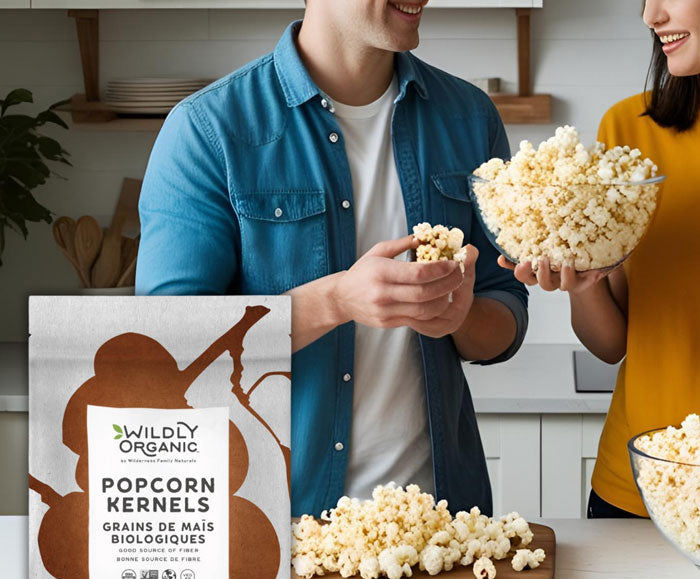
Credit: wildlyorganic.com
Evaluating Suppliers: What To Look For Before You Buy
Choosing the right popcorn seed supplier requires careful evaluation. Here are the most important criteria:
Reputation And Reviews
Check:
- Online reviews for germination success and customer service: Look for detailed reviews mentioning actual germination rates, plant health, and support received during issues.
- Supplier reputation within gardening forums and agricultural communities: Platforms like GardenWeb, Reddit’s r/gardening, and local extension services can offer candid feedback on suppliers.
Look for sellers with consistent positive feedback and transparency about seed sourcing. Suppliers that openly discuss their seed origins, testing methods, and breeding programs are generally more trustworthy.
Seed Quality And Certification
Ask about:
- Seed certification (organic, non-GMO, heirloom): Certified seeds must meet strict standards for purity and production practices. Certification is especially important for organic or non-GMO growers.
- Germination testing (recent lab results): Reliable suppliers will provide documentation of recent germination tests, ensuring seeds are viable.
- Storage conditions (to ensure freshness): Seeds stored in climate-controlled warehouses or vacuum-sealed packaging are less likely to suffer from mold or pests.
Certified organic and non-GMO popcorn seeds are preferred for sustainable cultivation, but even conventional growers benefit from seeds that are properly stored and frequently tested for viability.
Variety Availability
Evaluate:
- Range of popcorn types (yellow, white, heirloom): A broad selection allows you to experiment with different flavors, colors, and growth habits.
- Adaptation to your growing zone: Some varieties are bred specifically for short or long seasons, resistance to local pests, or tolerance to drought or humidity.
- Specialty options (colored popcorn, hull-less strains): Specialty seeds can be harder to find but offer enhanced nutrition and appeal.
Suppliers like Baker Creek Heirloom Seeds excel in unique varieties, while Johnny’s Selected Seeds offers robust hybrids. Consider trying a few different types to see which perform best in your garden.
Pricing And Shipping
Compare:
- Seed packet prices: Consider both the upfront cost and the quantity of seeds per pack, as value can vary significantly.
- Bulk discounts: If you plan to plant a large area, look for suppliers that offer price breaks for higher quantities.
- Shipping fees and delivery times: Some suppliers offer free shipping for orders over a certain amount, while others may charge premium rates for express delivery. Factor in delivery speed, especially if you are ordering close to planting season.
Be mindful of additional costs such as handling fees or surcharges for international shipping.
Customer Support And Resources
Reliable suppliers provide:
- Planting guides: Step-by-step instructions, troubleshooting, and seasonal tips can make a big difference for new growers.
- Troubleshooting advice: Assistance with issues like poor germination or pest outbreaks.
- Responsive support: Quick email or phone responses, satisfaction guarantees, and flexible return policies.
For example, Burpee and Johnny’s Selected Seeds have extensive online resources and customer helplines, while community forums linked to suppliers like Baker Creek allow customers to share experiences and tips.
Real-world Examples: Success Stories With Popcorn Seed Suppliers
The impact of choosing the right supplier is best illustrated through real-world examples.
Case Study 1: Home Gardener’s Heirloom Success
Jane Miller, a hobby gardener in Oregon, sourced blue popcorn seeds from Baker Creek Heirloom Seeds. She reported:
- High germination rates (95%)
- Vibrant blue kernels with exceptional flavor
- Strong disease resistance
Jane’s harvest yielded over 30 pounds from a modest plot, and she saved seeds for future seasons. She noted that the kernels popped into small, tender puffs with a nutty flavor, impressing her family and neighbors. The ability to save seeds meant she could continue growing her favorite variety without repurchasing each season.
Case Study 2: Commercial Farm Yield Boost
Green Acres Farm in Illinois switched to hybrid popcorn seeds from Johnny’s Selected Seeds. Their results:
- Yield increase of 15% over previous varieties
- Consistent kernel size for market sales
- Reduced pest issues due to improved seed treatments
The farm now relies on Johnny’s for all popcorn seed purchases. The uniformity of the crop simplified harvesting and packaging, and the robust disease resistance reduced input costs and improved profitability.
Case Study 3: Community Garden Seed Exchange
The Riverbend Community Garden organized a local seed exchange with rare popcorn varieties from Seed Savers Exchange. Outcomes included:
- Greater biodiversity in crop selection
- Improved community engagement
- Successful seed saving for future plantings
The exchange fostered knowledge sharing and sustainable practices. Gardeners learned about traditional methods of drying and storing popcorn and experimented with different popping techniques at community events, strengthening social bonds.
Online Vs. Local: Pros And Cons Of Buying Popcorn Seeds
Deciding between online and local suppliers depends on your needs. Here’s a data-driven comparison:
| Factor | Online Retailers | Local Garden Centers |
|---|---|---|
| Variety Selection | Extensive (national/international) | Limited (regional) |
| Seed Quality | Certified/tested | Varies; may be uncertified |
| Expert Advice | Online guides/support | In-person, local knowledge |
| Immediate Access | Shipping delays (1–7 days) | Instant purchase |
| Price | Often competitive, bulk options | May be higher due to limited stock |
| Community Engagement | Low | High |
Online Retailers
- Pros: Wide selection, certified seeds, convenient ordering, access to rare and international varieties, and customer reviews that help with decision-making. Many also offer comprehensive resources, such as planting videos and troubleshooting articles.
- Cons: Shipping delays, the risk of seeds being damaged in transit, and less personalized advice (unless the supplier has a dedicated helpline or chat feature).
Local Garden Centers
- Pros: Immediate access, regional expertise, and the ability to inspect seeds before purchasing. Local centers often support the community through workshops, gardening clubs, and events.
- Cons: Limited selection, variable seed quality, and sometimes higher prices due to smaller scale. Stock may not be replenished as frequently, increasing the risk of purchasing older seeds.
For most buyers, starting with online retailers ensures access to high-quality seeds and detailed information. Local sources are ideal for urgent needs, last-minute plantings, and region-specific advice.
Organic, Heirloom, And Hybrid Popcorn Seeds: How To Choose
Choosing between organic, heirloom, and hybrid popcorn seeds impacts both crop outcomes and sustainability.
Organic Popcorn Seeds
Organic seeds are:
- Certified free from synthetic pesticides and fertilizers, grown according to strict ecological standards.
- Ideal for eco-friendly gardens, supporting soil health, pollinators, and wildlife.
- Often more expensive but provide peace of mind, especially for families with children or those concerned about chemical residues.
Organic certification typically requires annual inspections and documentation, ensuring transparency from farm to package. Suppliers like Burpee and Johnny’s Selected Seeds offer organic-certified options, and some even specialize exclusively in organic seeds.
Heirloom Popcorn Seeds
Heirloom seeds:
- Preserve genetic diversity and often carry rich histories, sometimes being passed down for generations.
- Offer unique flavors and colors, making them popular among gourmet cooks and food enthusiasts.
- Require careful seed saving to avoid cross-pollination: To maintain the purity of an heirloom variety, you must isolate it from other types of corn or stagger plantings to prevent tasseling overlap.
Examples include Baker Creek’s Glass Gem and Seed Savers Exchange’s Dakota Black. Heirlooms can be more sensitive to disease or weather extremes, but they reward careful growers with exceptional eating quality and visual appeal.
Hybrid Popcorn Seeds
Hybrid seeds:
- Engineered for high yield and disease resistance, offering uniformity in plant size and kernel color.
- Uniform kernel size for commercial use, which simplifies harvesting and packaging.
- Not suitable for seed saving (due to genetic instability): Offspring of hybrids may not display the same desirable traits as the parent, leading to unpredictable results.
Best for farmers seeking predictable results and those growing for markets where consistency is prized. Hybrids like ‘Robust’ and ‘Supergold’ are known for reliable performance and are widely used in commercial popcorn production.
Comparison Table: Organic Vs. Heirloom Vs. Hybrid Seeds
| Seed Type | Yield | Flavor | Seed Saving | Price Range | Recommended Use |
|---|---|---|---|---|---|
| Organic | Moderate-high | Natural, clean | Yes | $3.50–$6.00 | Eco-friendly gardens |
| Heirloom | Moderate | Unique, rich | Yes | $3.00–$6.50 | Flavor, biodiversity |
| Hybrid | High | Standard | No | $2.99–$5.00 | Commercial farms |
Buying Guide: Step-by-step Process For Sourcing Popcorn Seeds
Follow these steps for a successful popcorn seed purchase:
1. Identify Your Needs
- Determine preferred popcorn type (yellow, white, heirloom, hybrid): Consider your taste preferences, desired yield, and whether you wish to save seeds.
- Estimate planting area and required seed quantity: Measure your garden or field to calculate how many seeds you need. Most seed packets indicate the area they cover.
- Decide on organic or conventional options: Organic seeds are best for natural gardens, while conventional or treated seeds may offer added protection against disease.
2. Research Suppliers
- Review online and local sources: Compile a list of potential suppliers, comparing their offerings, reputation, and availability.
- Check certifications and customer feedback: Look for recent reviews mentioning germination rates and customer satisfaction.
- Compare pricing and shipping policies: Factor in shipping time, especially if you are ordering internationally or close to planting season.
3. Place Your Order
- Double-check seed variety and pack size: Ensure you are ordering the correct type and amount for your needs.
- Review germination guarantees: Choose suppliers with clear policies on seed viability and replacements.
- Confirm delivery timeline: Plan ahead to avoid planting delays.
4. Receive And Inspect Seeds
- Inspect for freshness and purity: Look for plump, clean kernels without signs of mold or pests.
- Store seeds in a cool, dry place until planting: Airtight containers in a basement or refrigerator work well for most climates.
5. Prepare For Planting
- Read supplier guides for optimal planting conditions: Many suppliers provide detailed instructions tailored to each variety.
- Plan for soil preparation and spacing: Amend soil with compost or balanced fertilizer, and lay out planting blocks to promote good pollination.
Tips For Successful Popcorn Seed Planting And Storage
Even the best seeds require careful handling. Maximize your crop’s potential with these tips:
Planting Tips
- Wait for warm soil: Plant when temperatures reach 60°F or higher. Early planting in cold soil can lead to slow emergence and vulnerability to disease.
- Space properly: 8–12 inches between plants, 30–36 inches between rows. Planting in blocks rather than rows improves pollination and kernel fill.
- Avoid cross-pollination: Don’t plant popcorn near sweet corn. Cross-pollination can affect popping quality and flavor.
- Water consistently: Popcorn needs regular moisture, especially during tasseling and ear development. Use mulch to conserve moisture and suppress weeds.
- Fertilize appropriately: Popcorn is a heavy feeder. A soil test can help determine nutrient needs, but a balanced fertilizer (such as 10-10-10) is a good general choice.
Storage Tips
- Keep seeds dry: Moisture leads to mold and reduced germination. Use desiccant packs if storing in humid environments.
- Store in airtight containers: Protect from humidity and pests like mice or insects.
- Use within two years: Older seeds lose viability. For longer storage, vacuum-seal and refrigerate.
- Label containers: Include variety, purchase date, and any special notes about source or treatment.
Troubleshooting Common Issues
- Poor germination: Try fresh seeds or adjust planting depth (1–2 inches deep). Ensure soil is warm and not waterlogged.
- Disease outbreaks: Source certified disease-resistant seeds and practice crop rotation. Remove and destroy infected plants promptly.
- Pest damage: Use natural deterrents, such as row covers for young plants, or apply approved organic pesticides if needed. Monitor regularly for signs of corn earworm or European corn borer.
Proactive care, such as monitoring for pests and diseases, regular weeding, and proper watering, can make the difference between a disappointing harvest and a popcorn bounty.
Global Sources: International Seed Suppliers And Import Considerations
For buyers outside the US, sourcing popcorn seeds involves extra considerations.
International Suppliers
Top global sources include:
- Thompson & Morgan (UK): Offers popcorn seeds for European climates, including varieties adapted to shorter growing seasons and cooler temperatures.
- Kings Seeds (Australia): Features regional varieties adapted to southern hemisphere, ensuring reliable performance in local conditions.
- Rare Seeds Canada: Specializes in heirloom options, offering unique varieties not commonly found in North America.
Ordering from international suppliers can open up new flavor and color possibilities, and may be the only way to access regionally adapted or rare varieties.
Import Regulations
Check:
- Local import laws for corn seeds: Many countries restrict seed imports to prevent the spread of pests and diseases.
- Phytosanitary certificates from suppliers: These documents certify that seeds are free of regulated pests and diseases.
- Potential restrictions on GMO or untreated seeds: Some countries only allow imports of certified non-GMO or treated seeds to protect local agriculture.
Consult government agricultural websites or local extension offices for guidance. Non-compliance can result in confiscation or destruction of shipments at customs.
International Shipping Tips
- Order early to account for customs delays: International shipping can take several weeks or longer if inspections are required.
- Request tracking for shipments: This allows you to monitor the status and location of your order.
- Verify seed viability upon arrival: Check for signs of damage, mold, or spoilage, and contact the supplier if there are issues.
For more on global seed sourcing, see Wikipedia’s Seed Bank entry.
Frequently Asked Questions
What Are The Best Popcorn Seed Varieties For Home Gardens?
Yellow popcorn varieties like Robust and Supersweet offer high yield and easy cultivation. Heirloom types such as Glass Gem and Dakota Black are prized for flavor and color, though they may require more attention. For tender, hull-less popcorn, try White Cloud or Baby White. The choice depends on your climate, soil, and personal taste preferences.
How Can I Ensure High Germination Rates When Buying Popcorn Seeds?
Choose seeds from reputable suppliers with germination guarantees of 90% or higher. Store seeds in a cool, dry place before planting and follow recommended planting depths. Avoid buying old or uncertified seeds. Conduct a home germination test by placing a few seeds in a damp paper towel in a warm location to check viability before planting your entire crop.
Can I Save Seeds From My Popcorn Plants For Future Planting?
Yes, but only from heirloom or open-pollinated varieties. Avoid saving seeds from hybrids, as their offspring may not retain desired traits. To prevent cross-pollination, plant popcorn well away from sweet corn or stagger planting times to ensure different pollination windows.
Are Organic Popcorn Seeds Worth The Higher Price?
Organic popcorn seeds offer chemical-free cultivation and often superior taste. They are ideal for eco-friendly gardeners and those seeking non-GMO assurance. While more expensive, organic seeds support sustainable agriculture and biodiversity, and may result in healthier soil and crops over time.
Where Can I Buy Rare Or Colored Popcorn Seed Varieties?
Specialty retailers like Baker Creek Heirloom Seeds, Seed Savers Exchange, and Thompson & Morgan offer rare and colored popcorn seeds. Local seed exchanges and gardening clubs may also have unique varieties. Attending regional gardening events or joining online seed swap groups can also yield exciting discoveries.
Growing your own popcorn is a journey that starts with selecting the right seeds from trusted sources. With the information in this guide, you’ll be equipped to find the best popcorn seeds for your needs, whether through renowned online retailers, local co-ops, or international suppliers.
By understanding seed types, evaluating suppliers, and applying planting best practices, you can cultivate a crop that delights in both taste and yield. Explore the resources provided, connect with community growers, and enjoy the satisfaction of homegrown popcorn from seed to snack.