What is Square Foot Vegetable Gardening
Square Foot Vegetable Gardening: The Ultimate Guide to Efficient Home Growing
Imagine transforming a small backyard, patio, or even a balcony into a lush, productive oasis overflowing with fresh vegetables. Square foot vegetable gardening makes this dream attainable for anyone—regardless of space, experience, or budget. By maximizing efficiency and minimizing effort, this innovative approach empowers home gardeners to grow more food in less space than traditional methods.
Developed in the late 1970s by engineer and gardener Mel Bartholomew, square foot gardening has revolutionized the way people approach edible gardening. With precise layouts, rich soil mixes, and intensive planting, this method produces impressive yields while reducing weeds, water usage, and wasted resources.
Whether you’re a beginner eager for your first harvest or a seasoned green thumb looking to optimize your plot, square foot gardening offers a proven, science-backed path to success.
Key Takeaways
- Square foot vegetable gardening maximizes yields in small spaces using a grid-based planting system.
- The method minimizes waste, weeding, and water usage while streamlining garden planning.
- Raised beds, enriched soil, and intensive planting are foundational principles.
- Beginner-friendly and accessible for various climates, abilities, and spaces.
- Yields can be up to 5 times higher per square foot compared to traditional row gardens.
- The approach is adaptable for urban, suburban, and rural settings alike.
The Principles Of Square Foot Vegetable Gardening
Square foot gardening is built on a few foundational principles that set it apart from conventional gardening. Understanding these core concepts is essential for anyone looking to implement the method successfully.
Grid-based Planting
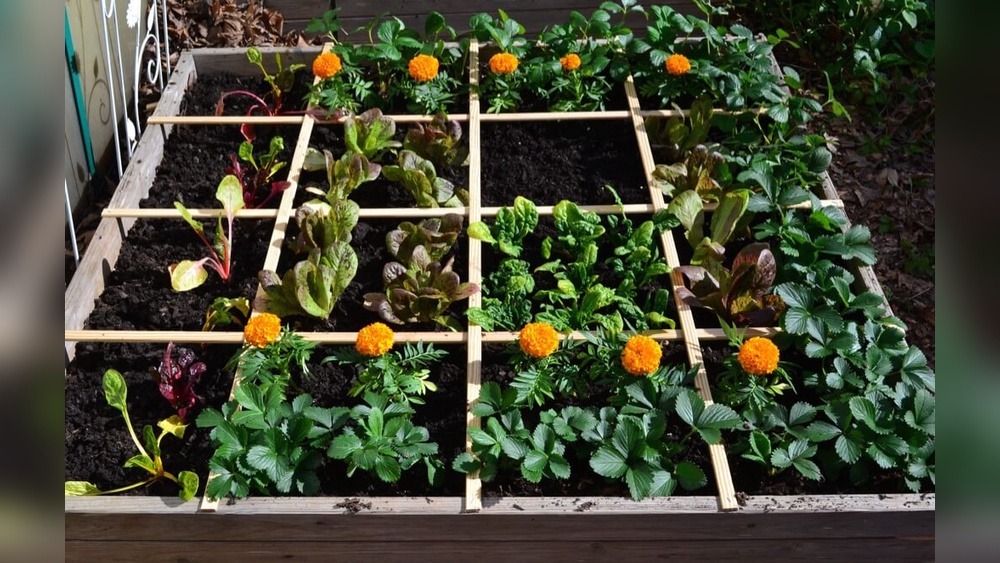
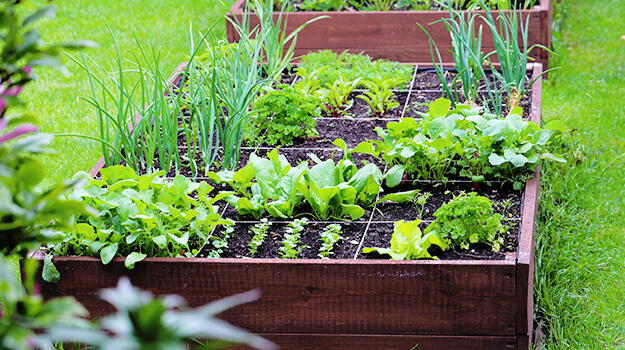
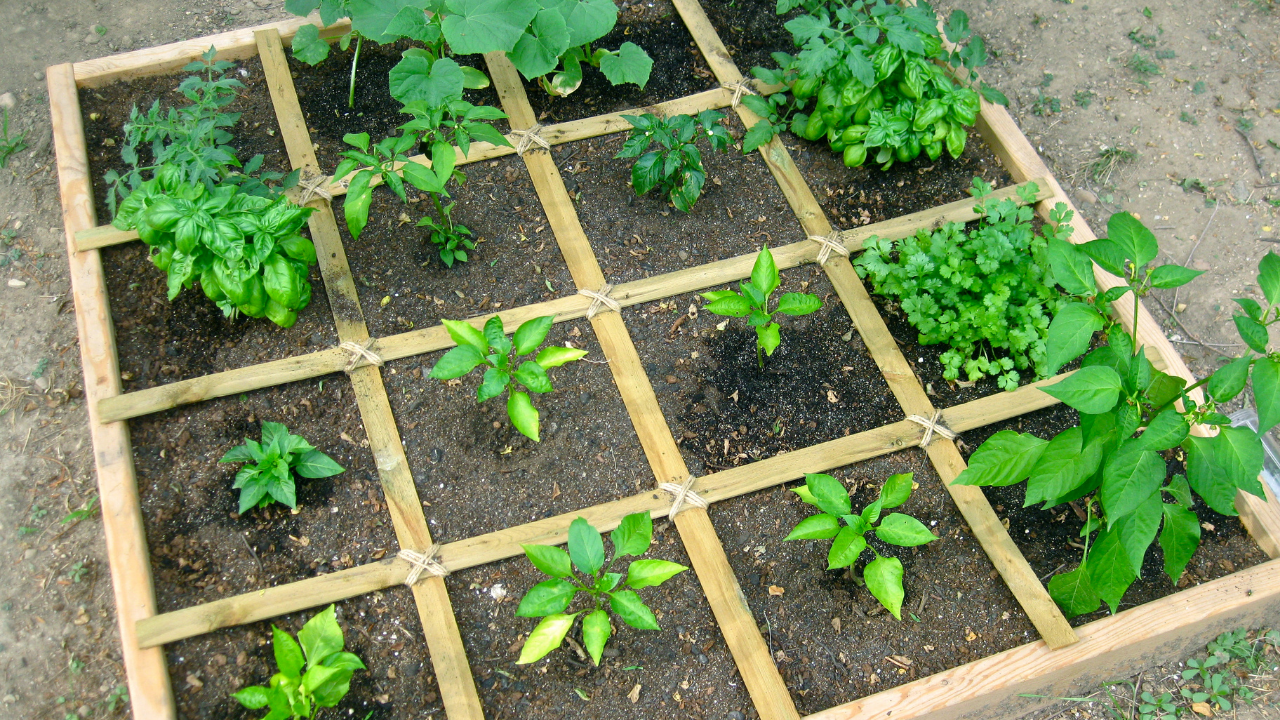
At the heart of square foot gardening is the grid system. Gardeners divide a raised bed—typically 4 feet by 4 feet—into sixteen 1-foot squares using string, wood slats, or other materials. Each square acts as a mini-plot, allowing precise control over plant placement and density.
- Maximizes space by eliminating unnecessary walkways
- Organizes crops for easy rotation and succession planting
- Reduces waste by ensuring every inch is productive
Intensive Planting Density
Instead of traditional rows, square foot gardening packs more plants into less area by following specific spacing guidelines for each crop. For example:
- 1 tomato plant per square
- 4 lettuce plants per square
- 9 bush beans per square
- 16 carrots per square
This intensive planting not only increases yield but also shades out weeds and helps retain soil moisture.
Raised Beds And Soil Mix
Square foot gardens are usually constructed as raised beds, filled with a high-quality, loose, nutrient-rich soil mix. Mel Bartholomew famously recommended “Mel’s Mix”: one-third peat moss, one-third vermiculite, and one-third compost. This blend provides:
- Excellent drainage
- Consistent fertility
- Light texture for easy root growth
Efficient Use Of Resources
The method is designed to minimize unnecessary inputs:
- Less water is needed thanks to close spacing and mulch
- Fewer weeds due to dense planting and raised beds
- Minimal fertilizers because of compost-rich soil
Accessibility And Simplicity
A key goal of square foot gardening is to make home food production accessible. Raised beds at waist height are ideal for those with limited mobility. The clear, visual grid and straightforward rules remove guesswork, making it an ideal entry point for beginners.
Planning And Setting Up A Square Foot Garden
Establishing a successful square foot garden starts with thoughtful planning and a few key steps. Here’s how to lay the groundwork for a productive, low-maintenance garden.
Selecting The Right Location
The ideal spot for a square foot garden is:
- Sunny: At least 6–8 hours of direct sunlight daily
- Level: To prevent water runoff and uneven growth
- Accessible: Close to a water source and convenient for tending
Avoid areas under large trees or near structures that cast long shadows.
Building Raised Beds
The classic square foot garden bed measures 4 feet by 4 feet, but beds can be adapted to fit available space. Beds should be no wider than 4 feet to allow easy access from all sides.
Materials commonly used:
- Untreated wood (cedar or redwood for longevity)
- Composite boards
- Recycled plastic or metal
Assembly tips:
- Height: 6–12 inches is typical; deeper beds can accommodate root vegetables.
- Level the ground before placing the bed.
- Secure corners and ensure the frame is square.
Creating The Grid
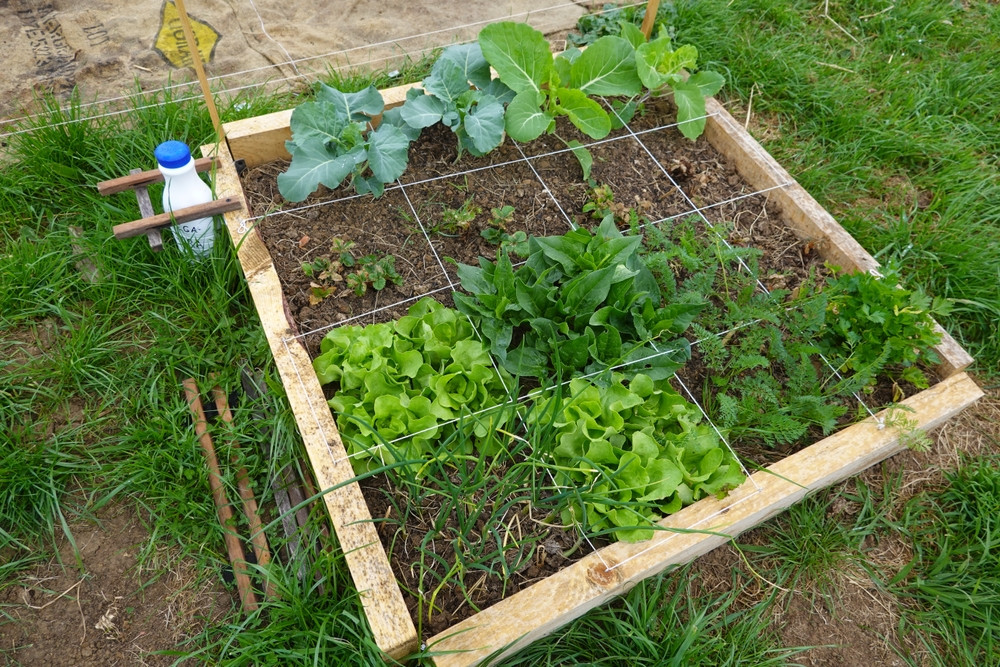
A clear, visible grid is essential. It can be made with:
- Wooden slats
- Mason’s twine
- Plastic strips
Attach the grid securely to the bed’s frame. Some gardeners use removable grids for easy soil mixing and replanting.
Mixing And Filling The Soil
The recommended blend, Mel’s Mix, is:
- 1/3 peat moss or coco coir (for water retention)
- 1/3 coarse vermiculite (for aeration)
- 1/3 blended compost (for nutrients)
Thoroughly mix ingredients before filling the bed. Amend with additional compost each season to replenish nutrients.
Laying Out Planting Plans
Use a planting guide to determine how many plants fit per square. Consider:
- Companion planting for pest control and healthy growth
- Succession planting to maximize continuous harvests
- Crop rotation to prevent disease buildup
Many gardeners sketch a layout or use online planning tools for optimal results.
Advantages Of Square Foot Vegetable Gardening
The popularity of square foot gardening stems from its many tangible benefits for home growers. Let’s explore what sets this method apart from traditional gardening.
Maximized Yields In Minimal Space
By concentrating plants in a grid, square foot gardens can produce up to 5 times more vegetables per square foot than conventional row gardens. Research from the University of Florida found that intensive gardening methods, like SFG, boost productivity and optimize resource use (University of Florida IFAS).
Reduced Labor And Maintenance
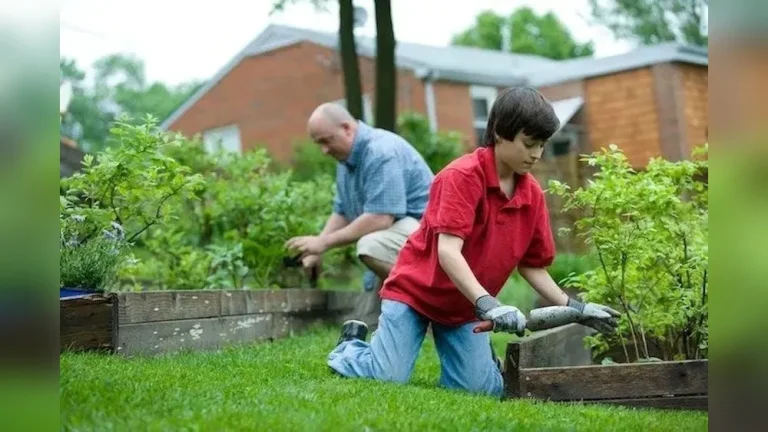
With no wide pathways to weed or till, and dense planting that shades out weed seeds, maintenance is drastically reduced. Raised beds mean less bending and easier access, making gardening more enjoyable for people of all ages.
Water And Resource Efficiency
The soil mix retains moisture, and close spacing helps shade the soil, reducing evaporation. Studies show that raised bed and intensive gardening can reduce water usage by up to 50% compared to traditional gardens (University of Minnesota Extension).
Fewer Pests And Diseases
Healthy, well-spaced plants are less stressed and more resistant to pests and diseases. The ability to rotate crops within small squares helps prevent the buildup of soil-borne pathogens.
Accessibility For All
The compact design, clear organization, and option for elevated beds make square foot gardening ideal for:
- Seniors
- Gardeners with disabilities
- Children and beginners
Adaptability And Versatility
SFG can be tailored for balconies, rooftops, community gardens, and small urban yards. The method also works for ornamental and pollinator-friendly plants.
Table: Square Foot Gardening Vs. Traditional Row Gardening
| Feature | Square Foot Gardening | Traditional Row Gardening |
|---|---|---|
| Space Efficiency | High (16 plants per 4×4 ft bed) | Low (large paths between rows) |
| Water Usage | Low | High |
| Weeding Required | Minimal | Frequent |
| Setup Cost | Moderate (raised beds, soil mix) | Low (in-ground prep) |
| Yield per Square Foot | High | Moderate |
| Accessibility | Excellent | Limited |
Step-by-step Guide To Planting And Caring For Your Square Foot Garden
Once your bed is built and soil is in place, it’s time to plant and care for your crops. Here’s a practical roadmap to keep your garden thriving from seed to harvest.
Choosing What To Grow
Select vegetables based on:
- Climate and season (cool vs. warm season crops)
- Family preferences
- Space requirements (vining crops may need trellises)
Popular choices for beginners include:
- Lettuce
- Carrots
- Radishes
- Tomatoes
- Peppers
- Bush beans
Planting By The Numbers
Each square is assigned a planting density based on crop size. Refer to guidelines or seed packet instructions for exact spacing.
Table: Planting Density Guide
| Crop | Plants per Square Foot | Notes |
|---|---|---|
| Lettuce | 4 | Space evenly |
| Carrots | 16 | Thin as needed |
| Tomato | 1 | Stake or cage |
| Radish | 16 | Quick harvest |
| Bush beans | 9 | Harvest regularly |
| Peppers | 1 | Support as needed |
Watering And Fertilizing
- Water deeply but infrequently to encourage strong roots.
- Check soil moisture with your finger; water when the top inch feels dry.
- Use a watering can or drip system to avoid splashing leaves.
- Add a top-dressing of compost between plantings for ongoing fertility.
Mulching And Weed Control
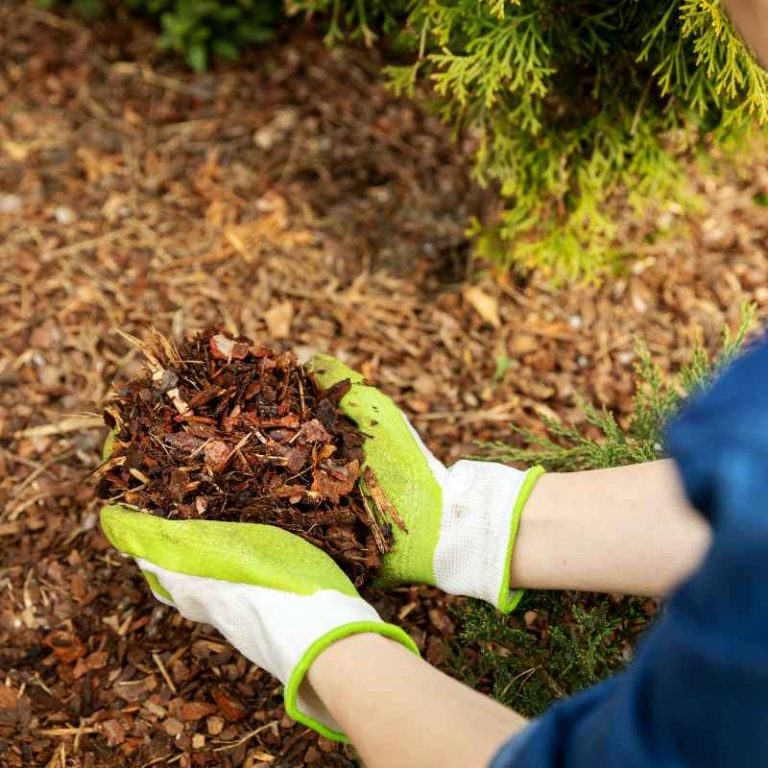
- Apply a thin layer of organic mulch (straw, shredded leaves) to retain moisture.
- Hand-pull any weeds that appear; dense planting will minimize them.
Pest And Disease Management
- Inspect plants regularly for signs of pests or disease.
- Use companion planting (e.g., marigolds for nematode control) for natural pest reduction.
- Remove and replace affected plants promptly.
Succession Planting And Crop Rotation
- After harvesting a square, replant with a different crop for continuous production.
- Rotate crop families (e.g., nightshades, legumes, brassicas) to prevent disease buildup.
Harvesting Techniques
- Harvest leafy greens by picking outer leaves for ongoing yields.
- Uproot root vegetables when mature.
- Collect fruiting crops (tomatoes, beans) regularly to encourage more production.
Real-world Examples And Case Studies
To illustrate the transformative power of square foot gardening, let’s explore a few real-life successes from different environments.
Urban Apartment Balcony Garden
Maria, living in a downtown apartment, installed a 2×4 foot raised bed on her sunny balcony. Using the square foot method, she harvested:
- 8 heads of lettuce
- 32 carrots
- 2 bush tomato plants (yielding over 8 pounds of fruit)
- 4 basil plants
Despite limited space, Maria enjoyed fresh salads and herbs for months, with minimal weeding and watering required. Her success inspired neighbors to start similar gardens.
School Community Garden
A New York elementary school integrated square foot gardening into its curriculum. Teachers and students built four 4×4 beds, planting a variety of vegetables and pollinator flowers. The gardens produced enough lettuce, radishes, and beans for classroom snacks and lessons in science and nutrition.
The organized layout made it easy for young students to care for their own squares, fostering responsibility and teamwork.
Suburban Family Backyard
The Patel family transformed a 10×10 foot section of their backyard using square foot gardening. With three beds, they grew:
- Tomatoes, peppers, cucumbers on trellises
- Continuous succession crops of spinach, kale, and lettuce
- Root crops like carrots and beets
In a single season, they reduced grocery bills and enjoyed over 100 pounds of homegrown produce. The raised beds and grid system made gardening manageable for their busy lifestyle.
Common Challenges And Solutions In Square Foot Gardening
While square foot gardening is designed for simplicity, gardeners may encounter a few hurdles. Here’s how to address the most common issues.
Soil Mix Sourcing And Cost
Challenge: Finding and affording all components of Mel’s Mix, especially vermiculite, can be tough.
Solution: Substitute with coconut coir for peat moss, and consider expanded shale or perlite if vermiculite is unavailable. Focus on high-quality compost as the most critical element—homemade is best when possible.
Overcrowding And Airflow
Challenge: Intensive planting can sometimes lead to poor air circulation, increasing disease risk.
Solution: Stick to recommended plant densities and prune lower leaves for airflow. Use vertical supports for vining crops to maximize space.
Water Management
Challenge: Raised beds can dry out quickly in hot climates.
Solution: Mulch heavily, water in the morning, and consider installing a drip irrigation system for consistency.
Pest Pressure
Challenge: Small gardens are not immune to pests like aphids or slugs.
Solution: Inspect regularly, use physical barriers (row covers), and encourage beneficial insects by planting flowers such as nasturtiums and calendula.
Crop Rotation In Small Spaces
Challenge: Limited space can make crop rotation tricky, increasing disease risk.
Solution: Diligently record what’s planted in each square and switch plant families each season. Incorporate disease-resistant varieties where possible.
Advanced Square Foot Gardening Techniques
Once you’ve mastered the basics, explore advanced techniques to further boost productivity and sustainability.
Vertical Gardening And Trellising
Maximize your square footage by training vining crops up trellises attached to the north side of your bed. Suitable for:
- Tomatoes
- Cucumbers
- Pole beans
- Squash
This technique prevents sprawling, improves airflow, and simplifies harvesting.
Companion Planting Strategies
Certain plant combinations can deter pests, enhance growth, and boost flavor. Examples include:
- Marigolds with tomatoes to repel nematodes
- Basil with peppers for improved flavor and pest resistance
- Carrots with onions to deter carrot flies
For more on companion planting, see The Old Farmer’s Almanac.
Season Extension
Use cold frames, row covers, or hoop houses to start planting earlier in the spring and extend the harvest into fall or even winter. Raised beds warm up faster than ground soil, providing a head start for seedlings.
Succession Planting Mastery
Plan your planting schedule so that as soon as one crop is harvested, another is ready to go in its place. For example:
- Early spring: Radishes and spinach
- Late spring: Bush beans
- Summer: Lettuce
- Fall: Carrots
This approach ensures continuous productivity from every square.
Integrating Technology
Many gardeners use online planning tools or mobile apps to map out their beds and track plantings. Apps like GrowVeg or Planter provide visual grids, reminders, and companion planting suggestions (GrowVeg).
Square Foot Gardening For Sustainability And Food Security
The benefits of square foot gardening go beyond personal convenience—it plays a role in broader sustainability and food security initiatives.
Urban Agriculture And Community Resilience
As cities face challenges of food deserts and limited green spaces, square foot gardening offers a scalable solution. Community gardens using the SFG method can supply fresh produce to neighborhoods, schools, and food banks. According to the American Community Gardening Association, community gardens increase access to nutritious food and foster social ties (ACGA).
Environmental Impact
- Reduced food miles by growing at home
- Lower chemical usage due to healthy soils and natural pest controls
- Conservation of water through efficient, targeted irrigation
Educational Opportunities
Schools and youth programs use square foot gardens to teach biology, ecology, math, and nutrition. The method’s structured layout makes it easy for students to track growth, measure yields, and learn about plant science hands-on.
Table: Environmental Benefits Of Square Foot Gardening
| Benefit | Square Foot Gardening | Conventional Gardening |
|---|---|---|
| Water Conservation | High | Moderate |
| Use of Chemicals | Low | Varies |
| Soil Health | Maintained by compost | Often depleted |
| Waste Reduction | Minimal | High |
Disaster Preparedness And Food Sovereignty
The COVID-19 pandemic saw a surge in home gardening as families sought food security and self-reliance. Square foot gardening, with its fast setup and high yields, proved ideal for new gardeners seeking to buffer against supply chain disruptions (NPR).
Frequently Asked Questions
What Is The Ideal Size For A Square Foot Garden Bed?
Most gardeners find that a 4×4 foot bed is optimal, as it allows easy access from all sides without stepping on the soil. However, beds can be made smaller or larger (such as 2×4 or 4×8 feet) to fit available space. The key is to ensure that you can comfortably reach the center of the bed from the edges.
Can I Use Regular Garden Soil Instead Of Mel’s Mix?
While it’s possible to use native soil, Mel’s Mix (or a similar blend of compost, peat/coir, and vermiculite/perlite) is preferred because it provides superior drainage, fertility, and structure. If you use regular soil, amend it heavily with compost and ensure it’s free of weeds and contaminants.
How Do I Prevent And Control Pests In A Square Foot Garden?
Square foot gardens experience fewer pests thanks to dense planting and healthy soils, but some issues may arise. Use companion planting, encourage beneficial insects, apply row covers, and inspect plants regularly. If infestations occur, remove affected plants and use organic controls as needed.
Is Square Foot Gardening Suitable For Container Or Balcony Gardening?
Absolutely. The principles of square foot gardening—grid layout, intensive planting, and quality soil—can be adapted to containers or planters. Just ensure adequate depth (at least 6–12 inches) and use the same plant spacing guidelines.
Where Can I Find More Resources And Support For Square Foot Gardening?
Excellent resources include the official Square Foot Gardening Foundation, university extension services, and gardening communities on forums or social media. Books like Mel Bartholomew’s “All New Square Foot Gardening” offer in-depth guidance.
As home gardening continues to grow in popularity, square foot vegetable gardening stands out as a proven, efficient, and empowering approach. By harnessing the power of grids, intensive planting, and rich soil, gardeners can reap abundant harvests from even the smallest plots.
Whether you’re growing for fun, flavor, or food security, square foot gardening offers a practical path to greener, healthier living.