Can You Use Fish Pond Water For Vegetable Gardens? Yes
It’s a question many gardeners ponder: can you use water straight from your fish pond to water your precious vegetables? You’ve got this readily available source, rich with fish waste. It seems like a great way to save water and give your plants a boost.
For a related vegetable-garden decision, How To Use A Water Distillation Unit For Your Vegetable Garden adds another practical check before you choose materials or treatments.
For a related vegetable-garden decision, Does Spraying Soapy Water Hurt Vegetable Gardens? Answered adds another practical check before you choose materials or treatments.
For a related vegetable-garden decision, How To Use Rain Barrels To Water Vegetable Gardens Easily adds another practical check before you choose materials or treatments.
But is it really that simple?
Many gardeners worry about introducing something harmful to their food crops. Others are excited about the potential for free, natural fertilizer. We get it.
It feels like a clever hack for a greener garden and a healthier harvest. Let’s dive into this topic and see what’s really going on.
Using fish pond water for vegetable gardens is possible and can be beneficial if done correctly. It contains nutrients from fish waste, acting as a natural fertilizer. However, caution is needed regarding potential contaminants and the specific needs of your plants. Proper management ensures safe and effective use.
Understanding Fish Pond Water for Your Garden
Fish pond water is more than just water. It’s a complex mix. Fish are living things.
They eat, they breathe, and they produce waste. This waste is the key. It contains nitrogen, phosphorus, and potassium.
These are the same nutrients found in commercial fertilizers. They help plants grow strong and produce more.
Think of it like this: a pond is a mini-ecosystem. The fish are the engine. Their waste feeds tiny organisms.
These organisms, in turn, feed the plants. It’s a natural cycle. This process is often called aquaponics, even when you’re just using the water.
It’s a smart way to recycle resources.
However, not all pond water is created equal. The health of the fish matters. The size of the pond matters.
What you feed the fish matters. These things all affect the water quality. We need to look at the good and the not-so-good parts before we decide to water our veggies.
My Own Pond Water Journey: A Learning Curve
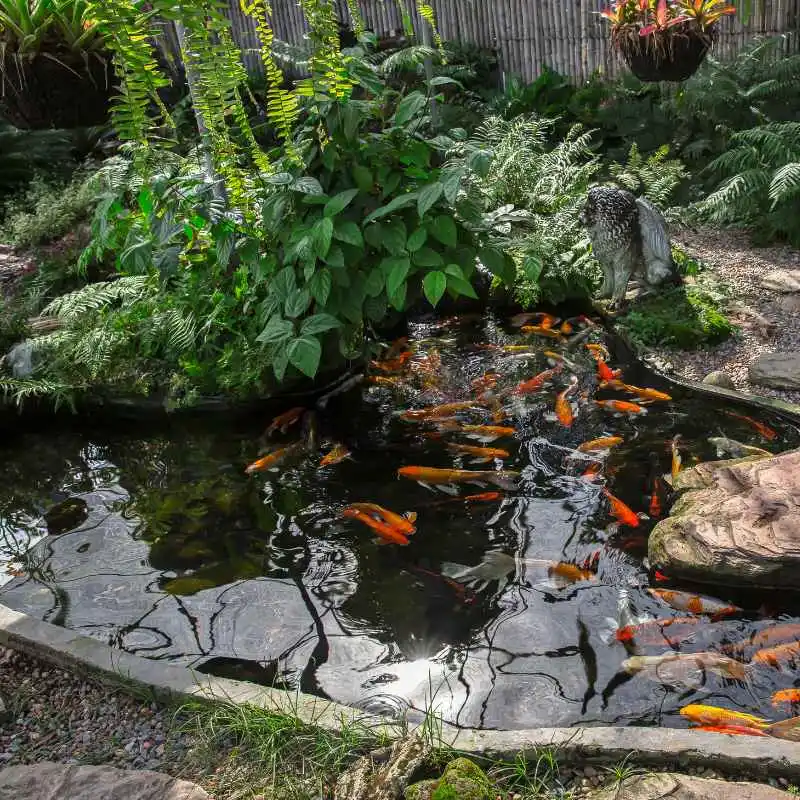
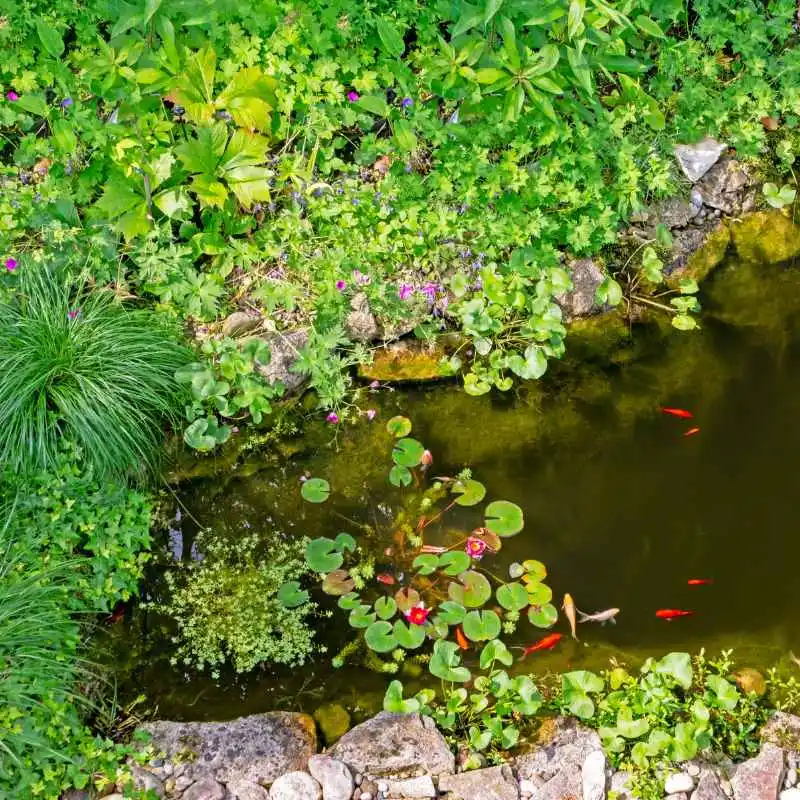
I remember the first time I thought about using my pond water. I had a small ornamental fish pond. It was nestled in a corner of my yard.
The water always looked murky. My fish seemed happy. I was also trying to be more eco-friendly with my garden.
My vegetable patch was just a few feet away. It felt like a no-brainer. Why buy fertilizer when I had this free nutrient soup?
I grabbed my watering can and filled it up. I remember the earthy smell. I poured it onto my tomato plants.
They seemed to perk up almost immediately.
That summer, my tomatoes were amazing. My zucchini plants grew like crazy. I was so proud of my little gardening secret.
Then came the autumn. I was cleaning out the pond filter. I saw all sorts of things.
Bits of uneaten food. Algae blooms. I started to wonder what else might have been in that water.
I dug a little deeper online. I learned about potential issues. Things like fish diseases.
Or chemicals from fish food. This made me pause. I realized my initial enthusiasm might have been a bit too simple.
It was a great learning moment. It taught me to look closer before assuming something is always good.
Nutrient Breakdown in Pond Water
Key Nutrients:
- Nitrogen (N): Essential for leafy growth.
- Phosphorus (P): Helps with root and flower development.
- Potassium (K): Boosts overall plant health and disease resistance.
These are often called NPK. They are the main building blocks for healthy plants. Fish waste is rich in these.
The Benefits of Using Pond Water
Let’s focus on the good stuff first. Why is this idea so appealing? Because it genuinely has benefits.
The primary benefit is the natural fertilization. Fish excrete ammonia. Bacteria in the pond filter turn this ammonia into nitrates.
Nitrates are a form of nitrogen that plants love. This is like giving your vegetables a healthy, organic meal.
Using pond water can also save you money. Buying fertilizers adds up. Especially for larger gardens.
If you have a pond, the water is free. You just need a way to transport it. This makes it an attractive option for budget-conscious gardeners.
It’s a way to be resourceful.
It’s also great for the environment. Recycling water is a good practice. It reduces waste.
It can lessen your reliance on treated tap water. Many areas face water restrictions. Using pond water helps conserve this precious resource.
It’s a win-win for your garden and the planet.
Plus, it can improve your soil structure. Over time, the organic matter in pond water can enrich your soil. Healthy soil is the foundation of a healthy garden.
It holds moisture better. It supports beneficial microbes. Your plants will thank you.
Quick Scan: Pond Water Benefits
| Benefit | Why It Helps |
| Natural Fertilization | Provides essential NPK from fish waste. |
| Cost Savings | Reduces spending on commercial fertilizers. |
| Water Conservation | Uses a readily available water source. |
| Soil Improvement | Adds organic matter for better soil health. |
Potential Risks and What to Watch For
Now for the flip side. While the benefits are clear, there are risks. The biggest concern is contamination.
What if your fish have a disease? Or parasites? You could accidentally spread these to your vegetable plants.
This is a real worry. Especially if you’re eating those vegetables.
Another issue is the presence of heavy metals. If you’ve used certain treatments in your pond. Or if your local water source has issues.
These can build up. They aren’t good for plants or for people. It’s crucial to know your pond’s history.
Algae blooms are also common. While some algae can be okay, excessive blooms can mean too much of certain nutrients. Or not enough oxygen.
This can make the water less ideal for plants. It might also smell unpleasant. Some algae types can even produce toxins.
Salt is another potential problem. Some pond owners use salt. It can help with fish health.
But most vegetables don’t like salty water. Too much salt can burn plant roots. It can stunt growth.
It can even kill the plant. Always know if salt has been added.
Finally, think about the overall balance. Pond water can be very rich. Sometimes too rich.
Over-fertilizing is a thing. It can damage plants. It can lead to weak growth.
Or it can cause nutrient burn. This is when the plant can’t handle all the nutrients. It looks like burnt leaf tips.
Contrast: Normal Pond Water vs. Potentially Harmful Water
Normal Pond Water
- Clear to slightly murky.
- Smells earthy.
- Healthy fish activity.
- No strong odors.
Potentially Harmful Water
- Strong, foul odors.
- Excessive algae blooms (thick green slime).
- Fish showing signs of stress (lethargy, gasping).
- Visible chemical treatments used recently.
- Recent salt additions.
How to Safely Use Pond Water
So, how do we get the benefits without the risks? It starts with a healthy pond. A well-maintained pond is key.
This means regular cleaning. Proper filtration is essential. It removes waste and keeps the water cleaner.
Healthy fish are also a sign of good water.
Never use water from a pond that is sick. If your fish are acting strange, don’t use the water. Wait until the problem is resolved.
And the fish are healthy again. This is a non-negotiable step. Your health and your family’s health come first.
Consider filtering the water before use. A simple mesh screen can remove solid waste and debris. This makes the water cleaner.
It also prevents clogging your watering tools. Some gardeners even use a secondary filter. This could be a simple sediment filter.
Or a more advanced system.
Dilution is your friend. Pond water can be very concentrated. Especially if you have a lot of fish in a small pond.
It’s often best to dilute it. Mix it with tap water or rainwater. A common ratio is 1:1.
Or even 1 part pond water to 3 parts regular water. This reduces the risk of over-fertilization.
Know your plants. Some plants are more sensitive than others. Leafy greens like lettuce and spinach might be more prone to issues from strong water.
Root vegetables like carrots and potatoes might handle it better. Fruiting plants like tomatoes and peppers often do well with the nutrients.
Observe your plants closely. After you water them with pond water, watch them. Do they look happy?
Or are they showing signs of stress? Like yellowing leaves or burnt tips? If you see problems, stop using the pond water.
Or dilute it even further. Adjust as needed.
Avoid using pond water on seedlings or very young plants. Their root systems are delicate. They can be easily damaged.
It’s better to wait until the plants are a bit more established. Then introduce the pond water gradually.
Observational Flow: Using Pond Water Safely
- Assess Pond Health: Check fish behavior and water clarity.
- Filter Water: Use a mesh or sediment filter to remove solids.
- Dilute Water: Mix pond water with regular water (start 1:1).
- Choose Plants Wisely: Use on established, robust plants first.
- Monitor Plants: Watch for any signs of stress or damage.
- Adjust Accordingly: Increase dilution or stop if issues arise.
- Avoid Seedlings: Wait until plants are mature.
Real-World Scenarios: Who Benefits Most?
So, who stands to gain the most from using fish pond water? Gardeners with established, healthy fish ponds are in a prime position. If you’ve already got a stable ecosystem with your fish, the water is likely balanced.
This is especially true for ponds that are part of a natural landscape.
Hobbyist aquaponics systems are a perfect example. These systems are designed to circulate pond water directly to plants. The plants filter the water for the fish.
It’s a symbiotic relationship. If your pond setup resembles this, you’re likely on the right track.
Gardeners who are committed to organic gardening practices will also find this appealing. Using pond water fits right into a no-chemical philosophy. It’s a natural way to feed plants.
It aligns with a desire to reduce synthetic inputs in the garden. It’s about working with nature.
People looking to save money on garden supplies can also benefit. If you’re on a tight budget, this is a free resource. It requires a little effort to collect and apply.
But the savings on fertilizer can be significant. It’s a practical solution for many.
However, it’s not for everyone. If you have a very small pond with a high fish-to-water ratio, the water might be too concentrated. Or if your pond has had recent issues with disease or chemical treatments, it’s best to avoid using the water for vegetables.
Safety first.
Who Should Be Cautious?
- New Pond Owners: If your pond ecosystem is still settling.
- Ponds with Sick Fish: Never use water from an unhealthy pond.
- Ponds with Chemical Treatments: Wait a significant time after any treatment.
- Owners of Sensitive Plants: Start with diluted water and observe closely.
- Those Without Filtration: Unfiltered water carries more risks.
When is Pond Water a Bad Idea?
There are certain times when you absolutely should not use fish pond water for your vegetable garden. The most critical is when the pond is not healthy. If you notice your fish are listless, gasping for air, or have visible sores, do not use the water.
You don’t want to transfer diseases or parasites to your food.
If you’ve recently treated your pond for algae, parasites, or other issues, hold off. Many treatments can be harmful to plants and humans. Even if the water looks clear, residual chemicals could be present.
Check the product labels for recommended waiting periods.
Ponds that are very small and heavily stocked with fish can produce water that is too potent. This concentrated nutrient load can burn plant roots. It’s like force-feeding a plant.
It can cause more harm than good. These waters are often better suited for ornamental plants that can handle stronger feeds.
If you’ve ever added salt to your pond for fish health, be very careful. Most vegetables are sensitive to salt. Even small amounts can cause damage.
Unless you are absolutely sure no salt has been added, or it has been thoroughly diluted and tested, it’s best to avoid it for edible gardens.
The same goes for ponds located near areas with potential runoff contamination. If your pond collects water from a road, a workshop, or a lawn that uses lots of chemicals, the pond water could pick up harmful substances. These could include oil, grease, pesticides, or herbicides.
Finally, if you are growing plants for specific certifications, like organic, check the rules. Some organic standards may have specific guidelines about using water from sources not specifically approved. It’s always good to be aware of certification requirements.
Common Pond Water Concerns
- Diseased Fish: Can spread pathogens to plants.
- Chemical Treatments: May contain residues harmful to plants/humans.
- High Fish Load: Water can be too concentrated, causing nutrient burn.
- Salt Content: Harmful to most vegetables.
- Runoff Contamination: Picked-up pollutants from surrounding areas.
- Unknown History: If you don’t know what’s been in the pond.
What This Means for Your Vegetable Garden
Understanding the nuances of using fish pond water is crucial for your vegetable garden’s success. It means you can’t just blindly pour it on. You need to be an informed gardener.
You need to treat it like any other resource.
For most gardeners, it means approaching pond water with a healthy dose of caution. It’s a fantastic natural fertilizer when managed correctly. But it also carries risks if not handled properly.
The goal is to maximize the nutrients while minimizing the potential dangers.
This might mean investing in a simple filtration system for your pond water. Or it might mean creating a separate, smaller reservoir for collected pond water. This allows you to dilute it and monitor its quality before it reaches your plants.
It’s about control.
It also means becoming a better observer of your garden. Are your plants thriving after using pond water? Or are you seeing signs of distress?
Your plants will tell you if it’s working. Learn to read their signals. They are your best guide.
For many, this discovery leads to a more integrated approach to gardening. It encourages thinking about the entire ecosystem. The health of the pond affects the health of the garden.
And vice versa. It’s a holistic view. This perspective often leads to more sustainable and productive gardening practices overall.
Quick Fixes and Tips for Using Pond Water
Here are some simple steps to make using pond water easier and safer:
- Test Your Water (If Possible): If you have concerns about specific contaminants, consider a simple water test.
- Collect Water Away from the Bottom: Scoop water from the middle of the pond. Avoid disturbing settled sludge at the bottom.
- Let it Settle: Allow collected pond water to sit in a separate container for a day. This helps solids settle out.
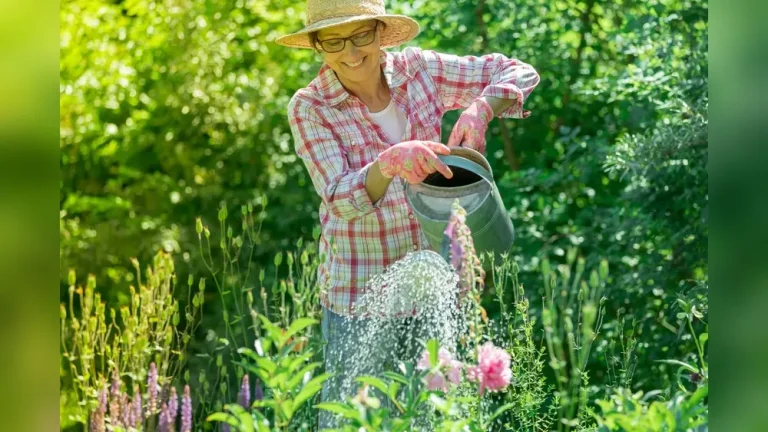
- Use a Watering Can with a Rose: This distributes the water more evenly and gently.
- Water in the Morning: This allows plants to absorb moisture before the heat of the day. It also reduces the risk of fungal diseases.
- Rotate Your Watering Sources: Don’t rely solely on pond water. Mix it with rainwater or tap water. This provides a balanced approach.
- Observe Fish Food: Use high-quality fish food. Avoid foods with fillers or artificial ingredients. This leads to cleaner waste.

Frequently Asked Questions About Pond Water for Gardens
Can I use water from any fish pond for my vegetables?
It’s best to use water from a healthy, well-maintained fish pond. Avoid ponds with sick fish, recent chemical treatments, or known contamination issues. Always filter and potentially dilute the water.
How often should I water my vegetables with pond water?
This depends on your plants, climate, and the concentration of your pond water. Start by using it for every other watering, or mix it with regular water. Observe your plants for signs of over-fertilization or nutrient burn.
What are the signs of over-fertilization from pond water?
Look for yellowing leaves, brown or burnt leaf tips, stunted growth, or weak stems. If you see these, the water might be too concentrated, or you’re using it too often. Dilute it further or reduce the frequency.
Can pond water harm beneficial insects in my garden?
Generally, healthy pond water used appropriately should not harm beneficial insects. However, if the water contains harmful residues from treatments or contaminants, it could pose a risk. Always use clean, filtered, and potentially diluted water.
Should I be worried about heavy metals in pond water?
Heavy metals can be a concern if your pond has collected runoff from contaminated areas or if you’ve used certain pond treatments. Filtering the water can help remove some solids, but dissolved metals are harder to remove. Know your pond’s history to assess this risk.
Is it safe to use pond water if I have koi or goldfish?
Yes, water from healthy koi or goldfish ponds is generally suitable, as these fish produce nutrient-rich waste. The key is that the fish are healthy and the pond is well-managed. Always filter and consider dilution.
Conclusion: A Smart Resource When Handled Wisely
Using fish pond water for your vegetable garden is a smart, sustainable practice. It offers a wealth of natural nutrients. It can save you money and conserve water.
But it’s not a magic bullet. It requires understanding and care.
By ensuring your pond is healthy, filtering the water, and potentially diluting it, you can safely harness its benefits. Always observe your plants and adjust your approach. With a little knowledge, you can turn this overlooked resource into a gardener’s best friend.