How to Zone Irrigation for Mixed Lawns, Beds, Containers
Split a mixed garden into a few irrigation zones: one spray zone for lawn, one drip zone for beds, and one micro-drip zone for containers; keep plants with different water needs on separate valves. If you mix them, you waste water, drown some plants, and underfeed others. This guide shows how to size zones, choose emitters, and keep the controller simple.
This guide is part of our Irrigation systems for home gardens series.
Why mixed plantings need separate irrigation zones
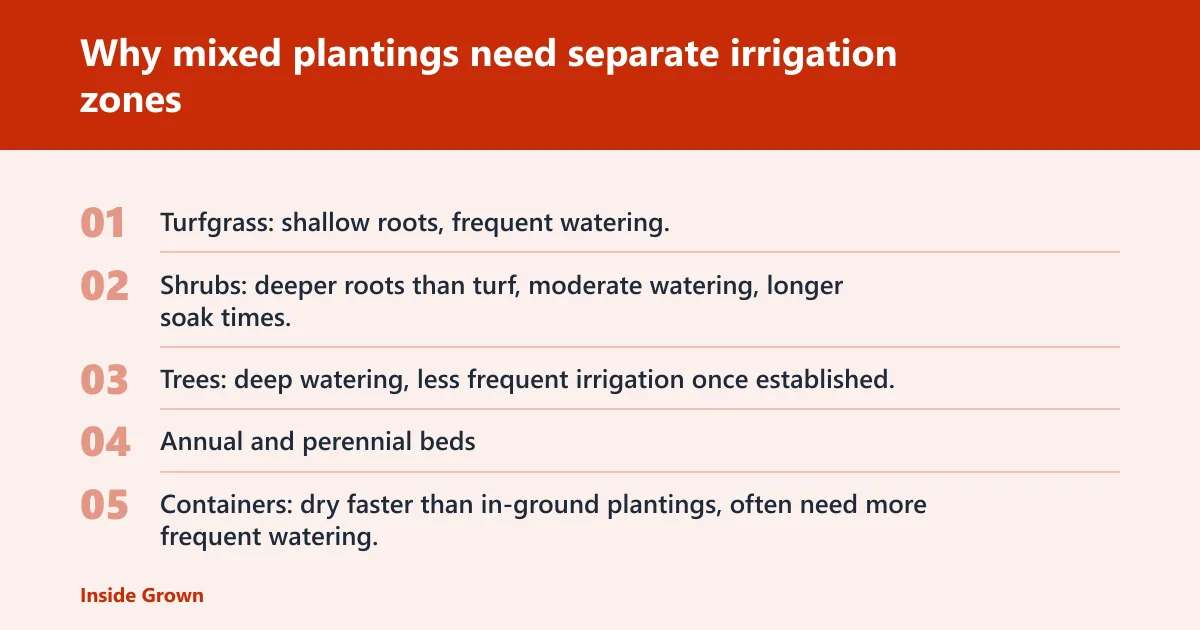


Mixed plantings need separate zones because turfgrass, shrubs, trees, beds, and containers do not store or use water the same way. Turfgrass has shallow roots and needs steady moisture in the top few inches of soil, while trees should be watered deeply and less often once established. Shrubs need longer soak times than turf.
One schedule creates problems fast. A spray cycle that works for lawn can leave beds too wet and containers too dry. A drip cycle that suits shrubs can leave turf patchy. Separate zones cut waste, lower stress on plants, and make it easier to match runtime to each plant group.
How water demand differs by plant type
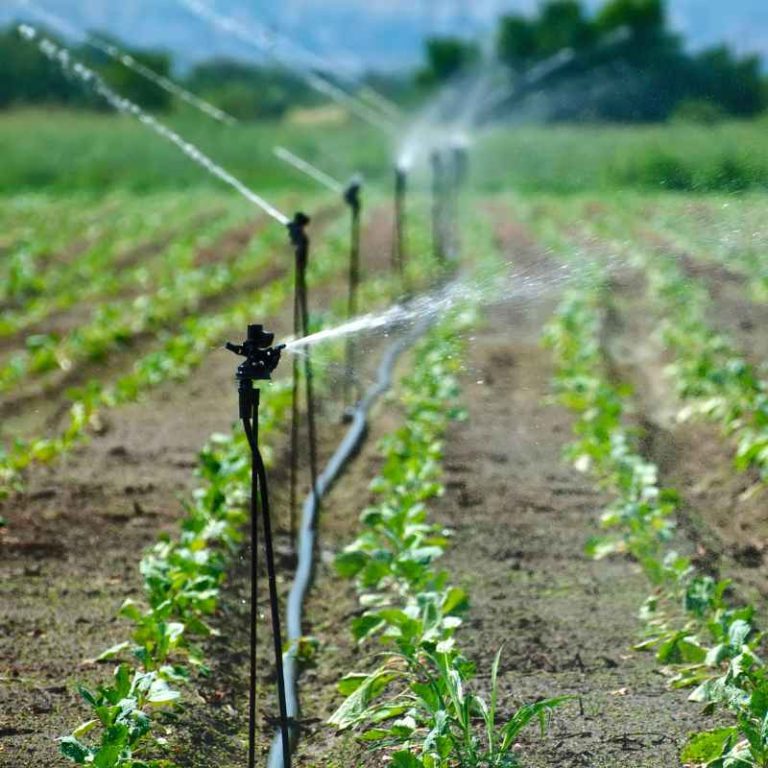
- Turfgrass: shallow roots, frequent watering, best served by sprinkler systems with head-to-head coverage.
- Shrubs: deeper roots than turf, moderate watering, longer soak times, often suited to drip irrigation.
- Trees: deep watering, less frequent irrigation once established, often watered with bubblers or deep-soak emitters.
- Annual and perennial beds: seasonal watering needs, often drip-irrigated, benefit from less overspray and lower evaporation.
- Containers: dry faster than in-ground plantings, often need more frequent watering, and size affects watering frequency.
How to map your yard before you touch the controller
Start with a simple map. Draw the lawn, foundation beds, patio pots, trees, slopes, shady corners, and windy exposures on paper or in a phone sketch. Then mark where the soil changes from sandy to clay and note any elevation shifts. Group areas by similar watering behavior first, not by convenience.
This step keeps the rest of the layout honest. If two areas look close on a plan but one bakes in afternoon sun and the other sits in shade, they should not share a schedule by default. The map also helps you see whether a retrofit can fit on the existing manifold or needs new valves.
What to mark on the sketch
- Trace every planted area and hardscape edge.
- Mark lawn, beds, trees, and containers as separate plant groups.
- Note full sun, part shade, and deep shade zones.
- Mark windy corners, slopes, and low spots.
- Label sandy or clay soil areas if the texture changes.
- Circle any place where a pot cluster or bed line could need its own valve.
Should lawns and drip-irrigated beds be on separate zones?

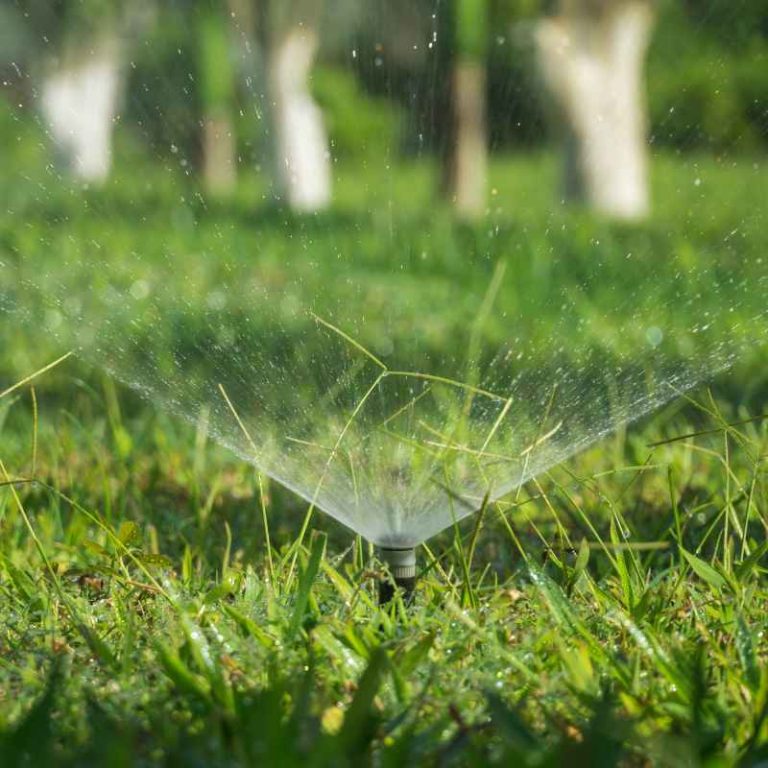
Yes, in most yards they should. Turf usually needs sprinkler coverage and more frequent, shorter runs, while shrubs, annuals, and perennials usually need drip and longer soak times. A lawn zone is built around spray pattern and overlap; a bed zone is built around slow delivery and less evaporation.
One exception is a small, narrow bed that truly shares the same emitter type and watering behavior as another bed. Even then, keep turf out of it. Sprinklers are recommended for turf areas, drip irrigation is recommended for shrubs and beds, and sprinklers use more water than drip in many layouts.
When a bed can share a zone
- Both bed sections use dripline or point-source emitters.
- They sit in the same sun exposure and wind exposure.
- The soil type is similar, or the difference is minor enough to accept a common runtime.
- The planting mix is similar, such as two shrub beds with similar root depth.
When a bed should not share a zone
- One bed is full sun and the other is deep shade.
- One section is sandy soil and the other is clay.
- One section sits uphill and the other is in a low spot.
- One section holds thirsty annuals while the other is established shrubs.
Can containers share a zone with beds or turf?
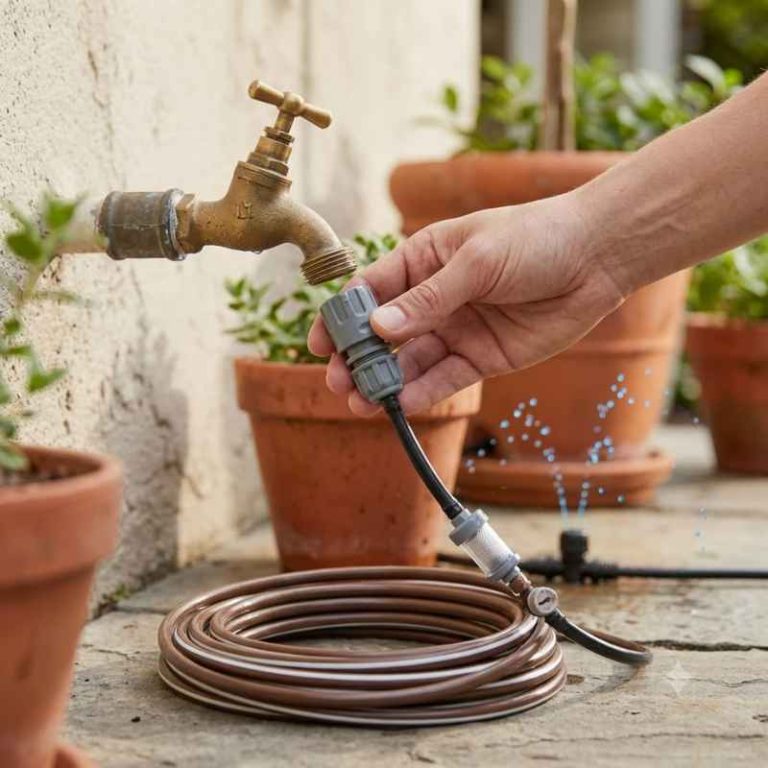
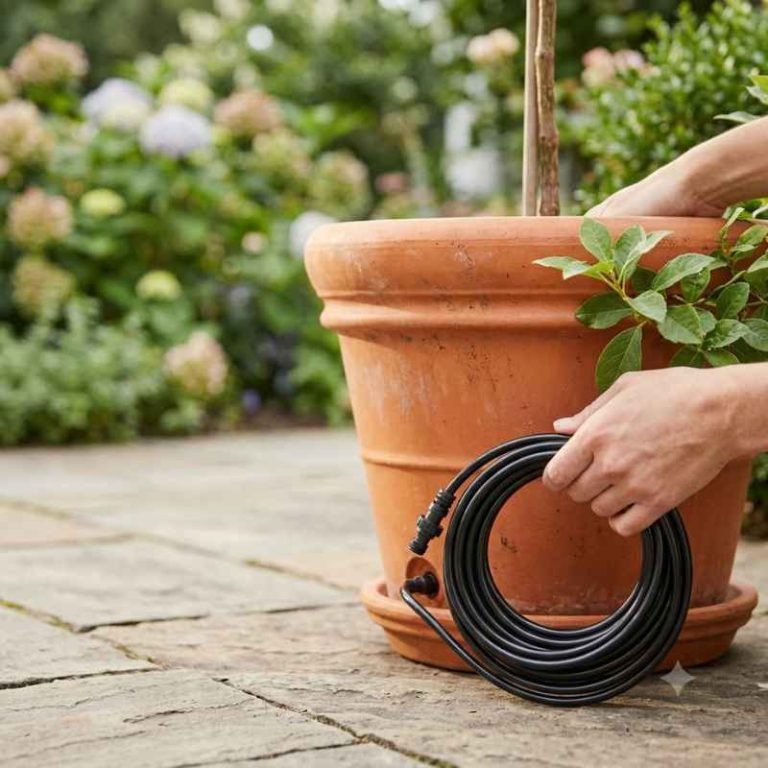
Usually no. Containers often dry faster than in-ground plantings, and larger containers may need watering less often than small pots. Pots often need micro-drip or targeted emitters that deliver water directly to soil, while bed drip is usually tuned for in-ground root zones. Turf schedules are even farther off.
Containers are the first place mixed-zone systems fail. A pot can dry out while the bed around it still looks fine, or it can get overwatered if it inherits a long bed cycle. If the pot group is small and very uniform, it may branch off from a bed zone, but its emitter count and pressure need to be checked carefully.
Container rules that matter
- Smaller pots dry faster than larger ones.
- Sun and wind hit containers harder because they sit above grade.
- Potting mix drains faster than native soil.
- Each pot’s emitter output should match its size and plant demand.
Say your patio has six 12-inch pots and two 24-inch planters beside a foundation bed. The bed may need one drip schedule, but the pots may need a different branch line or a separate valve because the small containers dry first and the larger containers still need a different emitter count.
What irrigation method should I use for lawns versus beds versus pots?
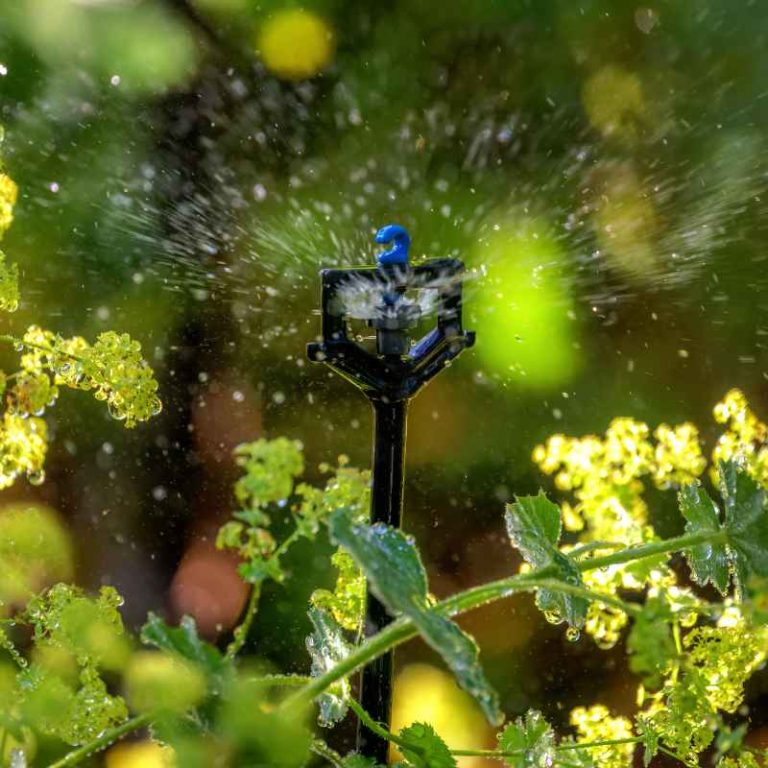
Use sprinklers for turf, drip for shrubs and beds, and micro-drip or targeted emitters for containers. Turf needs head-to-head coverage so the spray patterns overlap and leave no dry strips. Beds do better with drip because it puts water near roots and cuts evaporation. Pots need direct delivery at the container surface.
For trees, choose deep-watering methods such as bubblers or deep-soak emitters, then keep them off turf schedules. Trees need water deeper in the profile and less often once established. A turf cycle aimed at shallow roots can leave a tree under-watered at depth or overwater the area around it.
Method guide by plant group
| Plant group | Best method | Why it fits | Common mistake to avoid |
|---|---|---|---|
| Turfgrass | Sprinklers | Needs shallow, steady moisture and head-to-head coverage | Leaving gaps between spray patterns |
| Shrubs | Drip irrigation | Needs longer soak times and deeper wetting than turf | Running short turf-style cycles |
| Annual and perennial beds | Drip irrigation | Lowers overspray and evaporation | Mixing with lawn spray on the same valve |
| Trees | Bubblers or deep-soak emitters | Supports deep watering and less frequent irrigation | Feeding roots with shallow turf cycles |
| Containers | Micro-drip or targeted emitters | Delivers water directly to soil in fast-drying pots | Sharing a long bed schedule without adjustment |
How do I account for sun, shade, slope, and soil type when zoning irrigation?
These site conditions change how fast water enters the soil and how quickly plants lose moisture. Full sun and wind increase drying, while shade reduces demand. Slope can push runoff downhill before water soaks in. Sandy soil drains quickly and may need separate zoning, while clay soil retains moisture and can change zone run times.
Do not group areas only because they sit near each other. A sunny front strip, a shaded side bed, and a sloped corner may need different runtimes even if they share a controller. Elevation also matters because high spots tend to dry sooner than low spots in the same irrigation cycle.
Practical grouping rule
Group by similar watering behavior first, then by piping convenience. If two areas share the same plant type but differ sharply in sun or soil, split them. If two areas have different plants but nearly identical exposure, soil, and root depth, they may still fit into a shared bed zone.
How do I know if my irrigation zone has enough flow and pressure?
Check flow and pressure before finalizing the layout. Zone size must match system capacity, or even distribution suffers and some heads or emitters will underperform. A zone that is too large can leave dry areas, while a zone that is too small wastes valves and wiring without improving watering.
For lawns, the layout must support head-to-head coverage. For drip, the line must support enough emitters without starving the farthest ones. For containers, pressure and emitter count matter even more because a small branch line can be overloaded quickly.
Capacity checks that prevent bad zones
- Count each sprinkler head, drip emitter, or bubbler on the zone.
- Confirm the system can supply that many outlets evenly.
- Watch for uneven spray, weak drip output, or dry patches at the edge.
- Keep long, high-demand zones from sharing the same valve as containers.
Picture a small front yard with one lawn strip, two foundation beds, and a row of patio pots. If the same valve feeds all three, the pots may need more water than the lawn spray can deliver, and the lawn heads may be forced to run too long for the beds. The result is soggy mulch, thirsty grass, and containers that still look wilted by noon.
Use the mixed-zone planning worksheet
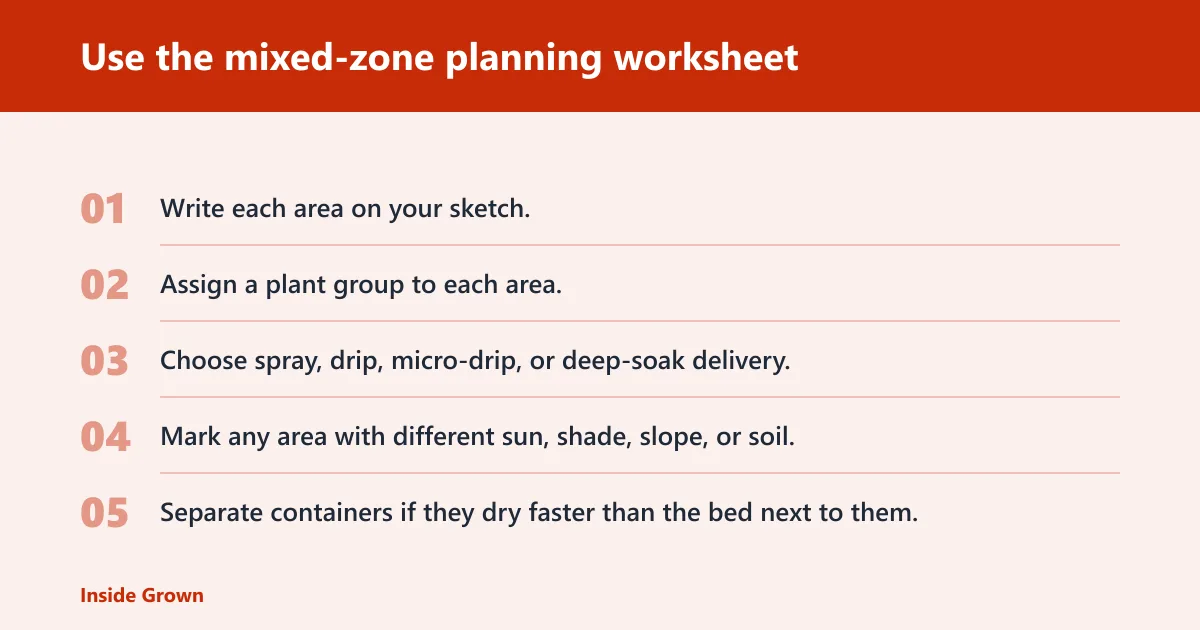
Use this worksheet to split one small yard into a practical layout. The sample below shows how to assign lawn, bed, and container areas to separate zones, estimate relative runtime needs, and flag when containers should stay separate from the bed schedule. Treat the runtime column as a relative guide, not a fixed prescription.
| Area | Sample size | Plant group | Suggested zone | Relative runtime need | Separate from bed schedule? |
|---|---|---|---|---|---|
| Front lawn strip | 600 sq ft | Turfgrass | Spray zone | Short, frequent cycles | Yes, keep separate |
| Foundation bed | 180 sq ft | Shrubs and annuals | Drip zone | Longer soak, less frequent | No, can share with similar bed areas |
| Side yard bed | 140 sq ft | Perennials | Drip zone | Longer soak, less frequent | Maybe, if sun and soil match foundation bed |
| Patio containers | 8 pots, mixed sizes | Container plants | Micro-drip zone | Most frequent of the three | Yes, isolate if pots dry faster than beds |
| Back corner tree | 1 established tree | Tree | Deep-soak emitter zone | Deep, less frequent | Yes, keep off turf schedule |
How to use the worksheet
- Write each area on your sketch.
- Assign a plant group to each area.
- Choose spray, drip, micro-drip, or deep-soak delivery.
- Mark any area with different sun, shade, slope, or soil.
- Separate containers if they dry faster than the bed next to them.
- Check that the final zone size fits the system’s flow and pressure.
How do I set schedules, controllers, and sensors for mixed zones?
A smart controller can help manage mixed zones because it supports weather-based control for mixed zones. That matters when turf, beds, and containers each need a different schedule but still share one controller. Soil moisture sensors can further refine run times by showing when a zone is still wet enough to wait.
Flow monitoring is also useful after zoning. It can reveal underdelivery, leaks, a clogged emitter, or a spray head that is not keeping up. Use it as a performance check after installation and again after any major planting change.
Scheduling approach that keeps the controller simple
- Give turf its own schedule with sprinkler timing tuned to coverage.
- Give beds a separate drip schedule with longer soak periods.
- Give containers their own micro-drip schedule if they dry faster than the beds.
- Use morning or evening watering to reduce evaporation.
- Adjust run time after heat, wind, or planting changes.
Compost mulch can help retain moisture in soil, especially around beds and trees. It does not replace correct zoning, but it can buy more even moisture between runs. It also helps reduce surface drying where drip irrigation is already doing most of the work.
What are the most common mistakes when zoning mixed plantings?
The biggest mistake is combining incompatible plant types on one schedule. Turf spray, drip-fed beds, and containers need different delivery patterns, different runtimes, and different checks. Another common failure is ignoring microclimates, soil differences, and slope because the plants are physically close together.
People also oversize zones to avoid running new wire or pipe. That usually backfires. If flow and pressure cannot support the load, the farthest emitters or heads get shorted first. A smaller, cleaner zone is usually easier to tune than one crowded with mismatched plant groups.
Failure-case walkthroughs
- Mixed lawn and bed zone: the lawn gets enough water, but the bed stays soggy and attracts runoff because the sprinkler cycle is built for turf.
- Bed and container zone: the bed looks fine, but the pots wilt by afternoon because they need more frequent watering than the in-ground roots.
- Tree on turf schedule: the grass benefits from shallow watering, but the tree root zone never gets the deep soak it needs once established.
How often should I adjust irrigation zones after planting changes?
Adjust zones whenever the plant mix, soil surface, or exposure changes. A new shrub bed, a removed tree, or a larger set of containers can change water demand enough to justify a schedule reset. Seasonal changes also matter because annuals, perennials, and container plants often shift in demand over the year.
After planting changes, check whether the area still belongs on the same valve. If the new planting dries faster, needs deeper water, or sits in different sun, it may need a separate branch line or a new zone entirely.
Good times to revisit the layout
- After adding or removing a bed.
- After replacing turf with mulch or groundcover.
- After moving patio containers or switching to larger pots.
- After any change in slope drainage or soil amendment.
- After a new sensor or controller changes how often the system runs.
Do I need smart controllers or sensors for mixed irrigation zones?
They are not required, but they help a lot in mixed systems. A smart controller can use weather-based control for mixed zones, which keeps turf, beds, and containers from following the same rigid calendar. Soil moisture sensors add another layer by showing when a zone really needs water.
If the yard has similar sun, soil, and plant types, a basic controller may still work. Once the layout includes turf, drip beds, container branches, slope changes, and shade pockets, sensors and smart scheduling become a practical upgrade rather than a luxury.
Frequently asked questions
How do I zone irrigation for lawn, garden beds, and containers?
Split the yard into three behaviors first: spray for lawn, drip for beds, and micro-drip for containers. Then map sun, soil, slope, and wind before assigning valves. That order keeps turf, in-ground plants, and pots from competing on one schedule and makes flow checks easier.
Should lawns and drip-irrigated beds be on separate zones?
Yes. Lawns usually need sprinkler coverage and shorter, more frequent runs, while drip-irrigated beds need longer soak times and less evaporation. Keeping them separate prevents soggy mulch, dry turf strips, and schedules that fit neither plant group well.
Can containers share a zone with beds or turf?
Usually not with turf, and only sometimes with beds. Containers dry faster than in-ground planting beds, and pot size changes how much water they need. If the pots are uniform and close to the same exposure, they may branch from a bed zone, but many mixed systems work better with a separate container zone.
How do I account for sun, shade, slope, and soil type when zoning irrigation?
Group areas with similar exposure and drainage. Sunny and windy spots dry faster than shade, sandy soil drains quickly and may need separate zoning, and clay soil retains moisture and can change zone run times. Slope also matters because water may run off before it soaks in.
How do I know if my irrigation zone has enough flow and pressure?
Check whether every head or emitter can run evenly while the zone stays within the system’s capacity. Weak spray, uneven drip output, and dry spots at the far end are warning signs. If a zone needs too many outlets, split it before finalizing the controller program.
How can I water containers more efficiently without overwatering lawns?
Give containers their own micro-drip line or a dedicated branch from the bed system. Targeted emitters deliver water directly to soil, which helps pots dry at their own rate instead of following the lawn’s schedule. Larger containers can reduce how often watering is needed, but they still should not inherit turf timing.