How to Make an Irrigation System Without Electricity
Build a no-electricity irrigation system by matching method to your water source and pressure: gravity-fed drip works for small beds with a tank raised above the emitters, while siphon, wicking, and hand-fill systems fit lower-pressure setups. Pick the wrong setup and plants dry out, beds flood, or hoses clog because the flow cannot stay steady. This guide shows how to choose the right method by garden size and source, then set up the simplest system that will actually water.
Can irrigation work without electricity?


Yes. A garden can be watered without electricity if gravity, capillary action, or manual filling supplies the water instead of a pump. The main limit is pressure head: a higher tank gives more pressure, but small elevation changes still produce very low pressure, so the method has to match the flow demand.
For a gravity-fed system, the usable pressure comes from the height difference between the water surface and the outlet. As a rough rule, 1 meter of water head gives about 0.1 bar, so a 20-inch rise is only a small fraction of a bar. That can feed some low-pressure lines, but not ordinary drip hardware built for pressurized mains.
When a no-electricity setup is practical
Use gravity or capillary methods when you have a small garden, short lines, and one reliable water source such as rainwater in a barrel, cistern, or water butt. These systems work best when you can place the tank above the bed and keep the layout simple. Long runs and many branches add friction loss fast.
Rainwater often works best because it stores cleanly and lets you water off-grid after a dry spell. A manual shutoff at the tank or outlet also matters, because you need a way to stop flow once the bed is wet enough.
Which systems need more pressure than a barrel can give?
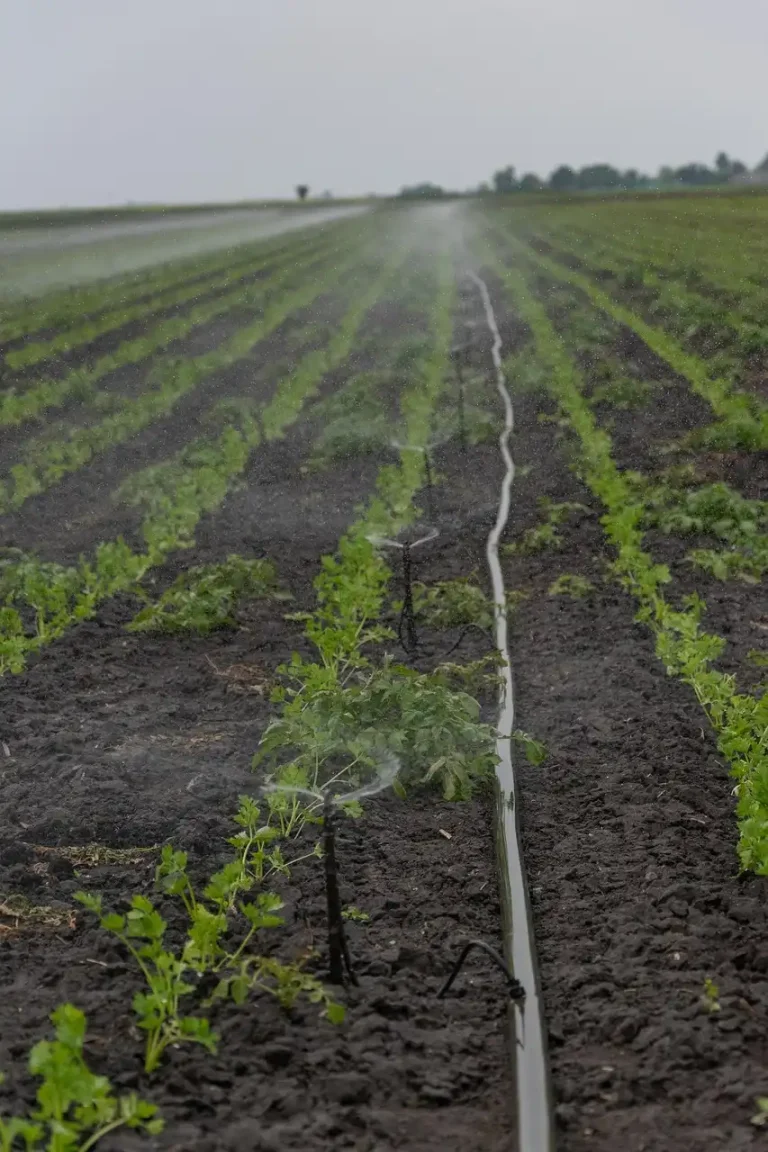
Many standard drip emitters, micro-sprayers, and sprinklers need more pressure than a small elevated barrel can supply. They may drip unevenly, fail to start, or clog at the first restriction. A sprinkler system generally needs electricity or much higher pressure than a home rain barrel can provide.
Choose emitters, tape, or porous hose rated for gravity use, or switch to capillary irrigation and manual-fill methods if the tank cannot sit high enough.
Choose the right no-electricity method
Pick the method by garden size, water source, and crop type. Small beds and containers can use capillary or manual-fill setups. Medium beds can use gravity-fed drip if the line is short and the fittings are simple. Wide areas and long rows need either a larger elevated tank, a different layout, or a lower-tech watering method.
Match garden size to water source
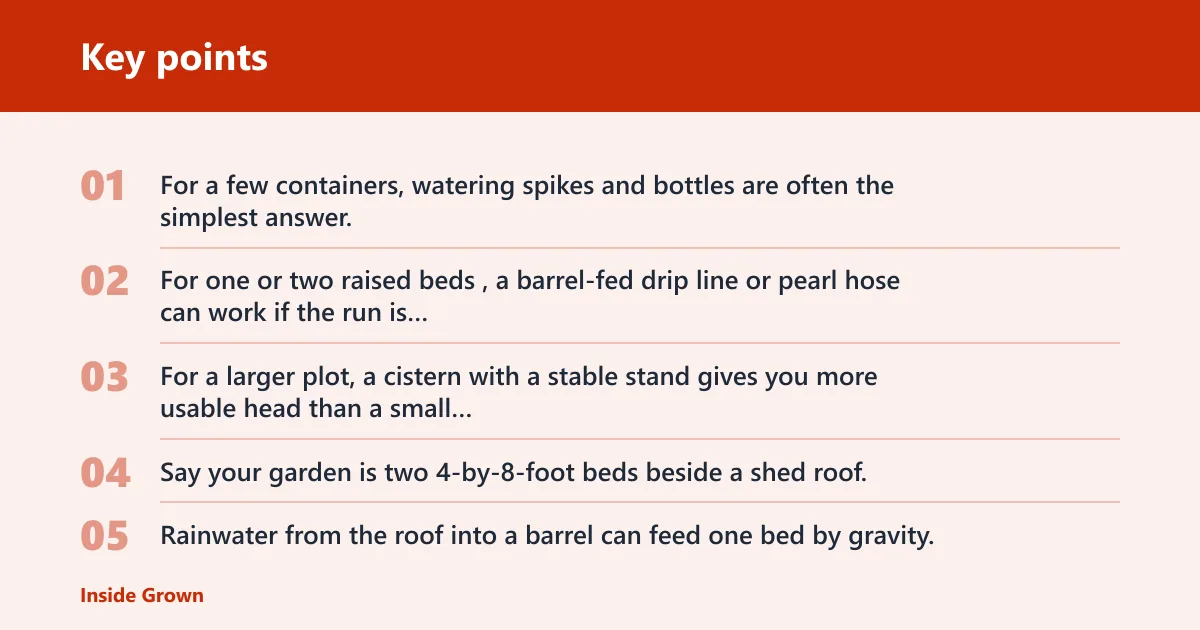
For a few containers, watering spikes and bottles are often the simplest answer. For one or two raised beds, a barrel-fed drip line or pearl hose can work if the run is kept short. For a larger plot, a cistern with a stable stand gives you more usable head than a small barrel, but only if you keep the lines compact.
Say your garden is two 4-by-8-foot beds beside a shed roof. Rainwater from the roof into a barrel can feed one bed by gravity, but a third bed across a long path may need a second barrel closer to the plants or a different method, because pressure drops with every extra foot of tubing and every elbow.
Match elevation head to plant type
Leafy greens and shallow-rooted crops can tolerate a simple wetting pattern. Tomatoes, peppers, and other fruiting plants do better with deep soakings and less frequent watering. Group plants by water need, then choose a method that delivers water slowly and evenly enough for that group.
The more height you have, the wider your options. A tall tank can run low-pressure drip more reliably, while a low barrel may be better suited to pearl hose, porous vessels, or wicking beds. More height does not fix poor filtration or long, tangled tubing.
Avoid the methods that fail at low pressure
Skip standard high-pressure drip emitters, pop-up sprinklers, and long branched mains if your only source is a low barrel. The first failures are usually clogging, uneven flow at the far end, and weak output after the line has split several times. A stand that wobbles or settles is another common failure point.
Irrigation method decision table
This table matches common garden situations to the simplest method that is likely to function. It also shows what to avoid, because the wrong hardware fails fast at low pressure.
| Garden scenario | Best no-electricity method | Likely pressure limit | What to avoid | Basic parts list |
|---|---|---|---|---|
| 1 to 4 containers on a patio | Watering spikes and bottles | Minimal; manual fill only | Sprinklers, long drip runs, fine emitters | Bottles, spikes, small knife or drill, mulch |
| One small raised bed under a barrel | Pearl hose or gravity-fed drip with low-pressure tape | Very low; short run only | Standard drip emitters designed for mains pressure | Rain barrel, stand, filter, shutoff, hose, low-pressure tape or pearl hose |
| Two short beds with a simple layout | Gravity-fed drip with short branches | Low; best with little friction loss | Many elbows, long loops, high-flow sprinklers | Cistern or barrel, filter, shutoff, gravity-rated tape, stakes, overflow hose |
| Leafy greens in a small mixed garden | Capillary irrigation or wicking beds | No pressure needed | Trying to force drip hardware to do the job | Bed liner or tray, wicking medium, water reservoir, wick material |
| Rows spread across a larger yard | Multiple small gravity zones or hand-fill methods | Low; pressure drops over distance | One long line fed from one low barrel | Two barrels or a larger cistern, filter, shutoff valves, separate short runs |
How high should a rain barrel be?
High enough to create useful head for the method you choose. For gravity-fed drip, a barrel should be elevated above the irrigated area, but a small lift only creates a small pressure increase. A tank just a few inches above the bed may wet a porous hose; it will not reliably run ordinary drip emitters.
A useful setup starts with a stable stand, not a tall guess. The height has to be secure enough that the tank cannot tip when full, and high enough to overcome friction in the line. That tradeoff matters more than chasing a number on paper.
What elevation head means
Elevation head is the pressure created by the height difference between the water surface and the outlet. More height means more pressure. A practical gravity system depends on that difference, so the tank must sit above the irrigated area and the tubing must stay short and simple.
Why more height helps but does not solve everything
Height helps, but pressure is still limited by distance, fittings, and filter resistance. A long line with many bends can lose enough flow that the far end drips weakly while the near end floods. That is why short runs and minimal friction loss matter in gravity-fed irrigation.
Picture a barrel on a stand beside one raised bed. The first half of the bed wets fine, but the last section stays dry because the line is long and the filter is too fine for the low head. The fix is not a bigger emitter; it is a shorter layout and fewer restrictions.
Build a gravity-fed drip line
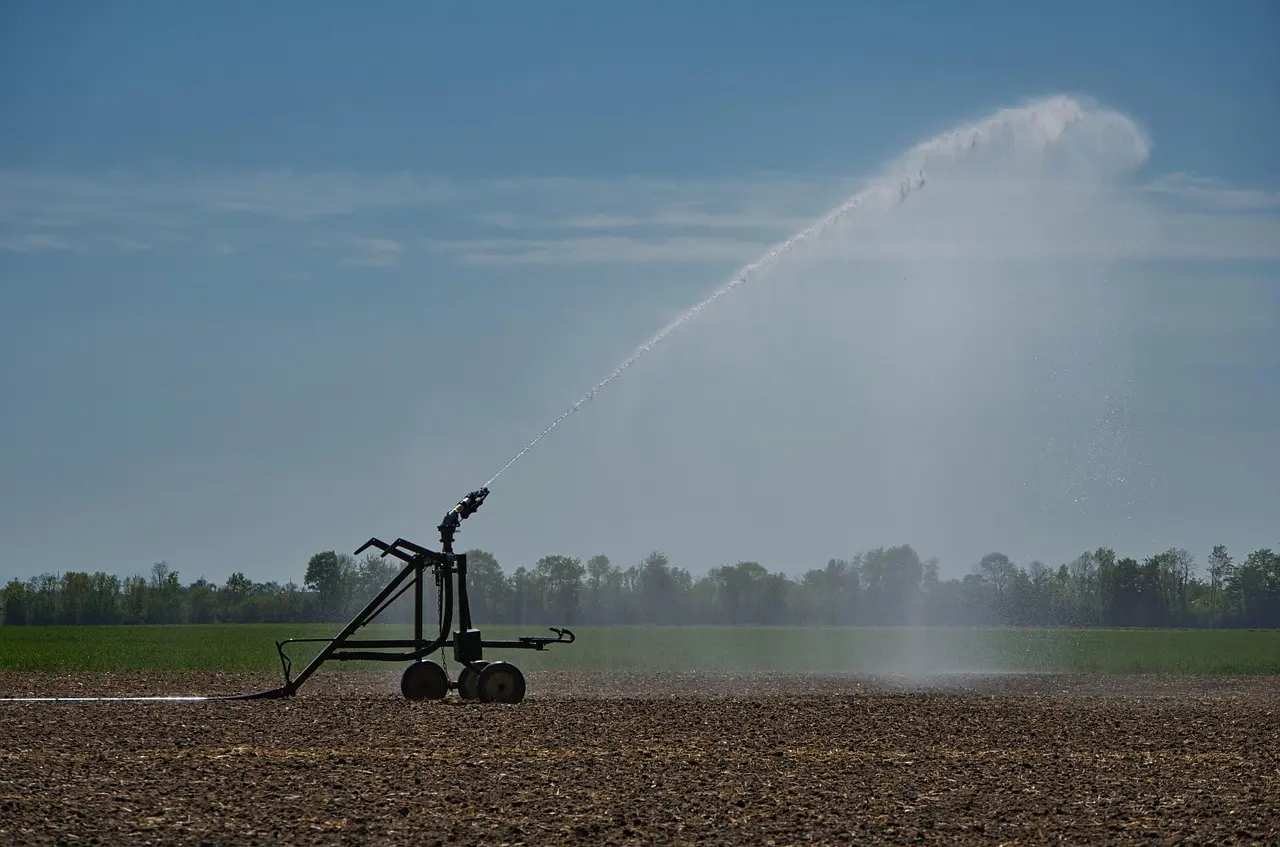
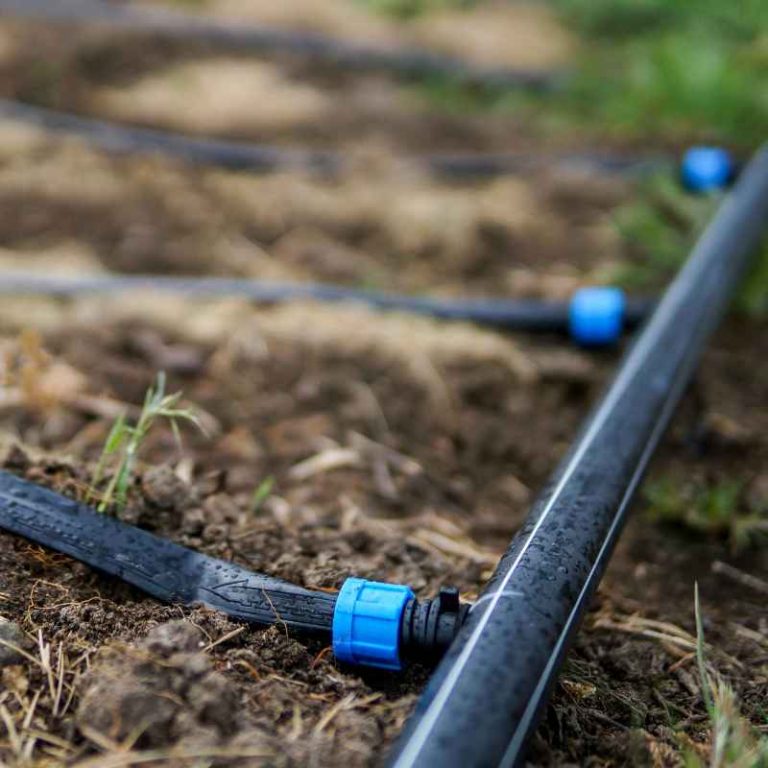
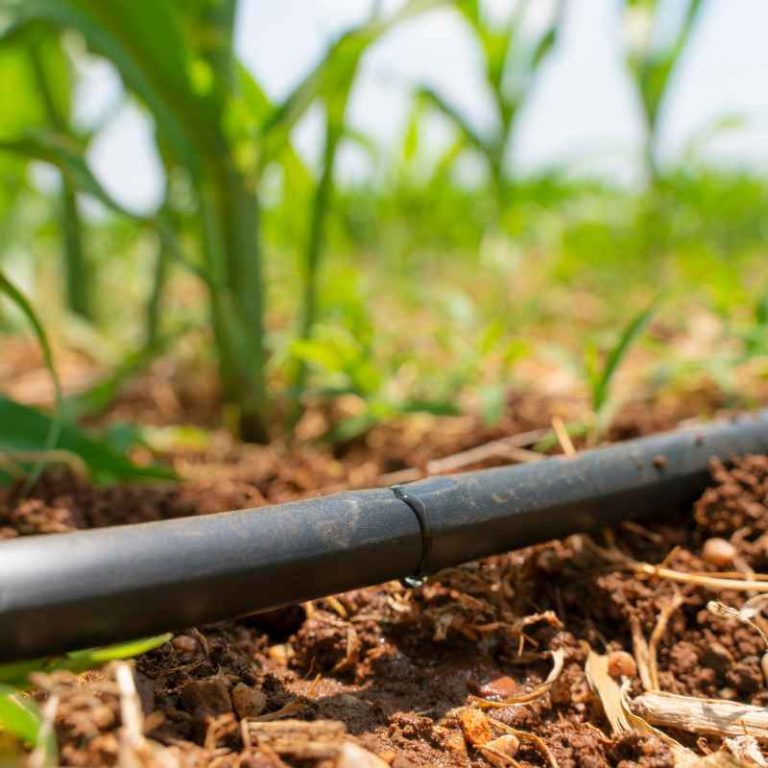
A gravity-fed drip line is the simplest true irrigation setup for a small off-grid garden. It works by using elevation instead of a pump. Use low-pressure-compatible emitters or drip tape designed for gravity systems, keep the run short, and add a reliable shutoff so the bed can be filled, then stopped.
Use a rain barrel or cistern with overflow control
Collect roof runoff into a rain barrel, cistern, or water butt, then place it on a stable stand above the bed. Add overflow management so excess rain does not undermine the base or splash against the structure. If the storage is open to debris, use inlet filtration before the tank as well.
Install filtration before the irrigation line
A filter is essential in low-pressure systems. Put it before the irrigation line, and in rainwater systems place filtration at the inlet and again before the outlet if the tank can collect sediment. Fine debris is the main cause of early clogging because low-pressure lines have less force to push particles through.
Choose low-pressure emitters or gravity-rated drip tape
Use emitters or tape made for gravity flow, not standard pressure-compensating parts meant for pressurized supply. Many ordinary emitters need more pressure than a small barrel can deliver. If the output is uneven, the first thing to suspect is not the plants; it is the pressure rating of the hardware.
Add a simple shutoff at the outlet
Install a valve or tap where the water leaves the tank. That gives you manual control over the flow and lets you stop irrigation after the bed is saturated. A simple sprinkler timer can automate release on some setups, but only if the pressure and valve type suit a gravity system.
- Mount the barrel or cistern on a stable stand above the bed.
- Fit overflow drainage so the tank cannot spill against the base.
- Install a filter before the outlet or before the line, depending on tank setup.
- Run one short line to the bed with as few elbows as possible.
- Use gravity-rated tape, low-pressure emitters, or pearl hose.
- Add a shutoff valve and test for even wetting from end to end.
What filter do you need?
Use a filter sized for low-pressure irrigation and for the quality of the source water. Rainwater and open-source water often carry grit, leaf bits, algae, or roof debris. In a low-pressure setup, that material clogs small passages faster because there is less force to flush it through.
Where the filter goes in the system
Place the filter before the irrigation line, and if your system collects dirty roof runoff or tank sediment, consider inlet filtration before storage as well. The point is to stop debris before it reaches narrow tubing, porous hose, or emitters. Once those passages clog, flow across the whole line becomes uneven.
What to expect with rainwater or open-source water
Rainwater is usually better than canal or pond water, but it still needs debris control. Open tanks need more frequent inspection because sediment settles at the bottom and can move into the outlet when the tank is low. A clean filter protects the weakest part of the system, which is usually the emitter or porous hose surface.
Other low-tech watering options
If gravity-fed drip is too fussy, switch to a method that needs almost no pressure. Pearl hose, capillary systems, and manual-fill containers are better fits for tiny beds, shallow-rooted crops, or spaces where a raised tank would be unstable or awkward.
Pearl hose for low- or no-pressure watering
A pearl hose is a porous hose that releases water along its length. It is designed for minimal or no pressure, and it is not the same thing as standard drip tube. Use it on short runs where you want a slow seep instead of discrete emitter points.
Capillary irrigation for beds and containers
Capillary irrigation moves water by capillary action instead of by pressure. Wicking beds and porous vessels fit this category. They are useful when you want a small reservoir to keep the root zone damp without the plumbing demands of drip hardware.
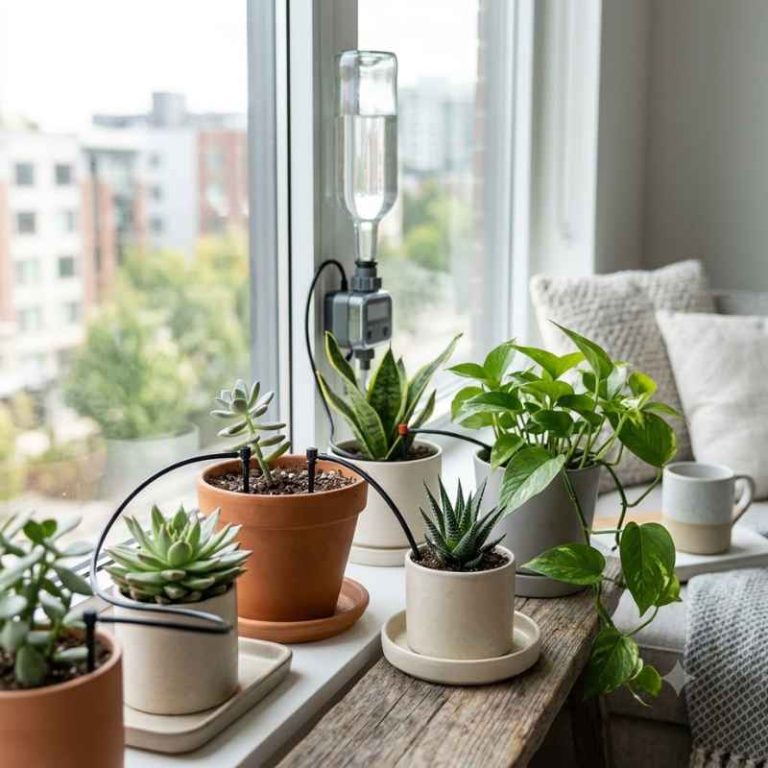
Watering spikes and bottles for small spaces
Watering spikes and bottles are the cheapest off-grid option for containers and very small beds. Fill them manually, set them in place, and let them release water slowly. They are slow, but they avoid pressure problems entirely and can bridge a short dry spell.
A common first-timer mistake is trying to make one low barrel feed a long row of tomatoes with ordinary drip parts. The near plants get too much, the far plants get too little, and the filter catches enough debris to slow the line further. A shorter run or a different method solves the problem faster than adding more fittings.
Frequently asked questions
Does a sprinkler system need electricity?
Usually, yes. A conventional sprinkler system depends on pressurized water, and most home setups need electricity for the pump, controller, or both. Gravity alone rarely provides enough pressure for even spray patterns across a lawn or wide bed. For low-pressure gardens, choose drip, pearl hose, capillary, or manual-fill methods instead.
Do irrigation systems use electricity?
Many do, but not all. Pumped drip, sprinkler, and timer-controlled systems often use electricity, while gravity-fed drip and capillary systems do not. The deciding factor is whether the system needs mechanical pressure or only a height difference and simple flow control. Off-grid gardens should start with the least demanding option.
How can I make a drip irrigation system work without electricity?
Use a tank or barrel above the bed, keep the line short, install a filter before the irrigation line, and choose drip tape or emitters rated for gravity flow. Avoid standard high-pressure emitters. A shutoff valve at the outlet helps you stop flow once the bed is evenly wet.
How high does a rain barrel need to be for gravity-fed irrigation
High enough to create enough head for the hardware you choose. For a small gravity-fed setup, even a modest rise can feed pearl hose or wicking systems, but ordinary drip parts often need more pressure than a low stand can provide. More height gives more pressure, but it does not fix bad filtration or long runs.
What irrigation methods work without running water or power
Gravity-fed drip, pearl hose, capillary irrigation, watering spikes, bottle drippers, and wicking beds all work without running water or power. The best choice depends on garden size and how high you can place the storage tank. Small gardens are usually better served by simple low-tech methods than by complex tubing.
Can I run a garden irrigation system from a rain barrel?
Yes, if the layout matches the barrel’s limited pressure. A rain barrel can run a small gravity-fed system, especially for one bed or a few containers. It needs a stable stand, overflow management, and filtration. A long, branched system with standard emitters is much less likely to work well.
What filter do I need for a no-electricity irrigation system?
Use a filter that protects low-pressure lines from sediment, leaf bits, and roof debris, and place it before the irrigation line. Rainwater systems benefit from inlet filtration too. The exact screen size depends on the hardware, but the rule is simple: the lower the pressure, the more important clean water and early filtration become.
Can I water a garden without a hose or electricity?
Yes. Use watering bottles, spikes, wicking beds, porous vessels, or a small gravity-fed tank with a short line. These methods are especially useful for containers and tiny beds. They avoid the need for a hose altogether and keep the system simple enough to manage by hand.