Gravity-Fed Irrigation System From a Rain Barrel: Setup
A gravity-fed rain barrel irrigation system can work for low-pressure drip lines when the water surface sits a few feet above the emitters; if you need higher pressure or longer uphill runs, add a pump instead. Build it wrong, and it clogs, dribbles, or starves plants while wasting the rain you stored. I set these up by checking height first, then flow, then fittings, because that order tells you whether gravity will carry the load before you buy parts.
What you’ll need
- Rain barrel on a stand or other elevated base
- Swivel adapter to transition from hose to poly tubing
- 100-micron Streamlined Drip Irrigation Filter
- 1/2-inch irrigation main line
- 1/4-inch pre-drilled emitter line
- Inline emitters for vegetable rows
- Bubbler emitters for ornamentals and irregular spacing
- Goof Plug for row ends
- Figure-8 End Fitting for the mainline end
- No-Pressure Irrigation Timer, if you want timed cycles and it is rated for low pressure
- Basic hand tools for cutting and assembling tubing
Can you irrigate from a rain barrel with gravity alone?
Yes, if the layout matches the pressure you actually have. Gravity-fed drip irrigation runs without electricity or a pump, and it works best when the garden stays at or below the barrel’s water level. If the run climbs higher than that, flow can fade or stop as the barrel empties.
What makes low-pressure flow work
The best setups are short, simple, and downhill from the tank outlet. A rain barrel is the stored water source, so its outlet height matters more than the label on the barrel. Keep the line below the water surface, use tubing sized for low restriction, and avoid fittings that pinch flow.
When a pump becomes the better choice
Add a pump when the garden sits lower than the barrel but the line has to climb over uneven ground, when runs are long, or when you want more sprinkler-like output. A pump also makes sense for mixed beds that need different flow rates in one zone. Gravity is fine for low demand. It is weak for anything that needs push.
What you’ll need
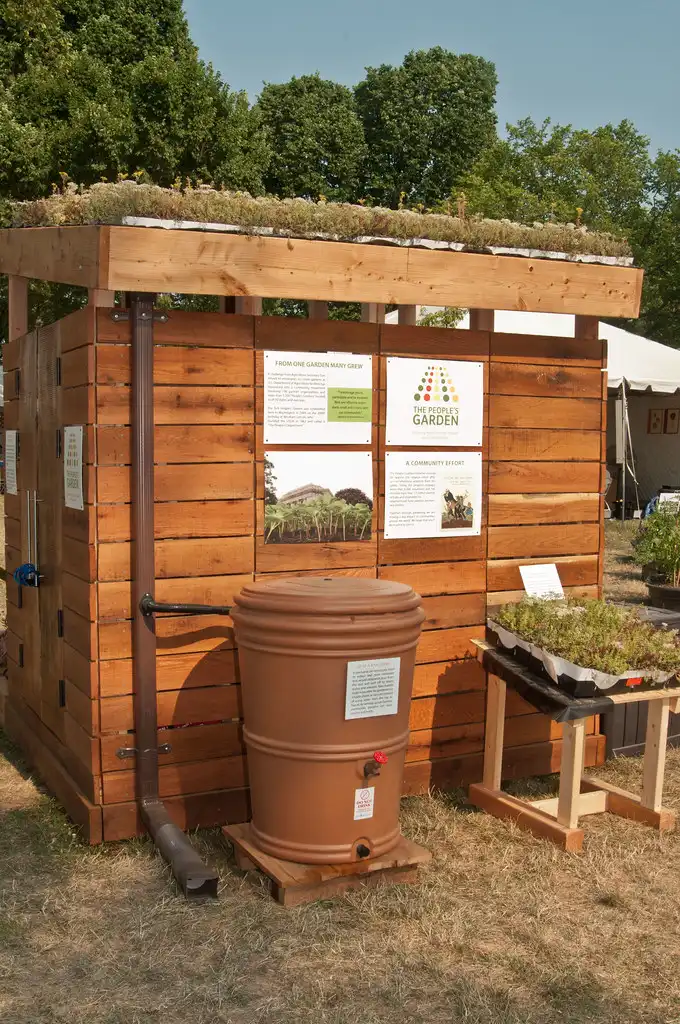
Think in layers, not random parts. Start with the barrel and stand, then add the 100-micron filter, swivel adapter, 1/2-inch mainline tubing, 1/4-inch branch line, emitters, and end fittings. If you want scheduled watering, use a No-Pressure Irrigation Timer that is compatible with low pressure.
Parts that matter most
The filter traps roof grit, leaf bits, and fine silt before they reach emitters. The swivel adapter connects the barrel outlet cleanly to tubing. The 1/2-inch mainline carries water to the beds, and the 1/4-inch pre-drilled emitter line feeds each row or plant group. End the mainline with a Figure-8 End Fitting and cap row ends with a Goof Plug.
How to set up the system step by step
- Raise the barrel so the outlet sits above the beds.
- Install the swivel adapter and 100-micron filter at the drain valve.
- Attach the No-Pressure Irrigation Timer only if it is rated for low pressure.
- Run 1/2-inch mainline tubing from the barrel to the garden.
- Branch into 1/4-inch pre-drilled emitter line for each bed or row.
- Use inline emitters for vegetables or row crops, and bubbler emitters for irregular plant spacing.
- Cap row ends with Goof Plugs and secure the mainline with a Figure-8 End Fitting.
- Turn on the barrel and check every joint for drips, slow starts, or dry sections.
Why this order works
Gravity systems fail fast when the outlet, filter, or tubing order creates too much restriction. Mounting the filter near the drain valve can help catch grit before it reaches the emitters. Keeping the mainline first and the branch lines later preserves flow. Testing at full barrel level tells you whether the layout will still work as the tank drains.
How high does the barrel need to be?

For low-pressure drip, the water surface usually needs to be a few feet above the emitters for reliable flow. The guide can work when the barrel sits only slightly higher than the irrigation area, but the margin gets thin quickly. As the water level drops, pressure drops with it, so the usable height is not just the stand height.
Practical height targets for short runs
Short, straight runs with 1/2-inch mainline tubing and a simple row layout usually tolerate the least elevation loss. If the bed is level with the barrel and the tubing stays lower than the water line, gravity can move water well enough for drip emitters. If the layout asks the line to climb, the system gets unreliable fast.
Why line length and tubing size change the result
Longer hose runs and smaller tubing create more restriction. A 1/2-inch mainline helps carry water farther than a narrow line alone, and 1/4-inch branches should stay short. That is why gravity systems are better for beds close to the barrel than for far corners of a yard.
Troubleshooting decision table
| Barrel height | Line length | Bed layout | Planting type | Likely result | Part choice |
|---|---|---|---|---|---|
| Water surface about 4–6 feet above emitters | Short | Straight row bed | Vegetables | Likely success | 1/2-inch mainline, 1/4-inch pre-drilled emitter line, inline emitters |
| Slightly higher than the bed | Moderate | Raised bed with one zone | Mixed herbs and greens | Weak flow, may need adjustment | Shorten the run, keep the line below water level, use fewer emitters |
| Water level drops near outlet height | Long | Uneven ground | Shrubs | Failure likely as barrel empties | Add a pump or raise the barrel higher |
| Water surface above all tubing | Short to moderate | Irregular spacing | Ornamentals | Likely success | Bubbler emitters, shorter branch lines, 100-micron filter |
| Only a slight height difference | Long with uphill sections | Mixed beds and lawn edge | Vegetables and ornamentals | Failure likely | Use a pump or split into shorter zones |
What parts are different for rows, raised beds, and mixed plantings?
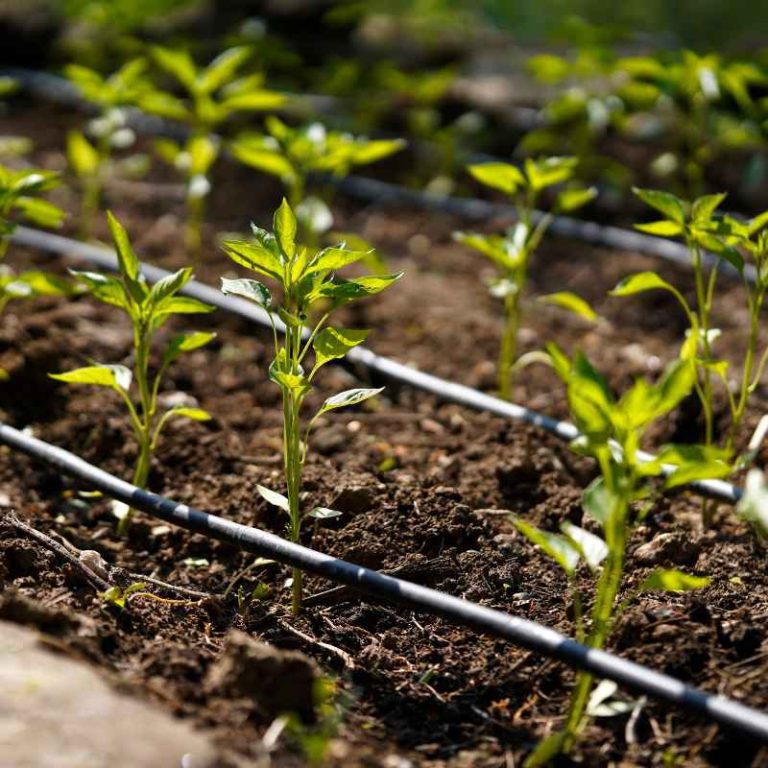
Inline emitters can be a good choice for vegetable gardens and regular row spacing. Bubbler emitters can be a good choice for ornamental gardens and irregular spacing. The mainline, filter, swivel adapter, and end fittings stay the same; what changes is the branch layout and how much flexibility each plant needs.
Inline emitters for rows
Use 1/4-inch pre-drilled emitter line for straight rows, especially where plants repeat at even spacing. This keeps water delivery predictable and reduces wasted flow. Cap unused ends with Goof Plugs so pressure does not bleed off across the row.
Bubbler emitters for irregular spacing
Choose bubbler emitters when shrubs, ornamentals, or mixed perennials are spaced unevenly. They handle messy layouts better than fixed row spacing. That makes them useful in front beds, around patio containers, and in curved borders where a straight emitter run would miss plants.
Retrofit notes for long hose runs and uneven ground
Long hose runs are common failure points. Keep the mainline as direct as possible, run it below the water surface, and avoid letting the tubing rise over dips or roots. If the yard slopes away from the barrel, gravity flow weakens at the far end first. In that case, split the garden into shorter zones or add a pump.
When will a gravity-fed rain barrel system stop flowing?
It stops when the water level drops below the highest point the line has to climb, or when friction from distance and fittings exceeds the weak pressure gravity can provide. That is why a system may work full and then quit halfway through the barrel. The water is still there, but the pressure is not.
How to keep flow going as the barrel level drops
Keep the outlet and all tubing below the barrel’s water surface as long as possible. Use the 1/2-inch mainline first, then short 1/4-inch branches. Reduce emitter count if the last plants in the run go dry before the rest. For larger beds, use multiple barrels or a pump rather than forcing one low-pressure zone to do too much.
Maintenance that prevents slow failure
Flush the line periodically, especially after the first dirty runoff from the roof. Silt builds up in gravity systems because tiny bits settle in low spots and at emitters. Clear the filter, check for biofilm, and open the Goof Plugs or end fitting now and then to purge debris. In cold weather, drain and store the tubing.
Do you need a pump for rain barrel irrigation?
No, not for every setup. Gravity alone can water gardens, shrubs, and trees when the bed is close, the run is short, and the line stays below the water level. A pump becomes the better choice when the garden is far away, the ground rises, or the plants need more pressure than drip can provide.
When to choose a pump instead of more barrel height
If raising the barrel would make it unstable, awkward to fill, or hard to service, stop there and use a small pump. That is often the cleaner fix for uneven ground or partial-shade beds spread across a yard. A taller stand can help, but only if the structure is solid and the run remains short.
How do you automate a rain barrel drip irrigation system?
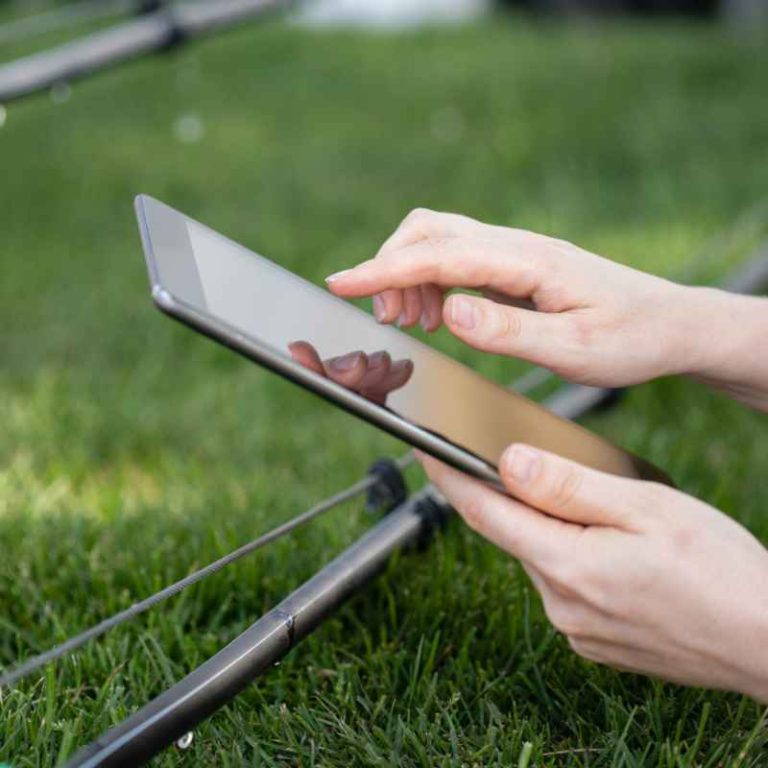
Use a No-Pressure Irrigation Timer only if it is built for low-pressure use. Standard timers can choke a gravity-fed line. Place the timer near the barrel outlet, after the swivel adapter and before the mainline, so the system still opens and closes cleanly without stealing too much flow.
Simple automation setup
Set one timer for each zone if the garden has mixed crops or different water demands. Vegetables and thirsty annuals may need more frequent cycles than shrubs. Keep the program short at first, then watch whether the farthest emitters stay wet through the full cycle. If they do not, shorten the run or reduce the number of outlets.
Common mistakes
Skipping the filter is the fastest way to clog emitters. Using pressure-dependent parts in a low-pressure system creates weak drips and uneven watering. Letting the line rise above the barrel water level can stop flow as the tank drains. Leaving silt, leaves, and biofilm in the system makes the next failure look random when it is not.
Prevention
Before the first season ends, flush the barrel, open the line ends, and check the filter after any roof wash-off or heavy storm. That small habit catches debris before it packs into emitters.
Frequently asked questions
Can you irrigate a garden from a rain barrel with just gravity?
Yes, if the garden is close, the tubing stays below the water level, and the emitters are low-pressure types. Gravity-fed drip irrigation works for vegetables, shrubs, raised beds, and ornamentals when the layout matches the available head. It is the wrong choice for sprinkler-style coverage.
How high does a rain barrel need to be for gravity-fed drip irrigation?
A practical target is about 4–6 feet above the emitters. Lower can work for short runs, but the margin shrinks as the barrel empties. The real rule is simple: the water surface has to stay above the highest point in the irrigation line.
What kind of tubing works best for a gravity-fed rain barrel system?
Start with 1/2-inch irrigation main line and branch into 1/4-inch pre-drilled emitter line. That combination keeps restriction down while still letting you feed individual rows or plants. Use a swivel adapter at the barrel outlet so the tubing connection stays tidy and serviceable.
Do you need a filter on a rain barrel drip irrigation system?
Yes. A 100-micron filter mounted at the drain valve helps keep grit and roof debris out of the emitters. Gravity systems are sensitive to clogging because they do not have spare pressure to push through partial blockages. Clean the filter regularly or flow will fall off.
Can a gravity-fed system water raised beds and vegetable rows?
Yes, if the beds sit at or below the barrel water level and the runs are short enough. Inline emitters fit vegetable rows and regular spacing best. Bubbler emitters fit irregular spacing and ornamentals better. Mixed beds may need separate branches or separate barrels.
How do you keep gravity-fed irrigation working as the barrel level drops?
Keep the barrel higher than the beds, keep the tubing low, and shorten the run where possible. If the line must climb or the farthest plants dry out first, the system is outgrowing gravity. At that point, add a pump, raise the barrel, or split the garden into smaller zones.