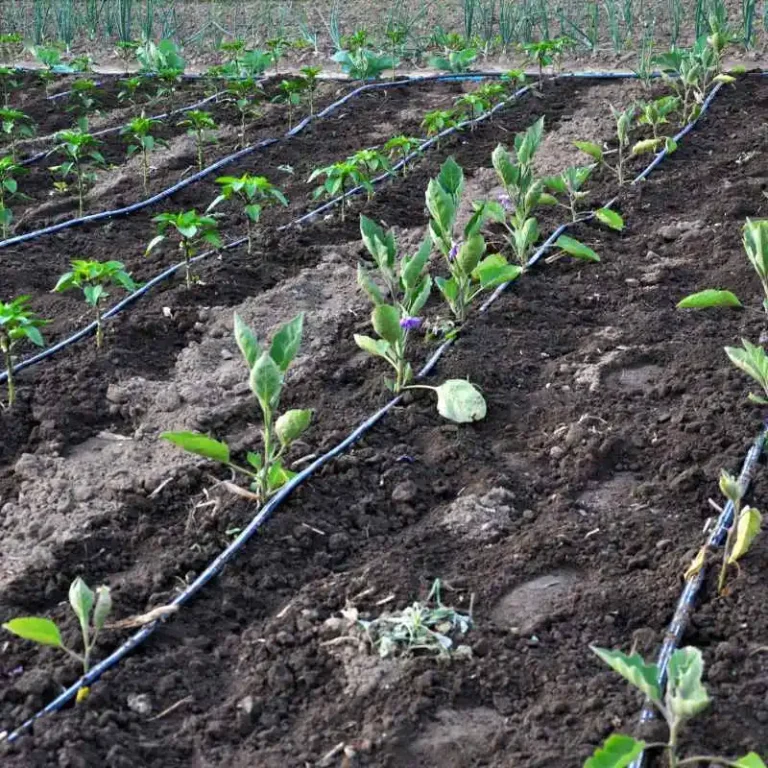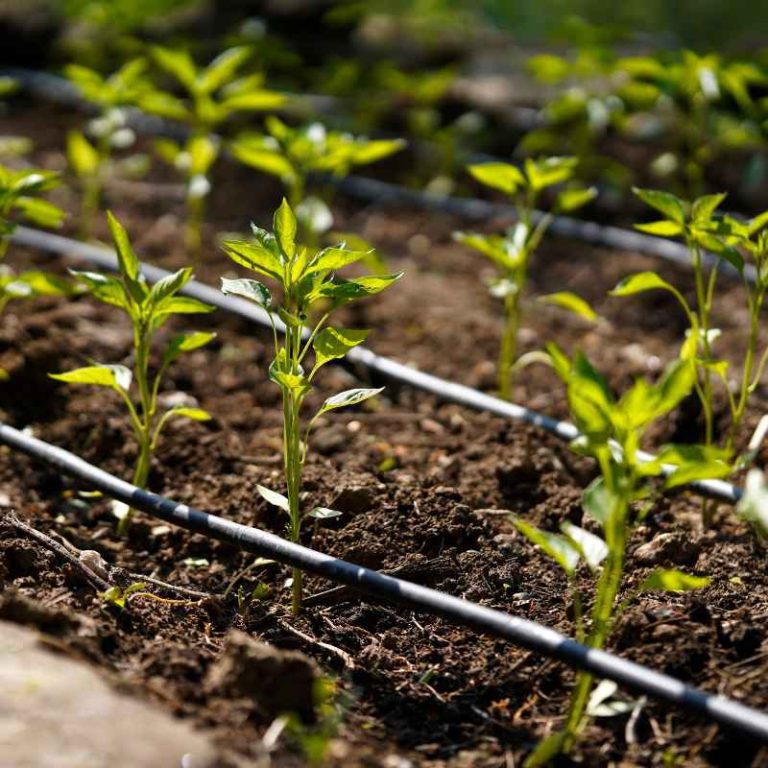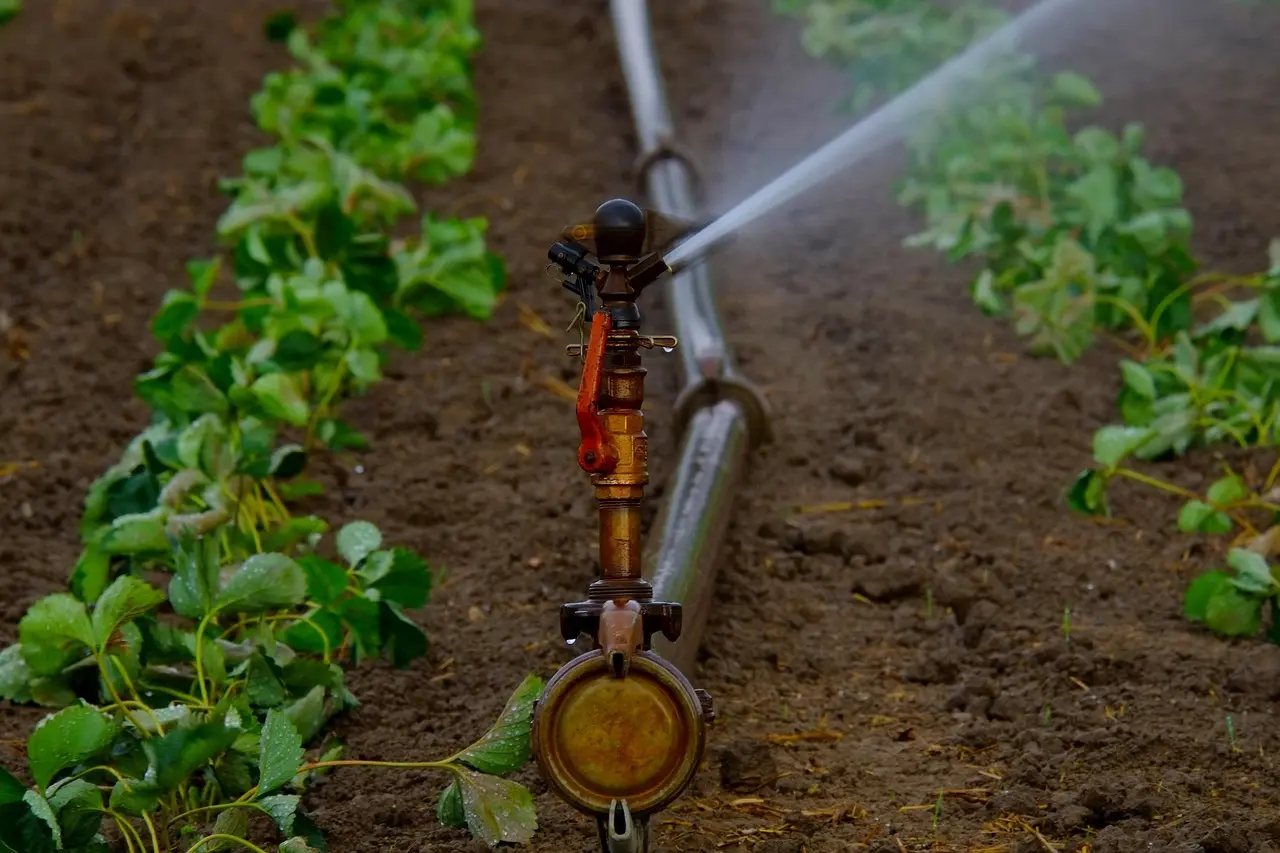
How to Choose Irrigation Tubing Size for a Small Garden
For a small garden, 1/2-inch tubing is a common choice for the main run and branch lines, with 1/4-inch tubing often used for short emitter feeds; for longer runs or lines feeding several emitters, it is generally safer to stick with 1/2-inch. Wrong sizing causes weak drips, uneven watering, and wasted fittings. I size the line by job, not by habit. This guide shows how to match tubing size to each part of a small layout and when to mix 1/2-inch and 1/4-inch lines.
This guide is part of our Irrigation systems for home gardens series.

What size irrigation tubing do I need for a small garden?
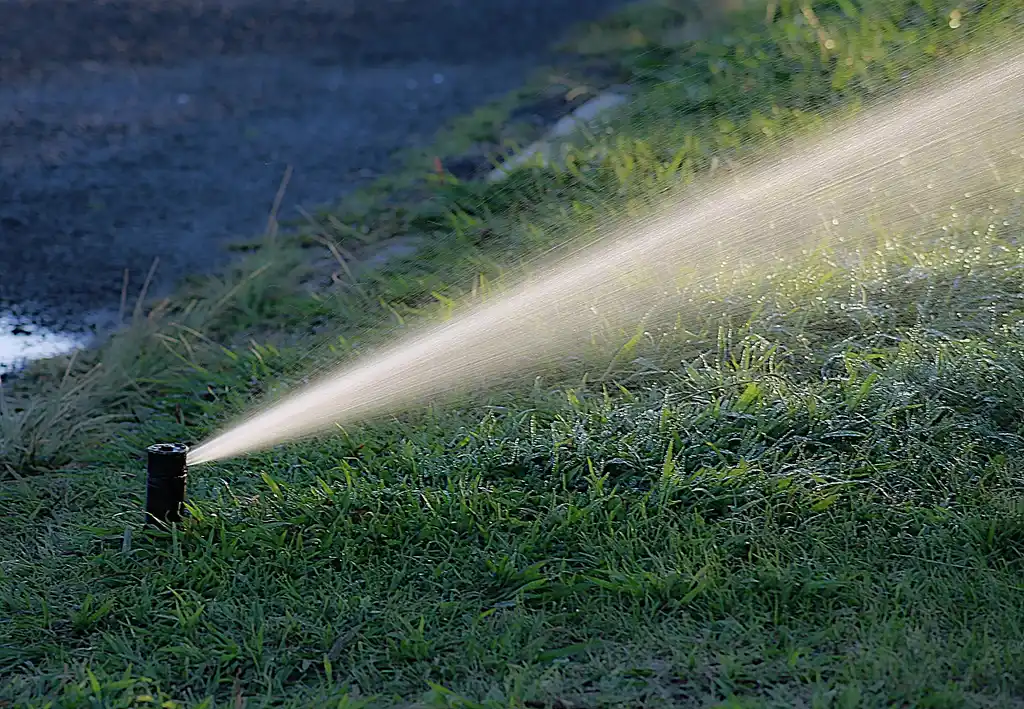
The right size depends on what the tubing does in the layout, not only on bed count. Use 1/2-inch blank distribution tubing for the main run when one line has to feed several branches, then drop to 1/4-inch tubing for short emitter feeds, container spurs, and tight turns.
That rule fits the small-garden jobs I see most: one bed with a short loop, two beds off a trunk line, or a few containers grouped near a faucet. A short layout with only a handful of emitters can stay simple. Once the system has a trunk line plus branch runs, the main line should usually be the larger size.
Choose tubing by the job it does in the system
Blank distribution tubing belongs on the trunk line because it carries water before the layout splits. Drip tubing belongs on branch runs where the route gets shorter and the bends get tighter. Emitter line belongs only where the drip points are already spaced and the line does not need to do much routing.
That split keeps the system easier to read later. If a run has to cross a bed, feed another bed, then turn around a corner, 1/2-inch on the feed section and 1/4-inch on the final branch usually makes more sense than forcing one size to do all three jobs.
According to 9 Best Irrigation Tubing of 2026 – West Green Farm — Soft tubing may allow barbed fittings to blow off above 20 psi.
How pressure and wall thickness change your choice
In practice, wall thickness and pressure matter as much as diameter. A 0.04-inch wall is easier to route, a 0.049-inch wall is a common middle ground, and a 0.06-inch wall is better for buried or fixed runs. Higher pressure and softer tubing raise the chance of fitting blow-off.
Pressure also changes how hard the tubing grips a barb. In small systems, soft tubing may allow barbed fittings to blow off above 20 psi. That is why a short run with many fittings often needs a firmer wall, even if the diameter looks “small enough” on paper.
Use 0.04 inch for easy routing
A 0.04-inch wall suits short branch lines, container loops, and routing around pots or raised-bed corners. It bends more easily and cuts the fight out of neat turns. The tradeoff is lower stiffness, so it can kink sooner and grip barbed fittings less aggressively.
Use 0.049 inch for the common middle ground
A 0.049-inch wall is the practical middle choice for many small-garden main runs. It is close to the common 1/2-inch wall thickness used in blank distribution tubing and gives a better balance of bendability and shape retention than thinner tubing.
Use 0.06 inch for buried or fixed runs
A 0.06-inch wall is the better choice when the line will stay in place, pass under mulch, or be buried in a shallow trench. A heavier wall resists collapse when buried and is less likely to flatten where the soil or edging presses against it.
What size irrigation tubing do I need for a small garden?
For a small garden, size the tubing to the longest job it must do. A single bed can often stay on 1/4-inch for short emitter feeds. Two beds or a bed plus containers usually need a 1/2-inch trunk line with 1/4-inch branches. Short loops around a perimeter may use either, depending on fittings and pressure.
A practical rule is simple: if the line must carry water to a split, use 1/2-inch; if the line only serves a few emitters at the edge of a bed, use 1/4-inch. That keeps the layout efficient without buying oversized tubing where it does not help.
Should I use 1/4-inch or 1/2-inch drip tubing?
Use 1/2-inch tubing for trunk lines, longer runs, and any layout that feeds more than one branch. Use 1/4-inch tubing for short branch runs, container feeds, and tight corners. The smaller line is easier to route, while the larger line is better at moving water through the system.
In a small garden, 1/4-inch is often the better choice only after the main line has already done its job. If the entire run is short and there are only a few emitters, 1/4-inch can be enough. If the line has to carry water across the space first, 1/2-inch is the safer starting point.
How long can a 1/2-inch drip line run in a small garden?
A 1/2-inch line can cover most short garden runs, but the real limit is the combination of length, emitter count, and pressure loss. In a small garden, it works best as the trunk line across one or two beds, then branches off into shorter 1/4-inch feeds.
If the run keeps getting longer while also feeding more emitters, pressure at the far end drops and the last emitters can water weakly. That is why a 1/2-inch line is best used as the main carry line, not as a single answer for every part of the layout.
When should I use blank tubing versus emitter line?
Use blank tubing where the path is being built first and emitter points will be added later. Use emitter line where the drip points are already spaced and the line only needs to deliver water. Blank tubing is the better choice for main runs and branch-offs; emitter line is for the final watering path.
This matters in small gardens because the same 1/4-inch line can be either a feeder or a watering line. If the emitters are not yet fixed, blank tubing gives more layout flexibility. If the spray or drip points are already set, emitter line saves time and fittings.
When blank tubing is the better buy
Blank distribution tubing is best when the layout may change, when one line feeds two beds, or when the gardener wants to punch in fittings later. It is also the better pick for a permanent trunk line that needs a firm shape and a cleaner path across the garden.
When emitter line is the better buy
Emitter line makes sense when the watering points are already spaced and the run is short. It avoids extra fittings and keeps the finish line simpler. The drawback is less flexibility if the bed layout changes or if a container is moved.
How do I choose tubing for tight corners and raised beds?
For tight corners and raised beds, choose the tubing that bends without fighting the route, then make the trunk line do the heavier lifting. Short 1/4-inch branch runs are usually easier to turn around pots, bed corners, and staking hardware than a stiffer 1/2-inch line.
If the corner is sharp or the tubing has strong coil memory, warming helps. Some tubing may need a hot-water soak or a few minutes in the sun before installation. That makes stiff tubing easier to fit and bend, especially around raised-bed edges and manifold outlets.
Can I mix 1/4-inch and 1/2-inch tubing in the same garden?
Yes. In fact, mixing sizes is often the cleanest layout in a small garden. Use 1/2-inch tubing for the trunk line, then step down to 1/4-inch for short branches, container feeds, and final emitter runs. The larger line carries water; the smaller line places it.
That mixed setup is especially useful for one bed plus a few containers, or two beds that sit a short distance apart. The 1/2-inch main line avoids pressure loss across the span, while the 1/4-inch branch line keeps the final routing simple and neat.
What wall thickness should drip tubing have?
Choose wall thickness for the job, not by thickness alone. A 0.04-inch wall is easier to route, a 0.049-inch wall is a good general-purpose choice, and a 0.06-inch wall is better for buried or fixed runs. Thicker walls also help resist collapse when the tubing is pressed into soil or under mulch.
For a permanent layout, thicker is usually safer. For a temporary or frequently changed layout, a lighter wall can be easier to work with. The tradeoff is clear: softer walls bend better, but they also kink and grip fittings less firmly.
Our picks by need

One raised bed: Raindrip 1/4-inch supply tubing

- Creates feeder lines for low-flow drip emitters
- Connects to main lines with standard micro fittings
- Durable layered construction for outdoor sun exposure
Based on the spec sheet, owner feedback, and the stated use case, this 1/4-inch tubing fits a single raised bed well when the run is short and the emitters are close together. The 100-foot coil gives enough material for layout changes without forcing a large buy.
The drawback is its role limit: it is feeder tubing, not the best choice for a trunk line that has to carry water to multiple beds. It also depends on standard 1/4-inch micro fittings, so it needs a correct match at the connection point.
Two beds with a short trunk line: DripWorks 1/2-inch polyethylene drip tubing

- Available in multiple lengths from 50 to 1,000 feet
- Compatible with easy loc, compression, and barbed fittings
- Durable polyethylene tubing with UV-resistant construction
This is the better fit when one line must feed two beds or a bed plus a short side run. The 1/2-inch size works as a professional-grade trunk line, and the available 100-foot and 500-foot rolls make sense for small gardens that still need a real main line.
One drawback is stiffness. The spec notes UV-resistant polyethylene and a 0.049-inch wall version, but stiffer material can need warming before installation. It is also a 1/2-inch line with a 0.700-inch outside diameter, so fitting compatibility matters.
Containers and tight corners: Raindrip 1/4-inch supply tubing
For containers, short perimeter loops, and tight turns, this 1/4-inch tubing is the cleaner routing choice. It bends more easily than a trunk line and is a natural match for short branch runs that feed individual pots or a small cluster of planters.
The tradeoff is that it is not meant to replace a main run. A container-heavy layout still needs a stronger supply line upstream if several pots share one faucet or one manifold.
Permanent buried layout: DripWorks 1/2-inch polyethylene drip tubing
For a permanent layout, this 1/2-inch tubing is the safer buy because the thicker-wall options are better suited to fixed runs and buried sections. The product line includes a 0.06-inch wall option, and a buried mainline option is described as resisting collapse when buried.
The drawback is handling. A firmer wall is not as forgiving around sharp turns, and some users will need to warm it before connecting fittings. It is better for a set-and-leave design than for a system that changes every season.
Starter kit for a quick small setup: PESIODU 1/4-inch drip irrigation system

- Includes three different types of irrigation emitters
- Features a Y splitter for quick faucet connection
- Combines quick connect tubing with automatic sprinklers
This kit suits a very small starter project where the goal is quick assembly rather than a custom mainline design. The included 1/4-inch tubing and splitter make it useful for a simple raised-bed or light container setup with short runs.
The drawback is that the kit approach limits planning freedom. It is less useful when the garden needs a serious trunk line, or when the layout will later expand into two beds and a longer branch run.
Small-garden tubing decision table
| Garden layout type | Run length and pressure | Fitting type | Recommended tubing size |
|---|---|---|---|
| One raised bed with a short loop | Short run, moderate pressure, few emitters | Standard 1/4-inch barbed fittings | 1/4-inch tubing for the loop; 1/2-inch only if the feed crosses the bed first |
| Two beds off one faucet | Medium run, pressure drop risk, multiple branches | Barbed tee or compression mainline fittings | 1/2-inch blank distribution tubing for the trunk; 1/4-inch branches to each bed |
| Container cluster near a patio | Short run, low to moderate pressure, many turns | 1/4-inch barbed fittings | 1/4-inch tubing, usually with a short main feed if the pots are grouped |
| Short perimeter run around a bed edge | Short to medium run, moderate pressure | Barbed fittings with secure grip | 1/2-inch if it feeds branches; 1/4-inch if it is only the final drip path |
| Permanent buried mainline | Fixed run, soil contact, collapse risk | Compression or secure barbed mainline fittings | 1/2-inch tubing with thicker walls, ideally 0.06-inch where buried |
What can go wrong with the wrong tubing size?
The main failures are easy to predict. Small tubing on a long main run can starve the far end. Soft tubing on barbed fittings can blow off under pressure. Thin or stiff tubing can kink on corners. Buried runs can collapse if the wall is too light.
Another common issue is fitting mismatch. Outside diameter must match fitting compatibility, and some 1/2-inch tubing uses a 0.700-inch OD. If the barb, compression fitting, or insert size does not match the tubing’s outside diameter, the joint may leak or slip even when the tubing diameter looks correct.
Failure-case checklist
- Check whether the line is a trunk line, branch line, or emitter feed before buying tubing.
- Measure the longest run and count how many emitters it must feed.
- Confirm the tubing outside diameter matches the fitting size, especially on 1/2-inch line with a 0.700-inch OD.
- Use thicker walls for buried or fixed runs, and lighter walls only where easy bending matters more than stiffness.
- Watch for blow-offs if the tubing is soft and the system pressure is high.
- Warm stiff coils in sun or hot water before trying to connect them.
- Replace sharp corners with wider turns or a short 1/4-inch branch.
Mistakes to avoid
The biggest mistake is buying tubing by diameter alone and ignoring the role it has in the layout. A small garden can still need a real trunk line if one faucet feeds two beds, a bed plus containers, or a long perimeter run. The second mistake is ignoring fitting fit and pressure.
It also helps to avoid buying only one size because it seems simpler. Mixed systems are normal. One larger feed line plus smaller branch lines is often cheaper than oversizing every foot of tubing, and it wastes fewer fittings when the layout changes later.
Frequently asked questions
What size irrigation tubing do I need for a small garden?
Most small gardens work best with 1/2-inch tubing for the main run and 1/4-inch tubing for short feeds to emitters or containers. If the whole setup is very short and only serves a few drip points, 1/4-inch can be enough. The layout role matters more than the bed count.
Should I use 1/4-inch or 1/2-inch drip tubing?
Use 1/2-inch for the supply line and 1/4-inch for short branches. The larger line is better when water has to move across the garden first. The smaller line is better when the route is short, the bends are tight, and the emitters are already near the plants.
How long can a 1/2-inch drip line run in a small garden?
A 1/2-inch line can cover a surprising amount of ground in a small garden, but length is only part of the answer. If it feeds too many emitters, pressure drops and the far end waters weakly. It is best as the trunk line, not the only line in the system.
When should I use blank tubing versus emitter line?
Use blank tubing when the layout is still being built or when fittings will be added later. Use emitter line when the drip points are already set and evenly spaced. Blank tubing gives more layout freedom, while emitter line reduces extra fittings on short, fixed watering runs.
Will soft tubing blow off fittings in my system?
It can. Soft tubing may allow barbed fittings to blow off above 20 psi in some setups, especially if the tubing is warm or the fit is loose. A firmer wall, correct outside diameter, and properly matched barbed fitting all help the joint hold under pressure.
Can I mix 1/4-inch and 1/2-inch tubing in the same garden?
Yes, and that is often the best approach. Use 1/2-inch for the main supply run, then switch to 1/4-inch for short branches, container feeds, and final emitter lines. This keeps the system simple where it must carry water and flexible where it must turn corners.