How to Maintain Irrigation Systems During the Growing Season
Check irrigation mid-season by running each zone for about 5–10 minutes and comparing output. If flow is weak, uneven, or late, isolate clogs, pressure loss, valve trouble, or timer drift before plants wilt. Ignored problems waste water and leave roots underfed during peak growth. This guide gives you a fast diagnostic routine for drip, sprinkler, and mixed systems.
Growing season irrigation maintenance routine
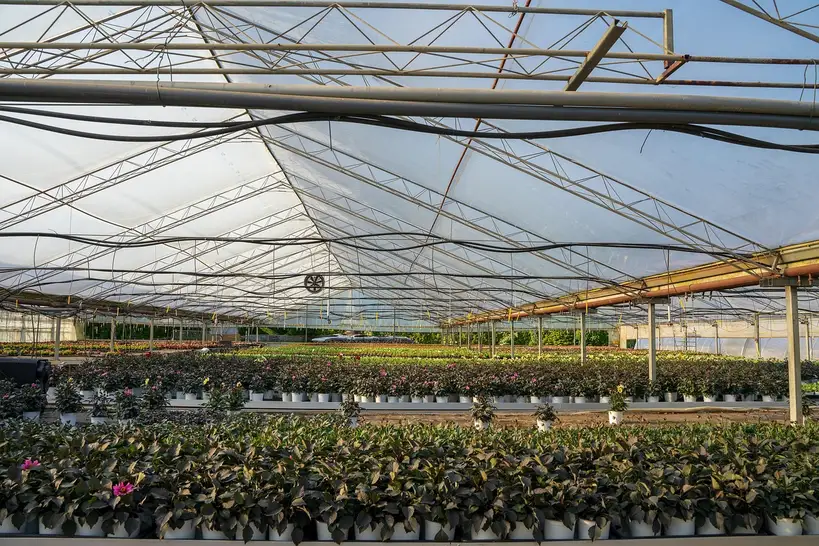


A monthly growing-season check is the baseline for garden systems, with weekly pressure monitoring for faster warning signs. Pair that with a quick visual scan after heat spikes, rainfall, or plant-stage changes such as flowering, fruit set, and rapid canopy growth, when demand often rises and weak zones show up first.
Use the same order each time. Start with visible leaks and broken parts, then check pressure, then look at emitters, valves, and controller settings. That order helps you separate a clogged outlet from a regulator issue or a schedule problem before you start swapping parts.
Weekly inspection cadence
Once a week, walk the active zones and note any wet spots, dry patches, or heads that rise and fall slowly. Weekly pressure monitoring is suggested to catch irregularities quickly, especially when the system serves mixed beds, containers, and turf in the same yard.
Look at plant response too. New leaves that droop at midday, fruit that stalls, or dry soil just below the surface can point to low delivery in one zone even when the timer still looks correct.
Monthly check items
Monthly inspections during the growing season are recommended for garden systems. Use that visit to clean filters, flush lines, verify zone labels, and inspect emitters and fittings for damage. Clogged sprinkler heads should be checked at least monthly during the growing season.
If your supply carries sediment or you rely on hard water, filter cleaning belongs on the short list every time. Recurring clogging usually means the filter is not catching enough debris, or the line needs flushing after repairs or heavy use.
Morning watering window and weather adjustments
Early morning is the safest default because less water is lost to evaporation. Suburban recommends watering gardens in the morning between 6-10 am. Shift timing when temperatures rise, rainfall fills the root zone, or clouds and wind change how fast water reaches the soil.
Many garden plants need about 1 inch of water a week, but that number is only a starting point. Clay soil may keep moisture for up to two weeks, while sandy beds dry much faster. Use soil moisture checks, not the clock alone, to decide whether a zone needs more time or a skipped cycle.
What should you check first?
Start with the simplest evidence: leaks, broken fittings, and plant stress. Then confirm pressure at the zone, because low pressure can make a healthy line look clogged, and a fully open valve can still underfeed plants if the schedule or regulator is off.
Visual scan for leaks, cracks, and loose fittings
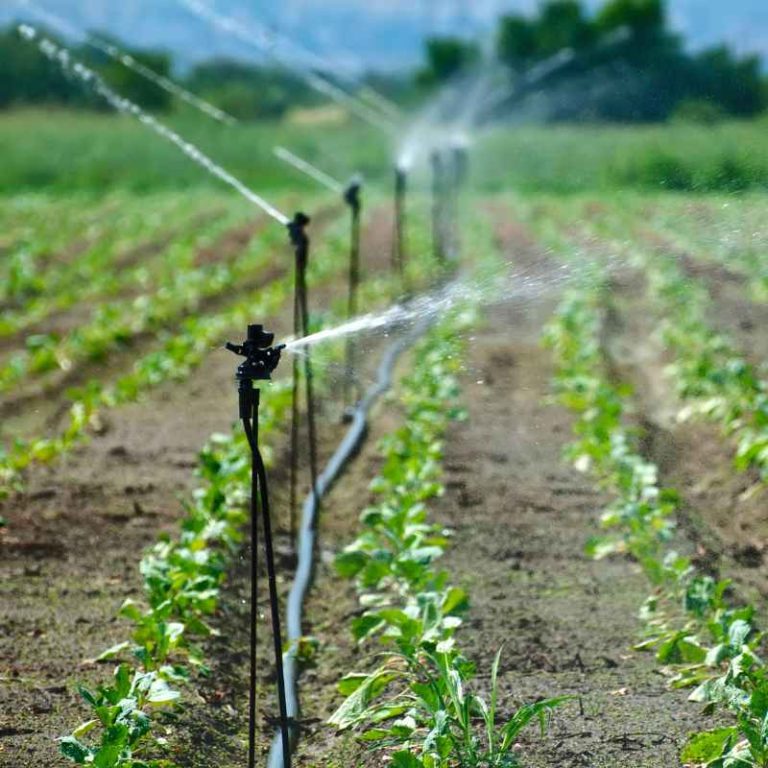
Walk the line while the zone runs. Look for dripping couplers, cracked tubing, spray where there should be a stream, and fittings that weep only under pressure. Above-ground lines can show UV wear, flattening, and loose connections; buried lines may reveal themselves through soggy soil or a sudden patch of poor coverage.
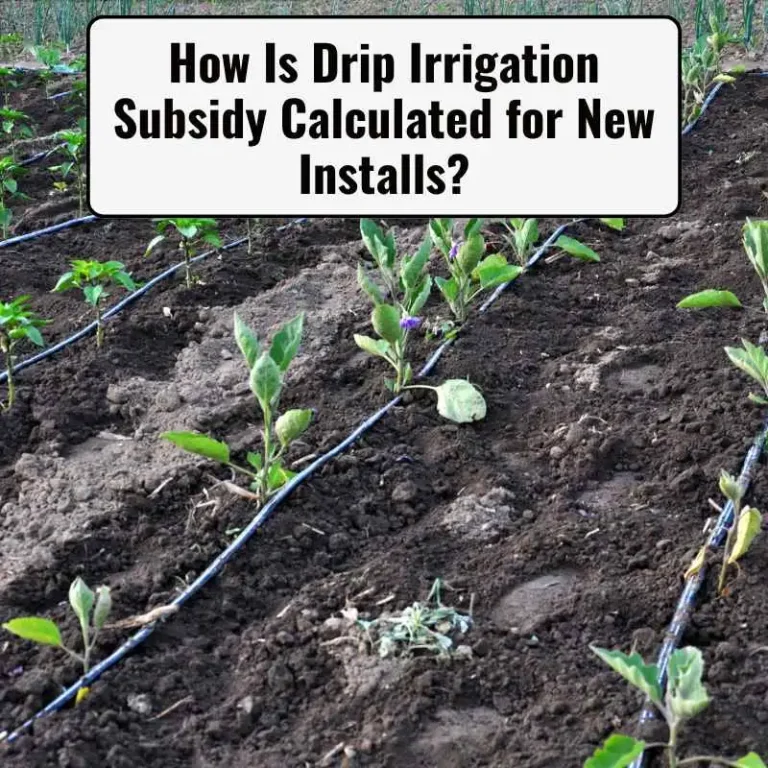
Say your drip row waters peppers on one side of a bed but leaves the other side dry. If the filter is clean and the pressure gauge reads low at the zone, a buried leak or partly closed valve is more likely than a string of bad emitters.
Pressure gauge reading at the zone
A pressure gauge helps detect low or high pressure, verify regulator performance, and spot leaks or blockages. Check it on the active zone, not only at the main supply. That matters because a line can read normal at the source and still drop too far after a long run, a kink, or a clogged filter.
Soil moisture or plant stress check
Use a finger test, a small trowel, or a sensor to compare moisture in the root zone with the schedule. If soil stays wet far below the surface, reduce runtime. If the top few inches dry out too quickly during heat, increase delivery or split the watering into shorter cycles.
Drip emitters and filters
Drip emitters should deliver flow at a consistent rate across the line. In vineyard drip systems, emitters are typically tested for 0.5 to 2.0 gallons per hour, and technicians document units that vary more than 10% above or below spec. Garden lines need the same kind of attention when output starts to drift.
Flow rate consistency and clog signs
Clogged emitters often show up as weak plants at the end of a run, uneven wetting, or one spot that stays dry while neighbors stay damp. Common clog sources include mineral deposits, organic debris, and sediment. If one emitter looks slow and the rest are normal, replace or clean the unit rather than enlarging the opening.
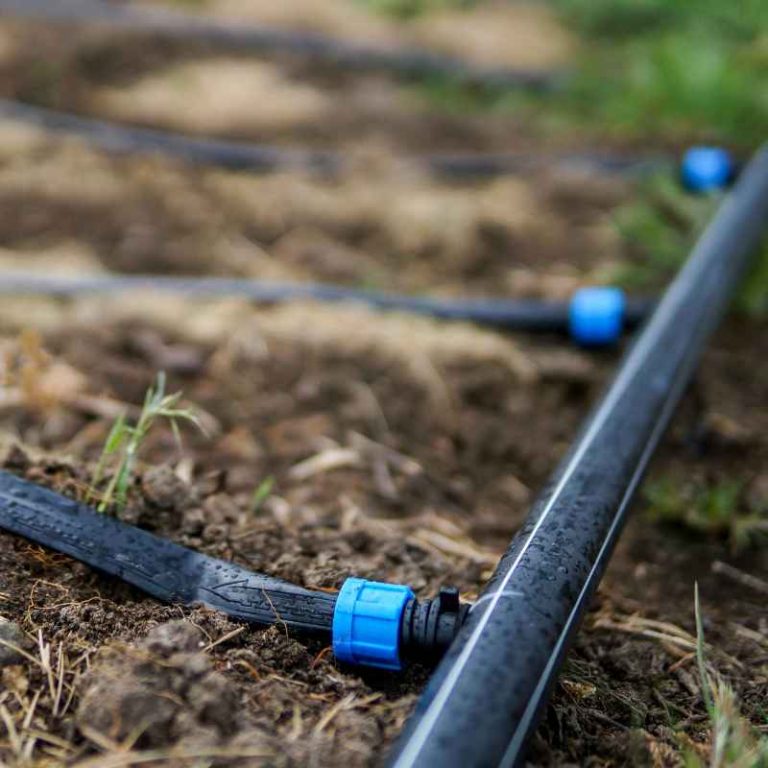
Inspection should include the emitter body, nearby tubing, and the first few inches of line on either side. A cracked fitting can mimic a clog by dropping pressure to only part of the row.
Cleaning filters during active use
Filters protect emitters from debris and should be checked at the start of the season and during active use. Clean them on a regular cadence, with closer attention where water carries grit or hard-water scale. If flow improves after cleaning but fades again within days, the supply likely needs more frequent flushing or upstream repair.
When to replace emitters
Replace emitters when cleaning does not restore a steady pattern, when the body is cracked, or when flow keeps drifting after pressure and filter checks pass. One bad emitter can hide a pressure issue, so confirm the gauge first before replacing several outlets at once.
How do you check pressure and valves?
Check pressure with a gauge at the active zone, then test the valve with manual override. Pressure drift and valve faults can look similar from the bed, but they leave different clues once you isolate the zone and watch flow start, hold, and shut off.
Pressure regulator testing with a gauge
Pressure regulators keep output steady even when the main line fluctuates. Most vineyard drip systems operate between 10 and 20 PSI, and that range is a useful reference for many drip-style garden zones. If readings drift well outside the normal band, adjust or replace the regulator.
Use the gauge before and after the regulator if the system layout allows it. A strong reading upstream with a weak downstream reading points to the regulator, filter, or a restriction in the line rather than a city-supply problem.
Zone valve manual override test
Open each valve manually and listen for a clean change in flow. A valve that sticks partially open can waste water after the cycle ends, while one that opens only part way can starve part of the zone and create pressure imbalance. Either fault can look like a bad schedule until you test the valve itself.
What low or uneven pressure usually means
Low pressure often points to a leak, a clogged filter, a partly closed valve, or a regulator that has drifted. Uneven pressure usually means the problem sits in one branch, one fitting, or one zone rather than the entire supply. Check the simplest path first and work outward from there.
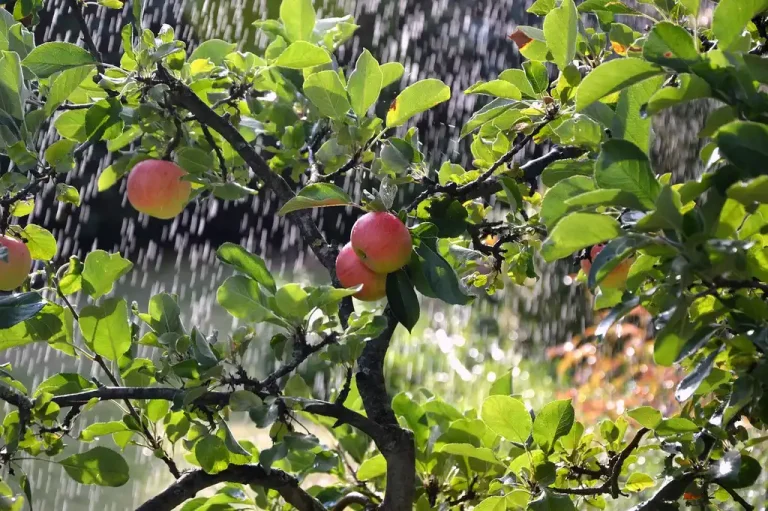
Suppose a mixed bed has sprinklers on one side and drip on the other. The sprinklers may still reach the edge of the bed while the drip line falls short, which can trick you into blaming the controller when the real issue is a restricted drip branch.
Controller and watering schedule
The controller should match the current season, zone map, and plant demand. During active growth, schedules often need shorter gaps between runs or longer runtime after hot, windy days, but only after you confirm that the hardware is working as expected.
Verify zone assignments and runtime
Check that each bed, container group, or sprinkler block is assigned to the correct zone. A shifted label can waste water in one area and leave another dry. Confirm start time, runtime, and repeat intervals after pruning, planting, or moving containers.
Adjust for heat, rainfall, and plant growth
Raise attention when flowering, fruit set, or rapid canopy growth increases demand. Back off after a soaking rain or cool stretch. The right change is usually small: trim one cycle, delay the next run, or split a long event into two shorter ones so water soaks in instead of running off.
Sensor and app alerts
If your controller uses rain or soil sensors, confirm that the sensor still sends the right signal and has not been bypassed. App or remote alerts help catch a missed cycle, but they still need a visual check at the bed because software cannot spot a crushed hose or a clogged emitter.
Irrigation log table
A simple log turns repeat checks into a pattern you can use. Record the date, zone, pressure reading, symptoms, filter status, action taken, and next check date. After a few entries, a repeated low reading or the same clogged corner becomes obvious.
| Date | Zone | Pressure reading | Emitter/coverage symptoms | Filter status | Action taken | Next check date |
|---|---|---|---|---|---|---|
| 2026-06-03 | Drip bed 1 | 14 PSI | Even wetting; one end slightly late to wet | Clean, light sediment | Flushed line for 2 minutes | 2026-06-10 |
| 2026-06-10 | Sprinkler strip A | 11 PSI | One head misting; dry arc on south edge | Clean | Checked nozzle, tightened fitting | 2026-06-17 |
| 2026-06-17 | Container zone | 9 PSI | Weak flow; pot at end stayed dry | Partly blocked | Cleaned filter; retested valve | 2026-06-20 |
How to use the log to spot repeat failures
If the same zone keeps showing low pressure after cleaning and valve checks, focus on leaks, regulator drift, or a line restriction. If the same emitter clogs over and over, look at water quality, filter placement, and whether the emitter itself should be replaced. Keep the next check date short when the problem repeats.
Troubleshooting decision path
- Low flow: Check the filter first, then the gauge, then the valve. If pressure is low at the zone, look for a leak or regulator problem before replacing emitters.
- Uneven coverage: Compare wet and dry spots across the whole zone. If only one branch is weak, inspect fittings, kinks, and emitters on that branch.
- Leaks: Shut off the zone, inspect above-ground lines, then check wet soil, puddles, and soft spots for buried damage. Repair loose fittings before retesting.
How often should I inspect my irrigation system during the growing season?
Do a quick visual check weekly and a fuller inspection monthly during the growing season. Weekly pressure monitoring helps catch drift early, while the monthly pass covers filters, emitters, valves, and controller settings. Increase checks after heat waves, heavy rain, or any repair that changes flow.
What are the signs of clogged drip emitters?
Clogged drip emitters usually show up as slow wetting, dry soil at one plant, uneven output along a row, or plants that lag behind neighbors. Look for mineral deposits, organic debris, and sediment in the emitter or nearby tubing, then clean the filter and replace the emitter if flow does not recover.
How do I check irrigation pressure at home?
Attach a pressure gauge at the active zone and read it while the system runs. Compare the number with the regulator setting and with other zones. If pressure is much lower or higher than expected, test the filter, valve, and regulator in that order before changing the schedule.
Should I adjust watering when temperatures rise or rainfall changes?
Yes. Hotter weather, wind, and active plant growth can increase demand, while rainfall may make part of the schedule unnecessary. Adjust in small steps and confirm with soil moisture, since clay soil may hold water for up to two weeks while containers and sandy beds dry much faster.
How much water do garden plants need each week?
Many garden plants need about 1 inch of water a week, but that is a starting point, not a fixed rule. Soil type, plant stage, sun exposure, and recent rainfall all change the need. Use the number together with moisture checks and zone performance, not on its own.
What is the best time of day to water in summer?
The best window is early morning, roughly 6-10 am, so water reaches the root zone before heat builds and evaporation rises. Morning watering also gives leaves and soil surfaces time to dry, which helps reduce wasted water and keeps schedule changes easier to judge the same day.
How do I tell whether a leak or low pressure is reducing coverage?
If coverage drops across the whole zone, check pressure first. If only one stretch is weak, look for a leak, kink, loose fitting, or clogged emitter on that branch. Wet soil, puddles, and a falling gauge reading point more toward a leak; dry soil with normal gauge readings points more toward a clog or valve fault.
When should I clean filters and emitters during the season?
Clean filters at the start of the season and during active use, then repeat more often if your supply has sediment or hard water. Clean emitters when the flow pattern changes, not only on a fixed date. If the same clog returns after cleaning, flush the line and check the water source.