How to Water a Greenhouse with a Simple Irrigation Setup
Choose the simplest system that fits your water source and layout: hose and wand for a few benches, hose-end timer plus drip for fixed rows, or capillary matting for trays. A mismatched setup wastes water, creates dry and soggy zones, and can slow growth or spread disease. This guide helps you pick, size, and assemble a low-cost greenhouse irrigation setup for seedlings, transplants, and mature crops.
This guide is part of our Irrigation systems for home gardens series.
What is the simplest greenhouse irrigation setup?
The three core parts are a filter, a pressure regulator, and drip lines with emitters. Water is a chemical compound made of two hydrogen atoms and one oxygen atom, and it behaves predictably in irrigation: pure water has a neutral pH of 7, water has a density of 1 kilogram per liter, and it boils at 99.98°C at standard pressure. (usgs.gov)
What you’ll need
- Water source: hose bibb, rain barrel, storage tank, or well line
- Filter matched to sediment risk
- Pressure regulator for drip use
- Timer, if you want automatic cycles
- Mainline drip tubing and smaller distribution line tubing
- Tees, elbows, connectors, and end caps
- Button emitters or inline emitters
- Stake clips, tube punches, and spare emitters
- Catch cups or small containers for startup checks
📊 Pure water has a neutral pH of 7. Source: USGS.
What parts do I need for a basic greenhouse irrigation system?
Start with a filter, a pressure regulator, and drip tubing with emitters. Add a timer only if you want hands-off cycles, and add extra fittings only for your layout and water source. That keeps the system simple, cheap, and easier to troubleshoot when one zone dries faster than the others.
Must-have

- Programmable timer enables reliable care while away
- Slow drip prevents overwatering and root rot
- Includes 50-foot tubing and 15 drip joints
Tuesnax automatic watering system with programmable timer
This fits a small potted-plant zone where a built-in timer matters more than raw output. Based on the spec sheet and reviews, the timer and 50-foot tubing suit fixed rows, but the 13-gallon bucket style makes it less flexible for large benches or mixed crop stages.

- BPA-free high-quality plastic with tight head design
- Dual 2-inch fittings support versatile water flow
- Built from durable, weather-resistant HMWPE material
HOANK 55-gallon water storage barrel
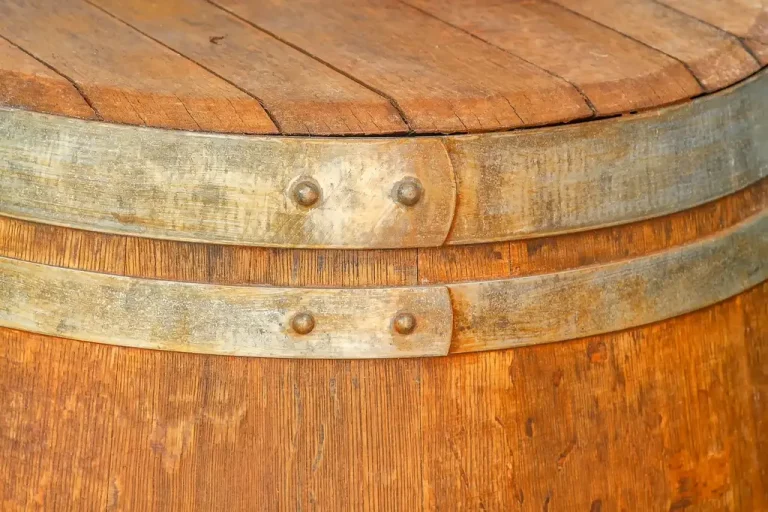
This is a practical source tank when you want gravity-fed or low-pressure watering from stored water. The dual 2-inch fittings help flow, but a barrel still needs elevation and careful filtration; stored water can also grow algae if you leave it open to light.

- Solid brass connectors ensure leak-free, high-pressure seals
- Ultra-flexible design glides through dense garden beds
- Even water seepage targets moisture directly to roots
XDRSIXA 150FT 1/2 inch soaker hose
This is simpler than a full drip network for long bed rows that want slow, even seepage. The drawback is control: soaker hose output is less precise than emitter-based drip, and it is a poor fit for mixed pots, hanging baskets, or seedlings that need tighter control.
Nice-to-have
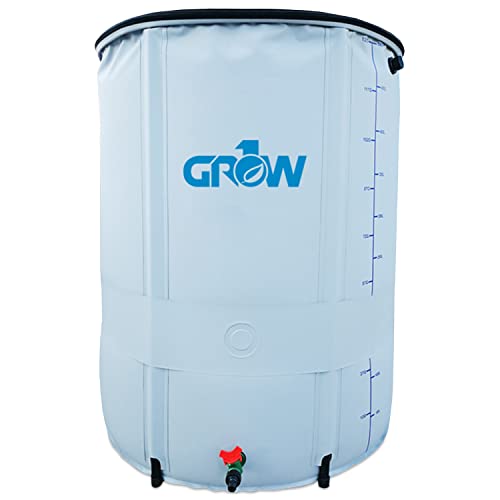
- Folds flat for compact storage and easy transport
- Tool-free assembly in a couple of minutes
- Includes tap and valve fitting for water flow
Grow1 collapsible reservoir water tank 132 gallon
This works well when you need a larger buffer than a hose bibb, especially for greenhouses that are far from a tap. It folds flat for storage, but it adds cost and space needs, and a stored tank still benefits from a filter before it feeds drip lines.

- High-quality SCH 40 PVC is UV and impact resistant
- Chamfered edges make installation safe and easy
- Meets ASTM D2466 and NSF compliance standards
Lswteiz 4-pack 1-1/2 inch 3-way PVC elbow fittings
These are useful for framing or support work around the greenhouse, not for the irrigation line itself. The drawback is simple: they solve structure, not water delivery, so they are optional unless your setup needs rigid PVC for supports or mounting points.
Consumables and spares

- Recirculating deep water culture saves water and labor
- Includes powerful air pump and 12m air hose
- Suitable for indoor, greenhouse, or grow tent use
VEVOR DWC hydroponic system
This is not the simplest greenhouse irrigation choice for most soil-based crops, but it can fit leafy greens in a recirculating system. It uses more parts than a basic drip layout, and DWC needs active aeration and close monitoring, so it is better treated as a separate growing method.
How do I size the system for your greenhouse?
Measure the greenhouse footprint, then divide it into crop zones before you buy parts. Seedlings, potted plants, hanging baskets, and bench-grown crops do not share the same moisture target, and the simplest setup is the one that keeps each zone close to its own needs without overcomplicating the plumbing.
Suppose a small greenhouse has a bench for seedlings, a row of medium pots, and a couple of hanging basket hooks. That is already three zones. A single line can serve them, but separate branches or emitter counts usually work better because baskets dry faster than trays.
Zone-by-zone sizing checklist
- Measure each bench or row in feet.
- Count pots, trays, or basket sites in each zone.
- Assign one line path per zone when the crops differ by stage.
- Choose emitter spacing by pot size and canopy spread.
- Keep long runs as short as possible to reduce pressure loss.
Water source limits that change the design
A hose bibb is the easiest start because it usually provides steady pressure for drip components. Rain barrels and storage tanks can work, but gravity-fed systems have lower and less consistent pressure, so they suit short runs, fewer emitters, and simple layouts better than long mixed-zone systems. Well water may need extra filtration if sediment is present.
How should you set up drip lines and emitters?
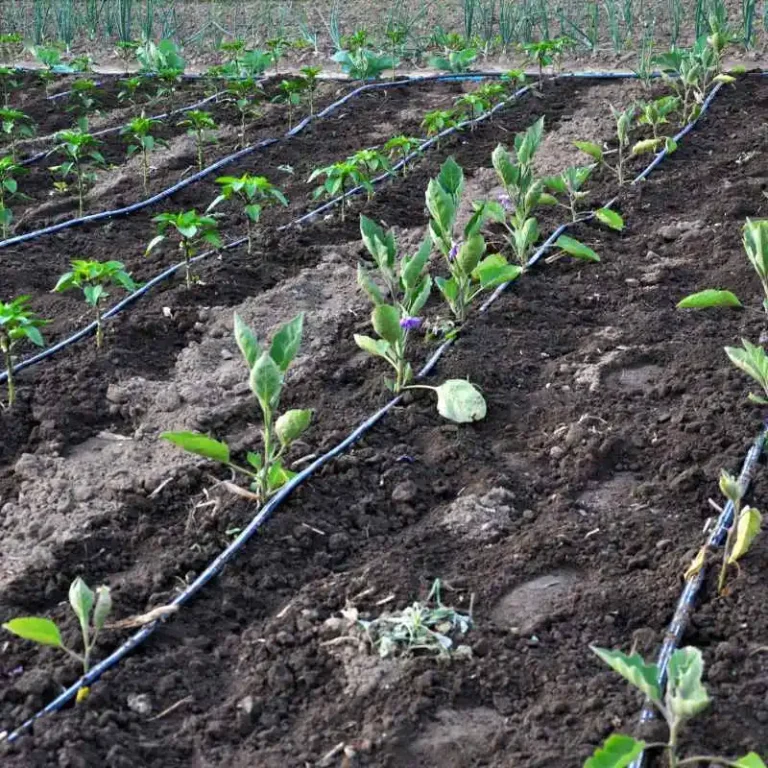
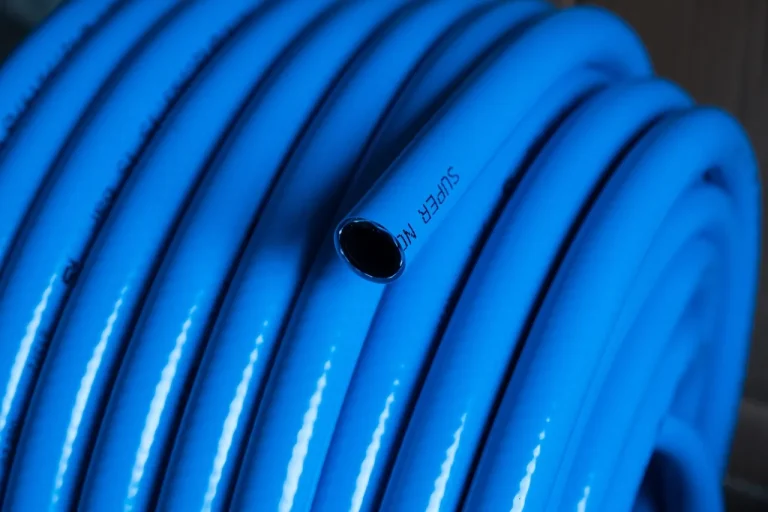
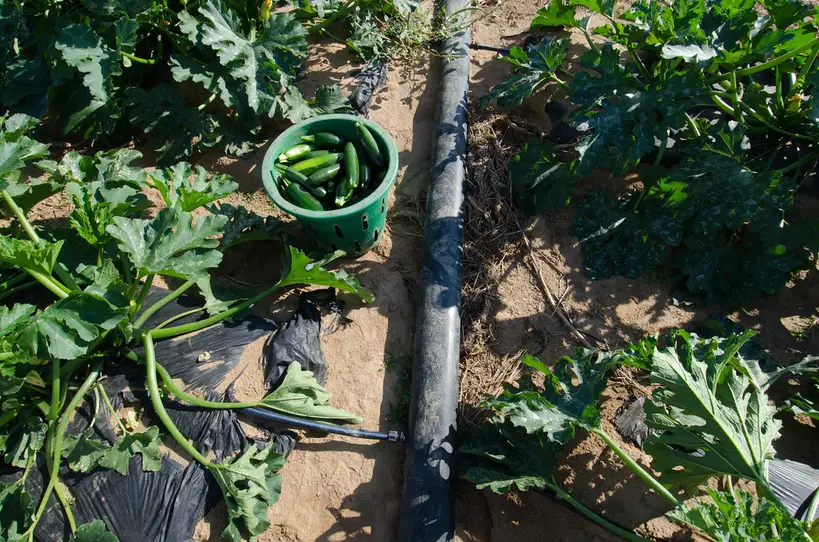
Use a mainline to carry water across the greenhouse, then branch into smaller distribution lines near each crop zone. In small systems, common tubing sizes are 1/2 inch for the mainline and smaller distribution tubing for individual pots or short branches. Long runs lose performance, especially when you mix emitters or stretch one line across several benches.
Mainline versus distribution line
Mainline tubing moves water from the source to the zones. Distribution line feeds the plants. That split matters because pressure loss builds over distance, so a short branch with a few emitters often waters more evenly than one long line stretched to every corner.
Button emitters versus inline emitters
Button emitters are best when pots or baskets are spaced irregularly. Inline emitters fit repeated spacing along a bench or row. Pressure-compensating emitters keep output steadier across changes in line length and elevation, while non-compensating emitters are cheaper but more sensitive to pressure swings.
Flow rate and spacing
Choose emitter flow based on container size, not habit. A small pot may need one low-flow emitter, while a larger pot or hanging basket often needs two or more points. For benches, spacing emitters by plant station is safer than assuming one line drips evenly across every root zone.
Pressure regulator and filter placement
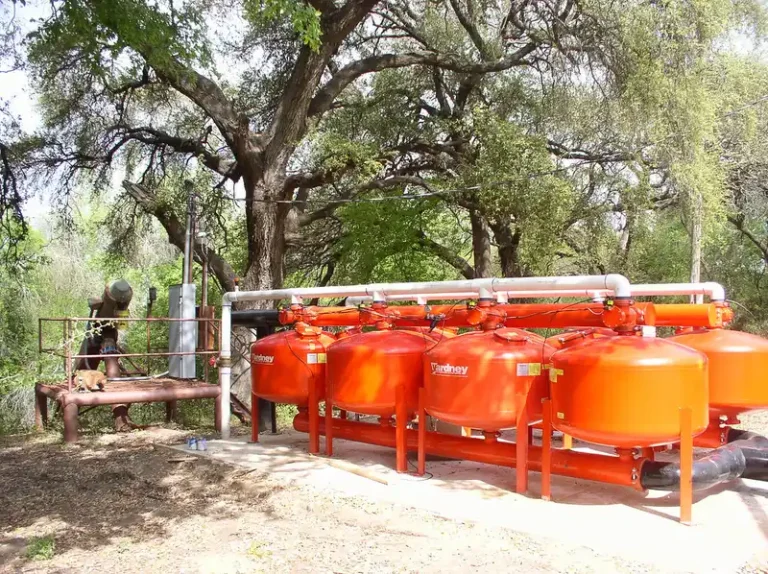
Install the filter before the regulator, then run the drip line after both. The regulator reduces supply pressure to a range suitable for low-pressure greenhouse drip systems, and the filter protects emitters from sediment. Dirty water sources clog faster because emitters have small passages that trap grit, algae, and biofilm.
How do you set runtime and avoid overwatering?
Use shorter cycles for seedlings and longer intervals for established crops, but keep the media moist rather than soaked. Greenhouse plants usually do better with evenly moist root zones than with constant saturation. Top-dry media can still be wet deeper down, so check below the surface before adding more water.
Water is called the universal solvent because it dissolves more substances than any other liquid, and that matters in greenhouses because salts can move through media with repeated irrigation. Water also has a high heat capacity and absorbs a lot of heat before heating up, which is one reason greenhouse moisture and temperature interact so strongly.
Timer choices
A battery timer works well where outlets are limited. An electric timer suits fixed installations near power. Use manual override if you need to flush a line, test output, or water a stressed bench outside the normal schedule. Start with short cycles in minutes, then adjust by crop stage and weather.
How to keep seedlings from getting too wet
Keep seedlings on a separate zone if possible. Their media should be damp, not saturated, and their shallow roots dry out faster than larger pots. Picture a tray of plugs under a warm roof panel: one extra long cycle can leave the top wet while the lower tray stays soggy for hours, which raises damping-off risk.
When to split irrigation by crop stage
Split zones when seedlings, mature pots, and hanging baskets sit in the same house. Their timing is different, their root depth is different, and their dry-down rates are different. If you cannot split them, match to the thirstiest crop and water the others manually until they move into a separate bench.
Use the greenhouse watering setup planner
Use this one-page planner before you buy parts. It keeps the system small, ties emitter count to crop zones, and gives you a clear startup check. Water has a density of 1 kilogram per liter, and USGS lists 1 gallon equals 3.7854 liters, so tank sizing and runoff estimates are easier when you write them down first.
| Section | What to write down | Why it matters |
|---|---|---|
| Parts checklist | Source, filter, regulator, timer, tubing, fittings, emitters, end caps | Prevents missing one small part that stops the build |
| Zone-by-zone emitter worksheet | Zone name, pot count, emitters per pot, total emitters, line length | Shows whether one line can carry the load |
| Startup run-time test | Run time, catch-cup fill level, dry spots, wet spots, adjustments | Helps you tune before leaving the system alone |
| Troubleshooting table | Symptom, likely cause, next fix, retest result | Speeds repairs when flow is uneven or blocked |
Startup run-time test
- Run one zone for 10 minutes.
- Set catch cups under the first, middle, and last emitters.
- Check for dry spots, leaks, and clogged emitters.
- Adjust run time in small steps until coverage is even.
- Retest after the first week, because plant uptake changes fast.
Troubleshooting table
| Problem | Likely cause | Next fix |
|---|---|---|
| Dry spots at the far end | Line too long or pressure too low | Shorten the run or split the zone |
| Leaks at fittings | Loose connector or mismatched tubing | Reset the fitting and check diameter match |
| Clogged emitters | Dirty source water or missing filter | Clean the filter, flush the line, replace the emitter |
Common mistakes
Most greenhouse watering problems come from trying to treat every zone the same. Long runs, mixed emitter types, and skipped filtration cause uneven delivery, while stored water without a cover can add algae and biofilm. The easiest fix is usually to simplify the zone layout, not to add more water.
A common first-timer mistake is running seedlings and hanging baskets on the same timer setting. The baskets dry first, the seedlings stay wet, and the system looks “off” when the real issue is a bad zone match.
If that did not work, try this next: reduce the number of emitters on the longest branch, raise the pressure only if the regulator allows it, and clean the filter before changing any other part.
How often should you water plants in a greenhouse?
Water when the root zone is drying, not on a fixed calendar alone. Seedlings often need more frequent, lighter watering than established pots, while bench-grown crops can take deeper cycles with longer gaps. Top-dry media does not always mean the whole pot is dry, so check below the surface before repeating a cycle.
Quick frequency guide by crop zone
- Seedlings: short, frequent cycles that keep the surface evenly moist.
- Potted plants: moderate cycles after the upper media starts to dry.
- Hanging baskets: more frequent checks because they dry faster.
- Bench-grown crops: longer cycles with full coverage of the root area.
Frequently asked questions
How do I water a greenhouse with a simple irrigation setup?
Use a source, a filter, a regulator, and a short drip line or soaker line matched to one crop zone. Start with a 10-minute test, then adjust by catch-cup output and soil moisture. Keep seedlings on a lighter schedule than established plants.
What is the easiest irrigation system for a small greenhouse?
A hose bibb feeding a simple drip line is usually the easiest. It keeps parts count low, works with fixed benches, and is easier to adjust than a mixed mist-and-drip setup. Add a timer only after the basic layout is watering evenly.
Can I use a drip system in a greenhouse?
Yes, and it is often the best fit for pots and benches. Drip delivers water to the root zone instead of the whole house, which cuts waste and helps avoid wet foliage. Use a filter and pressure regulator so the emitters stay consistent.
How many emitters do I need for greenhouse pots?
Start with one emitter for small pots, then move to two for larger containers or faster-drying crops. Hanging baskets often need more than pots of the same diameter because airflow dries them faster. Match the count to container size and plant thirst, not just to bench length.
Do I need a timer for greenhouse irrigation?
No, but it helps if the greenhouse is unattended or the crop mix is fixed. A timer with manual override is the safest simple choice because it lets you test, flush, and then automate. Battery models suit simple setups; electric models suit permanent ones.
Can I run greenhouse irrigation from a rain barrel?
Yes, if the layout is short and the barrel is elevated enough to provide usable pressure. Add a filter before the drip line and expect less consistent output than a hose bibb system. For long runs or mixed crops, a pressurized tank is usually easier to tune.