How Often Should An Aerobic Septic System Sprinkler Come On?
The frequency of an aerobic septic system sprinkler coming on varies based on usage, system design, and environmental factors. Generally, it activates after significant water use to pump treated effluent for dispersal. Consistent, automatic cycles usually happen multiple times a day, while some systems may operate more intermittently.
For watering and moisture setup, How to Add Drip Irrigation to Your Existing Sprinkler System gives a useful next step.
For watering and moisture setup, How to Determine Irrigation Time for a Drip Sprinkler System gives a useful next step.
Understanding Aerobic Septic System Sprinklers
An aerobic septic system is a bit different from a traditional septic tank. It’s designed to treat wastewater more thoroughly. This happens using oxygen.
Special bacteria love oxygen. These bacteria help break down waste much faster and more completely. The system has several parts.
A pre-treatment tank is where solids settle. Then, an aeration tank introduces oxygen. This is where the magic of aerobic treatment happens.
Finally, a clarification tank separates any remaining solids. The clean liquid, called effluent, is then pumped out.
The sprinkler part of your aerobic system is actually the dispersal unit. It’s how the treated water leaves the system. It’s not like a lawn sprinkler that turns on with a timer every day.
Instead, it’s linked to a pump. This pump activates when there’s enough treated effluent ready to be released. Think of it like a toilet tank filling up.
Once it’s full, it flushes. Your septic system pump works in a similar way. It waits until the treated water reaches a certain level.
Then, it pumps that water out to be dispersed safely.
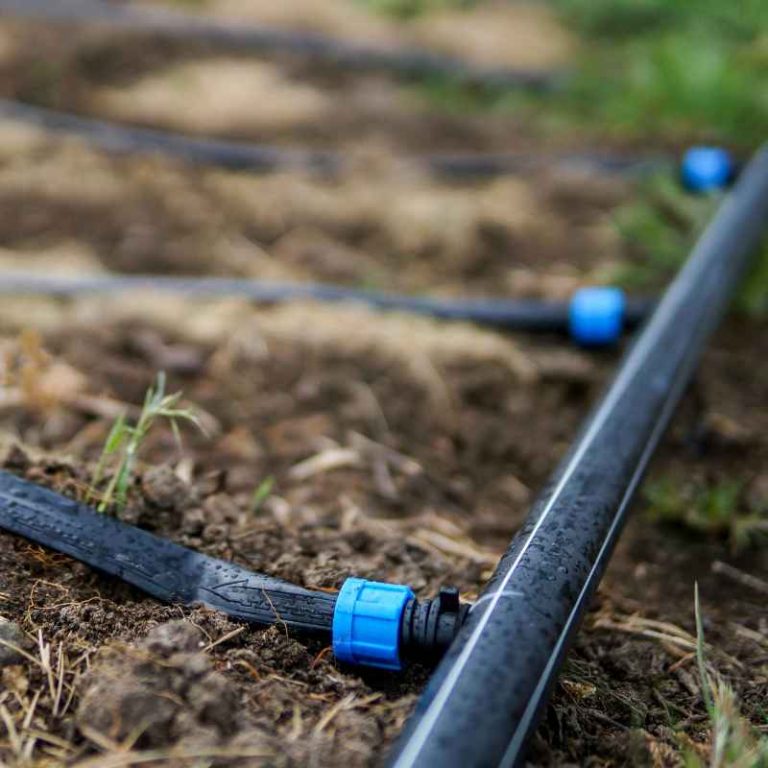
The sprinkler head or dispersal field is where this treated water goes. It might be a series of underground pipes with small holes. It could also be a more advanced spray irrigation system.
The goal is to spread the effluent over an area. This allows the remaining tiny amounts of contaminants to be filtered by the soil. It also helps prevent any one spot from getting too much water.
This process is vital for protecting groundwater and surface water.
So, to sum up, the sprinkler doesn’t come on for watering grass. It comes on to discharge treated wastewater. Its frequency is tied directly to how much water your household uses.
More water used means more wastewater treated. This then means the pump and sprinkler will cycle more often.

Why the Sprinkler Cycles Can Vary
Many things influence how often your aerobic septic system’s sprinkler comes on. It’s not a simple “set it and forget it” deal. The biggest factor is how much water your household uses.
If you have a big family, or people are home a lot, you’ll use more water. Showers, laundry, dishwashers, and toilet flushes all add up. Each of these actions sends wastewater into the system.
This wastewater needs to be treated before it can be released.
Consider a busy weekend. You might have guests over. Everyone takes showers.
Laundry loads are done. Meals are cooked and dishes are washed. All of this means a lot of water flowing into your septic system.
The system works to treat this water. Once enough treated water is ready, the pump kicks in. The sprinkler then discharges it.
So, on high-use days, you’ll notice the sprinkler cycling more.
On a quiet day, maybe just one or two people are home, and they’re mindful of water use. Fewer flushes, shorter showers, and less laundry mean less wastewater. The system still treats what comes in.
But it might take longer for the effluent to reach the pump’s trigger level. So, the sprinkler might not come on as often on those quieter days.
Another factor is the design of your specific system. Some systems are built to handle larger volumes of water. They might have bigger tanks or more powerful pumps.
These systems could have different cycling patterns. The size of your dispersal field also plays a role. A larger field can accept effluent at a more consistent rate.
This can influence how often the pump needs to push it out.
Weather can even play a part. If it’s very rainy, and your dispersal field is already saturated, the system might adjust. Some advanced systems have sensors.
They can manage discharge rates based on ground conditions. This helps prevent the system from overloading the soil. However, for most typical systems, it’s mainly about water usage.
The pump simply waits for the treated water to build up to a certain point.
Finally, the efficiency of your treatment process matters. If the aerobic bacteria are working well, the water is treated faster. This means it’s ready for dispersal sooner.
Factors like proper maintenance and sufficient oxygen levels help the bacteria do their job. A well-functioning system ensures treated effluent is ready to go when needed. This leads to more predictable sprinkler cycles, based mostly on your water habits.
Typical Operation Cycles
Let’s talk about what “normal” looks like. Most aerobic septic systems are designed to operate automatically. They have float switches or pressure sensors in the pump tank.
These devices tell the pump when to turn on. When the treated effluent reaches a specific level, the float rises or the pressure increases. This signals the pump to start.
The pump then pushes the effluent out through the sprinkler distribution pipes.
For a typical single-family home, you might expect the sprinkler system to come on several times a day. This isn’t unusual at all. Think about it: you might run the dishwasher in the morning, do a load of laundry in the afternoon, and take showers in the evening.
Each of these activities adds water to the system. The system treats it. The pump then discharges it.
A common pattern is for the system to cycle every few hours. This might be anywhere from 2 to 6 times in a 24-hour period. The exact number depends heavily on household water usage.
Some systems might be designed to discharge more frequently but in smaller bursts. Others might hold more effluent and discharge less often but for longer durations.
You might notice the sprinkler activating during normal waking hours. This is because most water use happens then. However, some systems are set up to discharge at any time, even overnight.
This depends on the manufacturer’s design and how it was installed. The key is that the pump is doing its job when the effluent is ready. It’s a response to the amount of treated water present, not a timed event like a lawn sprinkler.
What might seem like “odd times” to you is often just the system responding to a surge in water use. For instance, if everyone in the family takes a shower back-to-back, the system will process that quickly. The pump might then run soon after.
This is efficient operation. It means the system is working to keep the wastewater moving and treated.
It’s also important to remember that older systems or those not maintained well might behave differently. They might run less often than they should because of clogs. Or they might run too often if there’s a leak.
But in a well-maintained, properly functioning system, the cycles are a direct reflection of your household’s water activity.
Quick Check: Normal Sprinkler Activity
What to Look For:
- Sprinkler runs after significant water use (showers, laundry, dishes).
- Cycles happen multiple times per day.
- Duration of spray varies.
- No constant running or no running for days.
What to Consider:
- Your household’s daily water consumption habits.
- Recent changes in water use (e.g., guests, new appliances).
When Sprinklers Run “Too Much”
It’s understandable to get concerned if your aerobic septic system’s sprinkler seems to be running constantly or much more often than you expect. This can be a sign that something isn’t quite right. The first thing to check is your household’s water usage.
Have you had guests recently? Are you doing a lot more laundry than usual? A temporary spike in water use can cause the system to cycle more frequently for a day or two.
If this is the case, the cycles should return to normal once your water use decreases.
However, if the sprinkler runs continuously for hours, or cycles very rapidly and repeatedly without a significant increase in water usage, it’s a different story. This could indicate a problem within the system. One common cause is a faulty float switch or pressure sensor.
These devices tell the pump when to turn off. If they get stuck in the “on” position, the pump will run non-stop. This can flood your dispersal field.
Another possibility is a leak somewhere in the system. This could be a crack in the pump tank or distribution pipes. If treated effluent is leaking out before it can be properly dispersed, the system might try to compensate by running the pump more.
This is an inefficient use of water and can be damaging.
A backup in the dispersal field itself can also cause issues. If the pipes are clogged with roots, sludge, or mineral deposits, the treated water can’t flow out properly. This can cause effluent to back up into the pump tank.
The pump might then cycle more frequently to try and clear the line. This is a serious problem that needs immediate attention.
Sometimes, a malfunctioning check valve can cause problems. This valve is supposed to prevent treated water from flowing back into the pump tank after the pump shuts off. If it’s stuck open, effluent might return, and the pump will have to run again to push it out.
This leads to excessive cycling.
If you suspect your sprinkler is running too much, it’s best to stop using water as much as possible. This helps prevent overwhelming the system. Then, contact a qualified septic professional.
They have the tools and expertise to diagnose the exact cause. They can check the pump, floats, sensors, valves, and the dispersal field for any issues. Addressing these problems quickly is crucial to prevent more extensive damage and costly repairs.
When Sprinklers Run “Too Little”
On the flip side, if your aerobic septic system’s sprinkler seems to be running very infrequently, or not at all, that can also be a cause for concern. Again, the first thing to consider is your water usage. If you live alone and are extremely water-conscious, it’s possible the system just doesn’t get filled up very often.
In such low-usage scenarios, fewer cycles might be normal for your specific situation. However, even with low usage, you should still see the system cycle occasionally.
If you know you’re using a normal amount of water, but the sprinkler hasn’t run in a day or two, or significantly less than usual, there might be a blockage. This is a common culprit. The float switch or sensor might not be able to rise or register pressure if the effluent can’t reach the pump tank.
This blockage could be in the pipes leading to the tank, or within the tank itself.
A malfunctioning pump is another possibility. The pump might be failing, or its electrical connection could be faulty. If the pump doesn’t turn on when it should, the effluent won’t be dispersed.
This can lead to a backup in the system. Sometimes, a tripped breaker or a blown fuse can cause the pump to stop working, which would also result in infrequent or no cycles.
A faulty float switch is also a prime suspect here. If the float switch is stuck in the “off” position, or if it’s not positioned correctly, it won’t signal the pump to turn on. Even if the tank is full of treated effluent, the pump will remain dormant.
Similarly, a failed pressure sensor in a pressure-based system would prevent the pump from activating.
There could also be an issue with the control panel or timer, if your system has one. While most aerobic systems are automatic, some have more complex controls. If these components are faulty, they can prevent the pump from operating.
A problem with the dispersal system itself, like severe clogging or damage, might also indirectly affect pump cycles if the system’s sensors detect an issue.
If you notice significantly less sprinkler activity than usual, especially if accompanied by slow drains or sewage odors, it’s important to get it checked. A septic professional can identify the specific reason for the reduced cycling. They can clear blockages, test the pump and controls, and ensure the float switches are working correctly.
Letting these issues go can lead to serious system backup and potential contamination.
Observational Flow: Identifying Sprinkler Issues
Step 1: Monitor Water Use
Note your household’s daily water consumption. Are there guests? New appliances?
Step 2: Observe Sprinkler Cycles
How often does the sprinkler come on? Is it consistent with water use?
Step 3: Check for Other Signs
Are drains slow? Are there unusual odors? Is there standing water near the dispersal area?
Step 4: Consider System Design
Understand if your system is gravity-fed or pump-driven, and its dispersal method.
Step 5: Contact a Professional
If you see concerning patterns (constant running, no running, rapid cycles), call a septic expert.
Real-World Context and Scenarios
In many American homes, especially in suburban and rural areas, aerobic septic systems are common. They are often chosen for their advanced treatment capabilities. This is important in areas with strict environmental regulations or where lots are smaller, making traditional large drain fields difficult to install.
These systems are designed to handle the wastewater generated by a typical household.
Let’s paint a picture. Imagine a family of four living in a home in a mild climate like North Carolina. They have a routine.
Mornings involve showers, breakfast prep, and packing lunches. This sends a good amount of water into the system. The aerobic treatment happens.
The pump cycles, perhaps once or twice in the morning, dispersing effluent to the subsurface drip dispersal field.
Midday might be quieter if they work or go to school. But if someone is home, they might do laundry or run the dishwasher. This creates another surge.
The system responds, and the sprinkler might cycle again in the afternoon. Evenings bring more showers, cooking, and dishwashing. This typically results in another cycle or two before bedtime.
Now, consider a different scenario. A couple living in a drier climate like Arizona decides to host a large family gathering for a holiday. Suddenly, there are ten extra people in the house.
Showers are taken back-to-back. Multiple loads of laundry might be run to get ready. More cooking and dishwashing happen.
The septic system is working overtime.
In this situation, the sprinkler system will likely cycle much more frequently. It might run every hour or so. The pump will be working harder.
The dispersal field will be receiving effluent more consistently. This is normal for a temporary increase in usage. The system is designed to handle these fluctuations.
However, if this level of usage continues for an extended period, it could stress the system.
Another real-world context is dealing with older systems. As systems age, components can wear out. Pipes can corrode.
Tanks can crack. Roots can invade drain fields. A homeowner might notice their sprinkler cycles are becoming less predictable.
Maybe it used to run three times a day, and now it’s only once. This is often a sign that maintenance is overdue. A professional inspection can reveal these issues before they lead to a catastrophic failure.
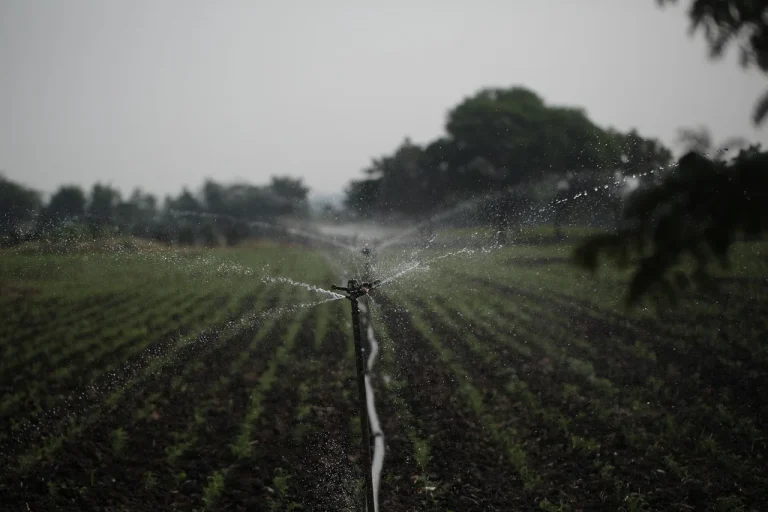
The design of the dispersal method also matters. Some homes use spray heads that pop up from the ground. Others use an underground drip system.
The sprinkler’s actual visual appearance will differ. But the underlying principle remains the same: pump activated to discharge treated effluent. What’s crucial is that the effluent is properly dispersed.
This allows the soil and micro-organisms to do the final polishing of the water.
Understanding these real-world scenarios helps demystify the system. It’s not a magic box. It’s a mechanical and biological process that responds to your daily habits.
The sprinkler is the visible part of that response. Its activity is a direct indicator of how your household is interacting with the system.
Scenario Spotlight: A Day in the Life
Morning Rush (Family of 4):
- 2 showers
- Dishwasher run
- Toilet flushes
- Likely 1-2 sprinkler cycles
Afternoon Lull:
- Single person home, minimal water use.
- Possible 1 sprinkler cycle, or none.
Evening Activities:
- Dinner prep and cleanup
- 1-2 more showers
- More toilet flushes
- Likely 1-2 sprinkler cycles
Total Daily Cycles: 3-5 (approximate)
Note: This is a general example. Actual cycles vary greatly.
What This Means for You
Knowing how often your aerobic septic system sprinkler should come on is empowering. It helps you understand your home’s infrastructure. For most homeowners, it means paying attention to your water usage.
If you notice your sprinkler running more, think about why. Have you been doing extra laundry? Is a leaky faucet dripping constantly?
Small changes in habits can lead to changes in system operation.
When it’s normal, the sprinkler’s cycles are a sign of a healthy, functioning system. They indicate that your wastewater is being treated effectively and dispersed properly. This is good news for your home and the environment.
It means the bacteria in the aeration tank are doing their job. It means the pump is working when it should.
However, you should also know when to worry. If the sprinkler runs constantly, that’s a red flag. It could lead to an overloaded dispersal field.
This can cause sewage to back up into your home or surface in your yard. This is not only unpleasant but also a health hazard. Similarly, if the sprinkler isn’t running at all, it means treated effluent is not being dispersed.
This can also lead to backups and system damage.
Simple checks you can do include listening for the pump. Many systems make a distinct humming sound when the pump is running. You can also observe the sprinkler heads (if visible) to see if they are spraying.
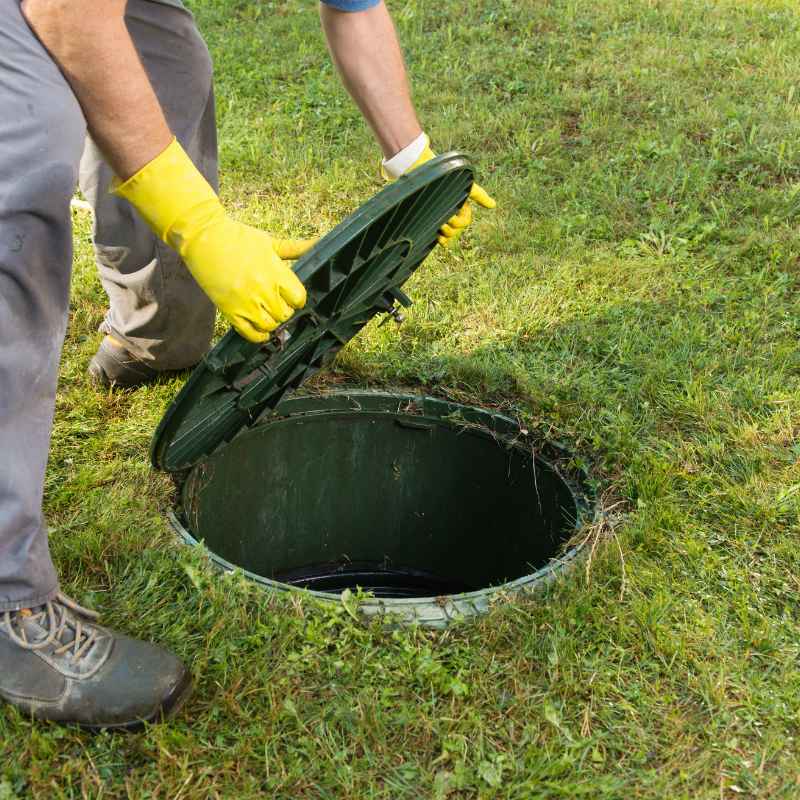
If you have a lid to your pump tank (always exercise caution and never open it alone), you might be able to visually inspect the water level or float switches. However, for most checks, it’s safer to rely on external signs.
If you’re unsure about the system’s operation, it’s always best to err on the side of caution. Schedule a regular maintenance check with a qualified septic professional. They can inspect all the components.
They can clean filters and tanks. They can calibrate the float switches. Regular maintenance is key to preventing problems and ensuring your aerobic system runs efficiently for years to come.
Think of your septic system like your car. You don’t wait for it to break down to take it to the mechanic. You get regular oil changes and tune-ups.
The same applies to your septic system. Those regular cycles of the sprinkler are its way of telling you it’s alive and working. Occasional fluctuations are normal.
But persistent odd behavior is a call for attention.
Quick Fixes and Tips
While most issues with an aerobic septic system sprinkler require a professional, there are some simple things you can do to help keep your system running smoothly. The most impactful tip is to be mindful of what goes down your drains. Avoid flushing anything other than human waste and toilet paper.
This includes things like paper towels, feminine hygiene products, and wipes, even those labeled “flushable” – they can still cause clogs.
Be cautious about what you pour down the sink. Grease, oils, and coffee grounds can build up in pipes and tanks, leading to blockages. Consider using a drain strainer to catch food particles.
If you do have grease, wipe it out of pans with a paper towel before washing.
Limit your use of harsh chemicals. Bleach, disinfectants, and strong drain cleaners can kill the beneficial aerobic bacteria that are crucial for treating your wastewater. If you need to disinfect, try to do so sparingly, or use products that are labeled as septic-safe.
Using too much soap can also create excessive suds that might interfere with the treatment process.
Conserve water whenever possible. Shorter showers, fixing leaky faucets and toilets, and running the dishwasher or washing machine only when they are full all contribute to less wastewater entering the system. This lessens the load on the pump and dispersal system, helping to maintain regular and efficient cycles.
Regularly inspect your plumbing for leaks. A constantly running toilet or a dripping faucet might seem minor, but over time, it adds a significant amount of water to your septic system. This can cause the pump to run more often than it should, leading to premature wear on the components.
If your system has an alarm, pay attention to it. Many aerobic systems have alarms that will sound or light up if there’s a problem, such as a high water level in the pump tank or a pump malfunction. Don’t ignore these warnings; they are there to alert you to issues before they become severe.
Finally, stay on top of your scheduled maintenance. A qualified septic professional should inspect your system at least annually, sometimes more often. They will check the pump, floats, alarms, filters, and the overall condition of the system.
This proactive approach is the best way to ensure your aerobic septic system’s sprinkler continues to operate as it should, preventing costly emergencies down the line.

Frequent Questions
How do I know if my aerobic septic system sprinkler is working correctly?
You’ll notice the sprinkler system comes on periodically, especially after water usage like showers or laundry. The cycles should be regular but not constant. If it runs non-stop or never seems to run, there might be an issue.
Can I use a lawn sprinkler system on the same pump as my septic system?
No, you should never connect a lawn sprinkler system to the same pump as your aerobic septic system. Septic effluent is treated, but it’s not meant for general irrigation of lawns where people or pets might come into contact with it. There are separate, specifically designed systems for wastewater dispersal.
How often should the pump in my aerobic septic system run?
The pump’s running frequency is directly tied to water usage. For a typical home, it might run several times a day, perhaps every few hours, to pump treated effluent. It’s not on a fixed timer but rather activated by the amount of treated water reaching the pump tank.
What happens if my aerobic septic system’s sprinkler runs too much?
If the sprinkler runs excessively, it can flood the dispersal field, leading to saturation. This can cause sewage to back up into your home, or surface in your yard, creating a health hazard and potential property damage. It also puts a strain on the pump and other system components.
What causes the sprinkler to not run at all?
Common causes include a clogged pump, a faulty float switch or sensor, a tripped breaker, or a blockage in the pipes leading to or from the pump tank. A failure in the pump itself or its electrical connection can also prevent it from running.
Do I need to do anything special after heavy rain or snow?
Generally, no. Your aerobic septic system is designed to handle normal weather fluctuations. However, if you have a dispersal field that is prone to becoming waterlogged, very heavy, prolonged rain might temporarily affect dispersal rates.
If you notice issues after extreme weather, monitor the system and consult a professional if problems persist.
Is it normal for the sprinkler to spray water on my lawn?
Some aerobic systems are designed as spray irrigation systems that disperse treated effluent above ground. If yours is designed this way, it is normal for it to spray water. However, the water dispersed is treated effluent, and there are specific regulations about where and how this can be done to ensure safety and prevent contamination.
Conclusion
Understanding your aerobic septic system’s sprinkler cycles is about more than just curiosity. It’s about maintaining a healthy home and environment. The sprinkler’s activity is a direct indicator of how your household uses water and how well the system is treating it.
Regular observation and prompt attention to any unusual patterns are key to ensuring longevity and preventing costly problems.