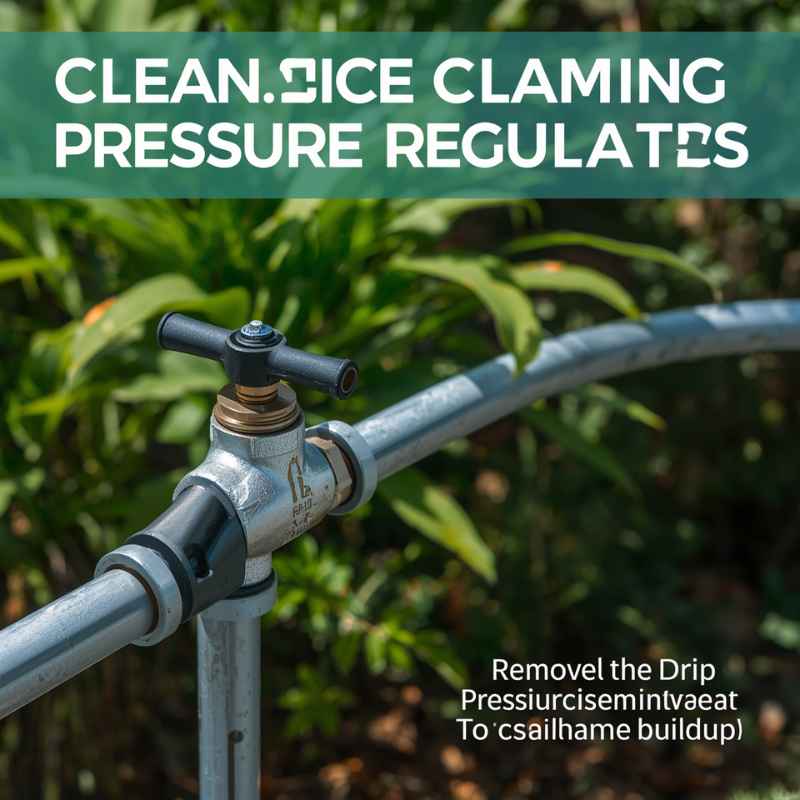
How To Clean Calcium From A Drip Irrigation Pressure Regulator
Dealing with calcium buildup in your drip irrigation system can be a real headache. It’s like a slow clog that you can’t always see. This can stop water from getting to your plants.
For watering and moisture setup, How Long To Water Plants With Drip Irrigation In Georgia gives a useful next step.
For watering and moisture setup, Does Drip Irrigation Prevent Salinization? What You Should Know gives a useful next step.
For watering and moisture setup, How to Determine Irrigation Time for a Drip Sprinkler System gives a useful next step.
It might feel like a mystery problem. But, there are simple ways to tackle it. This guide will help you get your pressure regulator clean.
Your plants will thank you for it.
Calcium buildup can stop your drip irrigation pressure regulator from working right. This article shows you how to clean it using common items. You will learn why it happens and how to prevent it. This helps your garden get the water it needs.
Understanding Calcium Buildup on Your Regulator
Your drip irrigation system uses water. Water has minerals in it. Calcium is one common mineral.
When water evaporates, calcium can stay behind. It forms hard white spots. This is called scale.
In a drip system, scale can build up over time. It likes to stick to parts of the system. The pressure regulator is one of those parts.
A pressure regulator’s job is important. It lowers the water pressure. This protects your drippers.
Drippers are small and can’t handle high pressure. If calcium builds up inside, it blocks the small openings. This can change the water flow.
It might make the pressure too high or too low. This is bad for your plants. They need a steady amount of water.
Why does it happen so much in some places? It really depends on your water source. If your tap water is “hard,” it means it has lots of minerals.
This includes calcium. Well water often has more minerals than city water. The warmer the water, the faster minerals can build up too.
This is because warm water holds fewer dissolved minerals. So, they come out of the water more easily.
The parts inside the regulator are small. They have tiny channels. Calcium can get stuck in these channels.
It’s like plaque on your teeth. It starts small. Then it grows.
It can cover the metal or plastic parts. This makes the regulator less effective. Sometimes, it can stop working completely.
This is when you might notice problems with your watering.
Think about a faucet that’s hard to turn. It might be because of mineral buildup. A pressure regulator has moving parts.
These parts can get stiff. They might not move freely. This causes the regulator to not do its job correctly.
It’s a slow problem. But it can cause big issues for your garden. Knowing this helps you watch for signs of trouble.

My Experience With a Stubborn Regulator
I remember one scorching summer. My tomato plants were wilting. This was strange.
I had just set up a new drip irrigation system. I checked the timers. They were set right.
I checked the drippers. Some seemed to have a weak trickle. Others had nothing.
I felt a knot of panic in my stomach. My precious tomatoes needed water!
I walked along the main line. Everything looked okay. Then I noticed the end of the line.
The pressure seemed off. I remembered there was a pressure regulator near the faucet. I had installed it to protect the system.
I unscrewed the regulator. It was coated in a white, chalky film. It was thick.
I had never seen anything like it. It looked like a piece of old coral.
My first thought was to just buy a new one. But I was frustrated. I had spent good money on this system.
I wanted to fix it. I looked around my garage. I found some white vinegar.
I had read somewhere that vinegar helps with calcium. I decided to give it a try. It was a bit messy.
The vinegar smelled strong. But after soaking the regulator for a few hours, I could scrape most of the calcium off. It wasn’t perfect.
But it worked enough to get water flowing again. It taught me a valuable lesson about water quality and maintenance.
How Calcium Gets Into Your Regulator
Let’s talk more about how this calcium gets where it shouldn’t be. It starts with your water. Most tap water in the U.S.
has minerals. This is normal. The U.S.
Geological Survey (USGS) tracks water hardness. Many areas have moderately hard to very hard water. This means more calcium and magnesium.
These minerals are good for drinking. But not so good for tiny irrigation parts.
When water flows through your pipes, it carries these minerals. The pressure regulator has small internal parts. It has a diaphragm.
It also has springs. These parts control how much pressure goes through. They are often made of plastic or rubber.
Calcium likes to stick to these surfaces. It doesn’t need much to start. Even a small amount of mineral residue is enough.
Think about leaving a wet cup out. Water dries up. You see a ring.
That ring is the minerals left behind. In a pressure regulator, the water is constantly flowing. But there are pauses.
When water is not flowing, it can sit. It can evaporate a little. This leaves minerals behind.
Over weeks and months, this builds up.
Some regulators are made of brass. Others are plastic. Calcium can stick to both.
It can form rough surfaces. These rough spots catch more minerals. It’s like a snowball rolling downhill.
It gets bigger and bigger. The flow of water inside can also cause wear. This wear can make it easier for calcium to attach.
The type of plastic or rubber used can also matter. Some materials are more porous. This means they have tiny holes.
Minerals can get into these holes. They become trapped. This makes them harder to clean later.
It’s why using the right cleaning method is key. You want to dissolve the calcium, not just scrub it.
It’s not just about the water itself. The temperature of the water plays a role. Warmer water makes minerals less soluble.
This means they are more likely to fall out of the water. So, if your water gets warm before it reaches the regulator, buildup can happen faster. This can happen in sunny outdoor pipes.
Gathering Your Cleaning Supplies
Before you start cleaning, make sure you have everything ready. This makes the job go smoothly. You don’t want to stop halfway through.
You’ll need a few common household items. These are usually safe for most regulator materials. But always check your regulator’s manual if you have it.
The star of the show is often white vinegar. This is plain distilled white vinegar. It’s acidic.
Acids are great at breaking down calcium carbonate. That’s the mineral that makes up most of this scale. You can find it at any grocery store.
Get a big bottle. You might need a good amount.
You’ll need something to soak the regulator in. A small plastic bucket or container works well. Make sure it’s deep enough.
The whole regulator needs to be submerged. If you don’t have a bucket, a sturdy plastic bowl will do. Just make sure it won’t leak.
Tools for scrubbing are helpful. A soft-bristled brush is a good start. An old toothbrush is perfect.
You might also need a pipe cleaner or a small bottle brush. These can reach into tight spots. Sometimes, a plastic scraper can help.
Use this gently. You don’t want to scratch the parts.
A pair of gloves is a good idea. Vinegar can dry out your skin. Also, if your regulator is old, it might have sharp edges.
Gloves protect your hands. You’ll also want some old rags or paper towels. You’ll need them for drying and wiping away loosened scale.
Lastly, you need access to water. You’ll need fresh water to rinse the regulator thoroughly. Rinsing is very important.
You don’t want vinegar residue left inside. This could affect your water quality. It could also be bad for plants if a lot gets through.
Some people use a descaler product. These are specifically made for removing mineral deposits. They can be stronger than vinegar.
However, they can also be harsher. They might damage certain plastics or seals. Always follow the product instructions very carefully.
For most home users, vinegar is a safer and cheaper first choice.
Step-by-Step Guide to Cleaning Your Regulator
Now, let’s get to the actual cleaning. This process is pretty straightforward. It just takes a little patience.
First, make sure your main water supply is turned off. This is usually at the spigot or valve where your irrigation system connects. You don’t want water spraying everywhere!
Next, disconnect the pressure regulator. Most regulators screw onto the main line. They often have threaded fittings.
You might need a wrench for this. Be gentle. Don’t force it.
If it’s stuck, try a little penetrating oil. Let it sit for a bit. Then try again.
Once it’s off, take it to your work area. Put on your gloves. Place the regulator in your bucket.
Now, pour in enough white vinegar. Make sure the entire regulator is submerged. If you have a model with a removable screen or filter, take that out too.
You want to clean all parts.
Let it soak. For light buildup, an hour might be enough. For tougher, older deposits, you might need to soak it for 4 to 12 hours.
Overnight is often a good timeframe. During the soak, you can gently shake the bucket now and then. This can help the vinegar reach all surfaces.
After soaking, take the regulator out. Use your soft brush. Gently scrub all the parts.
Pay special attention to any nooks and crannies. The calcium should be soft now. It should come off easily.
If you see any stubborn spots, you can use the plastic scraper very carefully. For inside the channels, use a pipe cleaner or small bottle brush.
If there’s still a lot of calcium, you might need to repeat the soaking and scrubbing. Some very heavy buildup may require a second soaking. You can also try warming the vinegar slightly.
Warm vinegar can be more effective. But be careful not to boil it. You don’t want to damage plastic parts.
Once you’re happy with the cleanliness, it’s time to rinse. Rinse all parts under clean, running water. Make sure all traces of vinegar and loosened calcium are gone.
Swish it around. Use your brush again for any missed spots. Rinse until the water runs clear and there’s no vinegar smell.
Finally, let the regulator air dry completely. You can also pat it dry with a clean rag. Make sure no water is left inside.
This prevents new mineral spots from forming immediately. Once dry, you can reassemble any parts you removed. Then, reattach the regulator to your irrigation system.
Turn the water back on slowly.
Regulator Cleaning Checklist
- Turn off water supply.
- Disconnect the regulator.
- Submerge in white vinegar.
- Soak for 1-12 hours.
- Scrub with a soft brush.
- Rinse thoroughly with clean water.
- Let it dry completely.
- Reconnect and turn water on.
Dealing with Really Tough Buildup
Sometimes, the calcium is really thick. It’s like concrete. Vinegar alone might not do the trick.
Don’t give up just yet. There are a couple of things you can try. The first is to use warm vinegar.
When vinegar is warm, it becomes a stronger cleaner. You can heat it gently on the stove. Put it in a pot.
Heat it until it’s warm to the touch, not hot.
Pour the warm vinegar into your bucket. Then, place the regulator in it. Be careful.
Warm liquids can be dangerous. Let it soak. You might need less time with warm vinegar.
Check it after an hour. The heat helps to break down the calcium faster.
Another option is a commercial descaler. These products are made for removing hard water stains. Brands like CLR (Calcium, Lime, Rust Remover) or Lime-A-Way are common.
You can find them at hardware stores or supermarkets. However, these products are chemical-based. You must use them carefully.
Read the label on the descaler. It will tell you what materials it’s safe for. It will also tell you how to use it.
Usually, you dilute it with water. Then, you soak the part. It’s very important to follow the instructions precisely.
Wear gloves and eye protection. Work in a well-ventilated area.
After using a commercial descaler, you need to rinse extremely well. Rinse multiple times with fresh water. You want to remove all traces of the chemical.
Some people even soak the part in a baking soda and water solution. Baking soda is a mild base. It can help neutralize any leftover acid from the descaler.
Then, rinse again with plain water.
If the regulator is very old or made of a material you’re unsure about, maybe a professional cleaning is best. Or, it might just be time to replace it. Modern pressure regulators are not very expensive.
The cost of a new one might be less than the time and effort spent on a severely damaged one.
I once had a regulator so caked in calcium, it looked like it was made of stone. I tried soaking it for two days. I even used warm vinegar.
It helped a little. But the small holes were still blocked. I ended up buying a new one.
It was a relief to have a working system again. Sometimes, replacement is the simplest solution.
When to Consider Replacement
- Buildup is extremely thick and hard.
- Vinegar or descalers don’t work.
- Regulator parts are visibly corroded or damaged.
- The cost of replacement is low compared to effort.
- You’re unsure about material compatibility with cleaners.
Preventing Future Calcium Buildup
Cleaning is great, but prevention is even better. You don’t want to be doing this every few months. The best way to prevent calcium buildup is to reduce the minerals in the water.
This isn’t always easy. But there are some strategies.
One simple thing is to flush your system regularly. Even if you don’t see problems, run water through the system for a few minutes. Do this at the start and end of the watering season.
This can help push out loose deposits before they harden. Some people install flushing valves at the end of their lines.
If your water is very hard, consider a whole-house water softener. This is a bigger investment. But it can protect all your plumbing, not just the irrigation system.
Water softeners use salt to remove minerals like calcium and magnesium. The water then becomes “soft.” It is much less likely to cause scale.
Another option is to use a specific filter for your irrigation system. Some filters are designed to capture minerals. They might not remove everything.
But they can reduce the amount of calcium reaching your regulator. Check with your local irrigation supply store. They might have recommendations.
Sometimes, the location of the regulator matters. If it’s in direct, hot sun, the water inside might get warm. This can encourage mineral deposits.
Try to shade the regulator if possible. Or, ensure it’s part of a system that is flushed often.
Regular inspection is also key. Don’t wait until your plants wilt. Check your regulator every few months.
Look for any white deposits forming. Catching it early makes cleaning much easier. A quick soak might be all you need.
If you live in an area with very high mineral content in the water, you might have to accept that some maintenance is needed. Think of it like caring for any tool. Regular care keeps it working well.
It prevents bigger problems down the road. This saves you money and frustration.
Prevention Strategies
- Regular Flushing: Run water through the system often.
- Water Softener: Invest in a whole-house system.
- Mineral Filter: Install a specific filter for irrigation.
- Shading: Keep the regulator cool if possible.
- Frequent Checks: Inspect for early signs of buildup.
What This Means for Your Garden
A clean, working pressure regulator is vital for a healthy garden. When the regulator functions correctly, it ensures water is delivered at the right pressure. This is crucial for drip irrigation.
Too high a pressure can blow out drippers. It can damage plant roots. It can also cause water to spray out of the emitters, wasting water.
Too low a pressure means water won’t reach the end of the line. Your plants will be thirsty. This is especially bad for deep root watering.
You want a steady, controlled flow. This helps plants grow strong. It keeps the soil moist at the right level.
When calcium buildup clogs the regulator, you lose control. Your watering becomes uneven. Some plants might get too much water.
Others get too little. This can stress your plants. Stressed plants are more likely to get diseases.
They might produce less fruit or flowers. It impacts their overall health.
So, cleaning your regulator isn’t just a chore. It’s a way to support your garden’s success. It’s part of good plant care.
It helps you use water efficiently. It protects your investment in your irrigation system.
Think about the money you spend on seeds, soil, and fertilizer. All that effort can be undone by poor watering. Ensuring your irrigation system is working perfectly is a big part of that.
A clean regulator means a happy, hydrated garden. And that makes for a happy gardener too.
Impact of a Clean Regulator
- Consistent Watering: All plants get the right amount.
- Water Efficiency: Less water wasted through spray.
- Plant Health: Reduces stress and disease risk.
- System Longevity: Protects drippers and lines.
- Peace of Mind: You know your garden is cared for.
When is it Normal and When to Worry
A little bit of white residue on your regulator might seem scary. But it’s often normal. Water is not pure.
It has minerals. Some buildup over time is to be expected, especially in hard water areas. This is when you might see small white spots.
They don’t affect the flow much.
You should start to worry when the buildup is thick. This is when it starts to look like a crust. It can be several millimeters thick.
It might make the regulator feel heavier. If you try to clean it and it’s very hard to remove, that’s a sign it’s become a problem.
Worry more if you notice changes in your watering. Are plants wilting when they shouldn’t be? Is water pooling in some areas and dry in others?
Are drippers clogged or just trickling? These are signs that the regulator might not be working right. It’s likely due to buildup.
Another sign to watch for is strange sounds. Sometimes, a struggling regulator can make noises. You might hear a buzzing or humming sound.
This means the internal parts are having trouble moving freely. This is a definite sign to check it.
If you notice any leaks around the regulator, that’s also a concern. Calcium buildup can sometimes damage the seals. This can lead to leaks.
Leaks waste water. They can also indicate a failing regulator.
So, a tiny bit of white dust? Probably fine. A thick, stubborn layer that affects watering?
Time to clean or replace. Trust your observations of your garden and your system. They will tell you when something is wrong.
Simple Tips for Regulator Care
Here are some quick tips to keep your drip irrigation pressure regulator in top shape:
- Read Your Manual: If you still have it, check what your regulator’s manufacturer says about cleaning and maintenance.
- Use Filter Screens: Many regulators have a small filter screen inside. Clean this screen every time you clean the regulator. It catches larger debris.
- Install a Y-Filter: Add a filter just before the regulator. This catches sediment and debris. It can help reduce the load of minerals too.
- Check Connections: Make sure all connections are tight. Loose fittings can cause water to spray. This can lead to mineral deposits forming on the outside of the regulator.
- Winterize Properly: If you live in a cold climate, make sure to drain your system completely. Water left in the regulator can freeze. This can crack the plastic.
- Don’t Over-Tighten: When reassembling, don’t crank down too hard. This can strip threads or crack plastic parts. Snug is good.

Frequently Asked Questions
How often should I clean my drip irrigation pressure regulator?
This depends on your water quality. If you have very hard water, you might need to check and clean it every 6 months to a year. If your water is soft, it could be every 2-3 years.
Look for signs of buildup or reduced water flow. That’s the best indicator.
Can I use vinegar that is not white distilled vinegar?
It’s best to stick with plain white distilled vinegar. Other vinegars, like apple cider vinegar, have color and other compounds. These might stain your regulator or leave residue.
White vinegar is the purest and most effective for calcium removal.
What if my regulator is plastic? Will vinegar damage it?
White vinegar is generally safe for most common plastics used in irrigation parts. However, extremely long soaks or very hot vinegar could potentially weaken some plastics over time. If you’re concerned, start with a shorter soak (1-2 hours) and check the results.
For very old or brittle plastic, be extra gentle when scrubbing.
Do I need to replace the regulator if it’s leaking?
Yes, if your regulator is leaking, it should be replaced. Leaks mean the seals are compromised. Calcium buildup can cause this.
A leaking regulator wastes water and won’t maintain the correct pressure. It’s best to swap it out for a new one.
How can I tell if my water is hard?
You can buy a home water hardness test kit at a hardware store. Your local water utility may also provide water quality reports online. These reports often list the mineral content or water hardness levels for your area.
Is it safe to drink water from a system that had calcium buildup?
Calcium itself is not harmful to drink. It’s a necessary mineral. However, if you’ve used strong cleaning chemicals to remove the buildup, you must rinse the regulator extremely thoroughly.
Ensure no chemical residue remains before turning the water back on for any use, including drinking.
Conclusion: Keeping Your Drip System Flowing
Keeping your drip irrigation pressure regulator clean from calcium is key. It helps your system work right. It ensures your plants get the water they need.
With simple tools like white vinegar, you can tackle this common problem. Regular checks and cleaning will keep your system healthy. Enjoy a thriving garden!