How to Choose the Right Irrigation Timer for Beginners
Choose an irrigation timer by matching it to your water source first, then your zone count, then how much maintenance you can tolerate. For most beginners, that means a battery or solar timer for a hose bib, or a 24V controller for a multi-zone sprinkler system. Pick wrong, and you can end up with dead plants, weak watering, or a timer that cannot run your valves. This guide shows how to compare water source, zone count, power type, and manual upkeep so you can choose the right timer the first time.
Start with your irrigation setup
The timer has to fit the plumbing you already have. A hose bib or outdoor tap usually points you toward a hose-end timer. A drip manifold or low-pressure line may need a timer that can handle longer, gentler watering cycles. In-ground valves call for a controller that matches the valve layout, not a faucet timer.
Outdoor tap and hose-bib setups
If water comes from a hose bib, outdoor spigot, or tap, you are usually choosing a hose-end timer. These connect directly to the faucet and can feed one outlet or multiple outlets. They suit small beds, temporary watering, and renters because setup is simple and the timer can be removed without altering the irrigation line.
Home Grows Hub says a basic analog timer is best for a single hose or one raised bed, and that balcony herbs or 5-10 containers suit a single-outlet digital hose timer. That is the right scale for a beginner who wants a short, direct path from tap to plants.
Drip manifold and low-pressure lines
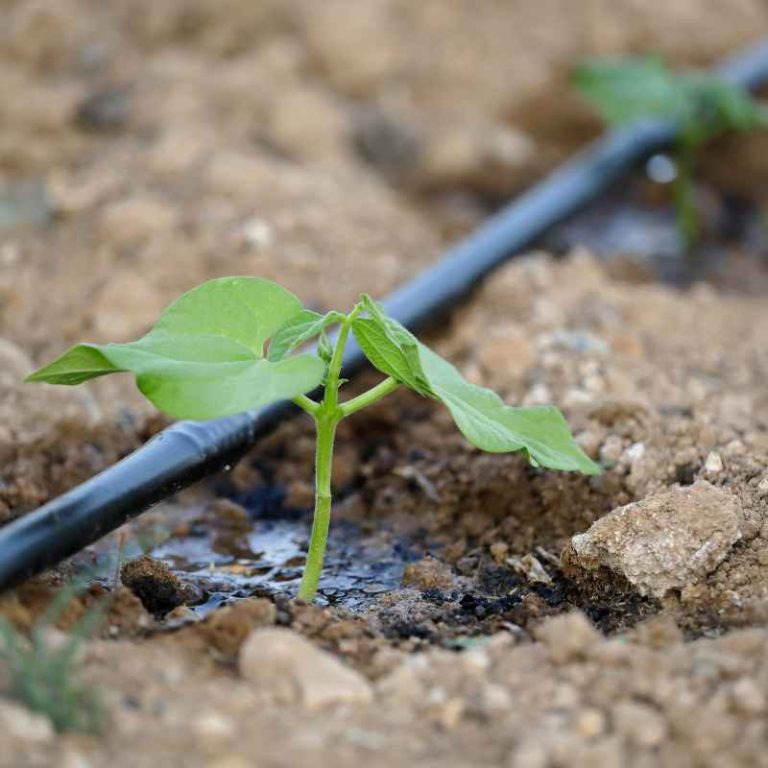
A drip manifold is not the same as a hose timer. It splits water into drip tubing or emitters, often at lower pressure than a sprinkler line. For drip irrigation, the timer matters, but so do the pressure regulator and filter. If the line clogs easily or the pressure runs too high, the timer alone will not fix the system.
For patio drip systems and renters, Home Grows Hub notes that Bluetooth hose timers can be useful. For low-pressure drip setups, the best timer is the one that supports longer, steadier schedules without forcing short, frequent cycles that waste water.
In-ground valves and multi-zone controllers
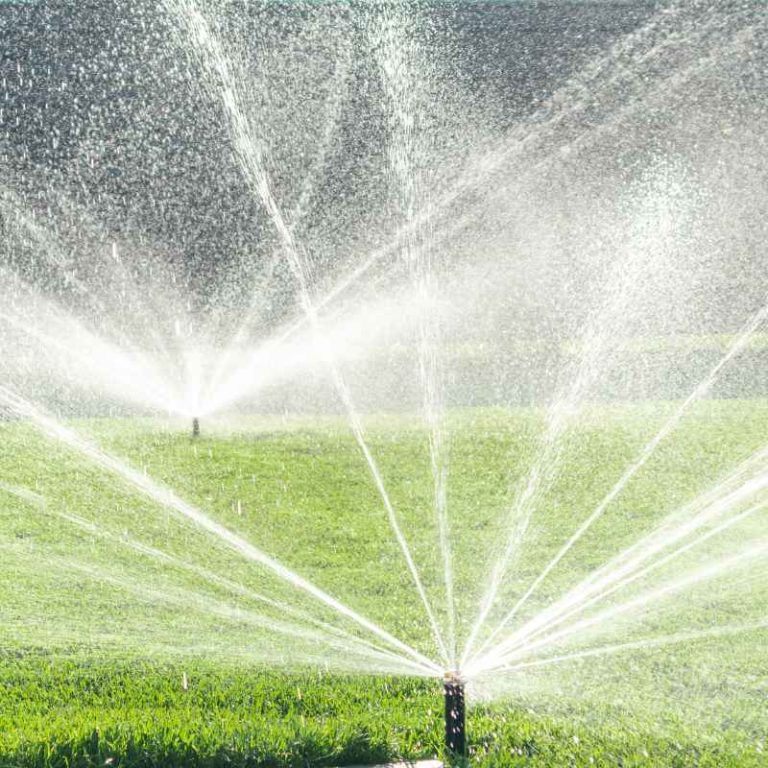
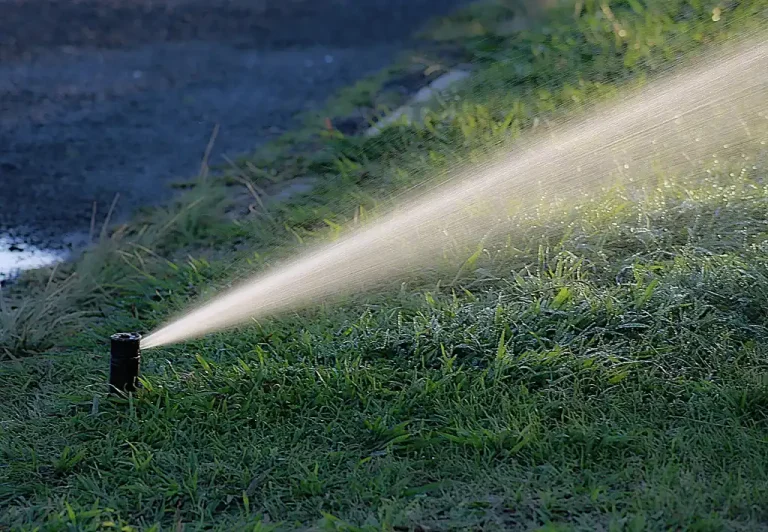
In-ground systems use valves or stations, and each one is usually a separate watering area. That is where a controller belongs. Elite says a multiple-program timer can water specific zones individually. The same source describes irrigation timers as controlling start time, run time, frequency, and programs or zones.
That matters because a lawn, shrub bed, and vegetable bed rarely want the same schedule. One controller can manage several stations, but each station still needs its own schedule logic.
Which timer type fits your garden?
The best timer type is the one that matches your setup and your tolerance for setup work. Beginners usually do best with the simplest timer that can still handle the number of areas they need to water. If you only need one faucet-fed line, do not buy a controller built for a full yard.
Mechanical timer
A mechanical timer is budget-friendly and uses manual operation with simple dial controls. It is a solid choice for basic watering needs, but it has limited scheduling flexibility. Use it when you want a straightforward on-off cycle and do not need multiple programs or app control.
It is the least demanding option, which is also its limit. If your bed needs different runtimes through the season, a mechanical unit can feel too rigid.
Electronic timer
An electronic timer gives you more scheduling control than a mechanical one. It can support regular or drip irrigation systems and usually adds features such as multiple programs, a display, and weather-based changes. That makes it better when you need more than a single simple cycle.
It is a sensible middle ground for beginners who want flexibility without moving to a full smart controller. The tradeoff is that setup can take longer than a basic dial timer.
Hybrid timer
A hybrid timer combines mechanical and electronic features, often with slider-style controls and an easier-to-read interface. That can help if you want a simpler feel than a dense digital panel but still need more control than a plain dial timer.
This category is worth a look when you want clarity first. It gives you a friendlier interface without forcing you into app-based scheduling.
Smart WiFi controller
A smart WiFi controller uses app-based schedules, weather data integration, seasonal adjustment, rain delay, and sometimes soil sensor support. The same source says smart WiFi controllers are ideal for multi-zone lawns and vegetable gardens. That makes sense when you need remote control and more scheduling flexibility.
It is usually too much for a single hose bed, but useful when your garden changes often. The catch is that setup and troubleshooting are more involved, and the extra features only pay off if you will actually use them.
Hose-end timer
A hose-end timer connects directly to an outdoor tap and is the simplest fit for small-scale watering. It can be battery-operated or electric, and some versions offer single or multiple outlet options. For a beginner, that usually means easier installation and fewer moving parts.
The same source says Bluetooth hose timers are useful for patio drip systems and renters. That makes hose-end timers a strong first choice when you want quick setup and do not need a hardwired controller.
How many zones do you need?
Start by treating a zone as one separate watering area, usually one valve or station, not just one schedule. One zone can still have more than one program or runtime, but the hardware has to match the number of separate areas you need to water. That is where beginners often miscount.
What a zone
A zone is a distinct watering area that can be run independently from the others. It is matched to plant type and irrigation method, so lawn, raised beds, and containers do not need to share the same output if their water needs differ.
If you only have one hose bed, one zone may be enough. If you have one valve feeding mixed plants, the programming can still separate them by run time, but only if the controller supports that setup.
When one zone can share one schedule
One zone can share one schedule when all the plants in that area want roughly the same watering pattern. A single raised bed with similar crops or a simple strip of bedding plants can usually stay on one timer program.
That keeps maintenance low. It also reduces the risk of overwatering one section just to satisfy another.
When mixed plants need separate zones
Mixed lawn plus drip beds should not usually share one zone if the sprinkler heads and drip emitters need different runtimes or pressure conditions. Lawn wants different flow and frequency than drip lines, and containers often need still another pattern.
Say your backyard has one turf area and two drip beds. A single timer program may run both, but that often leads to runoff on the lawn or dry soil in the beds. Separate zones solve that mismatch.
Timer choice matrix
This matrix turns garden layout into a timer choice. Use it as a shortcut when you know the setup but not the product category. It is the simplest way to avoid buying a controller that does not match the plumbing.
| Garden setup | Timer type | Zone count | Power source | Must-have features | Common mistake to avoid |
|---|---|---|---|---|---|
| One hose bed | Mechanical timer or basic hose-end electronic timer | 1 | Battery or manual dial | Simple controls, rain delay, easy readout | Buying a multi-zone controller for a single bed |
| Two raised beds | Multi-outlet hose timer or small hybrid timer | 2 | Battery | Separate runtimes, clear display, battery backup | Putting both beds on one short cycle |
| Mixed lawn plus drip beds | Electronic or smart WiFi controller | 2 or more stations | 24V controller power with backup battery | Multiple programs, weather adjustment, rain delay | Grouping lawn and drip on the same schedule |
| Container patio | Hose-end timer, often Bluetooth or digital | 1 outlet, sometimes 2 | Battery | Short-run flexibility, manual override, water resistance | Choosing a hardwired controller for a portable setup |
| Travel watering | Battery hose timer or smart hose timer | 1 to 2 outlets | Battery, with backup preferred | Rain delay, easy schedule changes, battery backup | Using a timer that cannot hold settings during outages |
Features that matter most
Features should support the layout, not drive the purchase by themselves. The most useful extras for beginners are the ones that reduce overwatering, lower setup mistakes, and make the timer easier to live with. Anything else is secondary until the basic fit is correct.
Rain delay and weather adjustment
The same source says a rain delay helps disable watering during storm events, and WaterSense-labeled timers can help reduce overwatering. That matters because a timer that keeps watering through rain creates runoff and wastes water. Rain delay is one of the few features that pays off immediately.
Weather-based adjustment is useful when you want the schedule to respond to changing conditions without constant manual edits. For beginners, that is often more valuable than a long feature list.
Battery backup and power source
The same source says battery backup preserves settings during power outages. That matters most on controllers that lose programming when power fails. If the timer sits in a place where outages are common, backup power keeps you from reprogramming the same settings again and again.
Battery-powered hose timers are simpler, but they still need a battery that stays healthy. A dead battery can turn a helpful timer into a missed watering cycle.
Display, buttons, and scheduling clarity
A good beginner timer should be easy to read and easy to change. A clear display, direct buttons, and a sensible menu matter more than an app if you only need one or two programs. The more obvious the controls, the less likely you are to set the wrong start time or runtime.
If the interface makes you stop and decode every screen, it is probably too much timer for the job.
Drip compatibility, pressure, and filtration
For drip irrigation, the timer must work with low-pressure lines and a schedule that avoids short cycling. Frequent short bursts can cause uneven watering, especially in long beds or on small emitters. If the system is clog-prone, pressure regulation and filtration matter as much as the timer.
Suppose a patio drip line starts watering four times a day for only a few minutes. That can leave dry spots in one part of the line and waste water in another. A longer, steadier schedule is usually the better fit.
Our picks by need
These picks are based on the manufacturer details, published product information, and buyer feedback. Each one fits a different beginner setup. The drawback matters as much as the strength, because the wrong category can be a worse buy than a weaker feature set.
Best for a small garden: Orbit programmable digital hose watering timer

For a hose bib, small bed, or patio container setup, the Orbit programmable digital hose watering timer is the most straightforward fit here. It is a battery-powered, 2-outlet hose timer with an LCD screen, built-in rain delay, and water-resistant design, so it covers the basics without forcing a larger controller.
Its strength is simplicity for a faucet-fed layout. The drawback is that it is still a hose timer, not a true multi-zone in-ground controller, so it will not solve a mixed lawn-and-bed system on its own.
Best for drip irrigation: Hunter NODE-100-LS Battery Sprinkler Timer

The Hunter NODE-100-LS is the better fit when you need a 1-zone controller for remote or drip zones and do not want AC wiring. It is battery-operated, waterproof, and includes a battery-life indicator, which helps when the timer sits outdoors and needs low-maintenance operation.
The drawback is obvious: it is only one zone, and the solenoid is not included. That keeps it focused, but it also means you need the rest of the valve hardware already in place.
Best for mixed zones: Rain Bird TRU4I controller

The Rain Bird TRU4I is the strongest option here for a small mixed system because it controls up to 4 zones and uses program-based scheduling. The LCD display and programming dial make it easier to separate lawns, beds, and other stations without moving straight to a more complex smart platform.
Its main drawback is that it is an indoor controller and WiFi requires an optional adapter. That means it works well as a traditional multi-zone brain, but it is not the simplest answer if you need an outdoor hose-mounted timer.
Best for low-maintenance scheduling: Rain Bird TRU4I controller
If you want fewer adjustments through the season, a controller that can manage multiple zones with clear programming is the safer choice. The TRU4I is useful when you want one place to set several stations, then leave the schedule alone except for seasonal changes or rain delay use.
The drawback is the setup burden. A beginner who only needs one patio line may find the controller more than necessary.
Best for travel watering: Orbit programmable digital hose watering timer
For travel, a hose timer with rain delay and a water-resistant shell gives you the simplest control over a temporary watering schedule. The Orbit unit is a practical choice because it is built for faucet use and can manage a small number of outlets without hardwired installation.
The limitation is that it depends on a hose faucet being available and on the battery staying in good shape. That is fine for short trips, less ideal for a permanent multi-zone garden.
Mistakes to avoid
Most beginner mistakes come from choosing the timer before the layout is clear. Start with the water source and line type, then pick the timer that fits. That simple order prevents the most common setup errors.
- Choosing by features before layout. A smart controller is wasted on a single hose bed if a hose-end timer would do the job.
- Confusing zones with programs. A zone is usually a separate valve or station. A program is the schedule assigned to it.
- Ignoring pressure and flow limits. Drip systems often need a regulator and filter, not just a timer.
- Skipping backup power or rain delay. Elite says battery backup preserves settings during outages, and rain delay helps disable watering during storms.
- Grouping mismatched plants together. Lawn and drip beds often need different runtimes, even if they sit close together.
- Using a timer that cannot match the source. A faucet timer will not replace an in-ground controller, and a controller will not solve a portable patio setup.
A common first-timer mistake is putting two raised beds on one short cycle because the timer has only one easy button. The top bed may stay dry while the lower one runs too long, and the fix is not more watering time but a better zone plan.
Frequently asked questions
How do I choose an irrigation timer?
Choose a timer by starting with the water source, then the number of zones, then the amount of upkeep you want. A hose bib usually points to a hose-end timer, while in-ground valves need a controller. After that, pick the simplest power source and controls that still match your garden.
What type of irrigation timer is best for a beginner?
For most beginners, the best type is the simplest timer that fits the plumbing. That is usually a hose-end timer for a small bed or a basic multi-zone controller for an in-ground system. Mechanical timers are budget-friendly, while electronic timers give more flexibility when schedules need to change.
Do I need a smart irrigation timer or a basic hose timer?
Use a basic hose timer if you have a single faucet-fed area, a patio, or a small garden with one or two outputs. Choose a smart WiFi controller when you have several zones, want weather-based changes, or need remote control. Convenience helps, but only when the setup needs it.
How many zones do I need on an irrigation timer?
Count one zone for each area that needs its own watering pattern. A lawn, drip bed, and container area often need separate control. If all the plants can share the same runtime and delivery method, one zone may be enough, but mixed plantings usually need more.
What features should I look for in a water timer for drip irrigation?
Look for clear scheduling, rain delay, and a setup that works well with low-pressure drip lines. Pressure regulation and filtration matter too, especially in clog-prone systems. Avoid short, frequent cycles unless the plant type truly needs them, because they can cause uneven watering.
How do I install a lawn irrigation timer?
Match the timer to the system first. A hose-end timer screws onto an outdoor tap; a multi-zone controller connects to the valve wires for the stations it will manage. Before programming, confirm the zones, test each valve, and make sure the power source and backup are in place.
Should I choose a mechanical or electronic irrigation timer?
Choose mechanical if you want the lowest-cost, simplest option for basic watering. Choose electronic if you need multiple programs, more scheduling flexibility, or better control over different zones. Electronic models are usually the better beginner choice once the garden has more than one watering pattern.
What is the best water timer for a small garden?
For a small garden, a hose-end timer is usually the best starting point. A basic analog or digital hose timer is enough for a single bed, a patio, or a few containers. If the garden expands into separate watering areas, move up to a multi-zone controller.