Why Charlotte’S Region Is Surprisingly Great for Gardens
Nestled at the crossroads of the Piedmont and the Southern Appalachian foothills, Charlotte’s region is a vibrant, green haven that consistently surprises newcomers and long-time residents alike with its gardening potential. While it may not carry the iconic horticultural reputation of the Pacific Northwest or the Mediterranean-like climates of California, Charlotte is quietly blossoming into one of the Southeast’s most dynamic gardening regions.
Here, a unique blend of climate, soil, community, and biodiversity converge to create an unexpectedly rich environment for both novice and expert gardeners.
What makes Charlotte’s region stand out is not only its natural assets but also the passionate community that has cultivated a robust gardening culture. From sprawling suburban backyards to innovative urban rooftop gardens and community plots, the area is a living laboratory for everything from native plant restoration to inventive edible landscapes.
Whether you’re looking to grow dazzling ornamentals, bountiful vegetables, or pollinator-friendly habitats, Charlotte offers an impressive toolkit for gardening success. Let’s dig deeper into why this region is so surprisingly great for gardens—and why its reputation is on the rise among horticultural enthusiasts nationwide.
Key Takeaways
- Charlotte’s region offers a unique climate that supports a wide range of plants, extending the gardening season and enabling diverse garden styles.
- Soil diversity, from rich loam to adaptable clay, provides opportunities for both native and introduced plant species to thrive with proper management.
- A strong gardening community and robust local resources support beginners and experts through clubs, nurseries, and public gardens.
- Biodiversity initiatives and pollinator programs are thriving, making the region a leader in sustainable gardening practices.
- Case studies and real-world examples demonstrate how local gardeners overcome common challenges and achieve impressive results.
- Comparative data shows Charlotte’s region outperforms many peer cities in garden success and plant variety.

The Unique Climate Advantage Of Charlotte’s Region
Charlotte’s location at the intersection of the Piedmont and foothills gives it a distinctive climate, which is particularly advantageous for gardeners seeking both reliability and variety in their planting options.
Four-season Growing Potential
Unlike many regions that endure harsh winters or scorching summers, Charlotte boasts a humid subtropical climate that balances warmth and precipitation. The average last frost date typically falls in early April, while the first frost doesn’t arrive until late October or even early November. This generous window allows for:
- An extended growing season of 200+ days.
- Multiple planting opportunities for cool- and warm-season crops.
- Overlapping bloom times for ornamentals and fruiting plants.
Rainfall And Temperature Patterns
Charlotte receives about 43 inches of annual rainfall—well-distributed across the year—which supports lush plant growth without the need for excessive irrigation. Average summer highs reach the upper 80s °F, while winter lows rarely dip below the mid-20s °F. These moderate extremes reduce plant stress and broaden species selection.
Microclimates And Elevation Variability
From uptown’s urban heat islands to the cooler, shaded suburbs, Charlotte’s microclimates offer gardeners flexibility. Elevation ranges from about 600 to 850 feet, creating subtle variations in temperature and moisture that allow for creative plant placement.
Case Study: Uptown Rooftop Gardens
Several Charlotte businesses and residences have transformed rooftops into productive green spaces. For example, the UNC Charlotte Urban Institute’s rooftop garden leverages the city’s microclimates to grow vegetables and herbs year-round, using raised beds and container gardens to mitigate heat and optimize rainfall capture.
Usda Hardiness Zone Data
Charlotte sits primarily in USDA Hardiness Zone 7b/8a, which means winter lows are mild enough for many subtropical perennials, yet cool enough for classic southern favorites like azaleas and dogwoods.
| City | USDA Zone | Average Last Frost | Average First Frost | Growing Season (Days) |
|---|---|---|---|---|
| Charlotte, NC | 7b/8a | April 5 | October 30 | 208 |
| Atlanta, GA | 8a | April 1 | October 28 | 210 |
| Raleigh, NC | 7b | April 8 | October 25 | 200 |
| Richmond, VA | 7a | April 15 | October 15 | 182 |
Charlotte’s unique climate characteristics thus provide a highly flexible, forgiving canvas for gardeners, from beginners to seasoned horticulturists.

Diverse And Adaptable Soils: The Foundation Of Healthy Gardens
Soil is the literal bedrock of successful gardening, and Charlotte’s region is blessed—and occasionally challenged—by a wide variety of soil types. Understanding and leveraging this diversity is key to achieving thriving gardens.
The Red Clay Challenge And Opportunity
Much of the Piedmont region, including Charlotte, is famous for its red clay soils. While clay can be dense and slow to drain, it is also inherently rich in minerals. With the right amendments, such as compost and organic matter, clay soils can become highly productive.
Benefits of Red Clay Soils:
- High nutrient content for robust plant growth.
- Good moisture retention during dry spells.
Management Tips:
- Regular incorporation of organic material to improve structure.
- Raised beds to enhance drainage.
Loam And Alluvial Soils Along Waterways
Areas adjacent to the Catawba River and its tributaries are blessed with loam and alluvial soils, which are prized by gardeners for their excellent balance of sand, silt, and clay. These soils are naturally fertile and easy to work, supporting everything from vegetables to fruit trees.
Soil Testing And Amendment Resources
Charlotte’s proactive gardening community benefits from accessible soil testing services provided by the NC Cooperative Extension. These tests allow gardeners to tailor amendments for optimal plant health, improving yields and ornamental performance.
Native Plants And Soil Compatibility
The region’s soils are well-suited to a range of native plant species, such as black-eyed Susans, coneflowers, and native azaleas. These plants require minimal intervention and have evolved to thrive in local conditions, making them a popular choice for sustainable gardens.
Case Study: Mecklenburg County Native Habitat Restoration
In a project led by the Charlotte-Mecklenburg Storm Water Services, several parks have been restored using native grasses and wildflowers, resulting in reduced maintenance costs and improved pollinator activity. This demonstrates the adaptability and resilience of local soils when paired with the right plant selections.
Soil Comparison Table
| Soil Type | Prevalence in Charlotte | Key Benefits | Common Challenges | Best Uses |
|---|---|---|---|---|
| Red Clay | Widespread | Rich in minerals, retains moisture | Poor drainage, compaction | Perennials, shrubs, trees |
| Loam | Along rivers/creeks | Easy to work, fertile | Erosion risk | Vegetables, annuals, fruit trees |
| Sandy Loam | Pockets in suburbs | Good drainage | Requires fertilization | Herbs, root crops |

Biodiversity, Native Plants, And Pollinator Support
Charlotte’s region stands out for its remarkable biodiversity—a characteristic that is both natural and carefully cultivated by local gardeners and conservationists.
Native Plant Abundance
The Carolinas are home to more than 3,000 native plant species, many of which are adapted to the Piedmont’s climate and soil. Gardeners who choose native species benefit from:
- Low-maintenance landscapes.
- Increased resilience to pests and diseases.
- Support for local wildlife, especially pollinators.
Popular native choices include Eastern redbud, Carolina jessamine, and oakleaf hydrangea.
Pollinator Pathways And Urban Wildlife
Charlotte is a leader in the Monarch Butterfly City USA movement, with extensive efforts to create pollinator corridors across parks, schools, and private gardens. The city’s “Bee City USA” designation reflects a robust commitment to supporting bees, butterflies, and other beneficial insects.
Key Pollinator Programs:
- Planting of milkweed and nectar plants.
- Reduction in pesticide usage.
- Public education campaigns.
Invasive Species Management
Local organizations, such as the Catawba Lands Conservancy, work tirelessly to manage invasive plants and promote native biodiversity. These efforts not only protect the ecological balance but also enhance the beauty and function of home gardens.
Wildlife-friendly Gardening
Charlotte’s gardeners are encouraged to create wildlife-friendly habitats, using native shrubs and perennials, water features, and sheltering structures. Such gardens attract birds, butterflies, and beneficial insects, contributing to a balanced ecosystem.
Example: The Wing Haven Garden & Bird Sanctuary
A beloved local landmark, Wing Haven exemplifies how intentional planting and habitat design can attract a dazzling variety of birds and pollinators. With guided tours and educational programs, Wing Haven serves as an inspiring model for wildlife-friendly home gardens.
Biodiversity Data Table
| Biodiversity Factor | Charlotte Region | National Average |
|---|---|---|
| Native Plant Species | 3,000+ | 2,000 |
| Pollinator Species | 400+ | 250 |
| Certified Pollinator Gardens | 120+ | 60 |
Thriving Gardening Community And Local Resources
The heart of Charlotte’s gardening success lies not just in its climate and soil, but in the passionate, interconnected gardening community that fuels innovation, learning, and support.
Garden Clubs And Plant Societies
Charlotte is home to dozens of active garden clubs and plant societies, including the Charlotte Garden Club and the Piedmont Herb Society. These organizations offer:
- Workshops and classes for gardeners of all levels.
- Plant swaps and seed exchanges.
- Expert guest speakers and field trips.
Example: Charlotte Garden Club Annual Plant Sale
This popular event draws thousands each spring, showcasing rare and native plants while fostering camaraderie among local gardeners.
Community Gardens And Urban Agriculture
More than 40 community gardens operate in and around Charlotte, supported by nonprofits like Friendship Gardens and initiatives such as Urban Roots Charlotte. These gardens:
- Provide access to fresh produce for underserved neighborhoods.
- Serve as educational hubs for sustainable gardening.
- Foster social connections and food security.
Local Nurseries And Garden Centers
Charlotte’s independent nurseries, such as Pike Nurseries and Blackhawk Hardware, are invaluable resources for regionally adapted plants, expert advice, and gardening supplies. Many offer free soil testing and seasonal workshops.
Public Gardens And Educational Programs
Institutions like the UNC Charlotte Botanical Gardens and the Daniel Stowe Botanical Garden offer stunning displays, research, and hands-on learning opportunities. These public gardens:
- Feature extensive collections of native and exotic plants.
- Host classes on topics from organic vegetable gardening to landscape design.
- Inspire visitors with themed gardens and seasonal festivals.
Case Study: Urban Roots Charlotte
Founded in 2011, Urban Roots Charlotte has transformed vacant lots into productive food gardens, supplying local food banks and teaching gardening skills to youth. Their model demonstrates the power of community-driven urban agriculture to improve both health and neighborhood cohesion.
Online And Digital Resources
Charlotte’s gardening community is active on platforms like Nextdoor, Facebook, and dedicated forums, facilitating rapid information exchange, troubleshooting, and inspiration sharing.
Gardening Styles And Trends Unique To Charlotte
Charlotte’s region is not just fertile ground for traditional gardens; it’s also a hotbed for innovative and trend-setting approaches to horticulture.
Southern Cottage Gardens
Blending formal design with exuberant plantings, the Southern cottage garden style is popular in historic neighborhoods. These gardens:
- Feature layered borders of perennials, annuals, and flowering shrubs.
- Embrace a relaxed, informal aesthetic.
- Highlight classic Southern plants like hydrangeas, camellias, and crepe myrtles.
Edible Landscaping
Many Charlotte gardeners are turning to edible landscaping—the integration of fruit, vegetables, and herbs into ornamental designs. Benefits include:
- Enhanced food security and nutrition.
- Attractive, multifunctional landscapes.
- Opportunities for hands-on learning and family engagement.
Top Edible Plants for Charlotte:
- Blueberries
- Figs
- Sweet potatoes
- Kale
- Herbs (basil, rosemary, thyme)
Rain Gardens And Water Management
With periodic heavy rains, rain gardens are an increasingly popular trend. These shallow, planted depressions capture runoff, reduce flooding, and filter pollutants.
Rain Garden Features:
- Native moisture-loving plants (e.g., iris, swamp milkweed)
- Mulched basins to slow water
- Decorative stones or boulders for structure
Container And Vertical Gardening
Urban dwellers and those with limited space are embracing container gardening and vertical gardens. These approaches allow for creative use of patios, balconies, and small yards, enabling anyone to grow flowers, herbs, or vegetables.
Example: Rooftop Edible Gardens
Several apartment complexes in Charlotte have installed rooftop edible gardens, providing residents with fresh produce and green spaces for relaxation.
Xeriscaping And Drought-tolerant Gardens
As water conservation becomes more important, some gardeners are adopting xeriscaping principles, using drought-tolerant plants and strategic mulching to reduce irrigation needs.
Popular xeriscape plants include:
- Lavender
- Sedum
- Yucca
- Russian sage
Overcoming Regional Challenges: Solutions For Charlotte Gardeners
While Charlotte’s region is rich in gardening potential, it’s not without challenges. Successful gardeners leverage local knowledge and resources to overcome these obstacles.
Managing Heat And Humidity
Summers in Charlotte can be hot and muggy, which can stress plants and promote fungal diseases.
Solutions:
- Plant heat-tolerant species such as lantana and zinnia.
- Practice proper spacing for airflow.
- Use mulch to retain soil moisture and moderate temperatures.
Dealing With Clay And Drainage Issues
As previously discussed, red clay can impede drainage and cause root rot.
Solutions:
- Build raised beds or berms.
- Amend soil with compost, leaf mold, or pine bark fines.
- Select plants naturally adapted to clay soils.
Coping With Pests And Diseases
Japanese beetles, deer, and fungal pathogens are common concerns.
Integrated Pest Management Tips:
- Encourage beneficial insects with diverse plantings.
- Use physical barriers (row covers, fencing).
- Rotate crops and remove diseased plant material promptly.
Adapting To Urbanization And Space Constraints
With rapid growth, Charlotte’s urban and suburban spaces are becoming denser, making traditional gardening more challenging.
Adaptations:
- Utilize vertical and container gardens.
- Create pocket parks and pollinator strips.
- Join or start a community garden.
Navigating Weather Extremes
Occasional late frosts or droughts can disrupt gardening plans.
Preparation Tips:
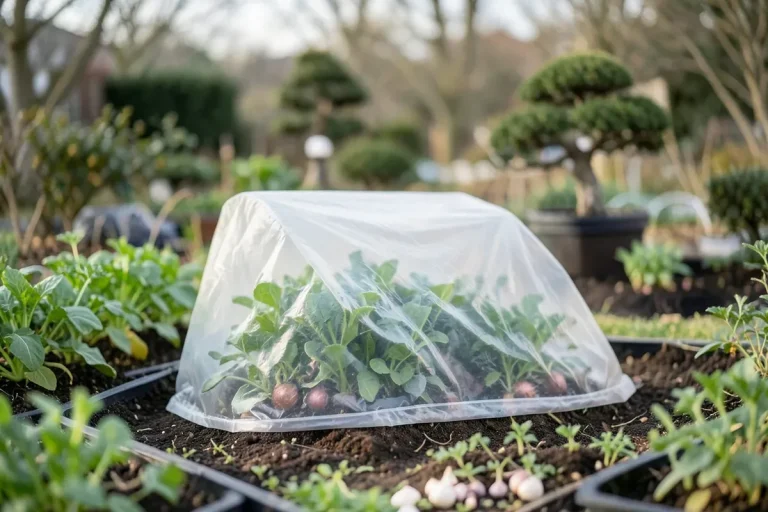
- Watch local weather forecasts and use row covers or cloches for protection.
- Install rain barrels or drip irrigation systems for efficient watering.
- Choose resilient, adaptable plant varieties.
Case Study: Drought-Resistant Community Garden
During the 2019 drought, the Friendship Gardens network implemented water-saving techniques such as drip irrigation and mulching, resulting in a 30% reduction in water use while maintaining healthy harvests. This collaborative approach exemplifies Charlotte’s innovative spirit and resilience.
Economic, Environmental, And Health Benefits Of Gardening In Charlotte
Beyond beautifying the landscape, gardening in Charlotte’s region delivers significant economic, environmental, and personal wellness benefits to individuals and the community.
Economic Value
- Increased property values: Well-landscaped homes in Charlotte can sell for up to 15% more than comparable properties without gardens (National Association of Realtors).
- Local food production: Community and home gardens supply fresh produce, reducing grocery bills and supporting food security.
- Green industry jobs: Charlotte’s horticulture sector employs thousands in nurseries, landscaping, and garden retail.
Environmental Impact
- Stormwater management: Rain gardens, permeable landscapes, and increased vegetation reduce runoff, improve water quality, and protect local waterways (EPA Green Infrastructure).
- Carbon sequestration: Trees and perennial plantings capture carbon, mitigating climate change impacts.
- Biodiversity preservation: Native plant gardens support threatened pollinators and wildlife.
Health And Well-being
- Physical activity: Gardening is a moderate-intensity exercise, reducing risk of chronic diseases.
- Mental health: Studies show that exposure to green spaces reduces stress and promotes well-being (NIH Study).
- Community cohesion: Shared gardening spaces foster social connections and intergenerational learning.
Real-world Example: Charlotte’s Urban Agrihoods
New developments, such as Crescent Communities’ River District, integrate community gardens and shared green spaces as core amenities. Residents enjoy fresh produce, nature trails, and outdoor gathering areas, illustrating how gardening enhances quality of life and environmental sustainability.
Benefits Comparison Table
| Benefit | Gardening in Charlotte | Gardening in Peer Cities |
|---|---|---|
| Property Value Increase | Up to 15% | 10–12% |
| Community Garden Participation | High (40+ active gardens) | Moderate |
| Stormwater Reduction | Significant via rain gardens | Variable |
| Pollinator Support Programs | Extensive | Limited |
Comparison With Other Us Gardening Regions
Charlotte’s gardening scene is often overshadowed by cities with longer-standing horticultural reputations. However, a closer look reveals that Charlotte offers competitive—and sometimes superior—conditions for gardeners.
Charlotte Vs. Pacific Northwest
While the Pacific Northwest boasts cool, moist summers ideal for ferns and rhododendrons, Charlotte’s longer growing season and warmer temperatures enable a wider range of vegetable crops and heat-loving ornamentals.
- Charlotte: 208+ day growing season, warm-season vegetables thrive.
- Seattle: 180-day growing season, cool-season crops dominate.
Charlotte Vs. Northeast Us
Northern cities like Boston and New York face shorter seasons and harsher winters. Charlotte’s milder winters allow for overwintering of perennials and earlier spring planting.
- Charlotte: USDA Zone 7b/8a, minimal snow.
- Boston: USDA Zone 6a, frequent frost/snow, shorter season.
Charlotte Vs. Deep South
Compared to the Deep South (e. g. , Atlanta, Houston), Charlotte offers less extreme heat and humidity, reducing plant stress and expanding the palette of plants that can succeed.
- Charlotte: Moderate humidity, few extreme heat waves.
- Houston: High humidity, frequent 95°F+ days.
Data-driven Summary Table
| Region | Growing Season (Days) | USDA Zone | Community Gardens | Pollinator Initiatives |
|---|---|---|---|---|
| Charlotte | 208 | 7b/8a | 40+ | Extensive |
| Seattle | 180 | 8b | 35 | Moderate |
| Boston | 160 | 6a | 28 | Limited |