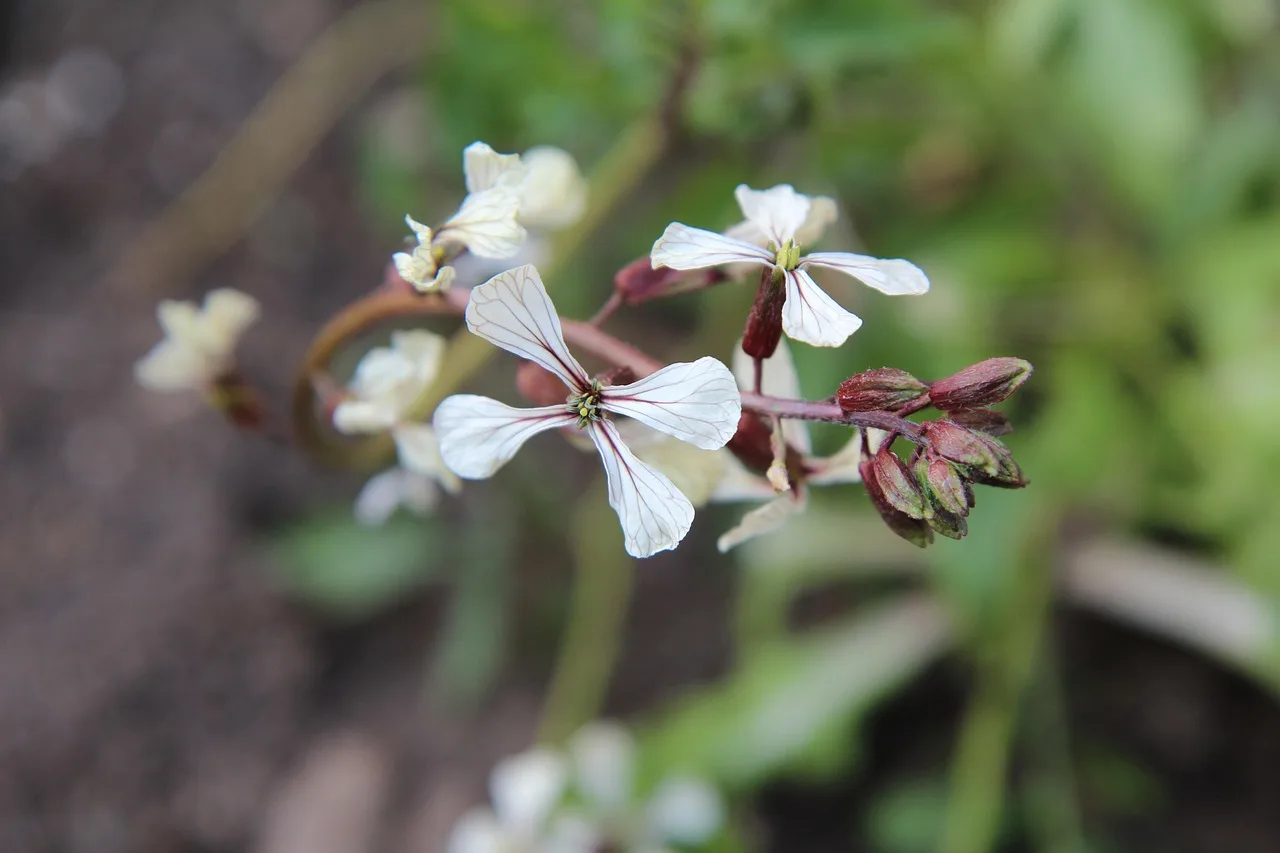
How Many Arugula Seeds Should You Scatter in a Patch?
Scatter about 30 to 60 arugula seeds per square foot for baby leaves, 20 to 30 per square foot for mixed baby greens, or about 10 to 12 per square foot for larger plants, then thin to the final spacing you want. Arugula seed is usually placed about 1/4 inch deep, germination can take roughly 3 to 10 days depending on temperature, and harvest is often ready in about 4 to 5 weeks; sowing is usually recommended 4 to 6 weeks before the last frost date for spring crops. This guide gives a patch-size seed count, plus spacing, thinning, and resowing timing for beds, rows, or broadcast patches.
What you’ll need

- USDA organic, non-GMO heirloom seeds
- Packed for the current growing season
- Slow-bolt variety suits young-leaf harvests
- Arugula seed packet or loose seed
- Measuring tape or ruler
- Small hand rake or fingers for shallow raking
- Watering can or gentle hose nozzle
- Row cover for flea beetle pressure
How many arugula seeds should you scatter per square foot?
For a broadcast patch, plan on 30 to 60 seeds per square foot when you want dense baby leaves. For a lighter stand aimed at larger plants, about 10 to 12 seeds per square foot is a common starting point. Mixed baby greens usually fit in the middle at about 20 to 30 seeds per square foot. The right count changes with harvest goal, because leaf size and thinning targets change too.
Step 1: Match the seed count to the harvest goal
Use more seed when you want quick cut-and-come-again harvests. Use less seed when you want space for each plant to expand. A thick sowing can work for a short baby-leaf run, but it needs prompt thinning or cutting before plants crowd one another.
Step 2: Use the broadcast range as your baseline
Broadcast sowing at 30 to 60 seeds per square foot gives a practical spread for most home patches. The low end suits mixed greens and a longer run to full leaves. The high end suits baby leaves that will be cut early. Keep the seed layer thin enough that individual seeds are still roughly separated.
Step 3: Adjust the count for the finish you want
For baby leaves, keep the count near the upper end. For mixed salad sowings, use the middle range so arugula can share space with faster-cut companions. For full plants, aim lower and thin hard later. Suppose a 2-by-3-foot patch is meant for salad trimming; that patch needs roughly 60 to 180 seeds for baby leaves, 40 to 90 seeds for mixed greens, or 20 to 72 seeds for larger plants.
Should arugula seeds be broadcast or planted in rows?
Either method works. Broadcasting is faster for a small patch of baby greens, while rows make thinning and watering easier. Row sowing is the cleaner choice when you want predictable spacing, especially if you plan to let plants size up instead of cutting them young.
Step 1: Choose broadcasting for quick baby-leaf patches
Broadcast seed when speed matters more than exact spacing. This works well in short beds, corners, and open patches between other greens. It also fits mixed salad sowings, where you want a loose stand rather than a precise row pattern.
Step 2: Use rows for better spacing control
Sow in rows about 10 inches apart, and place seed lightly along the row so you can thin to the final spacing after true leaves appear. Shallow sowing still matters here: keep seed about 1/4 inch deep so sprouts reach the surface quickly.
Step 3: Keep the seedbed evenly moist
Water lightly after sowing and keep the surface moist until emergence. Use a gentle nozzle or fine spray so the seed stays put. If the top layer dries out, germination becomes uneven and the stand may need reseeding.
How far apart should arugula seedlings be thinned?
Thin arugula once seedlings are large enough to handle. A common target is about 6 inches apart for general harvests, which leaves enough room for leafy growth without wasting bed space. Some guides allow up to 10 inches between plants when you want larger leaves and fewer cuts.
Step 1: Wait until true leaves appear
Do not thin at the cotyledon stage unless the patch is so dense that seedlings are competing for light. Once true leaves develop, the stronger seedlings can be left in place and weaker ones removed or clipped at soil level.
Step 2: Set the final spacing by harvest style
For cut-and-come-again harvests, about 6 inches between plants is a useful target. For larger rosettes, open it to 10 inches. Picture a 1-foot-wide strip of row sowing: leaving one plant every 6 inches gives two plants in that strip, which is usually enough for steady picking.
Step 3: Thin in two passes if the stand is dense
If the seedlings are crowded, remove half first, then finish the spacing a few days later. That reduces disturbance and makes it easier to see which plants are strongest. Clip extras instead of pulling them if roots are tangled.
How do you time sowing and resowing?
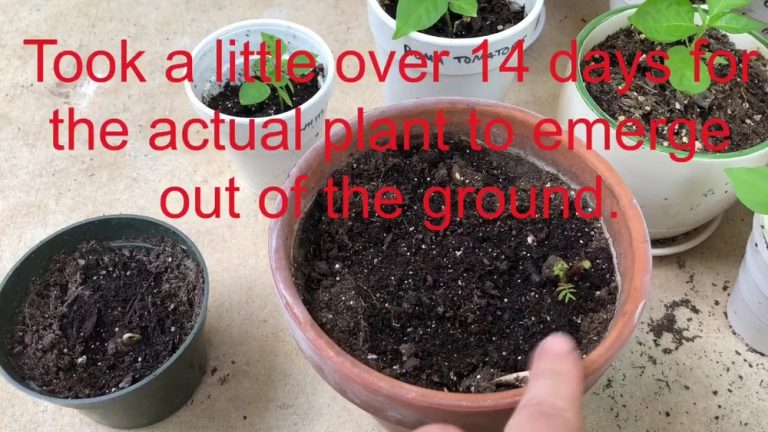
Arugula does best in spring and fall, not peak heat. Seeds can sprout in about 3 to 10 days, with many garden guides placing the usual window near 5 to 7 days in cool, moist soil. For a longer harvest window, sow again every 2 to 3 weeks instead of trying to stretch one patch too far.
Step 1: Sow before the weather turns hot
One guide places sowing 4 to 6 weeks before the last frost date, which fits the crop’s cool-season habit. Spring sowing gives fast leaves before summer heat builds. Fall sowing works well because cooler air slows bolting and supports steadier growth.
Step 2: Expect fast emergence, then act quickly
Seeds often emerge in 3 to 10 days, depending on temperature and moisture. Once the stand is up, keep soil moist and thin on time so the patch does not become crowded before harvest.
Step 3: Repeat sowing in short intervals
For continuous harvests, a common rule of thumb is to plant a new patch about every 2 to 3 weeks. That staggered schedule keeps one planting from maturing all at once. It also reduces the chance that one hot spell will wipe out your entire supply of leaves.
Temperature tolerance and bolting prevention
Arugula is a cool-season crop that grows best in mild temperatures, usually around 50 to 65°F. It tolerates light frost and even a short light freeze once established, but prolonged heat quickly changes its behavior: plants stretch, leaves turn more pungent, and bolting can begin. Heat is the main trigger, especially when warm days combine with long daylight.
Step 1: Harvest faster when temperatures rise
As soon as warm weather arrives, switch to quicker harvests instead of waiting for larger leaves. Baby leaves are usually the safest bet when heat is building, because the crop can bolt before it reaches full size.
Step 2: Use shade and moisture to slow stress
Light shade cloth, afternoon shade, and steady moisture can help keep growth more even in late spring or early summer. Cooler soil and less midday stress can buy a little more time before bolting starts, but they do not replace the need for early harvest.
Step 3: Shorten succession intervals in warm spells
When heat rises, reduce the gap between sowings so no single planting carries the whole season. Smaller, more frequent sowings are easier to harvest before bolting than one large planting that matures all at once.
Common mistakes
Most arugula problems start with crowding, heat, or shallow attention after sowing. A dense patch can still work, but only if you thin on time and harvest early. In warm weather, the crop can rush to flower before leaves size up.
- Sow seeds about 1/4 inch deep, or just deep enough to cover them with loose soil; deeper planting slows emergence and weakens stand count.
- Do not pack too many seeds into one square foot if you want full plants.
- Do not skip the thinning step after broadcast sowing; crowding shortens the harvest window.
- Do not wait for midsummer planting if spring or fall is available.
- Cover young plants if flea beetles chew pinholes through the leaves.
A common first-timer mistake is scattering seed thickly over a 4-foot-wide bed and leaving it alone. The patch looks full for a few days, then the stems stretch, leaves crowd, and the best plants never get room. Thin early and harvest sooner.
Arugula sowing calculator
Use this table to convert patch size into a seed count. The formula is simple: multiply the square feet of your patch by the seed rate that matches your goal. For rows, you can still use the square-foot figure to estimate total seed before you measure out the row.
| Patch size | Baby leaves | Mixed baby greens | Mature plants | Thinning target |
|---|---|---|---|---|
| 1 square foot | 30 to 60 seeds | 20 to 30 seeds | 10 to 12 seeds | 6 inches apart, or up to 10 inches for larger leaves |
| 2 square feet | 60 to 120 seeds | 40 to 60 seeds | 20 to 24 seeds | Thin after true leaves develop |
| 4 square feet | 120 to 240 seeds | 80 to 120 seeds | 40 to 48 seeds | Leave strongest plants at final spacing |
| 6 square feet | 180 to 360 seeds | 120 to 180 seeds | 60 to 72 seeds | Keep room for airflow and leaf size |
Raised-bed examples
In a 4-foot-wide raised bed, a 4-foot by 4-foot section equals 16 square feet. That means about 480 to 960 seeds for baby leaves, 320 to 480 seeds for mixed greens, or 160 to 192 seeds for larger plants. A 18-inch by 1-foot section is 1.5 square feet, so use about 45 to 90 seeds for baby leaves or 15 to 18 seeds for mature plants.
Simple formula for any patch
Multiply width by length to get square feet. Then multiply by your seed rate: 30 to 60 for baby leaves, 20 to 30 for mixed greens, or 10 to 12 for larger plants. A 3-by-2-foot patch is 6 square feet, so it takes 180 to 360 seeds for a baby-leaf run.
Harvest timing
Arugula is often ready in about 4 to 5 weeks, with baby leaves commonly harvested at about 3 to 4 inches tall. Cut-and-come-again harvests work best when you clip only outer leaves or shear the patch lightly. Whole-plant harvest works better when you want a single picking and then a fresh sowing.
Suppose a gardener has a 2-by-4-foot bed and wants mixed salad greens. A moderate sowing of 20 to 30 seeds per square foot means 160 to 240 arugula seeds for that bed, mixed with other greens if desired. Thin the arugula to 6 inches between plants where it needs room.
Frequently asked questions
How deep should arugula seeds be planted?
Plant arugula about 1/4 inch deep. That shallow depth supports quick germination and helps the tiny seedling reach light without delay. Cover lightly, firm the surface, and water gently so the seed stays in place.
How long does arugula take to germinate?
Expect germination in about 3 to 10 days, with cooler conditions often closer to 5 to 7 days. Keep the seedbed moist through that window so the stand comes up evenly.
Can arugula be sown with other salad greens?
Yes. Arugula works well with salad greens that germinate and mature at a similar pace, such as lettuce, mustard greens, and other quick baby greens. For mixed sowings, reduce the arugula density to the middle range so the patch does not become overcrowded; roughly 20 to 30 seeds per square foot is a practical mixed-greens rate. Separate rows are better when companions need different spacing or harvest timing, or when you want arugula to size up on its own instead of blending into a loose cut-and-come-again mix.
What should you do if arugula bolts too quickly?
Move the next sowing to spring or fall, keep the seedbed moist, and harvest earlier. Heat pushes bolting fast, so cut baby leaves at 3 to 4 inches tall rather than waiting for larger plants. If summer heat is unavoidable, sow more often, use temporary shade, and shorten the harvest cycle.