What Is Plant Morphology? A Beginner’s Guide
Plant morphology is the study of a plant’s external form: roots, stems, leaves, buds, flowers, fruits, and seeds. If you use the wrong terms, plant ID becomes vague and comparisons fall apart. This guide explains what morphology means, how it differs from anatomy, and how to describe a plant from the outside with the right vocabulary.
What is plant morphology?
Plant morphology studies plant form and visible structure. It examines the outside parts you can see without a microscope, then uses those features to describe, identify, and compare plants. In practice, shape, arrangement, and overall growth form matter as much as the plant’s name.
The term matters in biology because it gives you a shared language for observation. A plant with a fibrous root system, herbaceous stems, and narrow leaves can be described clearly even before anyone knows the species. That helps scientists and beginners identify plants, compare specimens, and record field notes.
What morphology studies in plants
Morphology focuses on external, observable plant parts. It includes roots, stems, leaves, flowers, fruits, and seeds. It also includes broad form traits such as habit and architecture, which are used to describe how the plant stands, spreads, and branches.
That outside-first view is the key point. You are describing what is visible on the plant surface, not what is hidden inside the tissue.
Which plant parts does morphology cover?
Plant morphology covers the main external organs and the plant’s overall growth form. The practical list includes roots, stems, leaves, flowers, fruits, seeds, habit, and architecture. Those terms let you describe both individual parts and the whole plant in a way that other people can picture.
Roots, stems, and leaves
Roots anchor the plant and absorb water and nutrients. Stems support leaves, flowers, and fruits, and leaves capture light and exchange gases. These three parts form the vegetative side of morphology, meaning the non-reproductive structures.
Flowers, fruits, and seeds
Flowers are reproductive structures that lead to seeds. Fruits develop from flowers and hold the seeds. Seeds contain the next plant and help with reproduction and dispersal. These are the reproductive parts of morphology.
Habit and architecture
Habit describes the overall growth form, such as tree, herb, or vine. Architecture describes spatial organization and branching pattern. Together, they tell you how the plant occupies space, not just what single parts look like.
That detail is easy to miss, but it matters. Two plants can have similar leaves and still look very different because one is upright and woody while the other climbs or spreads low to the ground.
Morphology vs anatomy vs physiology
Plant morphology looks at the outside of the plant. Plant anatomy looks at internal parts, often with a microscope. Physiology looks at how the plant functions, such as how it moves water, makes energy, or responds to light. Those are related, but they are not the same thing. (Wikipedia)
What you can see with the naked eye
Morphology is a field observation skill. You use it when you look at leaf shape, stem type, flower form, fruit type, or the way a plant branches. If the feature is visible without cutting into the plant, it usually belongs here.
What anatomy looks at inside the plant
Anatomy studies tiny internal parts, often using a microscope. It may examine tissues, cells, or internal transport structures. That means anatomy answers a different question: what is inside, rather than what the plant looks like from the outside.
How physiology differs from both
Physiology asks what the plant is doing. A leaf’s shape is morphology. The internal tissue that moves water is anatomy. The process of moving that water is physiology. Keeping those three categories separate helps you describe plants without mixing form, structure, and function.
Why plant morphology matters
Plant morphology matters because it helps scientists and beginners recognize different plants just by looking at them. It also supports classification, since plants with similar visible traits can be grouped and compared. In the field, it gives you a practical way to record what you see before you know the name.
Plant identification
Clear morphology notes make plant ID more reliable. Leaf arrangement, stem texture, flower shape, fruit type, and growth habit often narrow the possibilities faster than a general description like “small green plant.” The more exact the vocabulary, the easier comparison becomes.
Classification and naming
Morphology helps classify plants by visible features. That includes broad patterns such as whether a plant is woody or herbaceous, whether it has a taproot or fibrous roots, and whether its reproductive structures are dry or fleshy. Those observations support grouping and naming.
Reading adaptation and growth form
Plant form often hints at how the plant lives in its environment. Narrow leaves, thick stems, climbing habit, or woody branches can all suggest different ways of capturing light, supporting weight, or spreading seeds. Morphology does not replace ecology, but it gives you useful clues.
Say your plant has a single thick root that goes deep and a sturdy woody stem. That description already points to a very different growth pattern than a plant with many thin roots, soft stems, and a low, sprawling habit.
Roots, stems, and leaves
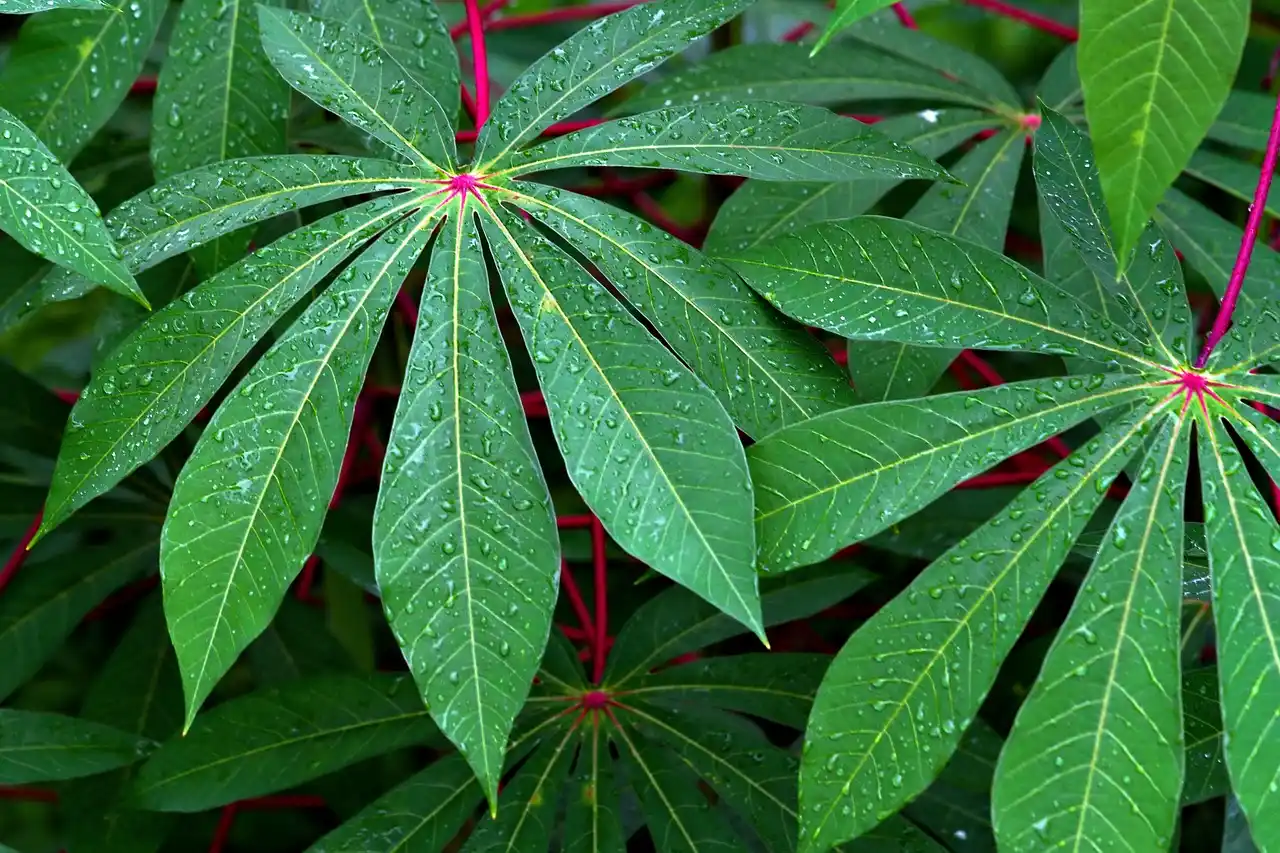
Roots, stems, and leaves are the basic structures most beginners should learn first. Roots usually sit underground and hold the plant in place while soaking up water and nutrients. Stems grow above the ground and support leaves, flowers, and fruits. Leaves are the main surface for light capture and gas exchange.
Roots: anchorage and absorption
Roots do two main jobs: anchorage and absorption. A taproot system has one main root with smaller side roots. A fibrous root system has many similarly sized roots. Both are useful terms because they describe what you can actually see when roots are exposed.
A common first-timer mistake is calling every underground part a “root.” Some plants have storage organs or swollen stems underground, so the safest description is based on visible shape and connection to the rest of the plant.
Stems: support and transport
Stems hold up the plant and move water and sugars through it. They may be herbaceous, meaning soft and green, or woody, meaning stiff and hard. A stem’s thickness, color, surface texture, and branching pattern all belong in morphology notes.
In field notes, “woody stem” and “herbaceous stem” are useful starter terms. They are simple, but they often separate one plant group from another quickly.
Leaves: shape, light capture, and gas exchange
Leaves vary widely in shape, size, edge, and arrangement. Morphology pays attention to those differences because they help with identification. Leaves also capture light and exchange gases, so their form often tracks how the plant grows and where it lives.
Examples are easy to spot. A broad oval leaf and a narrow needle-like leaf look very different, and that difference can matter more than the plant’s color.
Flowers, fruits, and seeds
Flowers, fruits, and seeds are the reproductive side of plant morphology. Flowers help plants make seeds for new plants. Fruits grow from flowers and hold the seeds. Seeds carry the next plant stage and help with reproduction and dispersal.
Flowers as reproductive structures
Flower morphology looks at parts tied to pollination and seed formation. A simple field description may note petal number, symmetry, color, or whether the flower is grouped alone or in clusters. Those are visible features that often help narrow identification fast.
Fruits that develop from flowers
Fruits are the structures that develop from flowers and protect the seeds. Some are dry, like pods or capsules. Others are fleshy, like berries or drupes. The dry-versus-fleshy split is a practical beginner term because it is easy to observe.
Seeds and dispersal
Seeds contain the next plant. Their size, shape, surface, and number can help identify a plant, especially after flowering ends. Seed form also matters for dispersal, since seeds may be carried by wind, water, animals, or gravity.
Plant morphology observation checklist
Use this checklist to turn a plant into clear field notes. It separates the part, what to look for, the beginner term to use, and a short example description. That keeps your observations specific instead of vague.
| Plant part | What to look for | Beginner term | Example description |
|---|---|---|---|
| Roots | Where they grow, whether there is one main root or many similar roots, and how they anchor the plant | Taproot or fibrous root system | “One thick main root with smaller side roots.” |
| Stems | Support, thickness, color, and whether the stem is soft or hard | Herbaceous or woody stem | “Green, soft stem that bends easily.” |
| Leaves | Shape, size, edge, and how leaves attach and spread out | Leaf shape and arrangement | “Long, narrow leaves in opposite pairs.” |
| Flowers | Petal number, color, symmetry, and grouping | Flower form | “Small white flowers in a tight cluster.” |
| Fruits | Whether the fruit is dry or fleshy, and how it holds the seeds | Dry fruit or fleshy fruit | “Fleshy fruit with several seeds inside.” |
| Seeds | Number, shape, size, and whether they are easily carried away | Seed form | “Small, flat seeds that scatter easily.” |
| Habit | Overall growth form and how tall or spreading the plant is | Tree, herb, or vine | “Tall woody tree with a single main trunk.” |
| Architecture | Branching pattern and spatial organization | Branching pattern | “Many side branches forming a rounded shape.” |
| Morphology vs anatomy vs physiology | What is visible outside, what is internal, and what the plant is doing | Form, internal structure, function | “Leaf shape is morphology; internal veins are anatomy; water movement is physiology.” |
-
Start with the whole plant.
Look at overall size, height, and growth form before focusing on details. Note whether the plant is tree-like, herb-like, or vine-like, because habit gives you a fast first description. -
Check the roots.
If roots are visible, note whether there is one main root or many fine roots. Use taproot or fibrous root system instead of vague wording, since those terms are easy to compare across specimens. -
Describe the stems.
Record whether stems are soft or woody, upright or trailing, and simple or branched. These details matter because stems support the plant and often separate one form from another. -
Observe the leaves.
Note shape, arrangement, and edge. A leaf can be broad, narrow, lobed, or needle-like, and each feature helps with identification while also describing how the plant captures light. -
Record reproductive parts.
If flowers, fruits, or seeds are present, describe them with simple terms first. Count petals only if that helps, and note whether fruits are dry or fleshy, since that often matters in classification. -
Separate form from function.
Write what you see before you explain why it matters. That keeps morphology distinct from anatomy and physiology, which helps your notes stay clear and useful.
Suppose a beginner sees a plant with a woody stem, narrow leaves, and a dry fruit full of seeds. That is enough to make a useful description without naming the species. The point is not to memorize every term at once. It is to learn how to see the plant clearly.
Frequently asked questions
What does plant morphology mean in biology?
In biology, plant morphology means describing the outside structure of plants in a consistent way. It gives scientists and beginners a shared vocabulary for leaf shape, stem type, root form, flower structure, fruit type, and overall growth habit. Those observations support classification and identification.
What is the difference between plant morphology and anatomy?
Plant morphology looks at external features you can see without a microscope. Plant anatomy looks at internal parts and tissues, often under magnification. A leaf’s shape is morphology, while its internal structure belongs to anatomy. The two fields answer different questions.
What parts of a plant are studied in morphology?
Plant morphology studies roots, stems, leaves, flowers, fruits, and seeds. It also includes habit and architecture, which describe overall growth form and branching pattern. Vegetative morphology covers roots, stems, and leaves, while reproductive morphology covers flowers and fruits.
Why is plant morphology important?
Plant morphology is important because it helps people recognize plants, compare them, and place them into groups. It also gives clues about growth form and adaptation. A clear description of external features can be enough to narrow an unknown plant before any lab work.
What are the morphological characteristics of plants?
Morphological characteristics are the visible features used to describe plants. Common ones include root type, stem texture, leaf shape, flower form, fruit type, seed form, habit, and architecture. Together, these traits tell you how a plant looks from the outside and how it is organized.