How Botanical Gardens Support Local Wildlife Habitat
Botanical gardens support local wildlife with native plants, water, cover, and connected planting zones that let birds, pollinators, and small mammals feed, shelter, breed, and move through the site. Habitat value comes from function, not display alone: the garden needs food, refuge, nesting structure, and less disturbance across the year.
How botanical gardens function as habitat
Food, water, shelter, and breeding space
Attractive planting alone does not create habitat. A garden works as wildlife habitat only when it provides the basics animals need across the year: food, water, shelter, and places to raise young. That means nectar for insects, seeds and berries for birds, cover for hiding, and quiet structure where nests or dens can stay undisturbed.
Descanso Gardens describes itself as a habitat for many living things and as an urban oasis of cultivated and nearly wild plantings, which is the right way to think about a botanical garden that does more than display plants. The display still matters, but the habitat value comes from what the planting lets wildlife do.
Why design choices matter more than looks
Design choices control whether wildlife can use the space or only pass through it. Layered planting, corners with dense cover, shallow water, and patches of leaf litter all add function. Wide bare mulched beds, clipped hedges, and frequent disturbance do the opposite, even if the garden looks polished.
A botanical garden can also work as a stepping-stone in a city. When a site links parks, street trees, schoolyards, and remnant wild patches, it helps wildlife move through fragmented urban space instead of trapping them in isolated pockets.
What wildlife can use a botanical garden?
Many animals can use a botanical garden when the site offers more than ornamental beds. Pollinators, birds, reptiles, amphibians, and small mammals all need different combinations of food, cover, moisture, and quiet space. The more varied the structure, the more groups can use it without competing for the same niche.
Pollinators and other insects
Bees, butterflies, moths, flies, and beetles are often the first animals to benefit from a well-planted garden. Native flowers feed them, and host plants let caterpillars complete their life cycle. Those insects then become food for birds, bats, spiders, and other insect-eaters. Native plant use is especially important because many insect species are tied to specific host plants rather than general floral displays.
Birds, reptiles, amphibians, and small mammals
Birds use shrubs, tree canopies, seed heads, and shallow water. Reptiles and amphibians need cover, moisture, and places to warm up or cool down. Small mammals use dense planting, downed wood, and undisturbed edges for movement and refuge. A site without those layers may still feed pollinators, but it will be thin habitat for larger wildlife.
Which species need the most structure?
Ground-nesting birds, juvenile wildlife, and animals that hide from predators need the most structure. They often rely on dense lower layers, quiet zones, and places where people do not constantly pass. If the planting is too open, those animals are more likely to avoid the site.
Native plants and the food web
Native plants are the foundation of local wildlife food webs because local insects evolved with them. Native Nurseries says native plants are essential for healthy ecosystems, and that is especially true in botanical gardens that want to function as habitat rather than only as display collections. In practice, the strongest habitat gardens favor local plant communities because those plants support the insects that birds, amphibians, and other animals depend on.
Why local plants support local insects
Local insects often recognize local plants as food and breeding sites. Many caterpillars can only eat certain host plants, so a bed of showy nonnatives may look busy while feeding very few native insects. When native plants are present, the insect layer becomes more diverse, and that diversity feeds higher levels of the food web.
How insects feed birds and other animals
Birds need insects for protein, especially during nesting season. That means a garden that feeds pollinators also feeds birds indirectly. The same is true for some amphibians, reptiles, and small mammals that eat insects or the animals that depend on them.
Bloom, seed, and berry timing
Timing matters as much as plant choice. Spring bloom helps early pollinators. Summer flowers carry nectar through hot months. Seed heads and berries extend food into fall and winter. A mixed planting schedule gives wildlife something to use beyond the peak flowering window.
Shelter, nesting, and overwintering
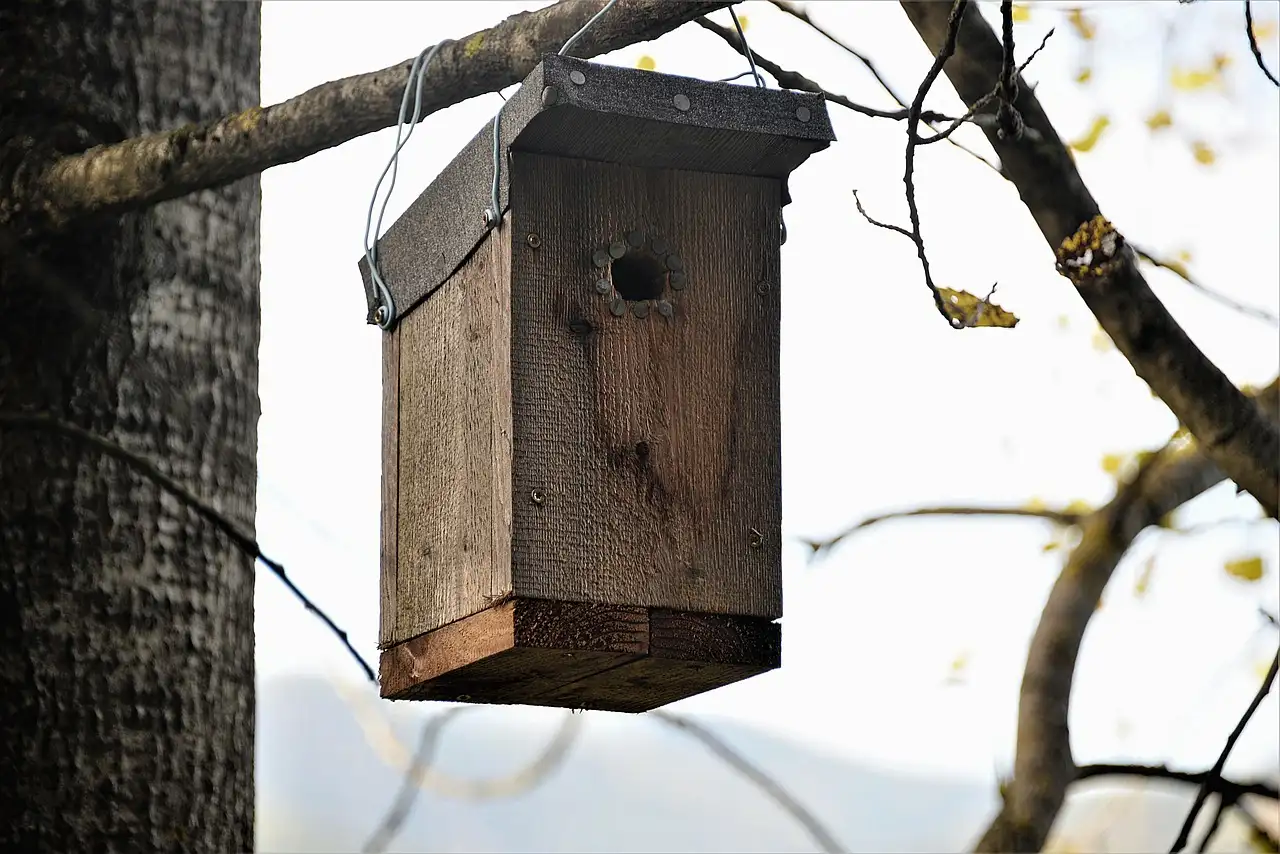
Shelter lets wildlife hide from predators, weather, and disturbance. Nesting and overwintering depend on the same physical features, especially dense cover, dead wood, standing stems, and quiet ground layers. The same source recommends areas of leaf litter for wildlife and dead trees standing when possible. These features matter because they create resting sites, nesting opportunities, and winter refuge for insects and birds.
Dense shrubs and layered planting
Dense shrubs protect birds and small mammals from predators and wind. Layered planting adds a low, middle, and upper tier, so animals can move through cover instead of crossing open ground. A single flat layer looks tidy but offers much less refuge.
Say your garden has an about 6-foot-wide shrub border along a path. If the shrubs are spaced too far apart, birds use it briefly and move on. If the same border includes a few dense shrubs, a lower ground layer, and a taller canopy edge, it becomes a far safer corridor for movement and resting.
Dead wood, snags, and cavity sites
Dead wood can be habitat, not waste. Snags and standing dead trunks create cavity sites for nesting, roosting, and insect life. They also feed fungi and decomposers, which recycle nutrients into the soil. Where safety allows, leaving standing dead trees in place is one of the clearest ways to add habitat value, especially for cavity-nesting birds and wood-boring insects.
Leaf litter and standing stems
Leaf litter shelters insects, overwintering eggs, pupae, and ground-level life. Standing stems give insects places to spend winter and emerge in spring. Cutting everything down at the same time removes those refuges. A better approach is to leave some areas intact and manage others on a different schedule. This helps stem-nesting bees, overwintering larvae, and other beneficial insects persist from one season to the next.
Water and soil habitat
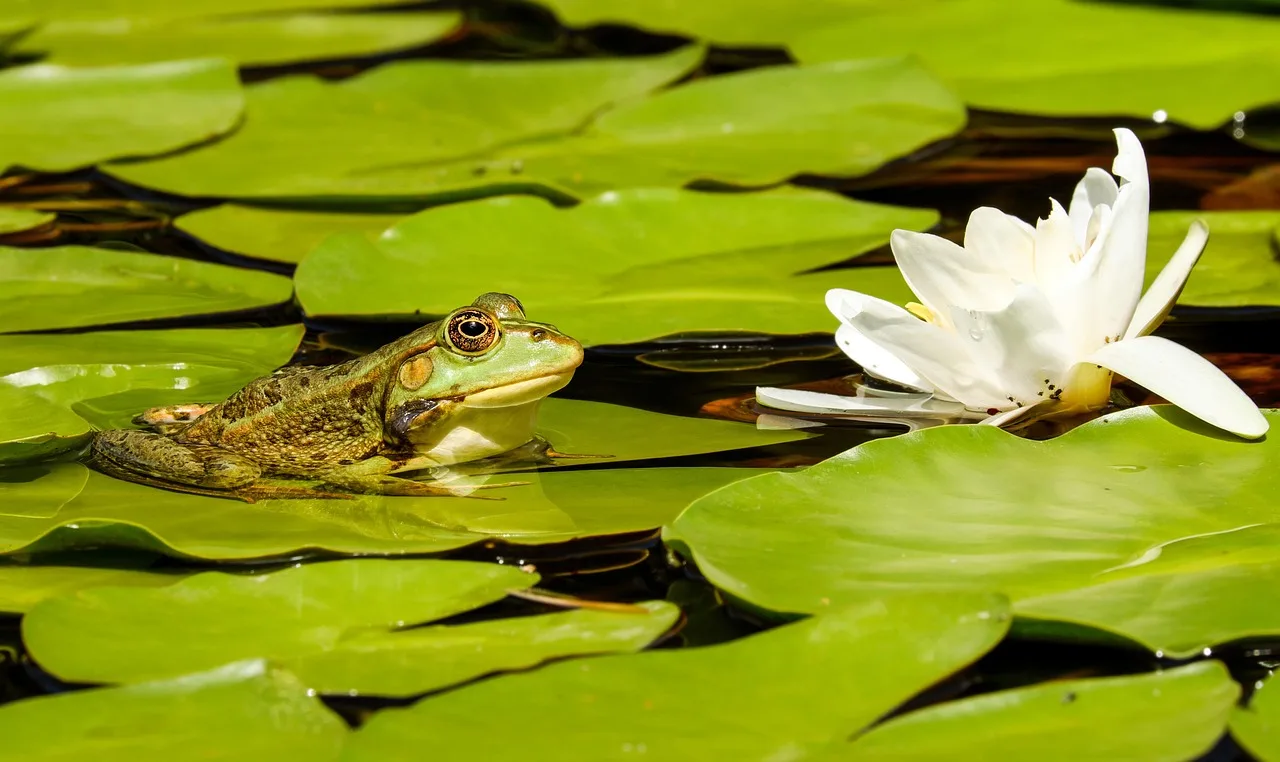
Water and soil are part of the habitat system, not separate extras. Wildlife needs safe access to moisture, and plants depend on living soil. A garden with clean beds but dry edges and lifeless soil will support far less wildlife than one with shallow water, mulch, ground cover, and active soil biology.
Shallow drinking edges and bird baths
Bird baths and shallow water dishes help when the water is easy to reach and easy to leave. Bees prefer shallow water sources, so a rough stone, pebbles, or sloped edge can matter more than bowl size. Deep sides or steep liners can turn a water feature into a hazard.
A common first-timer mistake is setting out a deep, smooth dish near a busy path. Birds may avoid it, and bees can struggle to land safely. A shallow basin with a gradual edge, placed away from constant foot traffic, is more useful and less stressful for wildlife.
Moist pockets, mulch, and ground cover
Moist pockets under shrubs, under trees, and beside stone edges support invertebrates and amphibians. Mulch helps hold moisture, but it should not always replace all ground-level habitat. Some areas should keep low cover, leaf litter, or bare soil where native plants and insects can complete their life cycles.
Mycorrhizal fungi and soil health
The Wildlife Habitat post mentions a vast network of mycorrhizal fungi, and that matters because soil life helps plants take up water and nutrients. Healthy fungi, microbes, and roots improve plant vigor, which in turn improves the insects and birds that depend on those plants. Soil health is habitat health.
Habitat feature matrix
| Garden element | Wildlife it supports | Maintenance tradeoff | Visitor-facing sign message |
|---|---|---|---|
| Native flower beds | Bees, butterflies, native moths, seed-eating birds | Needs seasonal pruning and replacement of some ornamentals | Native flowers feed local insects and the birds that depend on them. |
| Dense shrub layer | Songbirds, small mammals, hiding insects | Requires spacing away from paths and less frequent shearing | Low, dense shrubs give wildlife cover from predators and weather. |
| Tree canopy | Birds, bats, canopy insects, roosting wildlife | Needs pruning for clearance and safety checks for limbs | Trees create shade, nesting space, and movement routes above ground. |
| Snags and dead wood | Cavity nesters, beetles, fungi, woodpeckers | Must be placed where falling risk is low | Dead wood becomes nesting space and food for decomposers. |
| Leaf litter zones | Overwintering insects, ground beetles, salamanders | Needs clear edges so paths stay safe and tidy | Some leaves should stay in place to shelter winter wildlife. |
| Shallow water feature | Birds, bees, butterflies, amphibians | Needs cleaning, mosquito control, and safe depth | Shallow water gives wildlife a safe place to drink. |
| Stone pile or log pile | Lizards, toads, beetles, spiders | Needs stable placement and inspection for pests | Cool, sheltered gaps help small animals hide and warm up. |
| Mixed-height meadow | Pollinators, nesting birds, grassland insects | Requires timed mowing instead of frequent full cutting | Varied height gives food and cover through the season. |
| Unsealed ground patches | Ground-nesting bees, soil insects, seedling plants | Needs weed control without sealing every bare patch | Open soil helps some native bees nest in the ground. |
| Connector planting strips | Moving birds, insects, small mammals | Must balance visibility, access, and wildlife cover | Connected planting can help wildlife move between habitat patches. |
How do gardens balance wildlife and visitors?
Botanical gardens balance wildlife and visitors by setting boundaries. Paths, signs, distance rules, and careful plant placement let people observe without crowding animals or damaging habitat. The goal is not to hide wildlife. It is to keep it wild enough to stay healthy and safe.
Path boundaries and viewing distance
Clear path edges protect both people and wildlife. When visitors stay on trails, nests, burrows, and feeding areas are less likely to be trampled or disturbed. Descanso Gardens advises keeping distance from animals in the site, and that rule matters because repeated close contact can change animal behavior.
Why pesticide-free care needs clear signage
Descanso Gardens uses no pesticides or herbicides in the gardens, and that choice protects insects, birds, and soil life from direct harm. It also needs clear communication, because visitors may otherwise expect a weed-free or insect-free display. Signage can explain that some leaf litter, seed heads, and native insects are part of the habitat function. Pesticide and herbicide reduction also protects host plants and the insects that rely on them.
Certainty matters here. If a garden aims to be wildlife habitat, signs should say so plainly. Otherwise, visitors may mistake intentional habitat structure for neglect and ask staff to remove the very features wildlife needs.
Keeping wildlife wild, not habituated
Desirable habitat can go wrong if animals become used to people. Descanso Gardens asks visitors not to feed wildlife, and that rule helps prevent begging, aggression, and unhealthy dependence on human food. It also warns against releasing unwanted pets there, which protects native wildlife from disease, predation, and competition.
How botanical gardens provide habitat for wildlife?
They provide habitat when design and maintenance give wildlife food, water, shelter, and breeding space across connected zones. A botanical garden only becomes true habitat when it is managed for living use, not just for appearance. That means plant layers, safe water, soil life, nesting sites, corridors, and reduced disturbance all need to work together.