What to Expect at a Botanical Garden Orchid Collection
Expect a compact display with controlled humidity, where potted orchids, mounted specimens, and hanging plants may share the same room. Peak bloom usually lasts about weeks rather than months. Go in expecting every plant in flower, and you may leave disappointed. This guide explains what you will actually see, how the room feels, how seasons change the display, and which common assumptions miss the mark.
What an orchid collection
An orchid collection is usually a dedicated display inside a conservatory or greenhouse, where warm temperatures, high humidity, and controlled light let orchids grow in conditions closer to their native habitats. At some botanical gardens, orchids can be viewed year-round in changing displays in conservatory rain forest galleries.
The first thing you notice is often the room itself. Glass walls, warm air, wet paths, and dense plantings shape the visit before the flowers do. Expect narrow circulation in some sections, a slower pace than a standard greenhouse walk, and occasional closed off areas where horticultural work is happening.
What the labels usually tell you
Good labels do more than name a flower. They often separate species from hybrids, identify display groups, and point out whether a plant is part of a larger warm-growing collection. That matters because orchids can look similar at a glance, especially when the flowers are small, clustered, or still opening.
Interpretive signs may also explain why a plant is mounted on bark, tied to moss, or suspended as a hanging specimen. Those details help you read the display without guessing which plants are meant to look naturalistic and which are being staged for peak bloom.
Orchid collection visit expectations matrix
| Setting | Likely bloom condition | Crowd level | Photo conditions | Accessibility friction | Best time to visit |
|---|---|---|---|---|---|
| Year-round collection | Mixed; some plants in bloom, others in bud or resting | Moderate on weekends, lighter on weekday mornings | Usually workable, but glass glare and narrow paths can limit angles | Some paths may be tight; stroller and wheelchair routing can vary by house | Early in the day, before peak traffic |
| Seasonal orchid show | Heaviest bloom concentration, often with staged peak plants | High, especially on opening periods and timed-event hours | Often strong for wide shots, but crowded sightlines can block close work | More queueing, more stop-and-go movement, and more blocked viewing spots | First time slot of the day or a quieter weekday |
| After-peak bloom periods | Fewer flowers; more fading blooms, buds, and green structure | Lower, with more room to pause at each plant | Better for detail shots, weaker for “full bloom” photos | Usually easier to move through, though some display areas may be reset | Late in the run, if you want calmer circulation more than peak color |
Is an orchid collection the same as an orchid show?
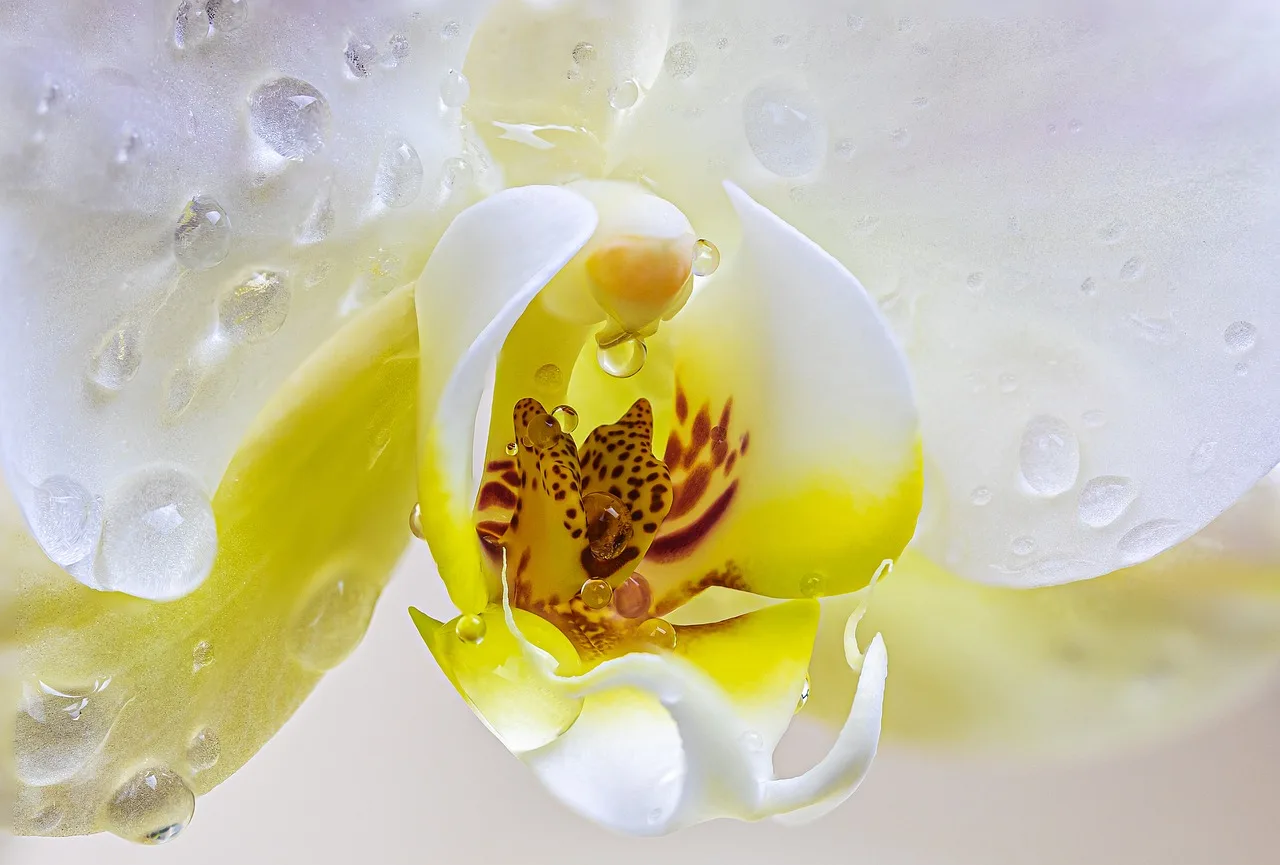
No. A permanent orchid collection is a standing display that changes over time, while an orchid show is a limited-time exhibition built around a seasonal window, special ticketing, or separate hours. The collection is about continuity; the show is about a concentrated burst of bloom, design, and visitors.
That difference changes what you should expect on arrival. In a year-round collection, bloom quality shifts as plants cycle in and out. In a show, the design often emphasizes quantity, themed installation, and photo-friendly groupings, which can mean more dramatic sightlines and more people in tighter movement.
Special ticketing and crowd patterns
Orchid shows often draw their largest crowd at the same time the flowers look best. That makes timing more important. If the event includes separate hours, a timed entry window, or an after-dark session, the pace of the visit changes as much as the bloom display does.
For example, Buffalo’s orchid exhibit included over 2,000 orchids, ran from January 23 to March 9, and featured three orchid arches as a photo-oriented element. Buffalo also offered Orchids After Dark, which let visitors see the exhibit after sunset. Those details show how a show can be built as an event, not just a plant room.
Say your goal is quiet viewing rather than a packed photo stop. A seasonal show on a busy weekend may feel compressed, with people waiting to frame a shot under a popular arch, while a permanent collection on a weekday can feel slower and easier to read plant by plant.
What you are likely to see inside
Expect tropical orchids, epiphytic orchids, and a mix of species and hybrids that change as plants come into bloom. Many collections also include warm-growing groups such as the Vanda Alliance, Bulbophyllum, and Phragmipedium. Brooklyn Botanic Garden says its orchid collection has several thousand orchids, and many are rotated into display as they come into bloom.
That rotation is part of the experience. One visit may lean toward large, vivid flowers; another may have more buds, mounted specimens, or smaller species with unusual form. Collections also tend to include interpretation that separates the showier hybrids from the less obvious botanical highlights.
Tropical and epiphytic orchids
Epiphytic orchids grow on other plants or structures rather than in soil. In display, they are often mounted on bark, set in moss, or trained as kokedama-style plantings. Those forms are common in tropical collections because they let visitors see roots, growth habit, and flowering spikes more clearly than a standard pot can.
You may also see plants hanging overhead or tucked into layered displays that mimic a forest canopy. That arrangement can be visually striking, but it can also make some flowers harder to photograph at eye level.
Collection highlights you may notice
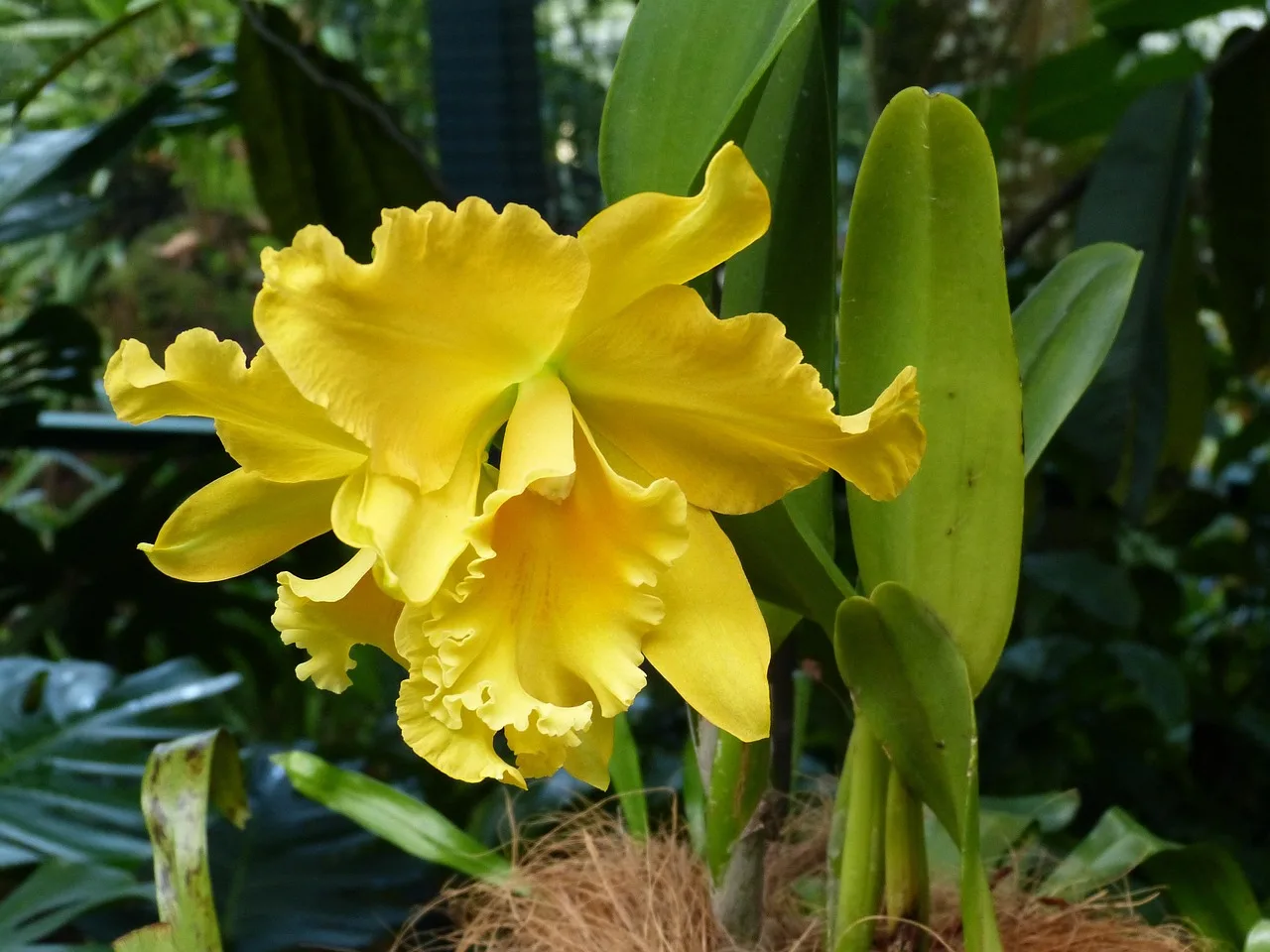
Vanda Alliance orchids are often used for bold, warm-growing color. Bulbophyllum may appear in warmer sections as part of a broader collection mix, where unusual flower shapes matter more than mass bloom. Phragmipedium, a tropical lady slipper orchid type, is another common highlight because its pouch-shaped flower draws attention quickly.
Brooklyn Botanic Garden also notes a 300-pound tiger orchid as a notable specimen. That kind of plant does not mean every display is packed with giants. It means a collection can mix dramatic showpieces with smaller, more specialized orchids that reward closer reading.
Why the display may look different on repeat visits
Rotations are the main reason a collection can feel new from one visit to the next. Plants are moved into display as they open, then swapped out as blooms fade. That changes bloom quality, variety, and how “full” the room feels, even when the collection itself is the same size.
Rotations also explain why a repeat visit can be better than a single peak trip. One week may show more Vanda Alliance material; another may bring a different mix of species, hybrids, and mounted plants. If a collection is managed well, the room keeps changing without losing its overall identity.
Bloom cycles and after-peak periods
Peak bloom is temporary. After that, flowers may fade, petals may drop, and the display can look more green than floral. That does not mean the visit is poor. It simply means the collection has moved into a different stage, which can be useful if you want clearer labels, fewer crowds, and more room to study structure.
A common first-timer mistake is assuming all orchids in the collection will be in full bloom at once, when many displays rotate by season and growth stage. In reality, a greenhouse can look full one day and sparse the next if a major rotation just ended or if the best flowers have already passed. The plants are still there; the flower count changes.
How to plan your visit
Plan around warmth, crowding, and the pace of the house. Many conservatories run like indoor gardens with their own rules, so the best visit often starts with checking hours, entry type, and whether the orchid display is a permanent collection or a ticketed show. NYBG lists regular hours as Tuesday through Sunday, 10 a.m. to 6 p.m.
Dress for heat and humidity, not for the outdoor weather alone. Light layers, comfortable shoes with good grip, and a small bag are usually easier than bulky outerwear. If the conservatory is busy, a slower pace helps more than trying to cover every plant in one pass.
What to wear or bring
- Wear light layers. Conservatories can feel warmer and more humid than the grounds outside. A thin layer is easier to remove than a heavy coat once you enter the house.
- Choose stable shoes. Wet floors, narrow paths, and uneven traffic make good footing useful. Closed-toe shoes are usually the safer choice for a greenhouse walk.
- Carry a small bag. A compact bag leaves both hands free for a map, phone, or guide card. Large backpacks can be awkward in crowded sightlines and tight aisles.
- Check the house rules first. Some collections limit strollers in certain spaces, and borrowed wheelchairs may be first come, first served. NYBG says strollers are allowed except in the Haupt Conservatory and the Everett Children’s Adventure Garden Discovery Center.
Tickets, hours, and pacing
If the orchid display is part of a seasonal show, buy ahead when possible and arrive early. Early entry usually gives you better viewing angles, fewer blocked paths, and more time to read labels before the room fills up. If the show includes extra hours, those can be useful too, but event crowds may still be high.
Accessibility details affect pace as much as comfort. Wheelchair access may be available, but narrow glasshouse paths can still slow movement. If borrowed mobility equipment is offered, ask whether ID is required before you arrive so you do not lose time at the entrance.
Suppose the collection includes a narrow loop between two glass walls and a popular bloom cluster at the turn. A stroller or wheelchair can change how long that section takes because visitors may need to wait for space to clear before moving on. That is normal in a conservatory, and it is why “short visit” and “easy visit” are not always the same thing.
Frequently asked questions
What can you expect to see in a botanical garden orchid collection?
You can expect a warm, humid indoor display with potted orchids, mounted plants, and hanging specimens. The collection may mix species, hybrids, and display groups, with blooms at different stages. Many gardens also include labels and interpretation that help you tell one orchid type from another without guessing.
How long does it take to walk through an orchid collection?
That depends on size, crowding, and how often you stop for labels or photos. A compact display can take about 15 to 30 minutes, while a larger conservatory section or special show can take much longer. If the room is crowded, circulation slows and the same route can take twice as long.
Do orchid collections change throughout the year?
Yes. Many collections rotate orchids in as they come into bloom, so the display changes from season to season and even week to week. Some gardens keep orchids on view year-round in changing displays, while others concentrate the biggest bloom push into a limited-time show or exhibition period.
Are botanical garden orchid collections indoors?
Usually, yes. Most are housed in a conservatory, greenhouse, or other glasshouse setting because orchids often need warmth and humidity. Some gardens may move displays between indoor areas or use outdoor space for related programming, but the core orchid collection is commonly inside and climate controlled.
Can you take photos in an orchid collection?
Often yes, but the rules can be specific. Some conservatories prohibit tripods, monopods, easels, selfie sticks, and lighting equipment, and crowded paths can make even hand-held photos awkward. Check the posted rules before you enter, because photo restrictions can affect where you stand and how long you can stay in one spot.
Are orchid collections crowded during special exhibits?
Usually, yes. Seasonal orchid shows tend to draw more visitors than a permanent collection, especially during opening days, peak bloom, or after-dark events. Crowds can block sightlines, slow movement, and make close-up photos harder, so early arrival or a quieter weekday often gives you a better visit.