How to Bring Patio Plants Indoors in Apartments and Small Spaces
Bring tender perennials and tropical plants indoors before cold nights arrive, ideally before nighttime temperatures dip to about 45°F (7°C) or lower. Keep only the best candidates, and move about 3 to 5 plants if space is tight. Waiting too long or crowding weak plants invites pests, leaf drop, and a cramped room that hurts every overwintering plant. This guide shows how to sort candidates by light, size, and care load, then stage them in a small apartment without turning your home into a greenhouse.
What should you know before you move plants in?

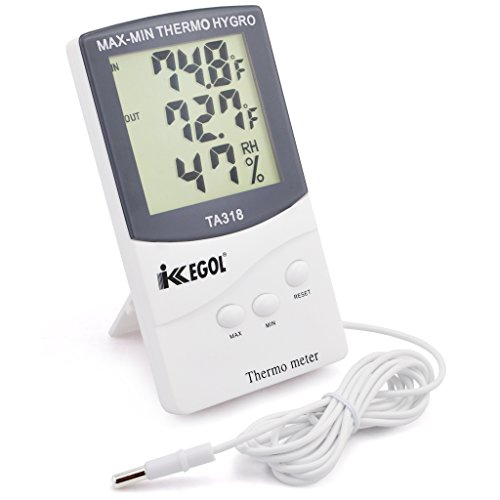
Bring tender perennials and tropical plants indoors before cold nights arrive, ideally before nighttime temperatures dip below 45°F (7°C). Some tropical plants suffer damage below 40°F (4°C), and cold exposure can set them back even if they look fine for a day or two. Use the forecast, not the calendar, and move plants before frost or a sharp cold snap.
Which plants are healthy enough to come inside?
Inspect each candidate before it crosses the threshold. Keep only plants that are free of visible pests, spotting, mushy stems, and yellowing from stress. Horticulture extension guidance commonly advises checking leaf undersides, stems, and potting mix for insects before overwintering, because one infested pot can raise indoor pest pressure for every plant in a small apartment.
When does dormancy matter more than indoor growth?
Some patio plants should not stay active indoors at all. Tender bulbs and a few other plants need winter dormancy, which means cool, dark storage, less water, and foliage cut back while the plant rests. That is a different path from placing a growing plant by a window, and plant needs can vary by species and cultivar.
What do you need for the move?
Gather the basic tools before moving day so plants spend less time exposed and you can clean as you go. A small apartment benefits from simple, washable supplies that reduce mess, catch runoff, and make pest checks easier without adding clutter.
- Pruning shears or sharp scissors
- Sticky traps for monitoring flying insects
- Mild soap solution for cleaning pots and saucers
- Fresh saucers or trays to catch drips
- Waterproof liner for a pebble tray
- Gravel or pebbles for humidity support
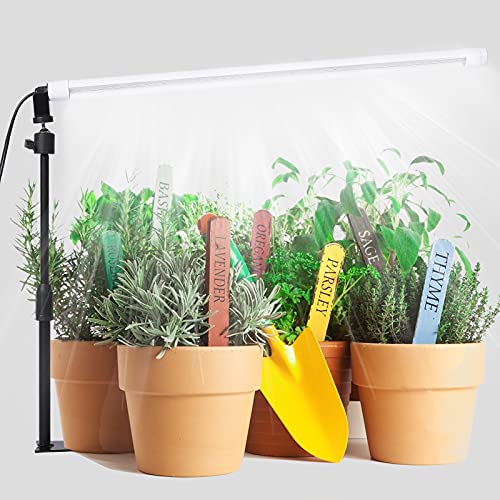
- Grow light with a timer
- Microfiber cloth or paper towels for cleanup
- A shelf, table, or floor area near a bright window
- Discard bin or compost container for plants you will not keep
Which patio plants can actually come inside?
Move healthy tropical and tender perennial plants inside first if they are compact enough to fit your brightest spot and you can keep their care simple. Bulbs and species that need dormancy belong in cool, dark storage instead of a sunny room. In small apartments, the best indoor candidates are the plants that can stay tidy, bright, and manageable all winter.
Which plants are easier for apartment growers?
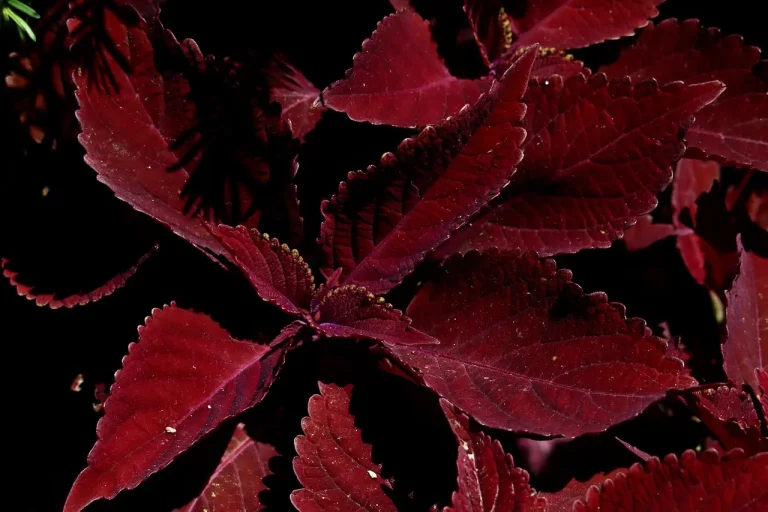
Geraniums can keep blooming all winter with enough light, and they are one of the easier patio plants to manage in a bright room. Compact herbs, citrus in small pots, begonias, coleus, and nonwoody tropicals may also work if you can give them light and space. If you cannot, be selective and keep the smallest, healthiest plants.
Which plants should stay out or go into storage?
Some tender bulbs need a rest, not warmth and daily attention. Cut back the foliage, stop watering, and store them according to the plant’s needs. If the plant is oversized, badly pest-ridden, or likely to outgrow your apartment quickly, it is usually better left outside, composted, or set aside for dormancy if that is the right cultural fit.
How do you prepare patio plants for indoor winter?
Prune before the move, check for pests and disease, and adjust the plant to lower light before it comes inside. That sequence matters in tight spaces because smaller plants are easier to place, cleaner to handle, and less likely to shed leaves across the room once indoor light drops. The goal is to reduce stress before the plant enters the apartment.
Trim the plant first. Remove long stems, floppy growth, and any dead material before moving day. Pruning before moving indoors can temporarily reduce plant size, and for geraniums that cannot sit in a sunny place, cutting them back by about half is a common way to make them fit.
Inspect leaves and stems. Check both sides of leaves, stem joints, and the soil surface for mites, aphids, whiteflies, webbing, and sooty residue. Horticulture sources typically recommend isolating any plant that shows active pests before it goes near the rest of your collection.
Acclimate to lower light. Move the plant to a shadier outdoor spot for a few days if weather allows, then bring it inside. This short transition helps reduce shock from a sudden drop in light intensity, though the best timing can vary with plant type and local weather.
Clean the container. Wipe the pot and saucer so soil, algae, and insect eggs are not carried indoors. A clean exterior also keeps apartment floors and shelves easier to manage and makes it simpler to spot new pests early.
Suppose a 12-inch geranium is taking up most of a balcony shelf and has a few leggy stems. Cutting it back by about half before the move leaves a smaller, sturdier plant that fits beside a bright window, while the unpruned version would crowd the sill and drop leaves faster.
How do you move plants into the apartment?
Bring plants in before frosts arrive, not after damage starts. There is not a single calendar day that works everywhere, so watch the forecast and move the most tender plants first. If a cold night below 45°F (7°C) is expected, act before that night and keep the move orderly so plants spend less time exposed.
Stage the path. Clear a route from the door to the final spot, and place a towel or tray where the pot will sit. This limits drips and keeps wet soil off rugs and apartment flooring.
Move the healthiest plants first. Carry in the strongest, cleanest candidates before the rest. If a plant looks doubtful, leave it out rather than bringing a problem indoors.
Group pots by need. Put similar plants together on one shelf or one area to save space indoors. Grouping also makes watering and inspection easier in a small room.
Top up support after settling. Add one inch of fresh gravel to a pebble tray, then recheck that the tray holds moisture without touching the pot base. If the room is very dry, add water to the tray after the first day and check again the next morning.
Where should you place them inside?
A south-facing window is often the brightest indoor light source for higher-light patio plants, but winter light intensity is still limited. For plants used to bright light, a grow light on a timer may be needed for 16 hours a day. In small apartments, the best spot is the brightest one you can keep clean, dry, and uncluttered.
How should you use a south-facing window?
Put the thirstiest light users closest to the glass, but leave some space for airflow. A windowsill, narrow table, or shelf beside the window works if it does not block heat vents or crowd the room. Watch for stretch, pale new growth, and leaf drop, which usually mean the plant wants more light.
When are grow lights worth using?
If a window is weak in winter, use grow lights rather than hoping for enough sun alone. Plants used to bright light may need 16 hours a day under grow lights, though exact needs vary by species and fixture strength. A timer keeps the cycle steady, which matters more than an occasional long day of light.
How do pebble trays and airflow help?
A pebble tray can help raise humidity around indoor plants. Line a shallow tray with waterproof material, add gravel, and keep it moist without letting pots sit in water. Do not seal the plants into still air; some airflow helps prevent mold and keeps leaves from staying wet too long.
Picture a studio with one south-facing window and a radiator below it. A geranium can live on a narrow stand beside the window with a pebble tray under it, while a second large tropical plant would likely get too dry, block light, and make the room harder to use.
How should you triage patio plants?
Use this table to decide what comes in, what gets stored, and what should stay out. A plant that needs bright light, humidity, and frequent attention is generally a poor fit for a basement or a dim apartment, even if it survived outside in summer. The footprint tier helps you match plant size to small-space reality.
| Plant type | Footprint tier | Best winter action | Light need | Humidity tolerance | Dormancy risk | Apartment decision |
|---|---|---|---|---|---|---|
| Geranium | Small to medium | Keep or move | Bright window or grow light | Moderate | Low | Keep if healthy |
| Fuchsia | Medium to large | Keep or move | Bright indirect light | Moderate to high | Low | Keep if space allows |
| Tropical hibiscus | Large unless pruned | Keep or move | Very bright light | Moderate | Low | Move only with strong light |
| Coleus | Small to medium | Keep or move | Bright light | Moderate | Low | Keep if compact |
| Begonia | Small | Keep | Bright indirect light | Moderate | Low | Keep if tidy |
| Impatiens | Small | Keep or compost | Bright indirect light | Moderate | Low | Keep if strong, otherwise compost |
| Herbs in small pots | Small | Keep or move | Bright light | Moderate | Low | Keep if you can harvest and light them |
| Citrus in small pots | Medium | Keep or move | Very bright light | Moderate | Low | Keep only with strong light |
| Dahlia tuber | Very small in storage | Store | Dark storage | Low | High | Store for dormancy |
| Canna rhizome | Small in storage | Store | Dark storage | Low | High | Store for dormancy |
| Large woody tropical | Often too large | Compost or keep only if space is ample | Very bright light | Moderate | Low | Usually let go |
What mistakes should you avoid?
The biggest error is bringing in every pot because it feels wasteful to part with any of them. That creates crowding, weak light, and pest transfer. A second mistake is treating dormancy plants like active houseplants, which usually leads to rot, stretch, or premature growth. In apartments, less is usually better.
- Bringing in plants with obvious pests or disease.
- Placing bright-light plants too far from the window.
- Skipping pruning, then running out of floor space.
- Keeping the soil wet through winter.
- Ignoring a plant that clearly needs dormancy rather than indoor growth.
- Letting leaves touch cold glass or heat vents.
Watering usually drops in winter. Use the top two inches of soil as the checkpoint; if that layer feels dry, water, then stop. Extension guidance commonly recommends reducing watering as growth slows, because overwatering in a tight apartment is one of the fastest ways to create mold, fungus gnats, and sour soil.
What questions do people ask most often?
These quick answers cover timing, light, space, and pest control for small apartments. If a plant seems borderline, compare its size, light demand, and dormancy needs before deciding whether it stays, moves, or goes. Plant-specific needs can vary, so treat these as practical starting points.
Frequently asked questions
When should I bring patio plants indoors before frost?
Move them before nights dip below 45°F (7°C), and move tender tropical plants even earlier if a cold snap is forecast. There is no exact date that fits every climate, so use the forecast instead of the calendar. If frost is coming, the plant should already be inside.
Which patio plants can survive winter indoors?
Compact, healthy plants that want bright light have the best odds. Geraniums are a common example, and they can keep blooming all winter with enough light. Plants that need dormancy, or plants that are too large for your light and space, are poor candidates.
How do I fit large pots into a small apartment?
Prune before the move, group pots on one shelf or in one corner, and keep only the few that can live near your brightest window. If a plant still blocks traffic or needs more light than you can give, reduce it further or leave it outside.
How much light do patio plants need inside?
Higher-light plants do best near a south-facing window, but winter sun is weaker than summer sun. If window light is not enough, use grow lights on a timer for 16 hours a day. Pale growth, stretch, and dropped leaves usually mean the plant needs more light.
Should I prune patio plants before moving them indoors?
Yes, if size is the problem. Pruning before moving indoors can temporarily reduce plant size and make the pot easier to place, carry, and clean around. For plants like geraniums, cutting back by about half can help them fit when the apartment has little spare space.
How do I avoid bringing bugs inside with patio plants?
Inspect leaves, stems, and soil carefully before any pot comes in. Clean the container, quarantine suspicious plants, and keep sticky traps nearby for early warning. Do not bring in a plant that already shows active pests, because one pot can spread the problem fast indoors.
Can all outdoor plants be brought indoors for winter?
No. Some plants need winter dormancy rather than active growth, and some are too large, too light-hungry, or too pest-prone to make sense in an apartment. Sort by health, size, and care burden first, then keep only the plants that fit your indoor conditions.