How to Overwinter Tropical Patio Plants Indoors
Bring tropical patio plants indoors by sorting each one by light, humidity, pest pressure, and room. Keep plants that can handle your brightest indoor spot, rest those that tolerate dormancy, and replace the rest before insects and weak growth spread. Poor overwintering wastes space and usually leaves you with leggy plants by spring. This guide shows how to decide whether to keep, rest, or replace each plant.
What overwintering means for tropical patio plants


Tropical patio plants are tender plants that want heat and steady humidity before frost. Many slow down after the move, some drop leaves, and a few keep growing or bloom under lights. Others do better stored dormant than pushed through winter growth.
The real question is not whether a plant is “tropical.” It is whether your indoor space can meet that plant’s light, humidity, and pest-control needs without hurting the rest of your collection.
What you’ll need
- Clean pruners or scissors
- Insecticidal soap or horticultural oil, if pests are found
- Mild spray nozzle or sink sprayer for rinsing foliage
- Grow lights for dark rooms or winter days
- Humidity tray with pebble or gravel fill
- Small fan for air movement
- Fresh potting mix for repotting only if needed
- Labels for plants that will go dormant
- A bright south-, east-, or west-facing indoor spot
When should you bring tropicals inside?
Bring tender plants in at about 45°F, and move half-hardy plants at the first frosts. According to the Old Farmer’s Almanac, some tropicals suffer below 40°F, and a few can be damaged below 50°F, so frost can blacken stems and scorch leaves fast. Do not wait for visible damage.
Start the move when nighttime temperatures reach about 50°F if the plant is going into a protected room, then finish before a hard cold snap. That gives you time to inspect, prune, and clean plants before they sit near houseplants.
Which tropical patio plants are worth saving?
Keep the plants that match your brightest indoor space, your humidity level, and your care routine. Replace plants that bring pests, outgrow the room, or need more light than you can give. Planet Natural notes that overwintering is imperfect and losses should be expected.
Say your hibiscus has an open southern window and room for a 3-foot plant under a light. That is a keep candidate. Say a large bougainvillea would block a doorway and needs strong light plus dry rest. That is a better replacement than a weak, crowded indoor struggle.
Keep, rest, or replace?
Use three quick triage buckets. Keep plants that can stay compact and active under your brightest light. Rest plants that want a cooler, drier winter and can survive without pushing new growth. Replace plants that are too pest-prone, too large, or too light-hungry for your space.
Which plants are usually worth overwintering indoors?
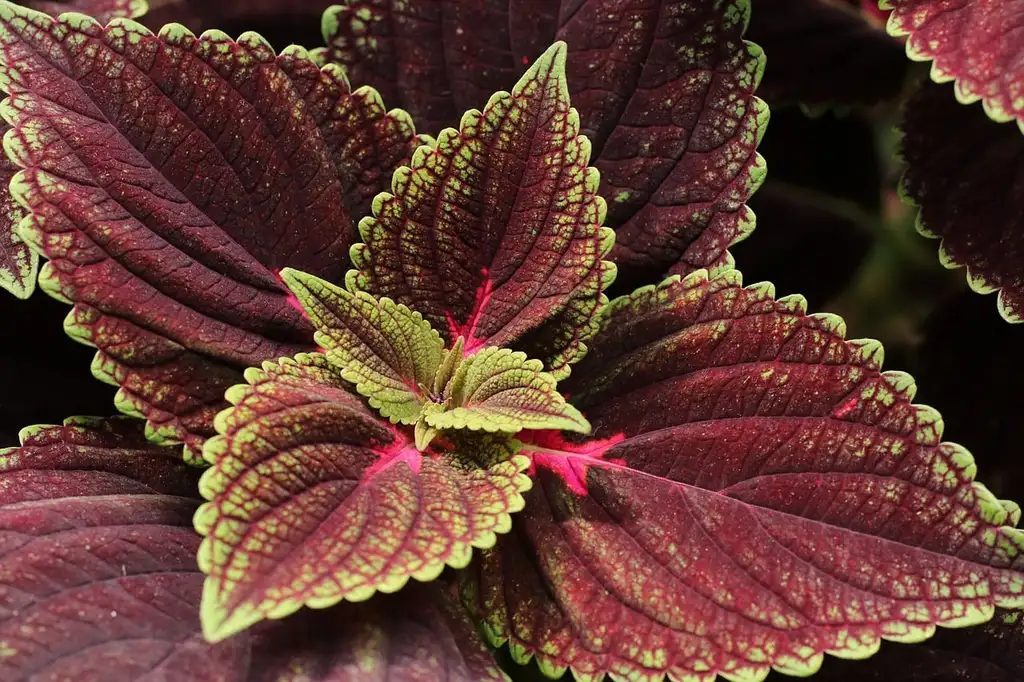
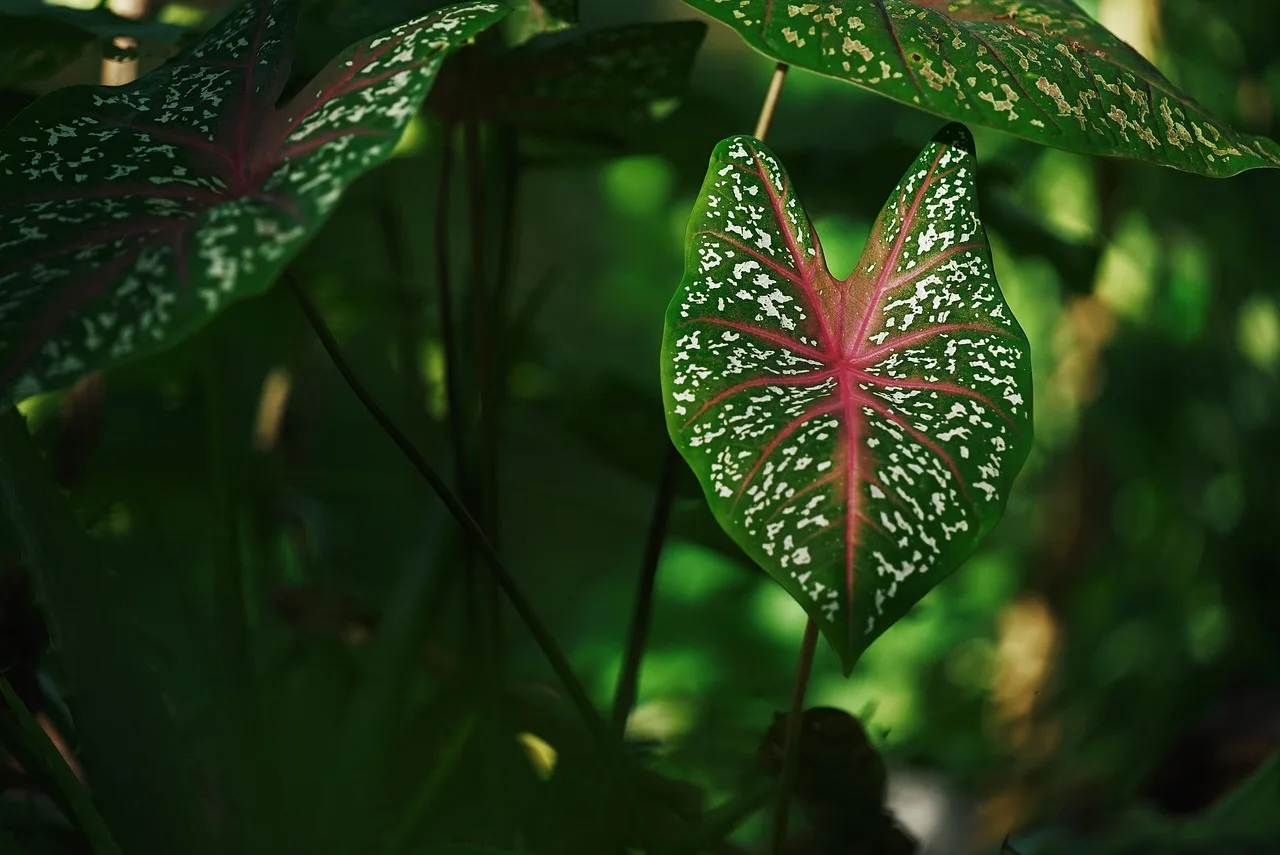
Hibiscus, mandevilla, brugmansia, geranium, coleus, pelargonium, and many begonias are often worth the effort when you have bright light and room to isolate them. Canna lily, dahlia, elephant ear, and caladium are often better as dormant storage plants when you do not have strong winter light or space for active growth.
How to prepare plants before moving indoors
Inspect for pests. Check leaf undersides, stems, and pot rims for whitefly, spider mites, scale, aphids, and other insects. Bring in only healthy plants; the Old Farmer’s Almanac recommends keeping healthy plants, not diseased or pest-infested ones.
Rinse foliage clean. Wash leaves and stems with plain water, or use a mild spray for stubborn residue. This lowers the chance that pests move indoors and spread to houseplants.
Prune crowded growth. Cut back leggy or oversized stems before the move if space is tight. Leave enough foliage for the plant to recover, but reduce bulk so it fits a window or under lights.
Acclimate to less light. Move plants to brighter shade for a few days, then bring them inside. If you use grow lights, some tropicals do better with 12 hours per day, and a gradual shift helps reduce shock.
Group by needs. Put thirsty, high-humidity plants together and keep dry-rest species separate. This prevents one watering schedule from causing root rot in another plant.
How do you care for tropical patio plants indoors?
Give tropicals the brightest indoor spot you have first. A south-facing window is best for high-light plants, while east- and west-facing windows are next best. North-facing windows are typically lower light, so grow lights may help where sun is weak or days are short.
Water less in winter for most tropicals, and let the top layer dry before watering again. Some species prefer evenly moist soil, but many fail from overwatering, not underwatering. Dormant tubers should be kept dry, with no extra water added until growth resumes.
Humidity helps, but not every plant needs the same level. Group plants together, set pots on pebble trays with moist gravel, or use a humidifier in a dry room. Bathrooms, kitchens, and some basements can work as humid microclimates. Misting gives only a brief boost.
Do not fertilize heavily while plants are resting. If a plant is actively growing under lights, use a light winter feeding only if the species and growth rate call for it; otherwise wait for spring. Leaf drop after the move is common and does not always mean failure.
How to keep active-growth plants steady
For plants you want to keep growing, hold light steady, water only when the mix starts to dry at the top, and keep air moving so damp leaves do not stay wet. If growth slows but the plant still holds leaves, it may need more light rather than more water.
How to handle dormant storage plants
For tubers, bulbs, and other storage plants, cut back top growth, clean off soil, and keep the storage medium dry. Do not treat them like houseplants. Dry storage is safer than damp soil for canna lily, dahlia, elephant ear, and caladium.
Should I fertilize tropical plants indoors in winter?
Usually not much. Skip fertilizer for dormant plants and for any plant that is barely growing. If a tropical is staying active under strong light, a very light winter feeding can fit, but only when it is actually making new growth. Otherwise, wait for spring.
Common mistakes
Putting every tropical in the same room is the fastest way to lose some of them. A dry forced-air room can work for a plant that wants a drier winter, but it can punish plants that need higher humidity.
Overwatering is another common failure. If soil stays wet and roots sit cold, rot follows. A plant with yellowing leaves and wet potting mix usually needs less water, not more.
Ignoring pests before the move can spread a small problem to every indoor plant. Whitefly, spider mites, aphids, and scale are much easier to manage before the plants are packed into a living room.
Tropical patio plants decision table
| Plant | Indoor light required | Minimum indoor temperature | Window rank | Humidity tolerance | Pest risk | Keep growing or store dormant | Verdict |
|---|---|---|---|---|---|---|---|
| Hibiscus | Very bright; south window or grow light | About 50°F | South first, east or west next | Moderate to high | High for whitefly and aphids | Keep growing | Worth saving if you can give it strong light and watch for pests. |
| Bougainvillea | Very bright; south window | About 45°F | South first | Low to moderate | Moderate | Keep growing or give a cool rest | Save only if you have a bright, dry spot and can keep it compact. |
| Mandevilla | Bright; south or west window | About 50°F | South first, west next | Moderate | Moderate | Keep growing | Good candidate when you can keep it lightly moist and away from drafts. |
| Brugmansia | Bright; strong window or grow light | About 45°F | South first | Moderate to high | High for aphids and whitefly | Keep growing or cut back and rest | Save if you have room for its size and can stay ahead of insects. |
| Geranium | Bright; east, south, or west window | About 45°F | East first, south or west next | Moderate | Moderate | Keep growing or store as cuttings | Worth overwintering when space is tight and the plant can be cut back cleanly. |
| Coleus | Bright indirect light or grow light | About 50°F | East first, south next | Moderate | Moderate | Keep growing | Best kept if you can give bright light without harsh midday sun. |
| Pelargonium | Bright; south or west window | About 45°F | South first, west next | Moderate | Moderate | Keep growing or store dormant as cuttings | Strong choice for winter windowsills because it tolerates a drier indoor routine. |
| Canna lily | Bright if kept growing | About 50°F | South first if active; otherwise storage only | Moderate | Low to moderate | Store dormant | Usually better stored than forced into active growth indoors. |
| Dahlia | Not needed in storage | Dry storage only | No window needed | Dry storage only | Low once cleaned | Store dormant | Keep it if you can store tubers dry and skip winter houseplant care. |
| Elephant ear | Bright if kept as foliage plant | About 50°F | South first | High | Moderate | Store dormant or keep growing only with strong light | Worth saving only when humidity and light are both strong. |
| Begonia | Bright indirect light | About 50°F | East first, south next | High | Moderate | Keep growing | Good choice for bright indirect light and a humid room. |
| Caladium | Not needed in storage | Dry storage only | No window needed | Dry storage only | Low | Store dormant | Best saved as dry tubers instead of as an indoor foliage plant. |
How to read the table
If a plant needs very bright light, a north-facing window usually will not be enough unless you add lights. If a plant is marked for dormant storage, do not keep watering it like an active houseplant. That is how tubers rot and bulbs fail.
If a canna is kept in a basement corner with no window and no room for lights, dormant storage is usually the safer option. Store it dormant. If a begonia is near an east window with a tray of moist gravel nearby, it can often be kept growing. Keep it growing.
Troubleshooting winter problems
If leaves yellow and soil stays wet, cut back watering and improve drainage. If stems stretch toward the window, the plant needs more light. If buds drop after moving indoors, the plant may be reacting to the change in light and humidity rather than dying.
If you see webbing, sticky residue, or white dots under leaves, isolate the plant and treat it early. The longer a pest stays unnoticed, the harder it is to contain indoors.
Frequently asked questions
How do you overwinter tropical patio plants indoors?
Sort each plant by light, humidity, pest risk, and space. Clean and inspect it before it comes inside, place it in the brightest suitable spot, water less in winter, and keep dormant types dry. Use grow lights if the window light is not enough for active growth.
When should I bring tropical plants inside before frost?
Move tender plants in around 45°F, half-hardy plants at the first frosts, and watch for nights near 50°F as your cue to start. Do not wait for frost damage. Some tropicals suffer below 40°F, and a few can be damaged below 50°F.
What light do tropical plants need indoors over winter?
South-facing windows are best for high-light tropicals. East- and west-facing windows can work for many plants, while north-facing windows are lower light and often need grow lights. Some growers keep tropicals under lights for 12 hours per day, especially when they need to stay active.
How often should I water tropical plants indoors in winter?
For most active tropicals, water only after the top layer dries. Keep the mix barely moist, not wet. Dormant tubers should stay dry. If a plant prefers evenly moist soil, keep that schedule steady but lighter than summer, and stop before the pot gets soggy.
Do tropical plants need humidity indoors during winter?
Many do, especially if heat vents dry the room. Group plants together, use pebble trays with moist gravel, or place them in naturally humid rooms such as bathrooms or kitchens. Misting can help only briefly, so it is a short-term aid rather than a full solution.
How do I keep pests off tropical plants after bringing them inside?
Inspect every plant before it enters, rinse foliage, and isolate it for a short watch period away from houseplants. Check again for whitefly, spider mites, aphids, and scale after the move. Treat early with soap or oil if needed, and do not mix a questionable plant with the rest.