Beginner-Friendly Plants to Overwinter Indoors Successfully
Choose plants by three indoor light levels: bright south or west window for citrus and geraniums, medium light for coleus and mint, and skip sun-lovers if you only have dim rooms. Wrong picks often drop leaves, stall, attract pests, or die before spring. This guide sorts beginner-friendly overwintering plants by the indoor setup they can handle, so you can keep only the ones your space can support.
How to choose plants to overwinter indoors
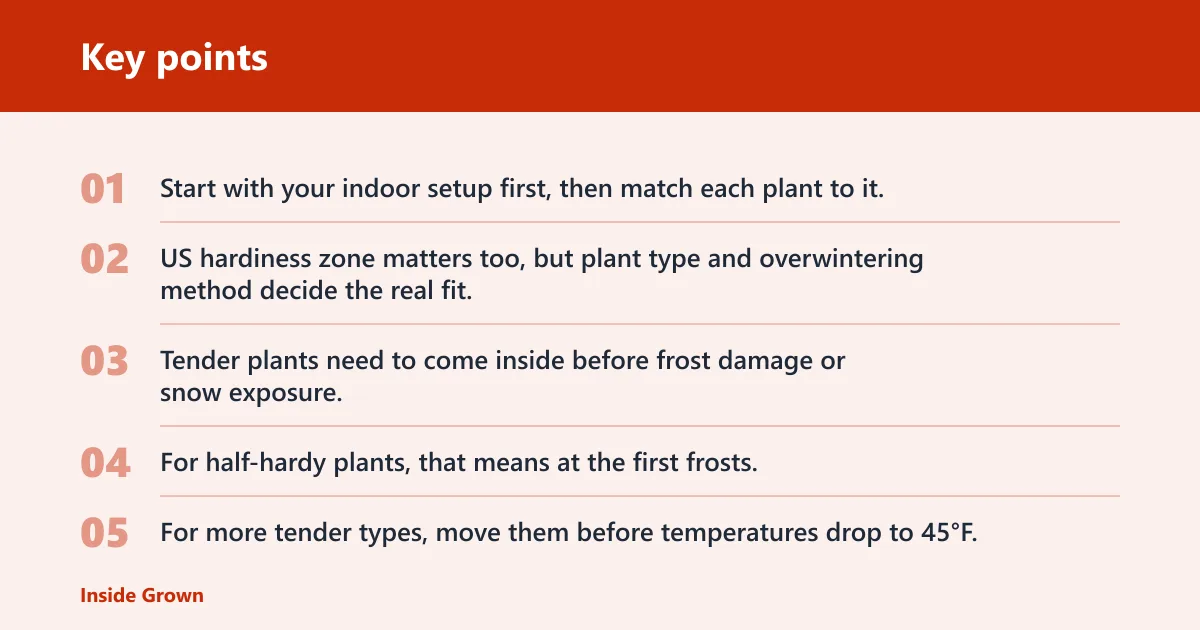


Start with your indoor setup first, then match each plant to it. Sunlight and temperature matter most, and the right choice depends on whether you can keep a plant growing in a bright room or resting in a cool, dark one. US hardiness zone matters too, but plant type and overwintering method decide the real fit.
Tender plants need to come inside before frost damage or snow exposure. For half-hardy plants, that means at the first frosts. For more tender types, move them before temperatures drop to 45°F. Once cold injury starts, indoor care usually cannot fix it.
Use your indoor setup first
If you have a south, east, or west-facing window, you can support more plants in active growth. If your best space is a cool basement, garage, or unheated room, choose plants that tolerate dormant storage instead. A kitchen or dining room near a south, east, or west window is a practical starting point for uncertain plants.
Match plant type to available light and space
Some plants want bright light and regular watering. Others want cool, dark, quiet storage with controlled moisture. The same room can work for one plant and fail for another, so start with light demand, dormancy tolerance, pest risk, and winter water frequency.
Choose dormant storage or active growth
Active indoor growth means the plant keeps growing through winter, usually in a brighter room. Dormant overwintering means the plant slows down, stays cooler, and needs less water. For many beginners, dormant storage is easier because it needs fewer weekly tasks, but it only works for plants that can handle that condition.
Best beginner overwintering picks by indoor setup
This table ranks common beginner-friendly plants by light need, dormancy tolerance, pest risk, and winter water frequency. Use the label, not the plant name alone. A plant that does well in a bright window can fail in a basement, and a dormant candidate can struggle if kept warm and wet.
| Plant | Light needed | Dormancy tolerance | Pest risk indoors | Winter water frequency | Best label |
|---|---|---|---|---|---|
| Geranium | Bright | Good if cut back | Moderate | Low | Best for bright window |
| Citrus in pots | Very bright, often with grow lights | Poor | Moderate to high | Moderate | Best for bright window |
| Rosemary | Bright | Poor to moderate | Moderate | Low | Best for bright window |
| Coleus | Medium to bright | Poor | Moderate | Moderate | Best for bright window |
| Mint | Medium | Moderate | Moderate | Moderate | Best for bright window |
| Succulents | Bright | Poor to moderate | Low to moderate | Very low | Best for bright window |
| Compact pepper | Bright | Moderate if cut back | Moderate to high | Low | Best for bright window |
| Hardy herb in dormancy, such as thyme | Low during dormancy | Good | Low | Very low | Best for cool basement |
| Fuchsia | Low to medium during dormancy | Good | Moderate | Low | Best for cool basement |
| Pelargonium-type geranium in cool storage | Low during dormancy | Good | Moderate | Low | Best for cool basement |
| Tomato | Very bright | Poor | High | Moderate | Not beginner-friendly |
| Eggplant | Very bright | Poor | High | Moderate | Not beginner-friendly |
| Plants with recurring aphids or whiteflies | Varies | Varies | High | Varies | Not beginner-friendly |
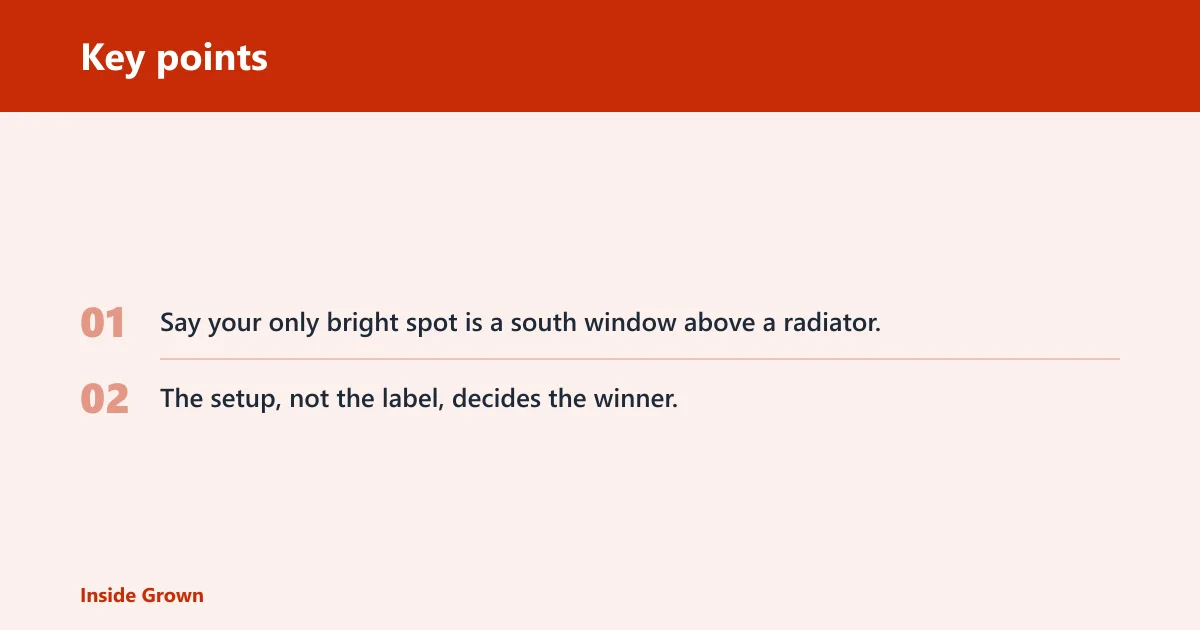
Say your only bright spot is a south window above a radiator. A geranium may still work if the pot stays away from hot, dry air, but a cool-dormant plant will likely dry out too fast there. The setup, not the label, decides the winner.
Which plants are easiest for beginners?
The easiest overwintering plants are compact peppers, common herbs, succulents, and tender houseplant-like plants that already handle indoor light well. They are easier because they respond well to pruning, can manage a controlled indoor room, or need only light winter upkeep. They are not all treated the same, though.
Compact peppers
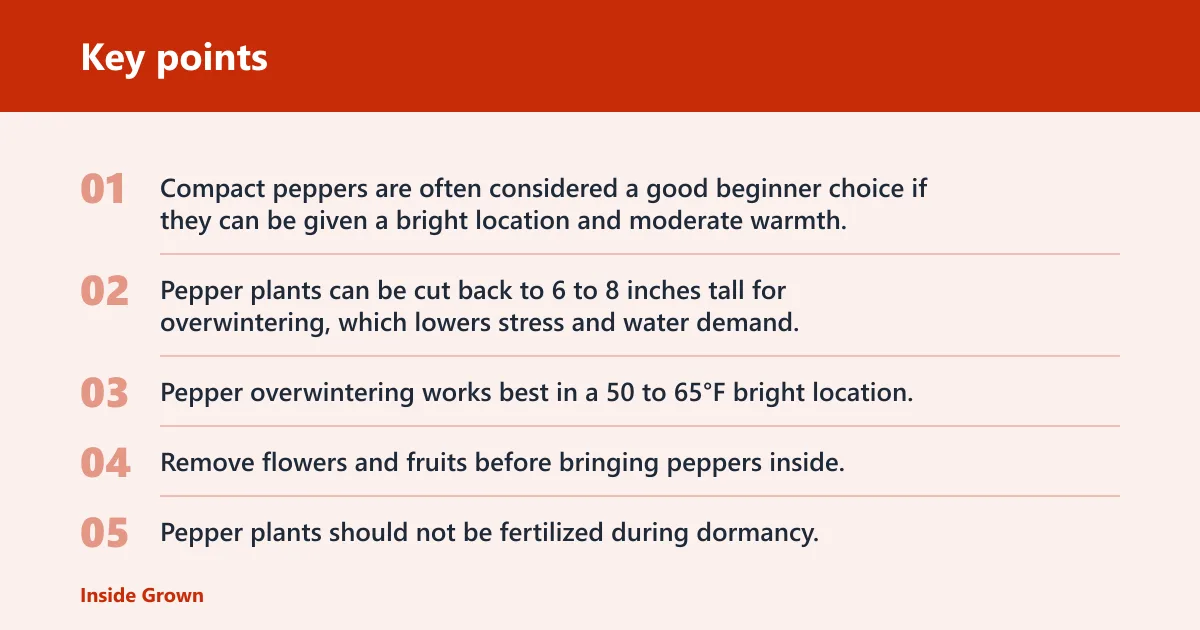
Compact peppers are often considered a good beginner choice if they can be given a bright location and moderate warmth. Pepper plants can be cut back to 6 to 8 inches tall for overwintering, which lowers stress and water demand. Pepper overwintering works best in a 50 to 65°F bright location.
Remove flowers and fruits before bringing peppers inside. That shifts energy away from ripening and toward survival. Pepper plants should not be fertilized during dormancy.
Common herbs
Mint and some woody herbs can handle indoor life better than plants that demand full sun all winter. Mint is generally more forgiving if light is only medium. Rosemary needs brighter light and a drier touch than many beginners expect, so it fits a sunny window better than a dim room.
Succulents and other drought-tolerant plants
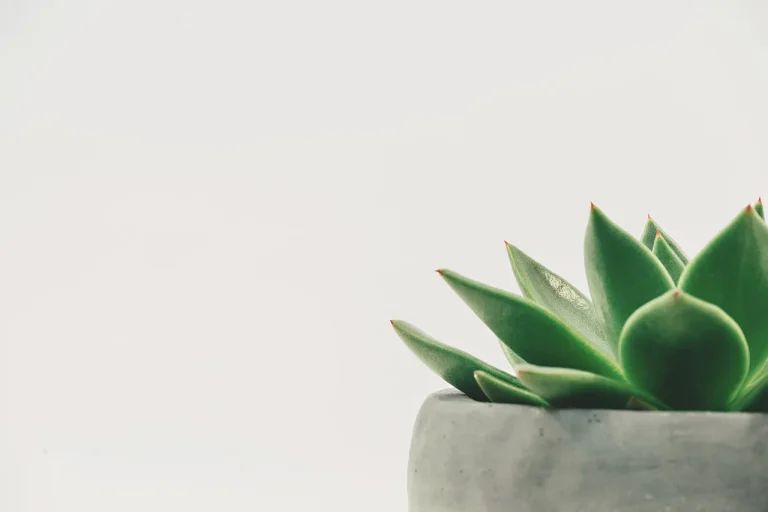
Succulents are usually a good fit if you can give them strong light and resist watering them too often. They often fail from excess water, not from drought. A bright window and dry soil between waterings matter more than a warm room.
Houseplant-like tender plants
Some tender plants already behave more like houseplants than garden annuals. These can do well if you move them inside before cold damage and place them near enough light. They are still sensitive to pests and low light, so they are easy only when the room matches the plant.
Can you overwinter plants in a cool basement?
Yes, if the plant tolerates dormancy. A cool basement can work well for dormant overwintering because it generally stays above 40°F and below 60°F, with about 50 to 55°F often treated as an ideal range. The space should be cool, dark, consistent, and protected from swings in temperature.
When dark storage works better than a bright room
Dark storage fits plants that naturally slow down and do not need active growth through winter. They should be kept in a cool, dark location with controlled moisture, not in a warm room where they would try to grow without enough light. That mismatch often causes weak growth and pest problems.
Micro-climate matters here. Basements, garages, and greenhouses vary more than people expect, so check both sunlight and temperature before choosing one. A garage that freezes overnight is not the same as a basement that stays steady near 52°F.
What indoor care do overwintered plants need?
Indoor care changes by plant type. Most overwintered plants need less water, less feeding, and less disturbance than they do outdoors. Some should stay dormant; others need enough light to keep growing. The wrong combination causes root rot, leaf drop, or pest outbreaks.
-
Check the plant before moving it.
Inspect stems, leaf undersides, and pot rims for aphids, spider mites, whiteflies, and mealybugs. Bring in only the plants that look worth the indoor space. -
Prune before winter.
Cut back leggy growth, remove flowers, and strip fruits from peppers before the move. Less foliage means less energy demand indoors. -
Place it by the right light.
Use a south, east, or west-facing window for uncertain plants. Add grow lights for bright-light plants that cannot get enough sun, and turn the pot a quarter turn each week for even light distribution. -
Water sparingly.
Let the soil dry out more than it would in summer, and for some plants let it dry out completely before watering again. Overwatering is a common indoor mistake and often does more damage than brief dryness. -
Skip fertilizer.
Gardeners are advised not to feed plants while indoors. Dormant plants especially should stay on a low-input schedule.
Picture a pepper in a 10-inch pot sitting in a 55°F sunroom. If the plant has been cut back and the fruits removed, it can usually handle less water than it needed outdoors. Move the same plant to a warm, dim hallway, and the odds of weak growth and mites go up fast.
Which plants should you not try to overwinter indoors?
Skip plants that need more light than you can provide, plants that hate dry indoor air or heat, plants with repeated pest problems, and plants that are cheaper to replace in spring. Some plants are simply poor indoor candidates, even if they survive outdoors late into fall. Not every plant belongs inside.
Plants that need more light than you can provide
Sun-lovers in dim rooms usually fail. They stretch, drop leaves, and often attract pests because weak growth is easier to attack. If you do not have a bright window or grow lights, do not force a high-light plant into active indoor growth.
Plants that hate dry indoor air or heat
Some plants handle cool outdoor air better than warm, dry interiors. When forced into a heated room, they dry out too quickly and decline. A cool basement or dormant storage may work better, but only if the plant can tolerate dormancy.
Plants with repeated pest problems
If a plant already carries aphids, spider mites, whiteflies, or mealybugs, that problem can spread indoors. Homes and Gardens identifies pests as one of six common overwintering mistakes. If the infestation is heavy or keeps returning, leaving the plant outside may be the better call.
Plants that are cheaper to replace in spring
Some annuals are not worth the indoor effort. If the plant needs bright light, steady warmth, and frequent pest checks, the cost in space and time may outweigh the benefit. Replace those plants in spring and reserve indoor space for the better candidates.
How do I keep pests from coming inside with my plants?
Start before the move. Inspect leaves, stems, and pot edges for aphids, spider mites, whiteflies, and mealybugs, then remove any badly infested plant from the overwintering group. Clean pruning tools and keep newly moved plants apart for a short check period if possible.
If you find a light infestation, treat it before the plant settles into the house. Neem oil or insecticidal soap can help when used as directed on the product label. Indoor pest control works best when the plant is still easy to inspect and isolate.
When should I move plants indoors before frost?
Move tender plants indoors before frost or cold damage starts. The best time to move tender plants indoors is when temperatures drop to 45°F, and half-hardy plants should be moved at the first frosts. Waiting longer increases the chance of tissue damage that cannot be fixed later.
Cold-sensitive plants should not sit out after a frost warning just because the day still feels mild. Night temperatures and repeated cold spells matter more than a warm afternoon. Bring the plants in while they still look healthy enough to recover.
Can I overwinter plants as dormant instead of actively growing?
Yes, for plants that tolerate dormancy. Dormant overwintering works best in a cool, dark location with temperatures above 40°F and below 60°F, ideally 50 to 55°F, plus consistent conditions and controlled moisture. This is a better fit than active growth for many woody or low-demand plants.
Active indoor growth needs more light, more space, and more attention to water. Dormant storage is usually simpler for beginners because the plant asks for less, but only if it is a plant that can handle that rest period. A warm room can push the same plant into weak, pale growth.
Frequently asked questions
Which beginner-friendly plants can survive overwintering indoors?
Geraniums, compact peppers, mint, rosemary, succulents, and some houseplant-like tender plants are among the more beginner-friendly choices. The best fit depends on whether you have bright light, a cool storage space, or both. A plant’s light demand and dormancy tolerance matter more than its popularity.
What indoor conditions help plants overwinter successfully?
Two conditions matter most: sunlight and temperature. Bright windows help active plants, while cool, dark, consistent spaces suit dormant plants. Avoid wide temperature swings, keep water controlled, and place each plant where its light level matches its winter plan.
Should I overwinter plants in a warm room or a cool basement?
Choose the warm room for plants that need active growth and enough light, such as peppers or geraniums near a bright window. Choose the cool basement for plants that overwinter dormant and can stay above 40°F but below 60°F. The plant decides the room, not the other way around.
How much should I water overwintered plants indoors?
Water sparingly. Many plants need far less water in winter, and some should dry out completely between waterings. Overwatering is a common cause of winter failure, especially in cool storage where roots stay wet longer and grow more slowly.
Do I need grow lights for overwintering indoors?
Not for every plant. A bright south, east, or west window may be enough for some herbs and compact peppers, but bright-light plants often need grow lights when natural light is weak. If the plant stretches, leans, or drops leaves, light is probably too low.
How do I know if a plant is too tender to overwinter indoors?
If the plant shows cold damage quickly, needs more light than your space can provide, or has a history of pests indoors, it may be too tender for your setup. Plants that cannot handle frost or cold damage should be moved early, but some are still poor indoor candidates and better replaced in spring.