How to Bring Hanging Baskets Indoors for Winter
Bring hanging baskets indoors for winter before the first frost, trim and inspect them outside, wrap the pot, and carry it over a tray to avoid spills. Skip the prep and you can drop soil, soak floors, and bring in pests that spread to other houseplants. This guide covers mess prevention, pest screening, drip control, cleanup, transport, placement, watering, and pest checks so you can move baskets inside with less mess.
Why move baskets indoors?

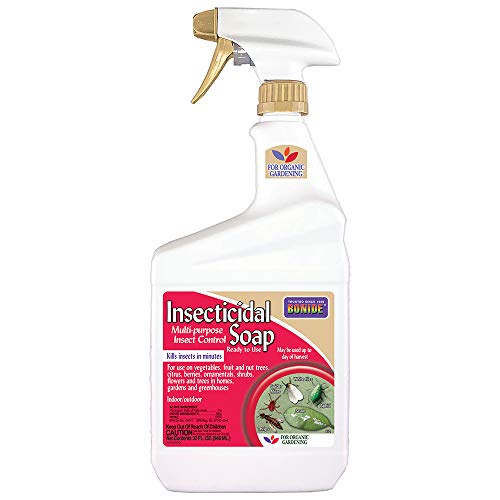

Hanging baskets can keep color through winter, especially in small spaces where a floor pot would get in the way. They also keep plants in one place instead of exposing them to repeated freeze-thaw swings on a porch or hook.
Move them in for the plants, but start with containment. A basket that is still dripping, shedding mix, or carrying pests can make more mess indoors than the plant is worth.
Choose indoor overwintering for baskets that can handle cooler rooms, bright indirect light, and steadier moisture. Ferns thrive in humid environments, ivy prefers a steady, cool indoor temperature, and florist cyclamen is suited to cool indoor or shaded balcony conditions. Pansies and violas are hardy and easy to grow outdoors in cool weather, but they are usually impractical indoors because they want stronger light and cooler outdoor conditions than most rooms can provide.
What you’ll need
- A saucer or drip tray that fits under the basket
- Plastic wrap, a nursery tray, or a shallow transport bin
- Pruning snips or scissors that can be sanitized
- Fresh potting mix labeled for containers or baskets
- A sink, utility room, bathroom, or other washable staging spot
- Paper towels, a small brush, and a handheld vacuum for loose mix
- Sticky traps or another basic pest-monitoring tool
- A humidifier, if the room runs dry
- A hanger, wall hook, or sturdy stand rated for the basket weight
How should you prep the basket?
Start by checking moisture, drainage, and weight outdoors before the basket ever crosses the threshold. Trim dead growth, deadhead spent blooms, and inspect the liner and drainage holes so you know whether the basket can move cleanly or needs a reset first.
- Water with timing in mind. Stop watering long enough before the move that the mix is damp, not soggy. A basket that is saturated will drip through the liner and is harder to carry cleanly; a basket that is bone-dry is more likely to shed dusty mix.
- Check the drainage holes. Look under the basket for blocked holes, compressed liner material, or roots sealing the base. If water cannot leave freely, it will collect in the pot and leak later onto floors or shelves.
- Trim and deadhead. Remove dead stems, yellow leaves, and spent flowers with sanitized scissors. Leave healthy green growth unless the plant needs a reset, because hard pruning can stress a basket that is already adjusting to lower light.
- Stabilize loose soil. Press the top inch of mix lightly so the surface is not fluffy and likely to spill. If the basket is top-heavy, support the rim with both hands while you prepare the wrap or tray.
- Inspect for pests. Check leaf undersides, stem joints, and the crown for aphids, whiteflies, spider mites, eggs, webbing, sticky residue, or small flying insects. If you see any of them, wipe off what you can with a damp paper towel, keep the basket outside, and recheck it before you move it indoors.
Suppose a 12-inch basket of ivy feels light but the mix pulls away from the liner edge. That usually means the root ball or potting mix has dried enough to shrink, so it should be rehydrated before it goes indoors; otherwise the first indoor watering runs down the sides instead of soaking the root zone.
How do you move it inside without a mess?
Carry the basket over a tray, then use a wrapped or lined transport path so loose mix and runoff stay contained. The goal is to move the whole hanging hardware setup, basket and all, without making the floors, ceilings, or doorway trim part of the job.
- Wrap the base first. Slip the basket into a plastic-lined nursery tray or wrap the bottom with a sheet of plastic held above the drainage holes. Keep the wrap loose enough that water can still drain into a tray, not onto the floor.
- Use a two-person carry if needed. If the basket is large or the hook is awkward, have one person steady the top while another carries the tray underneath. That keeps the pot from swinging and dropping mix in the hall.
- Choose a washable route. Move through a sink area, utility room, or bathroom if possible. A shower-curtain staging setup works well in small spaces because it creates a temporary splash zone that is easy to wipe down.
- Set it down on protection. Set the basket on a saucer or drip tray after you bring it inside, then unhook it. If the hanging hardware stays attached, make sure the hook, chain, and ceiling area are dry before you bring the basket under an indoor mount.
- Quarantine the plant. Keep the basket away from other houseplants for about 7 to 14 days. Watch for late-emerging pests or leaf drop before you place it in its final spot.
A common first-timer mistake is carrying a basket straight from the porch hook to the living room mantel. The basket may look dry on top, but hidden runoff can still drip for several minutes, especially if the liner was holding water at the base.
What if the mix is dry or rootbound?
If the basket is rootbound, crusted with salts, or drying out too fast, decide whether to repot or refresh the mix before you move it inside for the season. Do not repot by default; only change the container if the root ball, drainage, or mix has clearly failed.
- Loosen a dry root ball. Set the basket in a sink or tub and soak it from the bottom until the mix rehydrates evenly. For a very dry basket, let it sit in a shallow layer of water for 15 to 20 minutes, then drain it well.
- Refresh the surface mix. Scrape off crusted top material and replace it with fresh, well-draining potting mix made for containers or baskets. If salts are visible on the rim or liner, wipe them away so they do not move back into the root zone.
- Repot only when necessary. Move to a larger or cleaner basket if roots circle tightly, water runs through without soaking, or the liner has broken down. If repotting is necessary, keep the new container only one size up so the plant is not sitting in extra wet mix.
- Recheck after settling. Water thoroughly, then let the basket drain fully before hanging it indoors. If the basket still feels unusually light or the mix pulls from the sides again within a day or two, repeat the soak once rather than watering lightly every day.
Basket liners matter here. Coir and other fibrous liners hold shape better than fragile, crumbling material, but they can still dry fast. A peat-heavy mix often rehydrates poorly when it has gone hard, so replacing the top layer is often more useful than sprinkling water across the surface.
Hanging baskets indoors checklist
This checklist keeps the move organized and cuts the common spill points, soil loss, dripping water, and pest transfer. Use it as a quick pass before the basket crosses the door.
| Step | Mess risk | Exact action | Indoor-safe alternative |
|---|---|---|---|
| Pre-move watering timing | High if saturated; high if dusty dry | Water the basket the day before or earlier the same day, then let excess drain fully before carrying it | Bottom-water in a sink or tub and drain for 15 minutes |
| Trimming | Medium from falling debris | Clip dead stems and spent blooms outside with sanitized scissors | Set the basket over a trash bag or tray while you prune |
| Saucer or tray setup | High without containment | Fit a saucer, drip tray, or nursery tray under the basket before it enters the room | Use a washable plant stand inside a utility area |
| Pest inspection | High if skipped | Check leaf undersides and stems for aphids, whiteflies, spider mites, and eggs | Quarantine the basket for 7 to 14 days away from other plants |
| Temporary transport method | High on carpet or stairs | Carry it over a tray and keep the basket low and level | Use a sink, tub, or lined utility cart as a moving station |
| Initial indoor placement | Medium from ceiling drips | Hang only after the hook, chain, and rim are dry | Start it on a stand or shelf over a drip tray |
| First-week watering threshold | High if watered on a schedule alone | Water only when the top 1 inch feels dry and the pot feels lighter | Lift-test the basket and water thoroughly, then drain fully |
How do you care for it indoors?
Place the basket in bright indirect light, then set temperature and humidity around the plant’s needs instead of the room décor. Water only when the mix needs it, and favor cool, steady conditions over a warm, dry corner if the basket contains ivy, cyclamen, or ferns.
What light, temperature, and humidity should indoor basket plants get?
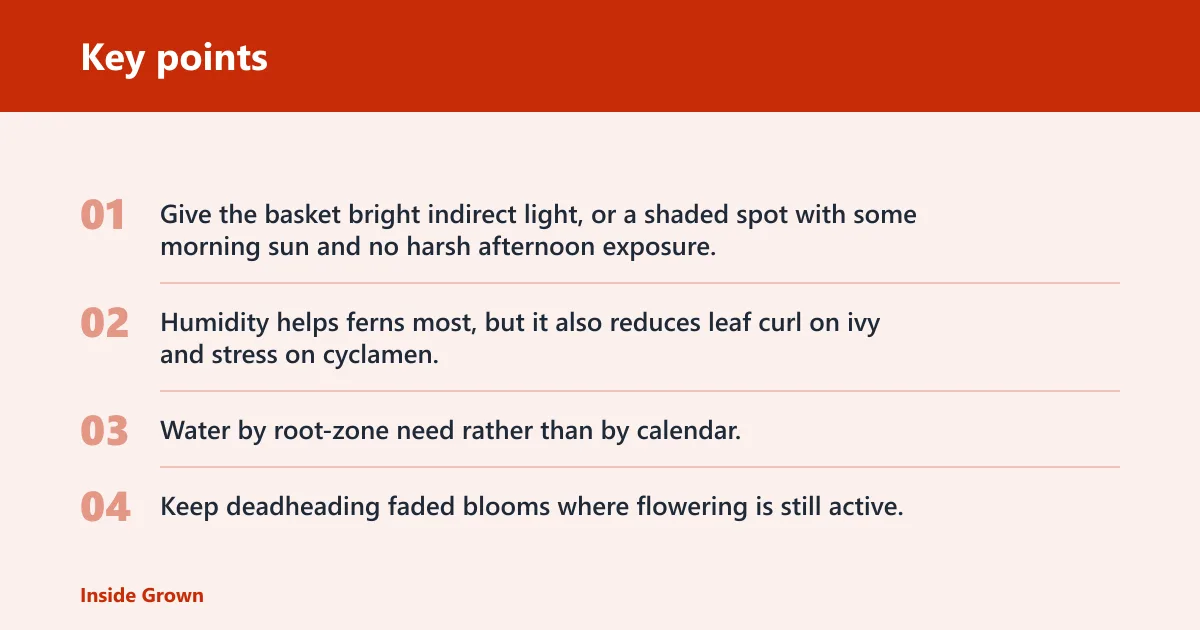
Give the basket bright indirect light, or a shaded spot with some morning sun and no harsh afternoon exposure. Keep the room cooler rather than warmer when the plant is ivy, florist cyclamen, or fern, and add humidity if the air feels dry.
Use a humidifier nearby, group the basket with other plants, or place it in a bathroom with steady light if the room is very dry. Humidity helps ferns most, but it also reduces leaf curl on ivy and stress on cyclamen.
How should you water a hanging basket indoors?
Water by root-zone need rather than by calendar. Give a thorough soak only when the top layer is dry and the basket has lost some weight, then let it drain fully so the roots do not sit in excess water.
Which hanging basket plants are best to keep indoors over winter?
Ivy, ferns, and florist cyclamen are the safer bets when the goal is indoor survival rather than a perfect decorative show. Winter pansies and violas can work outdoors in cool conditions, but they are usually poor indoor candidates because they need brighter light and cooler air than most heated rooms can provide.
Keep deadheading faded blooms where flowering is still active. It helps prevent the basket from wasting energy on seed set, and it keeps the plant cleaner while it adapts to indoor light.
Common mistakes
Most indoor basket problems start before the plant reaches the room. The usual causes are wet mix, missed pests, poor drip control, and a room that is too warm or too dim for the plant chosen.
- Bringing it in wet. This causes dripping and soil sloughing. Let the basket drain before you cross the threshold.
- Skipping the pest check. Aphids, whiteflies, and spider mites can spread quickly indoors. Quarantine the basket before it joins other houseplants.
- Watering on a calendar. A fixed schedule ignores light and temperature. Lift the basket and check the top inch of mix instead.
- Using a room that is too hot. Warm, dry air shortens the life of ivy, cyclamen, and ferns. Choose a cooler spot when possible.
- Repotting without cause. Unneeded repotting adds stress and extra mess. Refresh the mix or repot only when roots, drainage, or structure justify it.
Frequently asked questions
When is the right time to bring hanging baskets indoors for winter?
Bring them in before the first frost or before temperatures start staying cold enough to damage the plant. Move them while the basket is still healthy and manageable, not after leaves have already collapsed from cold stress.
How do I bring hanging baskets indoors without spilling soil everywhere?
Let the basket drain first, then carry it over a tray and keep it level. Wrap the pot or place it in a shallow bin, and move through a sink, tub, or utility area rather than across carpet or hardwood without protection.
Should I repot hanging baskets before moving them inside for winter?
Only if the basket is rootbound, waterlogged, or the mix has failed. If roots circle tightly or water runs through too fast, move up one container size and use fresh, well-draining potting mix for baskets or containers.
How do I check hanging baskets for pests before bringing them indoors?
Inspect leaf undersides, stem joints, and the crown with the basket outdoors. Look for aphids, whiteflies, spider mites, webbing, eggs, and sticky residue, then keep the plant away from other houseplants for 7 to 14 days.
What should I do if the basket is rootbound or dry before indoor overwintering?
Soak it thoroughly, drain it well, and refresh the top layer of mix. If the roots are tightly packed or the mix has broken down, repot into a clean basket one size up rather than trying to fix the problem with surface watering.
How do I prevent dripping water and mess from hanging baskets indoors?
Use a saucer or drip tray under the basket, and make sure the hook, chain, and underside are dry before hanging it. If the plant sits in a small room, start it on a stand above a washable tray until it settles.
How much light and humidity do indoor winter hanging basket plants need?
Give bright indirect light, or morning sun with shade later in the day, and increase humidity if the room runs dry. Ferns need the most humidity, ivy prefers a cool, steady room, and florist cyclamen does better in a cool, steady spot.