How to Clean Pots, Saucers, and Plant Stands Before Winter Setup
Clean pots, saucers, and plant stands with hot water and dish detergent first, then disinfect nonporous surfaces with a 1:10 bleach solution when a container held pests or disease. Let everything dry completely before winter setup. Skipping this can move pests, salt crust, mold, and disease into your indoor plants. This guide shows how to sort materials, scrub safely, sanitize correctly, and reassemble a cleaner winter landing zone.
What winter setup cleaning fixes


End-of-season cleaning removes dirt that hides in ridges, feet, casters, and saucer lips. It also cuts down on disease spores, salt deposits, pest eggs, algae, and old runoff that can follow plants indoors.
That matters most when you reuse containers. Clay, plastic, ceramic, and fabric pots all need different handling, but they all need emptying and washing before anything comes back inside.
What you’ll need
- Dish detergent
- Hot water
- Bucket or tub
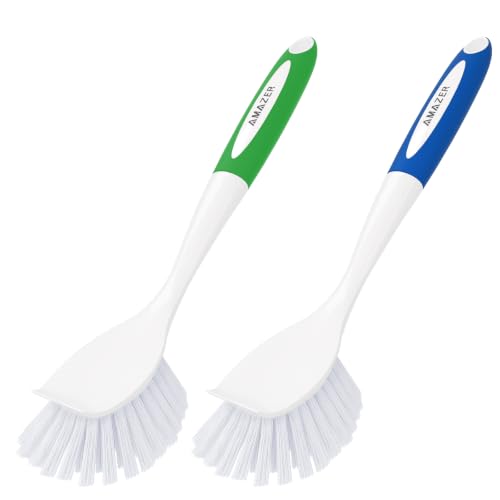
- Scrub brush with stiff bristles
- Steel wool for stubborn crust on unglazed, nonporous, or otherwise durable surfaces
- Bleach
- Rubber gloves
- Eye protection
- Clean rinse water
- Microfiber cloth or towel
- Vinegar for mineral deposits
- Small brush or old toothbrush for stand corners
- Drying rack, porch rail, or other airy spot
How to clean pots, saucers, and stands

-
Empty and rinse first.
Tip out old soil, dead leaves, and loose roots before any wash. This keeps grit from turning into sludge and exposes cracks, residue, and hidden pests. -
Wash with soap.
Scrub pots, saucers, and stand surfaces with dish detergent and hot water. Use a stiff brush on textured clay or rough plastic, and rinse away every trace of soil and runoff. -
Target buildup.
Treat white crust, algae, and mildew with extra scrubbing. Vinegar can help loosen mineral deposits on hard-water residue, but it is for buildup, not disinfection. Steel wool can help on durable, unglazed surfaces when a brush is not enough. -
Disinfect when needed.
If a container held diseased plants or visible pests, use a bleach soak made with 1 part bleach to 10 parts water. Work in a well-ventilated area, wear gloves and eye protection, soak for 10 minutes, then rinse thoroughly. If you need to switch from vinegar to bleach on the same item, rinse it fully first and never mix the two cleaners together. If the pot was only dusty or lightly soiled, soap may be enough. -
Dry everything fully.
Set each item where air moves around it and leave it until completely dry. Do not stack damp pieces, because trapped moisture supports mold and can leave residue behind.
Say your clay pots have a white ring halfway up the inside and a rough film on the outside. A hot soapy wash removes the loose dirt, then a vinegar scrub helps with the mineral ring. If one pot also held a plant with fungus gnat larvae, that pot needs bleach disinfection after washing, not just vinegar.
Do you need to sterilize pots?
Not always. Soap and hot water are enough for many pots that only held healthy plants and ordinary potting mix. Disinfection is worth doing when a pot held plants with obvious disease, soft rot, persistent pests, or a heavy buildup you do not want to carry into the house.
Think of the difference this way: washing removes the grime you can see, while disinfection is for the risk you cannot. Start with soap every time, then decide whether the container needs a stronger step.
When soap only is enough
Use soap only for clean-looking pots, saucers, and stands that had no pest or disease problem. This is usually enough before reuse in a normal winter staging area, as long as every surface is rinsed and fully dry.
When disinfection is worth it
Choose disinfection after disease, visible pests, or a suspect container that will sit near indoor plants for months. Nonporous plastic and glazed ceramic are the best candidates for bleach treatment. Fabric pots should be emptied, rinsed thoroughly, washed with hot soapy water, scrubbed if needed, and air dried; they should not go in the dryer.
Can you use bleach or vinegar?
Yes, but they are used for different jobs. Bleach is the standard disinfecting option for nonporous containers, while vinegar is better for loosening mineral deposits. Vinegar is not a substitute for bleach when you are trying to reduce pest and disease carryover.
Use bleach with care: a common mix is 1 part bleach to 10 parts water, and the soak should be brief enough to disinfect without overexposing the container. Rinse thoroughly afterward. That rinse matters, because residue can damage roots or leave a harsh smell in indoor setups.
Vinegar is useful when white crust from hard water clings to clay, ceramic, or saucers. Scrub after the buildup loosens, then rinse well. If residue remains, repeat the wash rather than leaving it behind.
Pot, saucer, and stand checklist
| Item | Cleaning method | Disinfecting need | Drying time | Storage risk | Bleach or soap only? |
|---|---|---|---|---|---|
| Clay pots | Hot soapy water, stiff brush, extra scrub for salt rings | Bleach if disease or pests were present; otherwise soap only | Air-dry completely before reuse or storage | Porous and can crack from freezing and thawing | Yes for bleach after pests or disease; no for routine soap-only cleaning |
| Plastic pots | Wash with dish detergent, then scrub seams and drainage holes | Bleach is useful if reused after sick plants | Dry fully before stacking or covering | Can hold moisture in seams; cover if stored outside | Yes for bleach after disease; no for ordinary dust and runoff |
| Ceramic pots | Soap and hot water first; scrub mineral crust and runoff marks | Disinfect glazed, nonporous pieces when needed | Dry completely before winter storage | Glaze may hide residue; unglazed parts can crack in freezing weather | Yes for bleach on glazed pieces when needed; no for routine cleaning |
| Fabric pots | Rinse thoroughly, then wash out dirt and salts | Use disinfection only if the material and care instructions allow it | Air-dry completely; do not use a dryer | Trapped moisture can lead to odor and mold | No for bleach unless care instructions allow it; soap and rinse are the safer default |
| Saucers | Wash runoff, mineral deposits, and residue from the lip and bottom | Yes after sick plants or visible contamination | Dry fully before putting pots back on them | Cracks hide residue and hold water | Yes for bleach if needed; no if soap removes all residue |
| Plant stands | Wipe soil, algae, and salt residue; clean feet, casters, and shelves | Usually soap only unless contamination is obvious | Let joints and wheels dry before indoor use | Stability issues can tip pots or leak onto floors | No in most cases; soap is usually enough |
Common mistakes
- Skipping saucers. They collect runoff and salts just like pots do, so they can spread residue back onto clean containers.
- Cleaning the pot but not the stand. Feet, casters, and shelves can hold soil and algae that move indoors with the plant.
- Using bleach and stopping there. Bleach without a prior wash can leave dirt in place, and dirt can shield spores and eggs.
- Leaving damp items stacked. Moisture trapped between pots or under a saucer can cause odor, mildew, and slower drying.
- Storing clay outdoors. Unglazed clay is porous and can crack from freezing and thawing, so keep it indoors for winter if possible.
- Forgetting plastic protection. If plastic pots stay outside, cover them so they do not collect water and grime.
- Reusing unlabeled containers without cleaning. A pot that looks “fine” can still carry residue, pest eggs, or salts.
A common first-timer mistake is to scrub a pot, wipe it dry, and stack it right away. The outside may look clean, but moisture inside the rim can stay hidden. Leave it spread out until it is fully dry, then store it indoors if freezing weather is coming.
Picture a plant stand with two casters packed with grit and salt. The top shelf may look ready, but the wheels can still smear residue across a floor and make the stand wobble. Clean the casters, check the frame for stability, and dry every joint before indoor setup.
Frequently asked questions
How do I clean pots before bringing plants inside for winter?
Start by emptying old soil and debris, then wash the pot with hot soapy water. If the pot held pests or disease, use a bleach solution, rinse thoroughly, and dry completely before moving plants indoors.
Do I need to sterilize pots before reusing them?
Only when the pot held diseased plants, pests, or a contamination problem you do not want to repeat. Otherwise, soap and hot water are usually enough. For reusable containers, the key is removing visible residue first, then deciding whether disinfection is actually needed.
What is the best way to clean clay pots?
Use hot soapy water and a stiff brush to remove dirt, salts, and algae from both sides of the pot. If white mineral buildup remains, a vinegar scrub can help loosen it. Keep in mind that unglazed clay is porous and can crack from freezing and thawing.
Can I use bleach to disinfect plant pots?
Yes, for nonporous pots and saucers that need disinfection. A common mix is 1 part bleach to 10 parts water. Wear gloves and eye protection, then rinse thoroughly after soaking so no residue remains.
How do I remove white mineral buildup from pots?
Scrub first with hot soapy water, then use vinegar on the white crust if it is still there. Vinegar can loosen mineral deposits, but it is for buildup rather than disinfection. Rinse well afterward, especially around drainage holes and rims.
Should I wash saucers and plant stands too?
Yes. Saucers collect runoff and mineral deposits, and plant stands collect soil, algae, and salt residue on shelves, feet, and casters. Wash both with soap and hot water, inspect for cracks or wobble, and dry them fully before setting indoor plants back on top.
How long should pots dry before storage?
They should dry completely before stacking or putting them away. That usually means every surface, rim, seam, and drainage hole feels dry to the touch, with no trapped moisture under lips or inside joints. Full drying helps prevent mildew, odor, and hidden residue from staying active in storage.
What exactly should I clean on a plant stand?
Clean the top shelf, lower shelves, legs, feet, and casters, plus corners and joints where soil and algae collect. Wipe off salt residue and runoff marks, then check the stand for wobble or damage before bringing it indoors. Drying those contact points matters because moisture can spread grime onto floors and pots.
How do I keep clay pots from cracking over winter?
Keep unglazed clay out of freezing and thawing cycles whenever possible. Clean it, dry it fully, and store it indoors so water trapped in the pores does not expand in cold weather. If clay must stay outside, protect it from water and repeated freezing conditions.
Can potting soil be reused when moving plants indoors?
Only if the soil came from healthy plants and is still in good condition. Remove old roots, leaves, and obvious debris before reuse, but do not carry over mix that had pests, rot, or disease problems. Fresh or refreshed potting mix is the safer choice when the plant is moving into a cleaner indoor setup.