When to Repot Before Winter and When to Leave Plants Alone
Repot before winter only if roots circle hard, the mix stays soggy or packed, or the pot tips easily; otherwise wait for spring. Repotting at the wrong time can slow growth, invite rot, or leave tender roots exposed to cold stress. This guide shows which plant, root, and soil signs justify repotting now, and which plants should stay put until warmer weather.
Signs your plant needs repotting now


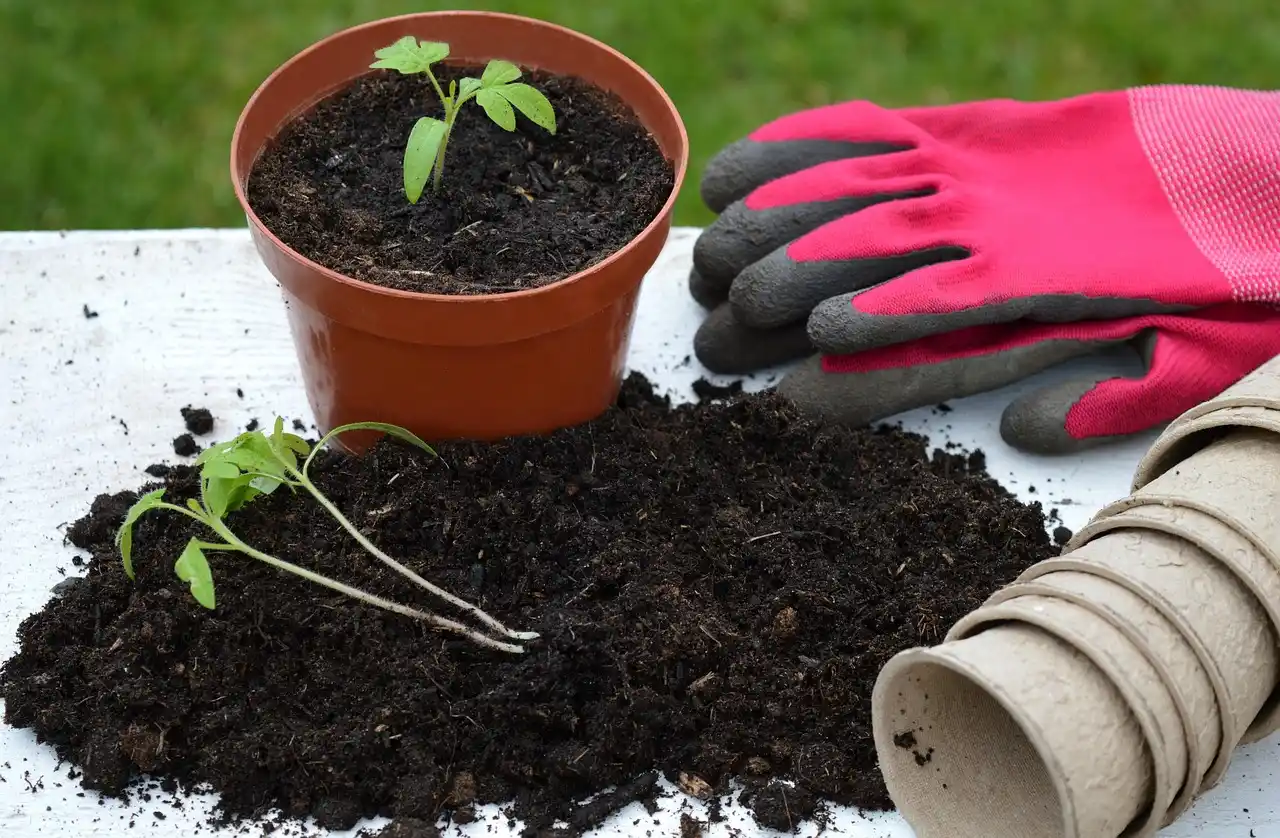
Repotting before winter can help when the potting mix has broken down, the root ball is packed tight, or a plant needs a safer container before it comes indoors. It is usually a mistake when the plant is dormant, already stressed, or only mildly root-bound. Winter timing matters because short days slow recovery.
Read the plant before you repot
The safest move depends on three things: root condition, soil condition, and species behavior. A plant with active roots, a failing mix, and no major stress is a stronger candidate than one that is already dropping leaves, drying back, or pausing growth for the season.
Tender tropicals often handle a careful repot better than woody plants that slow down in fall. Herbs can usually take a light size change if they are still growing, while many perennials and woody plants do better if you leave them alone until spring unless the potting mix has broken down or the plant is rootbound enough to push itself out of the container.
Root-bound signals
Repot now if roots are circling the inside of the pot, growing out of the drainage holes, or forming a tight mat that makes watering run straight through. A root ball that lifts out as a solid cylinder and leaves very little loose mix behind is another strong sign.
A small amount of visible root at the surface is not enough by itself. Look for a container that dries too fast on top but stays dense and hard inside, because that usually means the root mass has filled most of the usable space.
Soil and moisture signals
Repotting before winter makes sense when the mix stays soggy for days, collapses into a compact layer, or no longer soaks up water evenly. Healthy potting soil should let water pass through while still holding enough moisture for roots to use between waterings.
If water pools on top, then drains in a rush, the structure is breaking down. If the pot feels heavy for too long and the lower root zone stays wet, winter brings a higher rot risk because the plant is using less water and recovering more slowly.
Species that usually wait until spring
Many plants with a winter slowdown should wait. Dormant perennials, many woody plants, and any species that naturally rests in cooler or darker months are often better left in place unless the current pot is failing badly.
Freshly bought plants are a special case. Some can be shifted into a better container right away, but a plant that has just changed light, temperature, and humidity may need a few days of acclimation first unless the root ball is unstable or the mix is waterlogged.
When winter timing raises transplant risk
Winter repotting raises risk when the plant must also adapt to lower light, indoor heat, and a different watering pattern. Roots slow down, so a large disturbance can leave the plant unable to take up water fast enough. That is how a minor transplant turns into leaf drop, stalled growth, or stem decline.
Cold exposure adds another layer of risk. If a plant was outside and the roots are chilled, repotting and moving indoors on the same day can be too much for tender species, especially if the soil stays wet after the move.
When to repot now
Repot now if the plant is a fresh store-bought specimen that is already rootbound, if pests are living in the mix, or if the root ball is so crowded that watering fails. Those are the cases where waiting can do more harm than a careful change.
A pot that tips easily, cracks under root pressure, or dries out in a day or two can also justify an immediate move. In that case, the goal is not a major upgrade. It is to give the roots a stable, healthy container before winter stress begins.
When to wait until spring
Wait until spring when the plant is dormant, slowing down, or still adjusting to a new indoor spot. Winter repotting is hardest on plants that have already lost leaves, paused growth, or shown stress after a move indoors. In those cases, the safest choice is usually to leave the root ball undisturbed.
Dormant or slowing plants
If growth has already slowed and the plant is no longer pushing new leaves or stems, repotting now may do more harm than good. The roots will be less active, and the plant may sit in wet soil longer than it should. That is a poor setup for winter.
Some species expect a seasonal rest. For those plants, a spring repot lines up better with active root growth and faster recovery.
Stressed plants after move-in
Hold off if the plant is dropping leaves, bleaching in bright indoor light, wilting after watering, or showing crisp tips from a sudden humidity change. Those symptoms point to an adjustment problem, not a container problem. Let the plant settle before adding another disruption.
A common first-timer mistake is to repot as soon as a plant looks unhappy indoors. If the root ball is still sound and the mix is usable, a steadier light setup and a better watering rhythm may solve the issue without touching the roots.
Plants that are already recovering
If a plant has just come back from heat, shipping stress, overwatering, or pruning, wait. Recovery uses energy. A second change can slow that process or reopen damage in the roots and stems.
Leave it alone until new growth is steady and the plant is handling its current pot well. Then repot in spring, when root activity is higher and the plant can replace disturbed roots faster.
When to leave plants alone
Leave a plant alone when it is already stressed, recently moved, or dealing with damaged roots. The best winter decision is often restraint. A plant that is coping with one problem should not be forced to solve two at once.
That includes plants that were recently divided, recently acclimated to a new room, or moved from outside to inside with no sign that the root ball is failing. If the pot is still functional, the mix is draining, and the plant is steady, spring is the safer target.
Winter repotting decision table
| Plant state | Repot now | Wait until spring | Leave alone |
|---|---|---|---|
| Root-bound plant | Trigger signals: roots circling hard, growing from drainage holes, pot dries too fast, or the container is unstable. Why: the root mass has likely outgrown the pot and the plant is already losing moisture too quickly. | Trigger signals: only mildly tight, but growth has slowed and the mix still drains well. Why: the roots are crowded, but the pot is still functional and winter recovery will be slower. | Trigger signals: roots are a little crowded but the plant is healthy and watering is normal. Why: the plant can usually stay put until spring without added stress. |
| Fresh store-bought plant | Trigger signals: mix is soggy, compacted, or the plant arrived pot-bound and tipping over. Why: the container is already failing, so a careful move may prevent rot or collapse. | Trigger signals: plant is new indoors and showing mild adjustment stress, but the root ball is stable. Why: it may need time to acclimate before another change. | Trigger signals: plant is settling in, the pot is fine, and the mix is still performing well. Why: leaving it alone avoids stacking transplant shock on top of indoor acclimation. |
| Stressed plant | Trigger signals: only if the potting mix is failing or roots are exposed and damaged. Why: a failing container can worsen the problem faster than a careful repot. | Trigger signals: plant is wilting, dropping leaves, or recovering from another change. Why: the plant needs stability first, not another root disturbance. | Trigger signals: plant is already under stress from light, temperature, or humidity shifts. Why: the safest choice is to reduce variables and let it settle. |
| Dormant plant | Trigger signals: rarely, and only if the pot is failing or roots are rotting. Why: active intervention is justified only when the container itself is a problem. | Trigger signals: most dormant or slowing plants should wait for active growth. Why: spring gives roots a better chance to recover quickly. | Trigger signals: plant has a healthy pot, sound roots, and no urgent container problem. Why: dormant plants usually do better undisturbed. |
| Plant with pests | Trigger signals: pests are in the soil or root zone and the infestation needs a clean restart. Why: repotting can remove the worst of the problem and reset the root environment. | Trigger signals: top-growth pests may be treated first if the root ball is otherwise healthy. Why: if the roots are fine, a less disruptive fix may be enough for now. | Trigger signals: small, contained issue that can be treated without disturbing roots. Why: unnecessary repotting can stress a plant that is otherwise stable. |
What size pot and prep should you use?
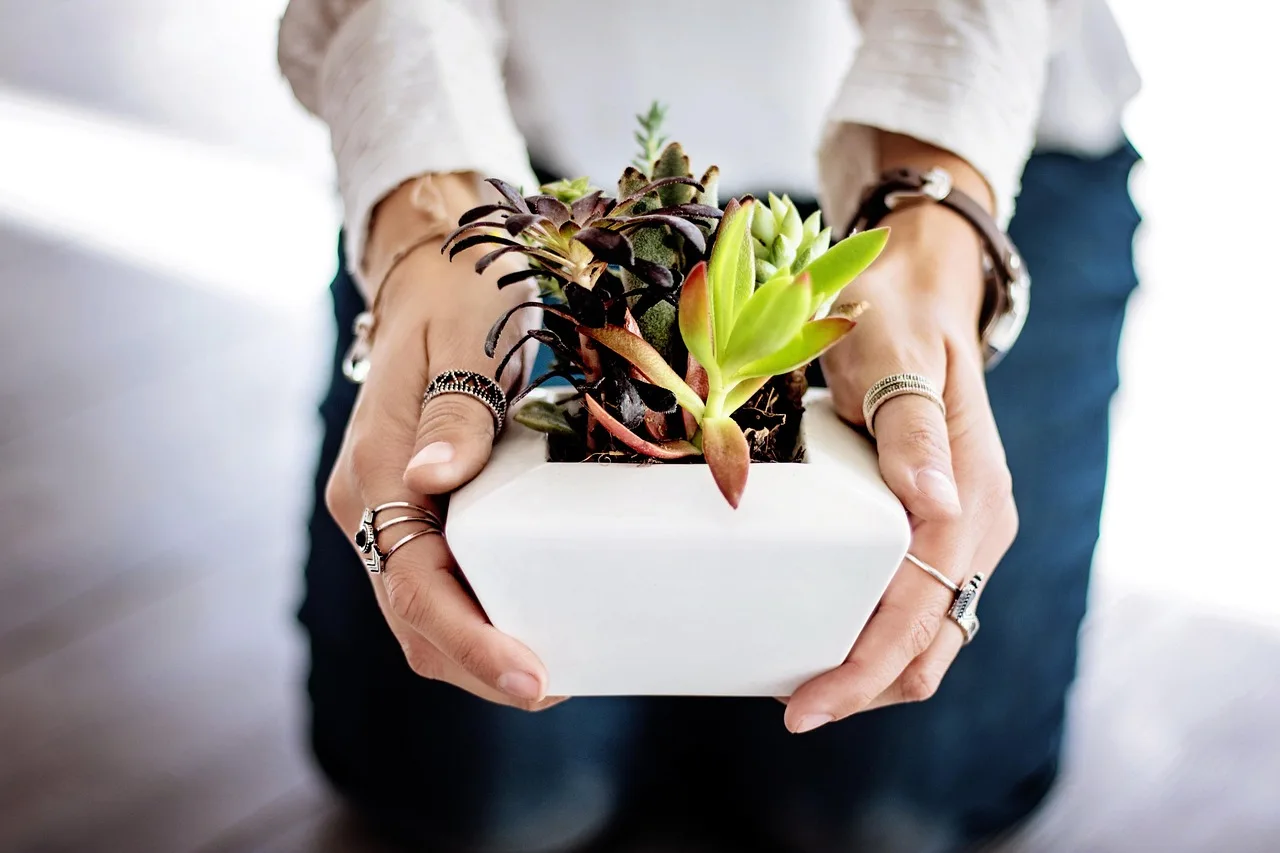
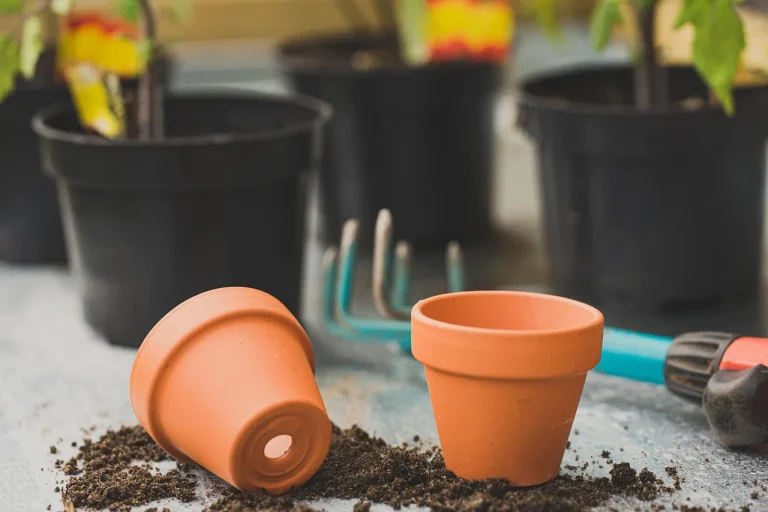
Choose a pot that is only slightly larger than the current one. A container that is 1 to 2 inches larger in diameter and 1 to 2 inches deeper gives roots room without leaving too much wet soil around them. Oversized pots stay wet too long and slow root fill. wikihow.com
Drainage holes and soil flow
Drainage holes are required. They let excess water drain out instead of sitting in the bottom, which lowers root rot risk. Water should pass through the soil, not pool under the root ball.
If the plant has to sit in a decorative cachepot, use a nursery pot with holes inside it and empty any runoff after watering. The key is to keep the root zone moist, not waterlogged.
Reused pots and terracotta prep
Reusable pots should be disinfected before planting. A bleach solution can be made with one part bleach and nine parts water, and the pot should soak for at least ten minutes. Rinse it well and let it dry before filling it with mix.
Terracotta is porous and can absorb water easily, so soak terracotta pots in water for a few hours before use. That keeps the pot from pulling moisture out of the new mix and the plant too fast right after potting.
-
Check the pot first.
Make sure the new container has drainage holes and is only a little larger than the old one. A pot that is too large leaves too much wet mix around the roots. -
Prepare reused containers.
Disinfect old pots with one part bleach to nine parts water, and let them soak for at least ten minutes. Rinse thoroughly so residue does not touch the root ball. -
Soak terracotta in advance.
Put terracotta in water for a few hours before potting. That reduces how much moisture the clay steals from the fresh mix. -
Cover the drainage holes.
Use a paper towel or a coffee filter if you need to keep soil from escaping through the holes. The cover still has to let water pass through. -
Set the plant gently.
Remove only loose outer mix and keep root damage to a minimum. Disturbing fewer roots lowers transplant shock. -
Water with restraint.
Moisten the soil so it settles, then stop before the pot becomes saturated. The goal is even moisture, not a soaked container that stays heavy all winter.
Say your basil is still growing in about a 4-inch pot in early October, but water runs straight through and roots are visible at the drainage holes. A move to a 6-inch pot with drainage holes can be worth it now because the plant is actively growing and the root ball already fills the container.
Suppose a peace lily came inside last week and now droops for a day after every watering, even though the mix still drains. In that case, repotting is usually not the first fix. Let it acclimate first unless the soil has turned compacted or sour.
Drainage hole covers
A paper towel or coffee filter can cover the drainage holes if it still lets water pass through. The barrier helps keep soil from escaping while the plant settles into its new pot. Do not block the holes with anything waterproof.
This matters more in winter because the potting mix should stay airy enough for roots while not washing out every time you water. A thin, porous cover supports that balance without trapping runoff.
Frequently asked questions
Should I repot my plant before bringing it indoors for winter?
Only if the root ball is crowded, the soil is breaking down, or the current pot is unsafe. If the plant is healthy and only slightly tight, bring it inside first and wait for spring. That reduces the chance of adding repotting shock to indoor acclimation stress.
How do I know if a plant needs repotting before winter?
Look for roots circling the pot, roots coming out of drainage holes, soil that stays soggy, or a container that dries too fast, which may mean the root mass has filled it. Those signals matter more than pot age. A healthy plant in decent mix can usually wait.
Is it better to repot before dormancy or wait until spring?
It is better before dormancy only when the plant is still active and the container is failing. For dormant or slowing plants, spring is usually safer because roots can recover faster then. Winter repotting is generally best reserved for clear problems, not routine refreshes.
Can I repot a plant and bring it inside the same day?
Yes, if the plant is healthy, the root disturbance is light, and the move indoors is not itself a shock. If the plant is already stressed, newly arrived, or cold-chilled, separate the jobs when possible. Give tender plants a steadier transition before disturbing the roots.
How much bigger should the new pot be?
Choose a pot that is 1 to 2 inches larger in diameter and 1 to 2 inches deeper than the current pot. Bigger is not better here. Oversized pots keep too much soil wet, which slows root growth and raises rot risk in winter.
Do indoor winter plants need drainage holes?
Yes. Drainage holes are recommended so excess water can leave the pot instead of sitting in the bottom. That reduces the chance of root rot and helps the mix stay airy enough for roots. A pot without holes is a poor choice for most winter repotting jobs.
Which terracotta pot should I choose?
Choose terracotta when you want faster drying, better air exchange, and a pot that helps prevent overwatering. It is a strong choice for plants that hate wet roots. Soak it first so the clay does not wick moisture from the new mix right after potting.
How do I disinfect an old pot?
Wash off old soil first, then soak the pot in a bleach solution made from one part bleach to nine parts water for at least ten minutes. Rinse it well and let it dry before reuse. That lowers the chance of carrying over disease, pests, or residue into the fresh potting mix.
What is the safest low-shock repotting method?
The least shocking method is to size up only slightly, disturb as few roots as possible, and keep the root ball intact. Move the plant into the new pot, backfill gently, and water only enough to settle the mix. That limits stress while still improving drainage and space.
When should I leave a plant alone?
Leave it alone if it is already stressed, recently moved, or still recovering from another change. A plant that is coping with cold, low light, shipping, pruning, or a new room usually does better with stability than with a winter repot. Spring is the safer choice unless the pot is failing.