How to Make Houseplant Soil Drain Better
To make houseplant soil drain better, first check that the pot has drainage holes, then repot into a faster-draining mix with about 20% to 50% perlite, pumice, or bark, depending on the plant. If you guess wrong, wet roots can suffocate, rot, and leave you chasing yellow leaves instead of fixing the real cause. This guide shows how to diagnose slow drainage, match the fix to your plant and pot, and avoid making soggy soil worse.
Why your potting mix stays wet


Slow dry-down usually starts in one of three places: the container, the mix, or the roots. A houseplant potting mix is a sterile soilless growing medium, so judge it by how water moves through the pot, not by garden-soil rules.
Check the container first
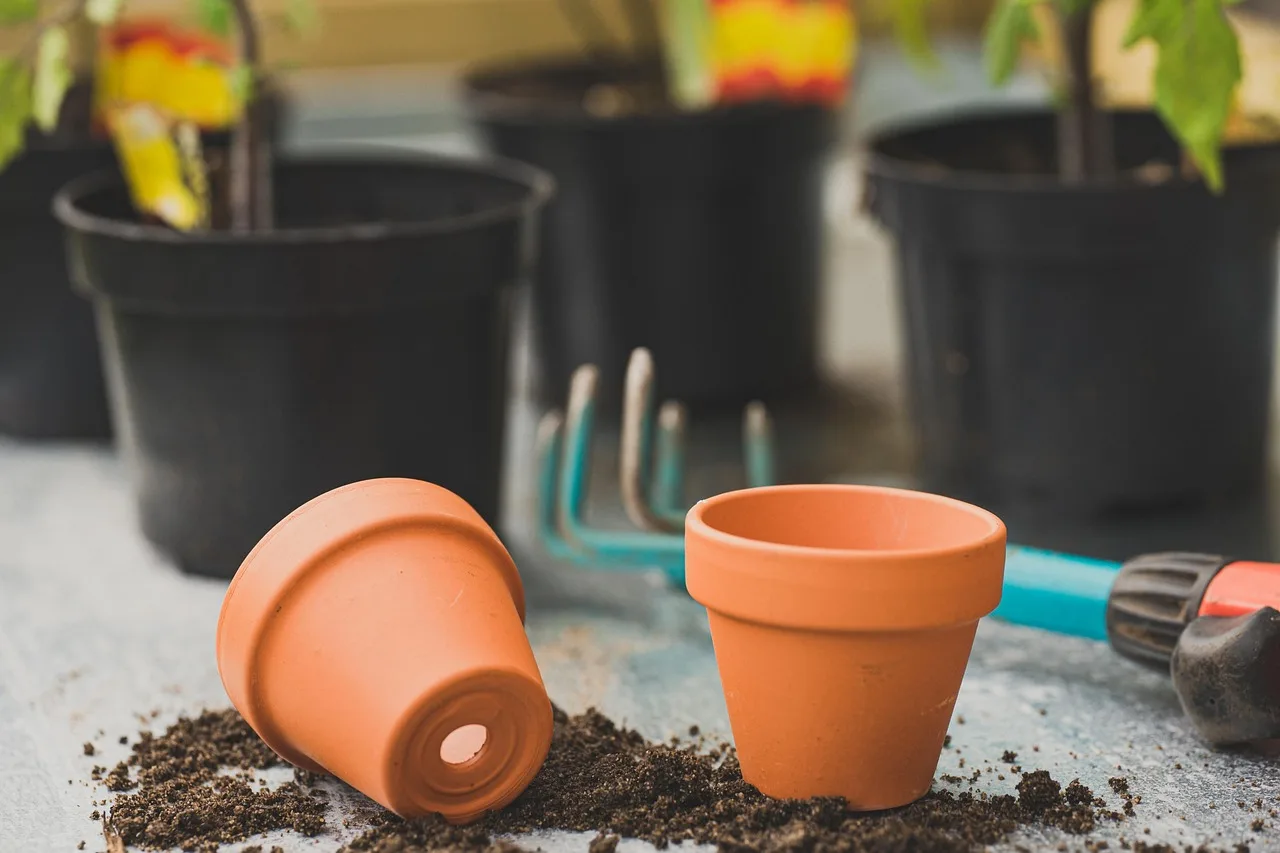
Drainage holes are the first thing to verify. If a pot has no hole, or the hole is blocked by a saucer, cachepot, roots, or compacted debris, water has nowhere to escape and the lower layer can stay saturated for too long.
Also check container size. Oversized pots can hold a larger wet zone around the root ball, so the mix may dry slowly even when the top looks fine. When repotting, one size up is usually enough.
Look at the mix structure
Old potting mix can break down, compact, or turn hydrophobic after drying out too hard. That changes the pore space roots need for air. A mix that once drained well may later repel water on the surface while still staying wet below.
Check the roots before changing everything
If leaves yellow, the plant wilts while the mix stays wet, and roots look mushy or brown instead of firm, root rot may already be part of the problem. In that case, changing only the watering schedule will not solve it; damaged roots need cleanup and fresh mix.
Houseplant soil drain matrix
| Scenario | Recommended mix ratio | Pot correction | Rescue step |
|---|---|---|---|
| Aroid, such as monstera or philodendron | 50% potting mix, 25% orchid bark, 25% perlite or pumice | Use a pot with drainage holes and only one size up | Slide out the plant, loosen the outer root ring, and refresh the old mix |
| Succulent or cactus | 30% potting mix, 35% pumice, 35% perlite or coarse grit | Choose a shallow pot with a fast dry-down | Remove any wet, dense bottom layer and replace it fully |
| Fern or moisture-loving plant | 70% potting mix, 15% coco coir, 15% perlite | Keep a pot with drainage holes, but avoid an oversized container | Refresh the top two-thirds if the old mix is still springy but slow |
| Root-rot recovery | 40% potting mix, 30% bark, 30% pumice | Downsize if the root mass was reduced a lot | Trim damaged roots before repotting into clean mix |
| Oversized pot correction | 60% potting mix, 20% bark, 20% pumice | Move to a smaller pot or one size up at most | Repot before adding more water-retentive material |
| Compacted old mix rescue | 50% fresh potting mix, 25% perlite, 25% bark or pumice | Keep the same pot only if it already drains well | Replace the old mix instead of top-dressing it |
-
Assess the pot.
Remove any cachepot and check for open drainage holes, then empty the saucer after watering. If water pools beneath the container, the root zone stays wet even when the top layer looks dry. -
Inspect the mix.
Push a finger or wooden probe into the root zone. If the mix feels dense, stale, or stays wet for days, the structure is too tight for the plant’s needs. -
Check the roots.
Slide the plant out and inspect root color and texture. Healthy roots are firm; root rot usually shows as mushy, brown, or sloughing roots that need to be cut away.
Say your 4-inch fern sits in a cachepot with no visible drain opening and the mix stays wet for a week. Fix the container first, then use a moisture-retentive mix with only a modest amount of perlite, because the plant’s issue is poor container drainage, not a need for a desert-style blend.
Suppose a 6-inch succulent is in a deep nursery pot that is two sizes larger than its root ball. Even a sharp mix can stay soggy at the bottom. Moving it to a smaller pot with a much grittier blend does more than adding another handful of amendment to the same oversized container.
Can you just add sand?
Fine sand is not usually a default drainage fix for containers. In potting mix, it can pack into the gaps between particles and make compaction worse, especially in pots with limited airflow or in mixes that already contain a lot of fine material.
When sand makes compaction worse
If the existing mix is peaty, dense, or already old, adding fine sand can tighten the pore structure rather than open it. That slows dry-down and reduces air around roots, which is the opposite of what most indoor plants need.
When coarse mineral grit is different
Coarse grit, pumice, or chunky mineral material behaves differently from fine sand. Those particles keep larger air spaces between them. That makes them useful in succulent and aroid mixes, where airflow matters as much as drainage speed.
Better substitutes for containers
For most houseplants, use perlite, pumice, orchid bark, or a careful blend of those materials instead of sand. The right amendment depends on how fast the plant should dry and how much moisture the roots can tolerate.
What to add for better airflow
Perlite, pumice, coco coir, and orchid bark are not interchangeable. Each changes water movement and air space in a different way, so the best choice depends on the plant and the size of the pot.
Perlite versus pumice
Perlite is a lightweight volcanic glass. It creates air pockets and improves drainage, and many houseplant mixes use it at about 10% to 50% by volume. Its dust should be dampened or handled carefully so it does not become airborne.
Pumice is a porous volcanic rock. It does the same job in a heavier form, so it stays in place better and does not float as much during watering. That makes it useful in chunky aroid and succulent mixes where stability matters.
Coco coir as a moisture base
Coco coir is a peat alternative that holds more moisture than bark or perlite. It works well as part of an indoor potting base, but it should be balanced with drainage materials if the plant dislikes staying wet for long periods.
Orchid bark for chunkier mixes
Orchid bark adds macropores that let air move around roots. It is a strong choice for epiphytes and aroid-style mixes. It does break down over time, so older bark-heavy mixes need refreshing sooner than mineral-heavy ones.
How much amendment should you use?
The right amount depends on how much water the plant should hold between waterings. A mild correction can use a small amendment shift, while succulents and fast-draining tropical mixes need much more air space.
10 to 20 percent for mild correction
Use a 10% to 20% amendment rate when the plant already dries at a reasonable pace but needs a little more airflow. This range suits many ferns, herbs, and common tropical houseplants that dislike standing water but do not want a very gritty blend.
20 to 40 percent for most indoor mixes
A 20% to 40% amendment rate is a practical range for many indoor plants with moderate watering needs. This is where perlite, pumice, and bark start doing real work without turning the mix too lean.
40 to 50 percent for fast-draining mixes
Use about 40% to 50% drainage amendment for succulents, cacti, and other plants that need very quick dry-down. In those cases, a mix with more mineral material and less moisture-holding base is usually safer than a rich, dense blend.
When should you repot instead of amending?
Repot instead of patching the old mix when the substrate is collapsed, hydrophobic, or badly contaminated by rot. Amending the same broken structure often leaves the wettest layer in place, which means the plant keeps sitting in the same problem.
Hydrophobic or collapsed old mix
If water runs down the sides of the pot or beads on top while the center stays dry, the old mix may have become hydrophobic. If it shrinks away from the pot wall or feels like hard dust, replace it rather than trying to stir in a fix.
Severe root rot
If roots are mushy, dark, or smelly, trim the damaged parts before repotting. A pot full of fresh mix cannot save roots that are already failing, and leaving them attached can spread decay through the plant.
Pot is too large for the root ball
If the container is much bigger than the remaining roots, the excess mix holds water for too long. Move down to a better fit or choose only one size up, then fill the new pot with a mix matched to the plant’s watering pattern.
-
Trim damaged roots.
Use clean snips to remove mushy, brown, or hollow roots. Keep firm, pale roots whenever possible, because those are the parts still able to support recovery. -
Refresh the mix.
Discard the old compacted medium and repot into a formula that suits the plant. Aroid plants need more bark and perlite; succulents need a faster, grittier blend. -
Reset watering habits.
Water thoroughly, then let the pot drain completely and wait until the mix begins to dry at the depth the plant prefers. Empty saucers every time so the bottom layer does not sit in runoff.
How to tell if bad drainage is causing root rot
Bad drainage often shows up as persistent wet soil, yellowing leaves, and roots that turn soft instead of firm. If the plant looks thirsty while the mix still feels damp, the issue is usually oxygen loss at the roots rather than a need for more frequent watering.
A common first-timer mistake is to water less and leave the plant in the same dense mix. That can reduce runoff, but it does not restore air space if the pot is oversized or the medium has collapsed. The safer move is to diagnose the container, then change the structure when needed.
Frequently asked questions
Why does my potting soil stay wet for so long?
Slow dry-down usually comes from a mix of poor drainage holes, an oversized pot, and a mix that holds too much water or has compacted over time. If the roots are already stressed, the plant may drink less too, which makes the soil stay wet even longer.
What is a good draining potting soil?
A good draining potting soil is a sterile soilless mix with enough structure to let water move through while still matching the plant’s moisture needs. For many indoor plants, that means a base of potting mix plus perlite, pumice, bark, or coco coir in the right proportion.
How much perlite should I mix into houseplant soil?
For many houseplants, 10% to 20% perlite is enough for a mild drainage boost. More moisture-sensitive plants often do better at 20% to 40%, while very fast-draining mixes for succulents can use up to 50% amendment by volume.
When should I repot a plant instead of fixing the soil?
Repot when the old mix is compacted, hydrophobic, or so wet that the roots are at risk of rot. If the container is too large for the root ball, or the root system has already been damaged, replacing the mix and fitting the pot correctly is more effective than amending in place.
What mix drains fastest for succulents versus tropical houseplants?
Succulents usually need the fastest mix, with a high share of pumice, perlite, or coarse grit and far less moisture-holding material. Tropical houseplants often need more bark or coir and less mineral material, because they want airflow without drying out too fast.
How do I tell if bad drainage is causing root rot?
Look for wet soil that never seems to dry, yellowing or limp leaves, and roots that are brown, mushy, or hollow when you inspect them. If the pot drains poorly and the plant still looks thirsty, root rot is a strong possibility and damaged roots need to be removed before repotting.
Can I just add sand to potting soil to improve drainage?
Fine sand is usually a poor choice for container drainage because it can compact the mix and reduce air space. Coarse mineral amendments such as perlite or pumice are better options for most houseplants, especially when the goal is faster dry-down without sealing the root zone.