Should You Prune Plants Before Bringing Them Inside for Winter?
Prune before moving plants indoors only if you need to cut size, remove dead or broken growth, or clear pests. If none of that applies, wait until after the move or until the plant’s dormant-pruning window. Poor timing can lead to weak regrowth, stress, or an indoor space problem you could have avoided. This guide shows which plants to cut back, which to leave alone, and how to decide fast.
Prune only when the plant is too big, damaged, or has pests


Only prune when the cut helps the move: the plant is too large for its indoor spot, has dead or damaged growth, or needs pest cleanup. If the plant is healthy and fits inside as-is, major cuts are usually better after it settles indoors or during its normal pruning window.
Cold timing matters. A dip below 50°F (10°C) is a common move-in signal, many plants start to stress near 45°F (7°C), and a frost warning is the last call. A single frost can damage tender plants if they stay out too long.
What you’ll need before you prune
- Clean hand pruners or scissors
- Rubbing alcohol or another tool sanitizer
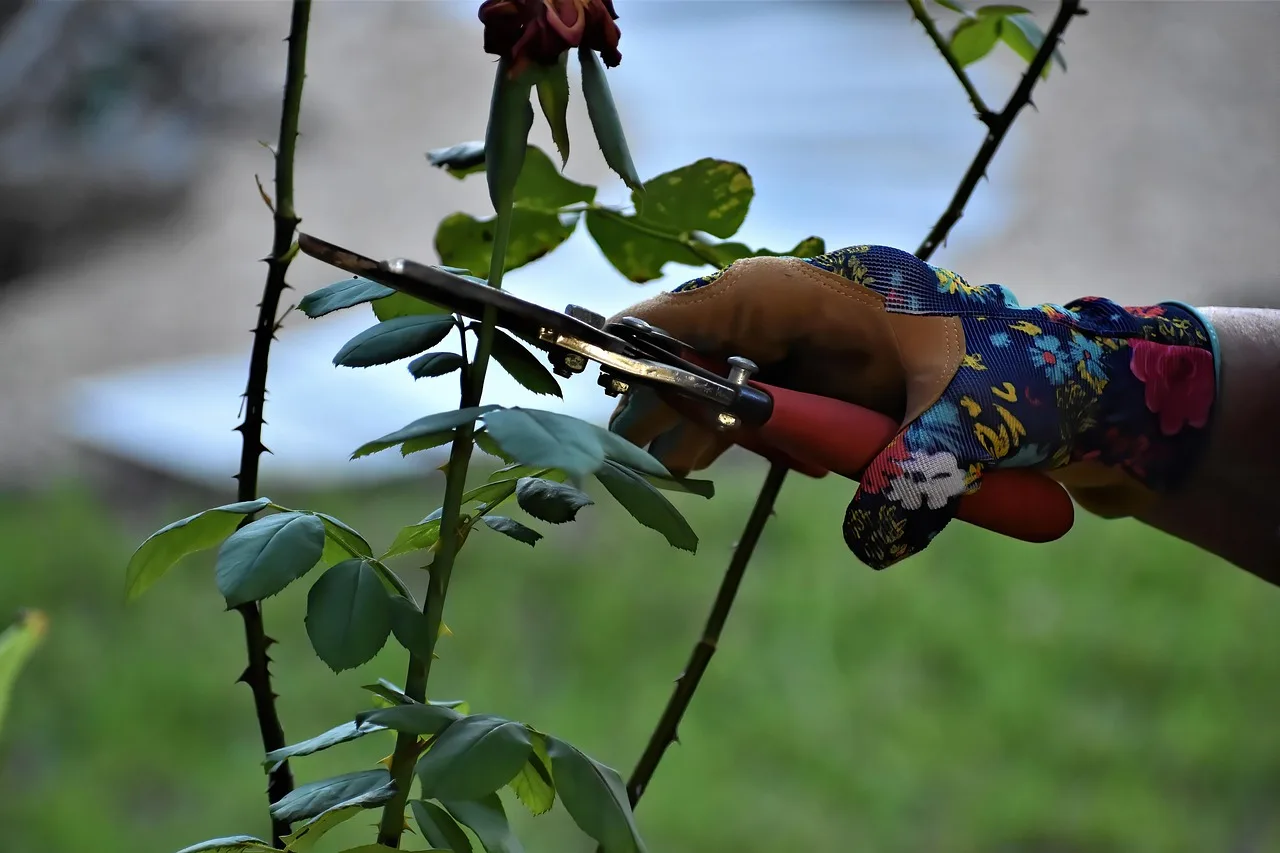
- Gloves for thorny or sticky stems
- Trash bag or compost bin for cut material
- Bright indoor spot or grow light ready before the move
- Optional: pebble tray or humidifier for drier rooms
- Fresh, well-draining mix and a pot with drainage holes, if repotting is truly needed
How much should you prune before the move?
Start with dead, damaged, or diseased growth. Then trim only enough to fit the plant indoors or reduce breakage during the move. Leave plants that need dormant pruning alone unless that pruning window is the right one for that species.
- Remove damaged growth first. Cut back dead leaves, snapped stems, and clearly diseased sections. Make each cut to healthy tissue with sanitized tools so you do not spread problems from one cut to the next.
- Trim for indoor space. Shorten only the parts that will hit a window, scrape a wall, or break in transit. Keep the plant’s basic shape whenever possible, because a hard cutback can force weak regrowth right before winter.
- Leave dormant plants alone. If a plant normally gets pruned while dormant, wait for that window after the move or after the plant has settled. Forced pruning at the wrong time can reduce bloom buds or delay recovery.
Prune, tidy, or leave alone?
| Plant type | Indoor overwintering method | Prune severity | What to remove | What not to remove | Main risk of over-pruning |
|---|---|---|---|---|---|
| Tropical houseplants | Active growth in bright window or grow light | Light tidy-up | Dead, yellow, or broken leaves; crowded tips that block light | Healthy mature leaves that feed the plant | Slower recovery and sparse growth |
| Herbs | Active growth indoors in bright light | Light to moderate cutback | Flower stalks, leggy stems, damaged tips | Enough foliage to keep growing; woody base on long-lived herbs | Weak regrowth or dieback from cutting too hard |
| Rosemary | Bright, cool indoor spot | Very light tidy-up | Dead tips and broken stems | Green, leafy stems with some active growth | Cutting into old bare wood that may not resprout well |
| Tropical hibiscus | Active overwintering indoors | Light tidy-up only before move-in | Dead or rubbing stems, spent flowers, pest-damaged leaves | Healthy green growth and any buds you want to preserve | Loss of flowering growth and extra stress |
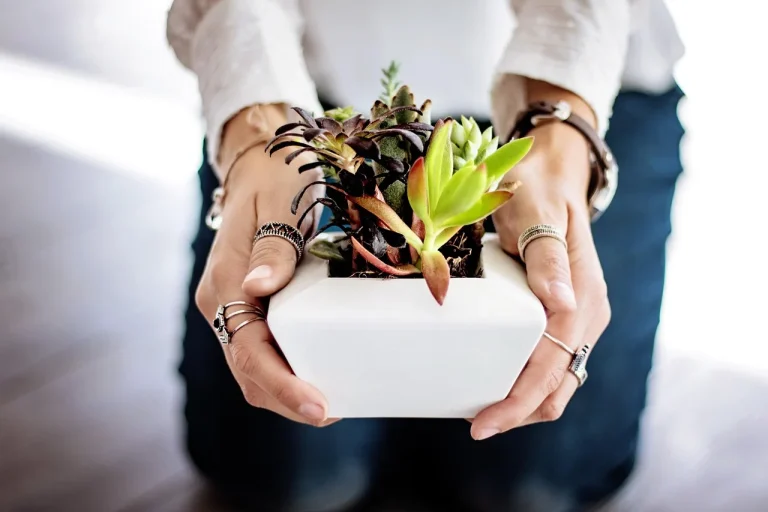
| Succulents | Bright, drier indoor rest | Usually leave alone | Dead lower leaves and damaged tissue only | Firm, healthy rosettes and stems | Rot, scarring, or an awkward shape that invites overwatering |
| Figs | Dormant or cool storage for some types | Leave alone before move-in | Only broken or diseased wood | Main framework until dormant-pruning time | Sap bleed and loss of next season’s structure |
| Geraniums | Active indoors or stored for dormancy | Moderate tidy-up | Long, bare stems and damaged growth | Healthy nodes and green sections that can keep growing | Weak, lanky regrowth |
| Peppers | Active indoors under strong light, or propagated as cuttings | Light to moderate cutback | Flowers, fruit, dead leaves, pest-damaged growth | Healthy stems and node points for regrowth | Setback from pruning too close to cold stress |
| Coleus | Active indoors as a colorful foliage plant or cuttings | Light to moderate cutback | Flower spikes and floppy tips | Healthy leaves if the plant is moving inside near 50°F | Stall from removing too much foliage at once |
| Woody shrubs in containers | Active or cool overwintering, species-dependent | Leave alone unless damaged | Only broken, dead, or diseased wood | Framework needed for spring structure or bloom | Loss of flowering wood and slower recovery |
Which plants should be pruned before moving indoors?
Prune plants that are too large for the doorway, hallway, or window you have indoors, and plants with dead, broken, or pest-hit growth. Tender annuals and tropicals usually need only a tidy-up, while some plants are better kept as cuttings or left to enter dormancy with minimal cutting.
Suppose a coleus that is about 24 inches tall is headed for a sill that is about 12 inches wide. Remove the tallest, floppy stems and any flowering tips, but keep enough leaf area for recovery under a bright window or grow light. A hard cut to a few bare stubs can slow the transition.
Plants that often need a trim
- Tropicals and tender annuals: trim to fit the space, remove damaged growth, and clear pest hiding spots.
- Herbs and coleus: shorten leggy growth so the plant stays compact under indoor light.
- Geraniums and peppers: reduce top-heavy stems that can break during the move.
- Container plants: prune only enough to fit the pot and canopy through doors and windows.
What plants should not be pruned before overwintering indoors?
Do not prune plants that depend on their current stems, buds, or dormancy pattern to make it through winter. That includes many woody shrubs, figs before their dormant window, and any plant already stressed by cold or pests unless the cut removes a clearly damaged section.
For some plants, pruning now removes tissue that supports winter survival or spring bloom. For others, a hard cut before the move can trigger soft regrowth just as light levels drop indoors.
Leave these alone unless there is damage
- Figs that will be stored cool or pruned later while dormant
- Woody shrubs with a clear dormant-pruning schedule
- Healthy succulents that already fit the indoor space
- Any plant that is cold-shocked, wilted, or still fighting pests
How to prune plants before bringing them indoors
Inspect first, then cut. Look at the undersides of leaves and the pot before you prune, because pests often hide in both places. If insects are found, treat them before the move, then quarantine the plant indoors for about 7–10 days so one problem does not spread to the rest of your collection.
- Inspect for pests. Check leaf undersides, stem joints, and the pot rim for eggs, webbing, sticky residue, or small insects. If pests are present, clean them up before you make major cuts so you do not spread them with your tools.
- Make clean cuts. Use sanitized pruners and remove only the growth that truly needs to go. Clean cuts are usually fine if the plant is dried promptly and the tools are clean.
- Move to brighter light. Put tender plants in a bright window or under a grow light right away. Many plants need that stronger light to reduce shock after the move.
- Adjust water slowly. Water less in winter. For many houseplants, wait until the top inch dries before watering again; succulents need drier intervals and should not sit in wet mix.
- Quarantine new arrivals. Keep incoming plants apart for 7–10 days and check them again. That short delay catches pests that were missed before the move.
A common first-timer mistake is pruning hard, then moving a cold-stressed plant straight into a warm room with dry air. A better sequence is pest check, light tidy-up, move, then observe for a week before making another cut.
If that didn’t work, try this next
If a plant still looks stressed after a light prune and move, make the next change smaller, not bigger. Increase light first, then adjust water, then consider a second trim only if a stem is clearly damaged or the plant is still too large for the space.
- Increase light exposure. Move the plant closer to a bright window or turn on the grow light for the hours recommended for your model.
- Check the roots. If the pot dries fast or the plant is clearly rootbound, repot only if the container is too small and the plant is otherwise stable.
- Repot with care. Use fresh, well-draining mix and a pot with drainage holes. Skip repotting if the plant is already stressed and the root ball is not crowded.
Common mistakes to avoid
Most overwintering failures come from cutting too much, moving too late, or changing too many conditions at once. Keep the move simple: trim only when the plant needs it, bring it inside before frost, and give it steadier light and drier soil after the transition.
- Pruning after frost exposure instead of before it
- Cutting healthy growth just to make the plant look neat
- Repotting and pruning together when the plant is already stressed
- Skipping pest checks on leaf undersides and the pot rim
- Placing plants in drafty spots or right over heat vents
- Keeping the soil wet through winter rest
Humidity, temperature, and winter care
Indoor winter air is often dry. A target of about 40–60% humidity is commonly used for many overwintered plants, and pebble trays or humidifiers can help support that range without soaking the soil. Keep plants away from cold drafts and heat vents, because both can dry foliage faster than the roots can recover.
Some plants are better treated as active growers indoors, while others should be forced into dormancy for a few months of cool storage, depending on the species. Indoor citrus does best in a bright room between 55 and 70 degrees Fahrenheit.
Picture a potted pepper with a few aphids on the leaf undersides. The right move is to clean the pests, remove only the worst leaves, and quarantine the plant for 7–10 days after the move. A hard cut would solve less than the pest problem does.
Frequently asked questions
Should you prune plants before bringing them inside for winter?
Prune only when the plant needs size control, damage removal, or pest cleanup. If it is healthy and fits your indoor space, wait until after the move or until the plant’s normal dormant-pruning window. That approach avoids forcing weak growth at the wrong time.
How much should I cut back before bringing plants inside?
Keep the cutback small unless the plant is clearly overgrown. Remove dead, damaged, or diseased growth, then trim enough to fit the space. For many plants, that means just a few stems or tips, not a full reshaping.
Should I prune tropical hibiscus before bringing it inside?
Only lightly, and only if it needs to fit indoors or has damaged growth. Tropical hibiscus can be moved indoors when overnight temperatures reach the low 50s, but a heavy cutback before or during that transition can remove useful foliage and add stress.
Do I need to prune herbs before bringing them indoors?
Usually yes, but only as a tidy-up. Remove flower stalks, dead tips, and leggy stems so the plant fits a bright window or grow light. Leave enough healthy foliage for regrowth, because herbs need leaf area to keep producing indoors.
Is it better to repot or prune before bringing plants inside?
Neither should be automatic. Prune for size or damage, and repot only if the plant is rootbound or the container is too small. If you do repot, use fresh, well-draining mix and drainage holes, and avoid pairing both jobs when the plant is already stressed.
How do I avoid bringing pests indoors with my plants?
Inspect the undersides of leaves and the pot before the move, treat any pests first, and quarantine the plant indoors for 7–10 days. Keep it apart from other plants during that period so missed eggs, webbing, or insects do not spread.