Where to Put Plants Indoors for Winter by Light
Put sun-loving plants at one of the brightest south- or west-facing windows. Keep cool-tolerant plants in roughly the 50 to 60°F range. Keep every plant away from heat vents and drafty glass. Wrong placement causes leaf drop, leggy growth, bud loss, and pest flareups. This guide shows how to match indoor winter spots to light, night temperature, and dry-air risk.
Winter indoor placement basics
Container plants face winter swings more directly than in-ground plants. A pot cools and dries faster, so the spot matters as much as watering. Light, nighttime temperature, and dry air decide whether a plant holds steady or starts losing leaves and shape.
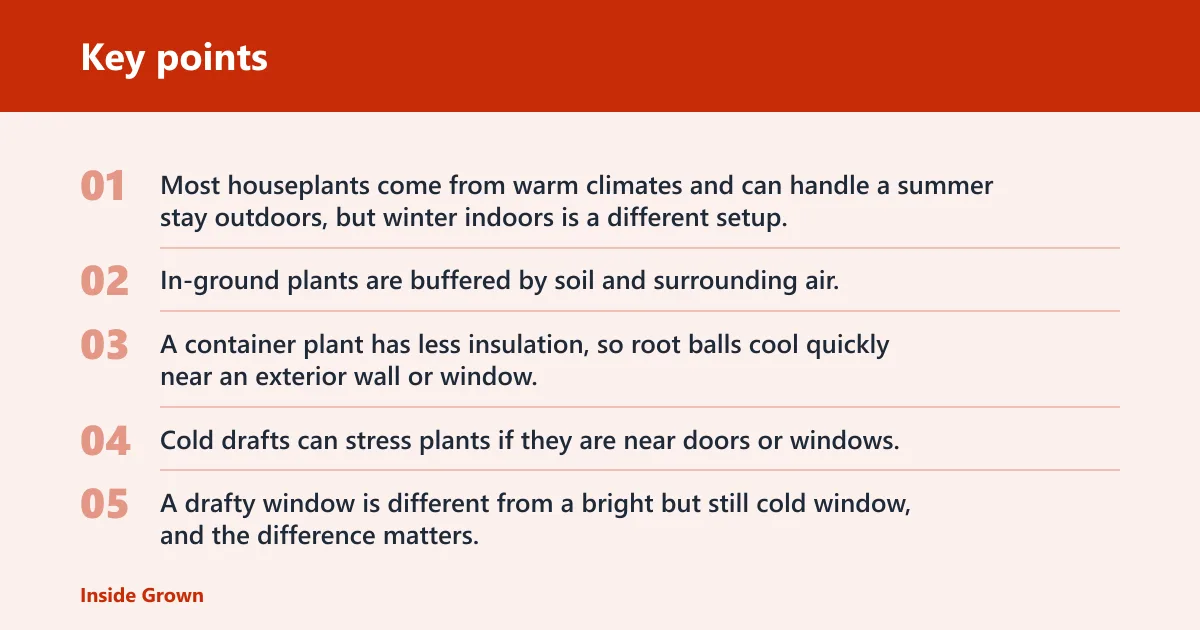
Most houseplants come from warm climates and can handle a summer stay outdoors, but winter indoors is a different setup. Heated rooms can be dry, windows can chill fast after sunset, and a good daytime spot can turn into the wrong nighttime spot if the plant sits too close to glass or a vent.
Light, night temperature, and dry air
Winter placement works best when you sort each room by three conditions: how much natural light it gets, how cold it gets after dark, and how dry the air becomes near heaters. Lower nighttime temperature matters more than a warm daytime peak, because a plant can take a bright afternoon and still struggle through a cold night by the window.
Keep bright-light plants where the sun reaches them for several hours a day, but do not press foliage against cold glass. Keep tropical foliage away from direct furnace blasts, radiators, and fireplaces, because warm moving air can dry leaves faster than the pot can recover.
Why container plants need a better winter spot
In-ground plants are buffered by soil and surrounding air. A container plant has less insulation, so root balls cool quickly near an exterior wall or window. That makes winter placement a microclimate decision, not a decoration choice.
Cold drafts can stress plants if they are near doors or windows. A drafty window is different from a bright but still cold window, and the difference matters. One location mainly changes light. The other changes both light and temperature at night.
Which windows suit which plants?
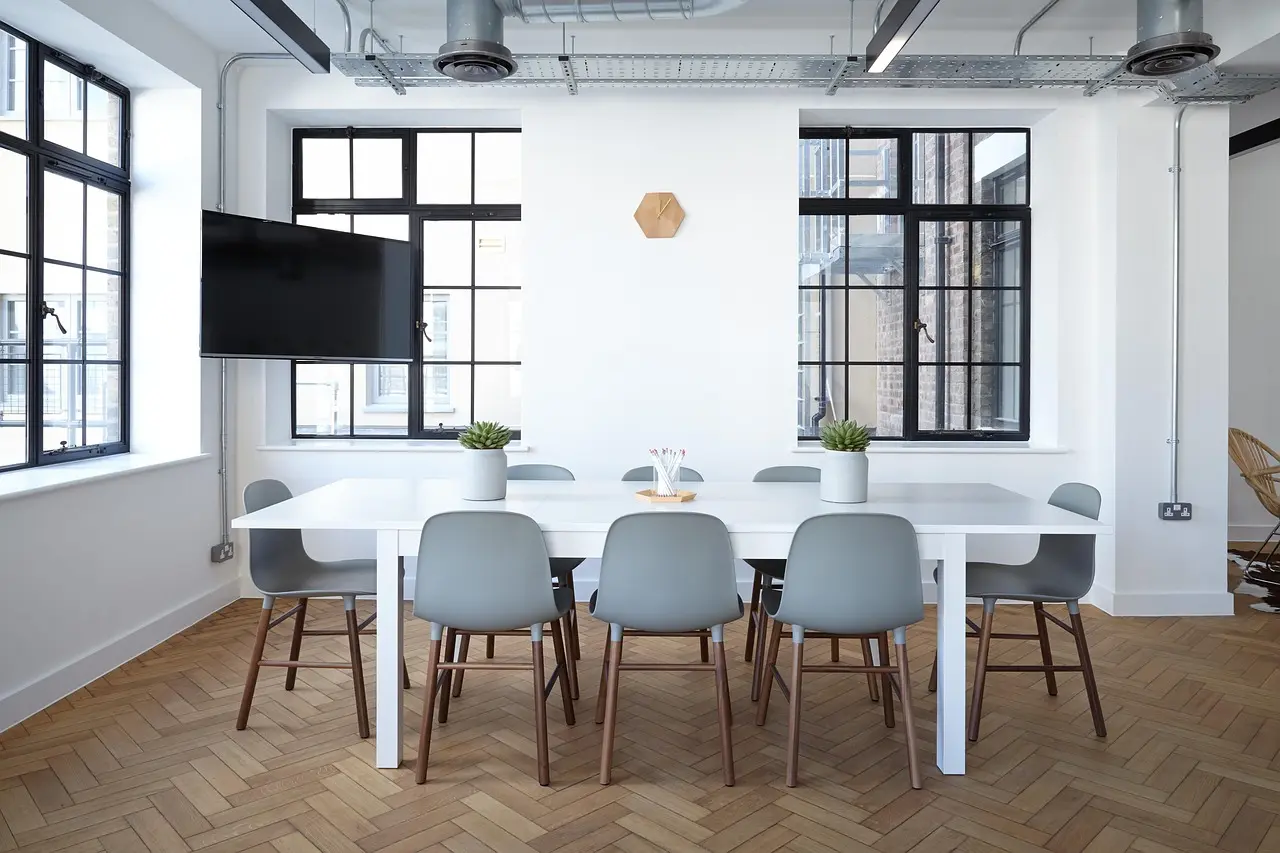
Bright windows give the strongest winter light, especially for sun-loving cacti, succulents, citrus, and many flowering types. South windows are often the strongest winter light, east windows tend to give gentler morning light, west windows can be brighter and warmer in the afternoon, and north windows usually suit lower-light plants unless a grow light is added.
South windows for the highest light demand
A south-facing window is often the best winter choice for plants that need the most light. Put high-light plants here, but keep leaves from touching the cold pane. If the window chills sharply after dark, move the pot back a few inches or set it on a table rather than the sill.
East and west windows for moderate light
East windows suit plants that want bright but gentler light, especially those that can scorch in intense afternoon sun. West windows can work well for medium-light plants, but they may run hotter in the afternoon and colder at night if the glass is exposed to outside air. Rotate plants periodically if one side leans toward the window.
North windows and dim corners
North windows usually offer the least direct light, so they fit low-light tolerant plants or plants backed by a grow light. Dim corners and inner rooms are poor winter homes for most container plants unless supplemental light is added. Without enough light, growth stretches, stems lean, and older leaves may drop.
Say your pothos sits on a north window shelf and starts sending out long, thin stems with larger gaps between leaves. That is a light problem, not a watering problem. Move it closer to the window or add a grow light before adjusting anything else.
How close can plants sit to a cold window in winter?
Plants should not be up against the cold glass. A bright window can still be too cold at the pane, especially on clear nights or during windy weather. Leave a small gap so leaves do not touch the glass, and watch for condensation or frost that signals a colder zone right at the window.
Cold glass and nighttime chill
Glass can become much colder than the room, and leaves that touch it can discolor or drop. A narrow buffer helps prevent that. If the sill is chilly, place the pot a few inches back from the glass or move it to a stand that keeps foliage inside the warmer room air.
Drafty windows and condensation
Drafty windows are a problem location in winter because they bring cold-air exposure and temperature fluctuation. Condensation on the glass can signal a strong temperature difference, and the air right beside the pane may shift fast after sunset. If the plant looks fine by day but wilts after cold nights, the spot is likely too exposed.
Suppose a fern sits beside a drafty bedroom window and its fronds curl after a cold front passes. The plant may still be getting enough light. The failure point is the temperature swing near the glass, so moving it farther into the room can help more than adding water.
Keep plants away from heat sources
Heating vents, radiators, and fireplaces can create hot, drying spots that may stress foliage. Keep plants out of the direct airflow and give them a buffer from strong heat. Warm air near the floor can still be a problem if it rises across leaves every time the system runs.
Heating vents
Do not place plants over or right beside a working heating vent. Direct forced air can dry leaves, speed up soil drying, and create a cycle of wilting followed by overwatering. If a room only has one bright spot above a vent, use a stand that moves the plant out of the airflow path.
Radiators and fireplaces
Plants should not be placed right next to working fireplaces, and radiators create similar drying stress. Both heat sources raise the risk of leaf scorch and rapid moisture loss. Even plants that like bright light usually need some distance from these sources so the air around the foliage stays steadier.
Winter placement matrix
This matrix sorts common winter zones by light, nighttime temperature risk, and dryness, then points to the plant types that fit best. Use it as a placement check before you move pots around the house. For a quick winter placement reset, match the zone first, then check the plant’s tolerance for chill and dry air.
| Winter zone | Light level | Nighttime temperature risk | Dryness risk | Best fit |
|---|---|---|---|---|
| South window | High | Medium if glass is cold | Medium | Cacti, succulents, citrus, blooming plants that need strong light |
| East window | Moderate to high | Low to medium | Medium | Many foliage plants, orchids, medium-light tropicals |
| West window | Moderate to high | Medium | Medium to high | Medium-light plants that can take stronger afternoon sun |
| North window | Low | Low to medium | Low to medium | Snake plant, ZZ plant, low-light tolerant foliage, or plants with a grow light |
| Floor near window | High if the window is bright | Medium to high | Medium | Large plants that need light but can be kept back from the glass |
| Shelf in bright room | Moderate | Low | Medium to high near vents | Plants that need bright indirect light and stable temperatures |
| Bathroom | Low to moderate | Low | High humidity | Tropical houseplants that tolerate lower light and like moisture |
| Kitchen | Moderate | Medium | Medium | Herbs near bright windows, plants that need regular humidity but not heat blasts |
| Hallway | Low | Low to medium | Low | Only low-light plants or plants with added grow light |
How to use the matrix
Rank the light first. Put high-light plants in south or bright west windows, moderate-light plants in east windows, and low-light tolerant plants only in north windows or dimmer rooms with supplemental light. Light usually decides whether a plant holds its shape through winter.
Check the night chill. Stand near the window after dark and notice whether the area feels much colder than the center of the room. If it does, move the plant back from the glass or choose a different zone, because nighttime temperature is the more important limit.
Watch for heat and dryness. Keep plants away from vents, radiators, and fireplaces. If the spot is bright but dry, group plants together and add humidity support so leaves do not crisp at the edges.
Step-by-step placement checklist
Start with the brightest safe window for the plant type.
Keep foliage off cold glass and away from obvious drafts.
Move the pot out of any vent, radiator, or fireplace airflow.
Use a grow light if the room cannot support the plant with natural light alone.
Group plants that like similar conditions so humidity and airflow stay more even.
Recheck the spot after sunset, when winter problems usually show up first.
Do you need a grow light or humidifier?
A grow light is worth adding when a room is too dim for the plant you want to keep there, especially in north windows, hallway corners, or deep winter interiors. A humidifier or pebble tray helps most in heated homes and around tropical houseplants that show stress from dry air. Both tools support the spot you already have; neither fixes a cold draft.
When a grow light makes sense
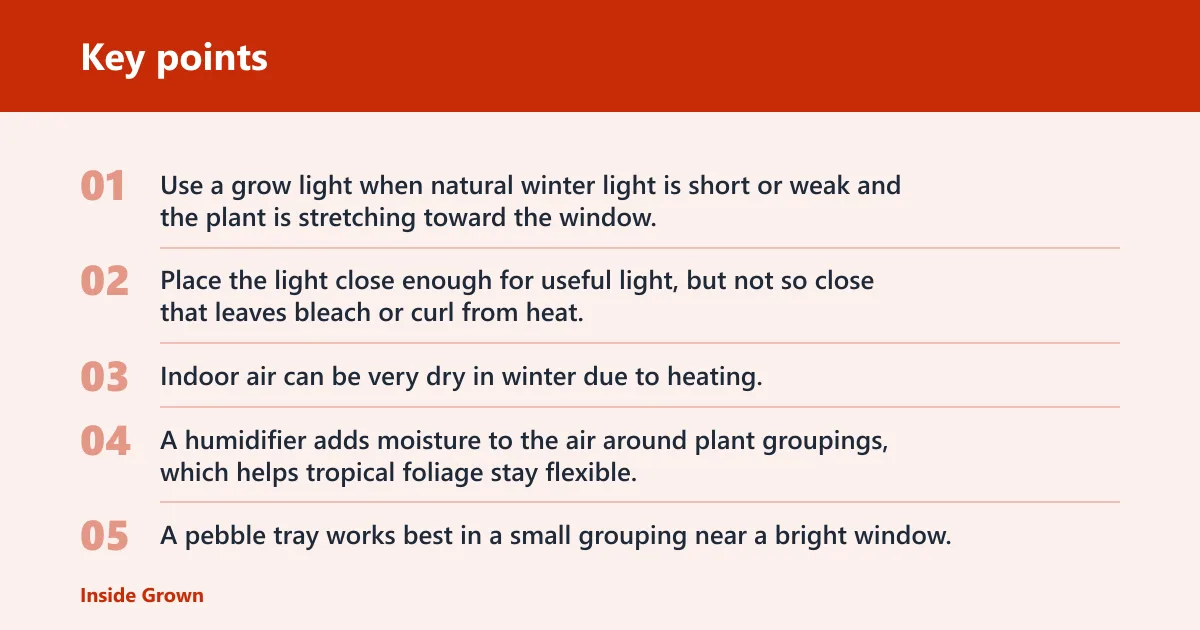
Use a grow light when natural winter light is short or weak and the plant is stretching toward the window. It is especially useful for bright-light plants that cannot sit in a south or west window. Place the light close enough for useful light, but not so close that leaves bleach or curl from heat.
When a humidifier or pebble tray helps
Indoor air can be very dry in winter due to heating. A humidifier adds moisture to the air around plant groupings, which helps tropical foliage stay flexible. A pebble tray is a simpler passive method: set the pot above water and stones so the bottom of the pot does not sit in water, then let evaporation raise moisture around the plant.
A pebble tray works best in a small grouping near a bright window. It will not cure a drafty spot, but it can help reduce crispy leaf edges when the room air is dry and the heat runs often.
How do you tell a spot is wrong?
Read the plant, not just the room. Too little light usually shows up as leggy growth, smaller new leaves, and leaning stems. Too much cold often shows up as wilting after temperature swings, leaf drop, or blackened tissue near the glass. Too much dryness often shows up as crispy edges, curling, and rapid pot dry-down near heat sources.
Too little light
If a plant stretches toward the window, leaves space out on the stem, or new growth looks pale, the spot is too dim. Move it to a brighter window or add a grow light. South and east windows usually solve this faster than increasing water.
Too much cold
If leaves drop after a cold night, the plant may be too close to cold glass or a drafty window. This can happen even in a bright room. Pull the plant back from the pane, seal obvious drafts, or move it to a steadier spot away from nighttime chill.
Too much dryness
Leaf edges that turn brown and crisp, along with soil that dries unusually fast, often point to dry air or a heat source. A humidifier can help in heated rooms, and a pebble tray can support nearby plants. If the plant is next to a vent or fireplace, changing the location matters more than adding moisture.
Frequently asked questions
Where should I put plants indoors for winter based on light and temperature?
Put high-light plants in the brightest south or west window, moderate-light plants in east windows, and low-light tolerant plants in north windows or brighter rooms with a grow light. Keep every plant away from drafty glass, vents, radiators, and fireplaces, because winter temperature swings can undo good light placement.
How close can plants be to a cold window in winter?
Keep plants close enough to get the light, but not up against the cold glass. A small buffer is safer because the pane can chill faster than the room. If leaves touch the window or the pot sits in a cold draft, move the plant back a few inches.
Can plants sit near a heating vent or radiator in winter?
No. Direct heat from a vent, radiator, or fireplace dries foliage and speeds up moisture loss from the pot. That can cause wilting, crisp edges, and stress even in plants that like bright light. Give those heat sources a clear buffer and place plants where the air stays steadier.
What room temperature is best for indoor plants in winter?
The best temperature depends on the plant type, but the nighttime low matters more than the daytime peak. Keep the room consistent if you can, and avoid spots that swing sharply after sunset or when the heat turns on. Cool-tolerant plants can handle more chill than tropical ones.
For winter indoors, the practical range is different by plant group: cool-tolerant container plants do well in the cooler end of the room, tropical foliage wants a steadier warm spot, succulents and cacti prefer a bright but less humid location, and orchids usually want stable light without cold air off the glass. If a spot drops sharply at night, treat it as a danger zone even when the daytime temperature feels fine.
Do I need a grow light if my windows are too dark in winter?
Yes, if the plant needs more light than a north window or dim corner can provide. A grow light is especially useful for bright-light plants and for rooms with short winter days. It can keep growth compact and green when natural light alone is not enough.
How do I keep indoor plants from drying out in winter air?
Move them away from vents, radiators, and fireplaces first, because heat sources dry plants fast. Then use a humidifier or a pebble tray near grouped plants if the home air is very dry. A pebble tray should keep the bottom of the pot from sitting in water, so the roots stay safe.