Do You Need a Humidifier for Plants Brought Indoors for Winter?
A humidifier is generally needed only when winter room humidity drops below about 40% and the plants brought indoors are moisture-sensitive. Low humidity can brown leaves, curl them, or make them drop. This guide shows you how to check indoor humidity and decide whether plants, pebble trays, or a humidifier make sense.
Do you need a humidifier at all?
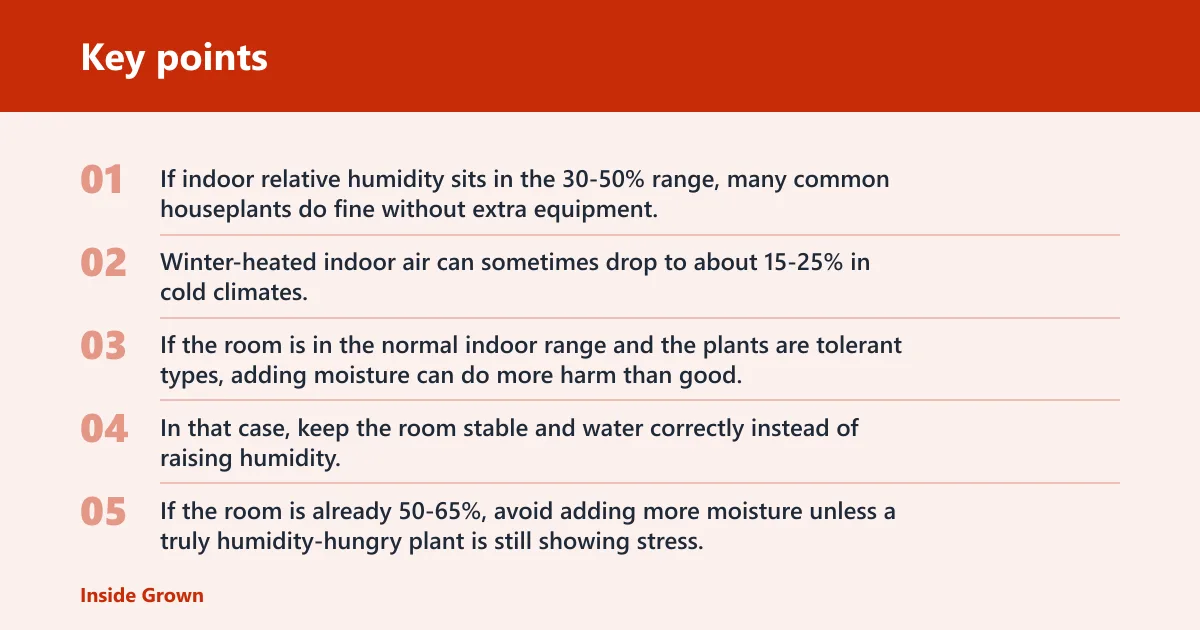


Check the room before buying anything. If indoor relative humidity sits in the 30-50% range, many common houseplants do fine without extra equipment. A humidifier becomes worth considering when winter heat pushes the room below that range, especially for plants that need tropical conditions.
Winter-heated indoor air can sometimes drop to about 15-25% in cold climates. That is where many moved-in plants start showing crispy tips, edge browning, or curling leaves. If the room is in the normal indoor range and the plants are tolerant types, adding moisture can do more harm than good.
When a humidifier is not worth it
If your hygrometer reads 30-50% and the collection is mostly snake plant, pothos, ZZ plant, monstera, or philodendron, a humidifier is often unnecessary. These plants usually tolerate the normal indoor range, and snake plant even prefers drier air. In that case, keep the room stable and water correctly instead of raising humidity.
If the room is already 50-65%, avoid adding more moisture unless a truly humidity-hungry plant is still showing stress. Too much moisture in a closed room can invite mold, mildew, and fungal trouble on the soil surface and nearby walls.
Check indoor humidity first
Use a digital hygrometer before changing anything. Place it near the plants, not across the room, because humidity can vary from one corner to another. A basic digital hygrometer costs about $5-$15, so it is a low-cost way to avoid guessing.
The number matters more than the calendar. Once you know the room reading, you can decide whether to do nothing, group plants, add a humidifier, or avoid humidifying entirely.
What the humidity numbers mean
30-50% is the normal indoor range for many homes. 20-30% is dry winter air, and below 20% is very dry. Many tropical houseplants prefer 50-70% humidity, which is above the range that suits most ordinary indoor collections.
Place the hygrometer near plants. Set it at roughly leaf height beside the plants you want to protect. Keep it away from a radiator, sunny window, or humidifier output, because those spots can distort the reading.
Read the room at more than one time. Check it in the morning and again after the heating has run for a while. Winter heating often dries air further during the day, so a single reading can miss the problem.
Use the band, not a hunch. Match the reading to the decision matrix below. That keeps you from buying equipment for a room that is already in the right range.
Which plants need more humidity?
Tropical high-humidity houseplants are the first group to watch. Calathea, prayer plant, ferns, fittonia, and anthurium often want 50-70% humidity, and calathea may need 60%+ to stay in good shape. In dry air, these plants may crisp, curl, or brown at the edges first.
Hardy low-humidity houseplants usually tolerate 30-50% humidity. Snake plant, pothos, ZZ plant, monstera, and philodendron often manage well in the normal indoor range. Some of them even prefer drier air, so they do not need the same treatment as tropical specialists.
Plant humidity decision matrix
| Indoor relative humidity | Typical plant types | Common signs | Best response |
|---|---|---|---|
| Below 20% | Any humidity-sensitive tropical plant; mixed indoor collections | Rapid crisping, curling, browning, leaf drop | Add a humidifier; do not rely on misting or pebble trays alone |
| 20-30% | Tropical specialists; newly moved-in ferns, calathea, prayer plant, fittonia, anthurium | Dry tips, edge burn, curling leaves, stalled growth | Add a humidifier; grouping can help, but only as support |
| 30-50% | Most popular houseplants; snake plant, pothos, ZZ plant, monstera, philodendron | Usually none, or mild tip dryness in sensitive plants | Do nothing for tolerant plants; group humidity lovers if needed |
| 50-65% | Many tropical houseplants | Usually healthy; check for condensation or stale air | Avoid humidifying unless a particular plant still needs more |
Say your living room holds 24% humidity after the furnace kicks on, and the room contains a fern, a calathea, and a pothos. The pothos may keep going, but the fern and calathea are the plants most likely to show crisp tips first. In that room, a humidifier is the right fix, not misting.
Suppose a spare bedroom stays at 42% humidity and holds snake plant, ZZ plant, and monstera. That room is already in the range where most popular houseplants tolerate conditions well. A pebble tray would add little, and a humidifier would be unnecessary unless you later move in a more demanding tropical plant.
Humidifier, pebble tray, or grouping?
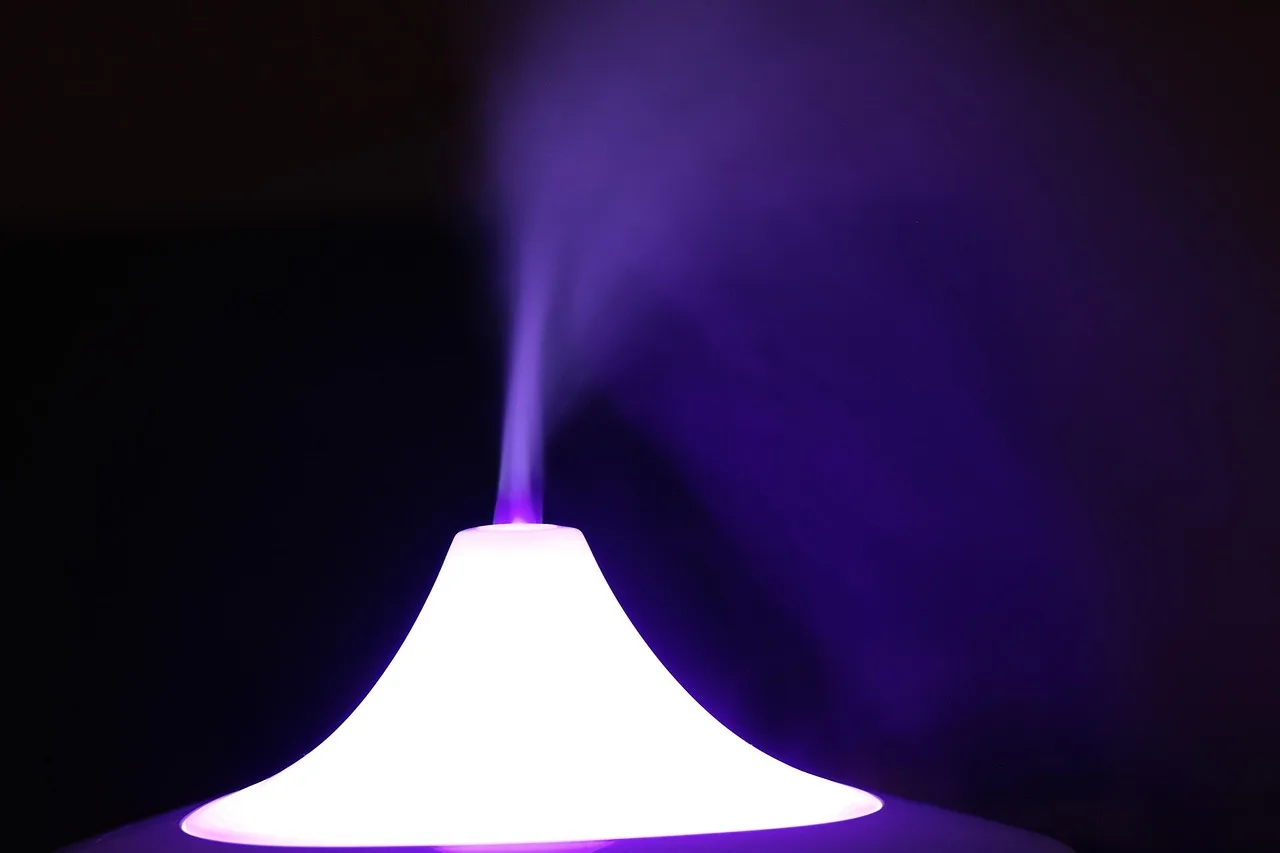
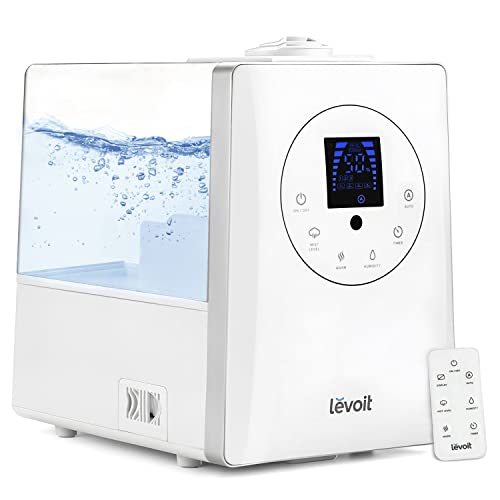
An ultrasonic humidifier is the most effective way to raise room humidity, and it usually costs about $30-$80 for a small unit. It changes the air around the plants in a measurable way, which matters when the room is truly dry. Pebble trays and plant grouping can help, but their effect is modest.
Misting is mostly ineffective as a humidity strategy. It wets the leaves for a short time, but it does not keep the room humid long enough to help most winter plants in a dry heated room.
How to choose the least-wasteful option
- Add a humidifier. Use this when the room is below 30% and you have humidity-sensitive tropical plants.
- Group plants together. Use this to create a small microclimate, especially around ferns, calathea, and prayer plants. It gives only a modest increase, so think of it as support.
- Use a pebble tray. This can provide a slight local bump right around a plant, but the effect is barely measurable in a very dry room.
- Skip misting as the main fix. It can briefly wet foliage, but it does not replace room humidity control.
For mixed plant rooms, start with the plants that actually need moisture. Put humidity-loving plants together near the humidifier output, while keeping snake plant, pothos, and ZZ plant a little farther away if the room is very moist. That way you serve the tropicals without turning the whole room damp.
Where should you place a humidifier?
Place the humidifier near the plants, but not so close that foliage stays wet. Aim for a spot where the output can mix through the room, with a little airflow to spread the moisture. That setup helps the plants without creating a wet patch on leaves, walls, or windows.
Basic setup and upkeep
Set it off the floor. Put the unit on a stable surface near the plant group. A raised position helps the mist move through the room instead of pooling low.
Keep some distance. Leave space between the mist stream and the leaves. Direct contact can leave droplets on foliage, which is not the same as steady room humidity.
Watch the hygrometer. Check the reading after the humidifier runs for a while. If the room climbs past the target band, reduce runtime or move the unit farther away.
Clean it often. Follow the manufacturer’s cleaning schedule so mineral buildup and stale water do not become a problem. A dirty humidifier can spread particles or odor and can be harder to control in a small room.
A common first-timer mistake is placing a humidifier beside a fern, a calathea, and a wall, then letting it run unchecked. The plant may be happy, but the paint and nearby surfaces may not be. Use the hygrometer to keep the room in range, not just the foliage wet.
What can go wrong in winter air?
The main winter problem is not simply cold weather. It is the dry heated air inside the house. Once windows are closed and the furnace runs often, humidity can sink into the 15-25% range in cold climates, and that is where tender foliage tends to crisp.
Over-humidifying is the other failure case. If the room already sits in the normal indoor range, adding moisture can create a damp room without helping low-humidity plants much. It is better to match the fix to the reading than to assume every moved-in plant needs the same treatment.
Signs your plants are asking for more humidity
- Crispy leaf tips.
- Browning edges.
- Curling or folding leaves.
- New growth that opens damaged.
- Leaf drop on humidity-sensitive tropicals.
If those symptoms show up in a room below 30%, humidity is a strong suspect. If the room reads 30-50% and only a tropical plant is affected, focus on that plant’s needs instead of changing the whole room. If the room is already 50-65%, look first at light, watering, and airflow before adding more moisture.
Frequently asked questions
Do plants brought indoors for winter need a humidifier?
Not always. They need a humidifier only when the room is dry and the plants are the type that benefit from added humidity. Many common houseplants tolerate 30-50% humidity, so check the room first. If the collection is mostly tropical plants and humidity is below 30%, a humidifier can help.
What humidity level is too low for indoor winter plants?
Below 20% is very dry, and 20-30% is dry winter air. Those bands are where many tropical plants start showing crispy tips, curling, and browning. If your hygrometer reads in that range, grouping plants may help a little, but a humidifier is usually the more effective fix.
Which plants need a humidifier indoors in winter?
Tropical high-humidity plants are the main candidates. Calathea, prayer plant, ferns, fittonia, and anthurium often want 50-70% humidity, and calathea may want 60%+. Snake plant, pothos, ZZ plant, monstera, and philodendron usually do fine at 30-50%, so they often do not need one.
How can I tell if my plants need more humidity?
Look for crispy tips, browning edges, curling leaves, and leaf drop, especially on tropical plants. Then check the room with a digital hygrometer placed near the plants. If the room is under 30%, low humidity is likely part of the problem. If the room is 30-50%, the plant may be fine or may need only a small boost.
Is misting enough for winter houseplants?
Usually no. Misting is mostly ineffective as a humidity strategy because it changes the leaf surface briefly, not the room air. It can be a short-lived supplement, but it does not replace a humidifier, especially in very dry winter rooms. A hygrometer and room-based fix are more reliable.
Should I use a humidifier or pebble tray for indoor plants?
Use a humidifier when the room is truly dry, especially below 30% and especially for tropical plants. Pebble trays and grouping plants together can give a modest boost, but they are usually not enough on their own in very dry homes. For a room with mixed plants, the humidifier is the stronger tool.
Where should I place a humidifier near plants?
Set it near the plants but not right against the leaves. Keep the mist from landing directly on foliage, and let the room air circulate so the humidity spreads. Check the hygrometer nearby and keep the room in the target band instead of aiming moisture at one plant alone.
What indoor humidity is normal in winter?
30-50% is the normal indoor range. Many popular houseplants tolerate that level, while tropical specialists often want 50-70%. Winter-heated air can fall to 15-25% in cold climates, which is why moved-in plants often struggle after the furnace starts running more often.