How to Use Grow Lights for Overwintering Container Plants
A common setup is a bright white LED grow light placed about 6 to 12 inches above most overwintering container plants, run for about 12 to 16 hours a day, and adjusted to match the plant’s winter light needs. Too little light leads to weak, leggy growth and leaf drop. Too much can scorch leaves and waste energy. This guide covers sizing the light, setting height and hours, and matching the setup to cacti, herbs, tropicals, and dormant plants.
Why overwintered plants need extra light


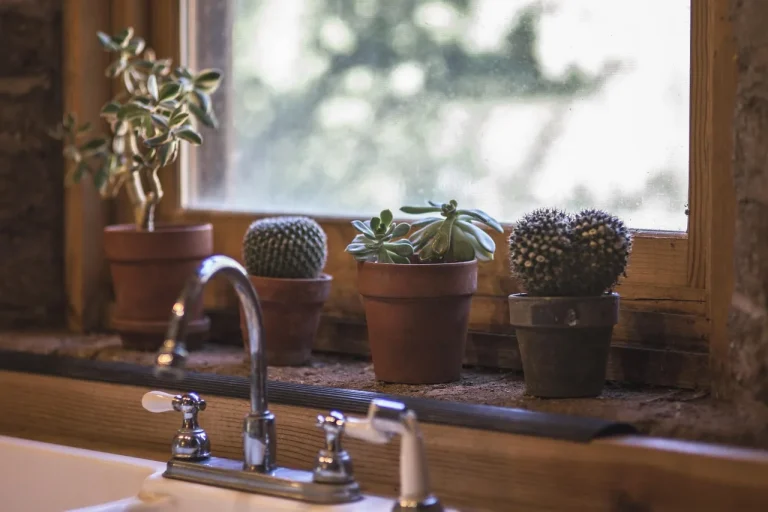
Indoor winter light is weaker and shorter than outdoor light, so containers that were fine outside often lose the intensity they need once they move indoors. A south window may help, but glass, short days, cloudy weather, and room placement can still leave plants underlit. That gap matters most for plants that keep growing through winter.
Plants use photosynthetically active radiation, or PAR, in the 400-700 nm range for photosynthesis. PAR describes the light range plants can use, while fixture output describes how much usable light the lamp actually delivers. That is why shoppers should not rely on wattage alone: two lights with similar wattage can perform very differently depending on optics, efficiency, and distance. A good grow light fills that gap without blasting every plant the same way. For most overwintered plants, a full-spectrum LED is the simplest starting point because it covers both cool and warm light and usually runs cooler than conventional bulbs.
What you’ll need for a grow-light setup
- Full-spectrum LED grow light in panel, strip, clip-on, or stake form
- Timer with daily on/off programming
- Adjustable stand, clamp, shelf, or hanging hardware
- Measuring tape or ruler
- Power strip with surge protection
- Reflective surface or light-colored wall space, if available
- Plant labels so you can group plants by light need
What Kelvin color temperature should you choose?
For overwintering foliage, herbs, citrus, and succulents, 4000K to 5000K white LEDs are usually sufficient. That range gives a clean white look that works well for everyday indoor growing and is easy to live with in a room or shelf setup. Full-spectrum marketing claims matter less than actual output and distance, because a well-placed, sufficiently bright white LED often performs better than a dim “full-spectrum” lamp. If a plant is getting enough intensity at the right height, the exact marketing label matters less than the light reaching the canopy.
Which plants need grow lights most?
Citrus, chili peppers, herbs, succulents, and tropical foliage plants usually need the most help indoors because they either keep growing or decline fast in low winter light. Dormant or semi-dormant plants need the opposite approach: less light, less warmth, and less water. Flowering plants fall in the middle and usually need steady, moderate light.
Citrus and chili peppers
These plants are often the first to stall under weak window light. Give them the brightest LED setup you can manage indoors, then keep the fixture close enough to prevent stretch. If they are setting fruit or trying to hold foliage through winter, treat them like active growers rather than decorative houseplants.
Succulents and tropical foliage
Succulents often need strong light and a shorter day than leafy tropicals. Many tropical foliage plants tolerate moderate light but dislike harsh heat, so a cool-running LED matters. If leaves are flattening, stretching, or dropping, move the light closer before raising the runtime.
Dormant or semi-dormant plants
Plants that are meant to rest, such as some bulbs, woody perennials, and cold-resting containers, should not sit under strong grow lights all winter. Keep them cooler and dimmer, and only give enough light to avoid decline if the species needs it. Too much artificial light can interrupt dormancy and push weak growth.
How to set up grow lights indoors
Set up the light so the plant gets enough intensity without baking the leaves or sitting in darkness part of the day. Many overwintered plants do well with a full-spectrum LED placed close to the canopy and controlled by a timer. Start with the plant’s winter condition, not with the light’s maximum setting.
- Group plants by need. Put citrus and peppers in one zone, leafy tropicals in another, and dormant plants away from the brightest light. Mixed groups usually fail when one schedule is forced on every container.
- Place the fixture. Hang or clamp the light so it sits about 6 to 12 inches above most foliage. Seedlings can sit 6-7 inches below lights, and cool-white fluorescent tubes should not be more than 30 cm/11.8 in away.
- Set the day length. A common starting point for active overwintered plants is about 12 hours, then adjust within roughly 8 to 16 hours based on how the plant responds. Many plants do well at 12 to 14 hours, while some houseplants can stay under grow lights for 15 to 18 hours a day.
- Install the timer. Program the light to turn on and off at the same time each day. A steady dark period matters because plants need a regular night cycle, not constant illumination.
- Check the canopy. Look for even lighting across the plant tops, not one bright hot spot. If one side leans toward the fixture, rotate the pot every few days.
- Raise or lower as needed. If leaves stretch, move the fixture 2 inches closer and recheck after a few days. If foliage pales, curls, or scorches, raise it 2 to 4 inches.
How many hours should grow lights run?
Many overwintered container plants need about 8 hours or more under grow lights, and some do best with roughly 12 to 14 hours. Some houseplants tolerate 15 to 18 hours a day, but that is not a default setting for every species. Use the plant’s growth habit, not a fixed schedule, to decide the runtime.
Daily light duration by plant type
Use 12 to 14 hours for citrus, chili peppers, herbs, and most actively growing tropicals. Use 8 to 12 hours for plants that are slowing down but not fully dormant. Use the lower end for succulents that stay compact in winter and for any plant that should rest cooler and dimmer.
Say your lemon tree sits in a bright south window but still drops leaves. Adding a 12-hour LED cycle 8 inches above the canopy can help more than moving it farther into the room. If it begins pushing soft, stretched growth, shorten the day or move the light slightly closer for stronger intensity.
Why timers help hold a dark period
Timers keep the schedule steady and prevent the common mistake of leaving lights on too long after sunset or skipping them on busy days. That consistency matters for flowering plants and for any plant that needs a true night period. A timer also makes it easier to adjust one variable at a time.
- Plug in the timer. Use a grounded outlet and a timer rated for the fixture’s wattage.
- Choose one window of light. Set on/off times that give the plant a consistent day, such as 7 a.m. to 7 p.m. for a 12-hour cycle.
- Keep the schedule fixed. Change runtime in 1- to 2-hour increments only if the plant shows stretch, pale color, or stalled growth.
How far should grow lights be from plants?
Most overwintered plants do well with lights 6 to 18 inches above the canopy, depending on output and plant type. Higher-output LEDs can usually sit farther away than weaker fixtures, while seedlings and compact foliage often need tighter spacing. The goal is enough intensity at the leaves without heat stress or stretch.
Distance for LEDs, fluorescents, and seedlings
LED grow lights are the default choice because they are energy-efficient, have lower heat output than conventional bulbs, and come as panels, strips, clip-ons, and stake lights. Cool-white fluorescent tubes can work for small setups, but keep them close. Seedlings should sit 6-7 inches below lights, and cool-white fluorescent tubes should not be more than 30 cm/11.8 in away.
When to raise or lower the fixture
Move the light closer if stems lengthen, leaves angle hard toward the fixture, or new growth looks thin. Move it higher if leaves bleach, curl, or get dry patches on the top edge. Change the distance in 2-inch steps, then wait several days before changing again so you can see the plant’s response.
Suppose a rosemary plant under a clip-on LED starts leaning after a week. Lowering the fixture from 14 inches to 10 inches often fixes the stretch faster than adding more hours. If the leaf tips then look pale or crisp, raise the fixture back up by 2 inches and hold that position.
Overwrite-lighting decision table
Use this table to match plant type, winter location, and symptom to one clear light setting. The goal is to correct the setup without giving every plant the same hours or distance. Timer use is included because steady on/off cycling is part of a workable winter plan.
| Plant type | Winter location | Symptom | Light type | Distance | Hours per day | Timer? |
|---|---|---|---|---|---|---|
| Citrus | Bright south window | Leaf drop | Full-spectrum LED panel | 8 inches | 14 hours | Yes |
| Citrus | Room interior | Stretchy new growth | Full-spectrum LED panel | 6 inches | 16 hours | Yes |
| Chili pepper | Cool window ledge | Flower drop | Full-spectrum LED strip | 8 inches | 14 hours | Yes |
| Herb | Kitchen window | Thin stems | Full-spectrum LED clip-on | 6 to 8 inches | 12 hours | Yes |
| Succulent | North or east window | Stretching rosettes | Full-spectrum LED panel | 6 inches | 12 hours | Yes |
| Succulent | Bright sunroom | Pale, tight leaves | LED stake light | 12 inches | 8 to 10 hours | Yes |
| Tropical foliage | Living room | Leaf drop | Full-spectrum LED strip | 10 inches | 12 hours | Yes |
| Tropical foliage | Bright shelf | Slow growth | Full-spectrum LED panel | 8 inches | 14 hours | Yes |
| Flowering plant | Sunny window | Bud drop | Full-spectrum LED panel | 10 inches | 12 to 14 hours | Yes |
| Dormant plant | Cool basement corner | No active growth | Low light only, if needed | 18 inches or avoid direct light | 8 hours or less | Optional |
Common mistakes
The biggest failures come from treating every overwintered plant the same. Citrus and peppers usually need strong, long days; dormant plants do not. Another common mistake is hanging the light too far away, which leads to stretch, or too close, which can scorch leaves and waste power.
A common first-timer mistake is putting a succulent, a fern, and a lemon tree under one timer schedule. The lemon tree may need 14 hours at 8 inches, while the fern may do better with gentler light and the succulent may need less runtime but stronger intensity. Separate them if their symptoms do not match.
- Do not leave lights on constantly. Use a timer and keep a dark period every day.
- Do not trust the window alone. Winter glass and short days usually are not enough for active growers.
- Do not ignore dormancy. Cool-resting plants need less light, not more.
- Do not set one height forever. Raise or lower the fixture as the canopy changes.
Frequently asked questions
How do I use grow lights for overwintering container plants?
Place a full-spectrum LED 6 to 12 inches above the canopy, set a timer for 12 to 14 hours, and group plants by light need. Citrus and peppers usually need the brightest spot, while dormant plants should stay cooler and dimmer. Adjust height before extending runtime.
How many hours a day should grow lights be on for overwintered plants?
Start at 12 hours for most active overwintered plants. Use 8 hours for lower-light or resting plants, and 14 hours or more only for species that stay actively growing indoors. Some houseplants can stay under grow lights for 15 to 18 hours a day, but that is not the default.
How far should grow lights be from indoor overwintering plants?
Keep most lights 6 to 18 inches from the foliage, with 6 to 12 inches being a practical starting point for many LEDs. Seedlings can sit 6-7 inches below lights, and cool-white fluorescent tubes should not be more than 30 cm/11.8 in away.
What kind of grow light is best for overwintering plants?
A full-spectrum LED is the most practical choice for most indoor overwintering setups. It is energy-efficient, gives off less heat than conventional bulbs, and comes in panels, strips, clip-ons, and stake lights. Match the form to the shelf, window, or hanging space you already have.
Do overwintering plants need full-spectrum grow lights?
Most do well under full-spectrum light because it covers the PAR range used for photosynthesis and gives a more natural mix of cool and warm light. It is the safest default for mixed collections. A narrow-spectrum light can work, but it is harder to match to several plant types at once.
Can I leave grow lights on all day for indoor plants?
No. Use a timer and keep a nightly dark period. A practical schedule is 12 to 14 hours for most overwintered plants, with longer runtimes used only when the species clearly needs it. Constant light can disrupt flowering, rest cycles, and leaf quality.
How do you size a grow light for overwintering plants?
Start with the plant type and the area you want to cover, then choose a fixture that can deliver enough useful light across that footprint. PPF, or photosynthetic photon flux, is the fixture’s total plant-usable light output. It is a better sizing signal than wattage because it helps compare fixtures by actual output instead of power draw alone. Larger plants, wider shelves, and mixed collections need higher output or multiple fixtures, while a single compact pot can do well with a smaller lamp placed closer to the canopy.
A simple framework is to match the light to the plant’s winter behavior: active growers such as citrus, herbs, and many tropical foliage plants need the strongest output; succulents usually need strong light with careful distance; flowering plants need steady output and a reliable dark period; dormant plants need the least. If the fixture covers a shelf or bench, choose one that lights the full plant group instead of concentrating output in one hot spot. For most home setups, the goal is even coverage at the leaves, not the biggest wattage number on the box.