Should You Fertilize Plants Indoors During Winter?
Fertilize indoor plants in winter only when the plant is still actively growing, getting enough light, and has healthy roots. If growth has slowed or the plant is resting, skip feeding until spring. In low light, fertilizer can outpace uptake and leave salts in the potting mix, which increases root stress.
Plant condition matters more than the calendar


What is the short answer by plant condition?
The best time to feed indoor plants is usually spring and summer, when growth is strongest. In winter, decide plant by plant: active growth can justify a light feeding, but slow growth, low light, or stressed roots are reasons to wait. The plant’s condition matters more than the calendar.
Houseplants should be fertilised only when actively growing. Autumn and winter often need little or no fertiliser, especially for plants in low light or those that slow down as days shorten.
Why is the calendar the wrong starting point?
A fixed date is a weak signal. Some plants keep growing in a bright south-facing window or under supplemental grow lights, while others slow sharply as days shorten. Fertilizer only helps when the plant is still using nutrients. If growth has stopped, feeding usually adds risk without benefit.
Instead of asking “Is it winter?”, ask whether the plant is still making new leaves, stems, or blooms. Steady water use, visible new growth, and firm roots are stronger guides than the month on the calendar.
When does winter feeding make sense?
Feed in winter only when the plant is still pushing growth, the light is strong enough to support that growth, and the roots are in good shape. A light feeding can also make sense for heavy feeders and flowering houseplants that continue setting buds instead of going quiet.
When does active growth in bright windows or under grow lights count?
A plant with new leaves or stems is often still actively growing, so feeding may help. If it is using water more often and continuing to grow in a bright window or under grow lights, fertilizer can support that new growth instead of sitting unused in the potting mix.
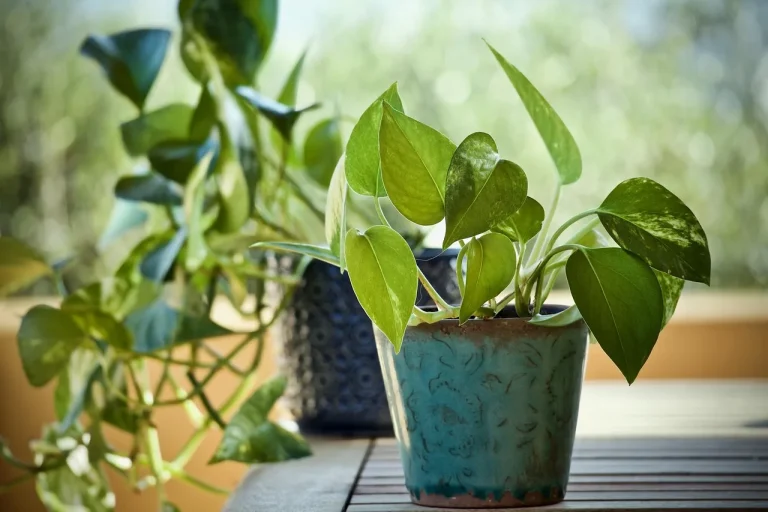
Suppose a pothos sits in a south-facing window and keeps making fresh leaves in January. That plant is still active, so a cautious feed may fit its current pace. The same plant in a dim corner is a different case.
Do flowering houseplants that keep producing buds need fertilizer?
Flowering houseplants that keep setting buds often need more support than resting foliage plants. If the plant is still opening blooms, producing new growth, and getting enough light, a diluted feeding can be appropriate as long as the roots are healthy and the pot drains well.
How do heavy feeders compare with low feeders?
Heavy feeders use nutrients faster than low feeders. Leafy tropicals and actively flowering plants usually need more regular feeding than succulents, cacti, or plants that are already resting. But plant type does not override light and growth. A heavy feeder in weak light may still need none.
What about newly repotted plants or fresh slow-release mix?
Newly repotted plants often need less fertilizer for a while because fresh potting mix may already contain nutrients. That matters even more in winter. If the mix includes slow-release fertilizer, feeding again too soon can stack nutrients before the roots are ready to use them.
Rootbound plants can be a different case. They may dry out faster and show faster nutrient demand, but they still need enough light and active growth before winter feeding makes sense.
When should you pause feeding until spring?
Pause feeding when growth slows, light drops, or roots are stressed. Winter dormancy brings reduced light, slower metabolism, and a higher risk that fertilizer stays unused in the potting mix, where it can build up as salts and stress roots that are already moving slowly.
What signs mean a plant is dormant or too slow to feed?
Plants in dormancy need little or no fertilizer. Their roots take up less water and nutrients, so feeding can leave extra salts behind and increase the risk of fertilizer burn. If growth has stopped, feeding should stop too. The safest rule is simple: no growth, no fertilizer.
Many houseplants that look “fine” are simply resting. If they are not making new leaves, not opening buds, and not increasing water use, skip feeding and wait for brighter days.
What low light, cold roots, and dry indoor air do to fertilizer use?
Low light slows nutrient use. Cold roots also absorb less, and heated indoor air can dry the potting mix unevenly. Those conditions make winter feeding less useful and more likely to cause stress, especially if the plant is already struggling near a cold window or drafty sill.
A common mistake is feeding a plant that sits near low-temperature glass with dry soil. Fertilizer does not fix that problem; it can make root stress worse. In these conditions, wait until the plant is warmer, brighter, and actively growing again.
Should you fertilize succulents and cacti in winter?
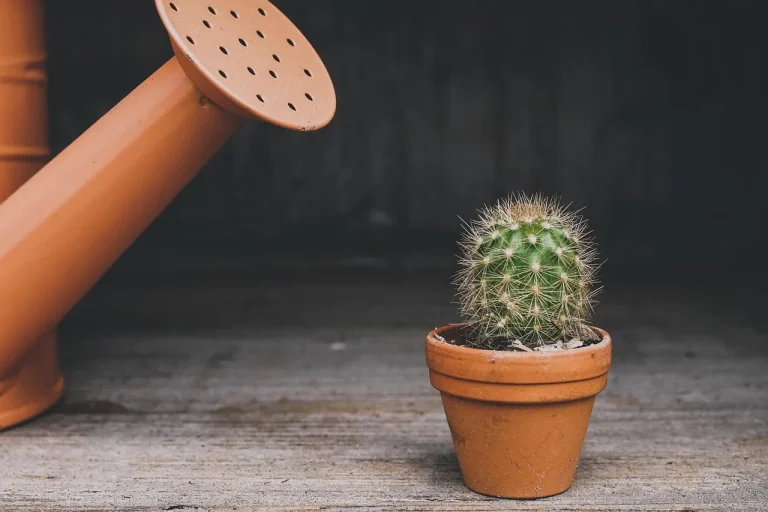
Usually no, unless they are clearly still growing under strong light. Succulents and cacti often slow down in winter, so feeding them while they are resting is more likely to leave unused nutrients in the mix than to help growth. For most, winter is a skip period.
What changes for low-temp window sills and newly brought-inside plants?
Cold window sills can slow root activity even when the plant looks healthy above the soil. Newly brought-inside plants can also pause after the move because light, temperature, and watering all change at once. In both cases, wait for continued indoor growth before feeding.
For plants adjusted indoors after summer, watch first and feed later. If the plant keeps making new growth after the move, a cautious feeding may be reasonable. If it stalls, wait. This is especially true when using indoor plant quarantine after moving plants inside.
How does winter light change the feeding decision?
Short days and weaker window light change how much fertilizer a plant can actually use. A plant in a dark room may need no feeding at all, while the same type of plant near a bright window or under grow lights may still be active enough to justify a light dose. Light is the limiter.
Do south or west windows change the answer in short days?
Bright window exposure can keep a houseplant growing through winter, but day length still matters. Winter light is weaker, and many plants slow down even near a sunny window. Watch for new leaves, new stems, or steady water use before deciding to feed. If those signs are absent, wait.
Do supplemental grow lights support more regular feeding?
Plants under grow lights often keep a more normal growth rhythm than plants relying only on winter daylight. If the light is strong and the plant is producing new growth, feeding may continue on a reduced schedule rather than stopping completely. If growth pauses, skip until it resumes.
Why does root health come before fertilizer?
Healthy roots decide whether feeding helps or hurts. Water before fertilizing, never feed completely dry soil, and avoid fertilizer on plants with cold, damaged, or stressed roots. A plant that cannot absorb water well will not use fertilizer well either, so the priority is root support first.
Why should you water first, then feed?
Bloomscape recommends watering before adding fertilizer, and recommends watering one or two days before fertilizing. That helps protect roots from a concentrated dose and makes nutrients easier to move through the potting mix. It is especially important in winter, when roots are slower.
-
Check the soil first.
If the mix is completely dry, water it before any fertilizer goes in. Rehydrate the root zone so the plant can absorb nutrients without a strong chemical hit to dry roots.
-
Confirm drainage.
Make sure excess water can escape the pot. Poor drainage traps salts and keeps roots too wet or too dry in patches, both of which make winter feeding riskier.
-
Feed only healthy roots.
If the plant is wilting from cold, rot, or repeated drying, skip fertilizer until it recovers. Feeding stressed roots rarely helps and can speed decline.
How do fresh potting mix and recent repotting change the answer?
Fresh potting mix may already contain nutrients, so a newly repotted plant often needs less fertilizer for a while. Older mix loses nutrients over time, but the rate depends on how long the plant has been in the container, how often it is watered, and how large the pot is.
Container size matters too. Small pots dry faster and can concentrate salts faster, while larger pots hold more mix and may carry nutrients longer. That changes how cautious you should be in winter, especially after repotting or after adding a fresh slow-release mix.
What is the difference between liquid fertilizer and slow-release fertilizer?
Liquid fertilizer is fast-acting and must be diluted per label. Slow-release fertilizer comes as granules or pellets and feeds over a longer interval, but its release rate varies with formulation and conditions. In winter, those differences matter because inactive roots can outlast the fertilizer.
How does liquid fertilizer behave in winter?
Liquid fertilizer reaches roots quickly, which can be useful for plants that are still actively growing. It also means mistakes show up faster. Too much strength, or too-frequent feeding, can burn roots and leave salt buildup in the potting mix. Follow the label exactly.
When used at all, liquid fertilizer should match the package rate and interval. A half-strength option can make sense for cautious feeding, but only if the plant is actively growing and the label frequency is not exceeded.
How do slow-release granules behave in winter?
Slow-release fertilizer is less suitable when growth has paused. If the plant is resting, the granules may keep releasing nutrients even though the roots are barely taking them up. That increases the chance of leftover fertilizer in the mix, especially in cool rooms or low light.
Which fertilizer fits paused growth best?
Neither type is a good fit for a truly dormant plant. Liquid fertilizer is easier to control and stop, but slow-release products can keep feeding after the plant has slowed down. If growth has paused, the safer choice is usually to wait until spring instead of trying to force nutrition.
What is the winter feeding decision table
Use this table to make a feed, skip, or wait decision plant by plant. The same plant can move from one row to another as light, growth, or root health changes. Look for active growth, root stress, and winter light level before choosing a direction.
| Plant condition | Winter light level | Feeding recommendation | Risk notes |
|---|---|---|---|
| Actively growing plants | Bright window or grow light | Feed. Use diluted liquid fertilizer at the label rate if new leaves or stems keep forming; feed / skip / wait: feed. | Water first. Overfeeding still risks salt buildup and root burn. |
| Dormant plants | Low winter light | Skip. Pause feeding until growth restarts; feed / skip / wait: skip. | Unused fertilizer can collect in the mix and stress slow roots. |
| Newly moved indoors | Changing from outdoor sun to indoor light | Wait. Watch for continued indoor growth before feeding; feed / skip / wait: wait. | Move stress and lower light can reduce uptake. |
| Plants under grow lights | Strong supplemental light | Feed. Cautious, diluted feeding is reasonable if growth continues; feed / skip / wait: feed. | Do not exceed labeled frequency, even if growth looks good. |
| Succulents and cacti | Low to moderate winter light | Skip. Feed only if clear new growth continues under strong light; feed / skip / wait: skip. | Resting plants are prone to unused nutrients and root issues. |
| Flowering houseplants | Bright window or grow light | Feed. Use a reduced dose if buds or flowers keep forming; feed / skip / wait: feed. | Flowering does not cancel root stress; water first and check drainage. |
| Rootbound plants | Bright window with active growth | Feed. Use a cautious dose only if roots and growth are both active; feed / skip / wait: feed. | Fast drying can concentrate salts, so watch watering and residue closely. |
| Plants near cold windows or cool sills | Bright but cold | Wait. Warm the root zone and confirm new growth first; feed / skip / wait: wait. | Cold roots absorb poorly even when the leaves still look healthy. |
How do you fertilize safely if you do feed?
If you decide to feed, keep the dose modest and the timing tied to visible growth. Follow the fertilizer label rate and interval, because dose matters as much as product. Do not exceed the labeled frequency just because the plant is indoors or because you want faster growth.
-
Read the label rate.
Use the package directions first. If you are unsure, choose the cautious end of the label range rather than increasing strength to “help” a slow plant.
-
Water the plant first.
Apply fertilizer only after the soil has been watered or rehydrated. The same source recommends watering one or two days before fertilizing, which helps protect roots from sudden concentration changes.
-
Use a diluted dose.
A half-strength mix can be a cautious option for actively growing plants, especially in winter. It is not a blanket rule, and it should not be used to override a label that already sets a lower rate.
-
Watch for warning signs.
Brown leaf tips, stunted growth, crusty residue on the soil, or a pot that dries oddly fast can point to salt buildup or fertilizer burn. If those show up, stop feeding and flush the pot only if the plant and potting mix can handle it.
Over-fertilizing can burn roots and cause stunted growth. That risk rises in winter because roots move more slowly and the plant may use less fertilizer than it would in spring or summer. The safest habit is still simple: feed only when growth, light, and roots all point the same way.
Frequently asked questions
Should you fertilize indoor plants in winter?
Only if the plant is still actively growing, has enough winter light, and has healthy roots. If growth has slowed or stopped, skip feeding until spring. Winter is a poor time for most resting houseplants because they use nutrients more slowly and can hold extra salts in the potting mix.
When should I stop fertilizing houseplants for winter?
Stop when growth slows, watering becomes less frequent, or the plant no longer makes new leaves or stems. One common approach is to stop in mid to end of October and restart in mid-February, but the plant’s condition should still guide the decision.
Can you fertilize houseplants if they are still growing in winter?
Yes, if the plant is clearly still growing and getting enough light. New foliage, steady water use, and active flowering are good signs. Use a diluted dose, water first, and keep to the label interval so winter feeding does not outpace the plant’s slower pace.
Do plants need fertilizer indoors during the dormant season?
Usually no. Dormant plants have slower metabolism and lower nutrient demand, so fertilizer often sits unused in the potting mix. That unused fertilizer can raise salt levels and stress roots, especially in cool rooms or low light.
What happens if you fertilize indoor plants in winter?
If the plant is active, winter feeding may support growth. If it is dormant, stressed, or under low light, fertilizer can build up as salts, burn roots, and leave the plant with stunted growth or brown leaf tips. The outcome depends on growth, light, and root health.
Can I use half-strength fertilizer in winter?
Sometimes. Half-strength can be a cautious option for a plant that is still actively growing, but it is not automatically safe for every houseplant. It still needs healthy roots, enough light, and the label’s frequency followed exactly, with no extra applications to compensate.