How to Protect Pets and Kids When Wintering Plants Indoors
Keep toxic plants out of reach, use saucers and stable stands, and quarantine new pots for 2 weeks before you place them near children or pets. Poor placement can mean poisoned leaves, tipped pots, wet floors, and a sick pet or child. This guide covers checking plants for toxicity, choosing safe spots, preventing spills, and setting up a winter routine that works in a family home.
Move tender plants before frost
Bring tender potted plants inside before frost or a hard cold snap hits. Cold can wreck tropical plants, and waiting too long can turn a healthy plant into one that drops leaves or draws pests indoors.
Check for pests and disease first
Inspect foliage, stems, and soil before any plant crosses the threshold. Look at leaf undersides, stem joints, and the top layer of soil for insect activity, webbing, sticky residue, spots, or chewing damage. If you find an infestation, treat it before the move so you do not spread pests to houseplants.
Wash plants outdoors and let them dry
Use an outdoor hose rinse to remove dust and loose insects before bringing plants inside. Remove dead foliage too. After rinsing, let the plant air dry completely outdoors so you do not carry extra moisture, runoff, or hidden pests onto floors and furniture.
Decide whether to repot now or wait
Repotting is not required before wintering a plant indoors. If a plant needs a larger container, choose one about 1 to 2 inches wider for small pots, or up to 2 to 3 inches wider for larger pots. Many growers wait until spring to cut stress, which is often the better call for already-shocked plants.
-
Sort by cold tolerance.
Move the least cold-hardy plants first. Tender potted plants should be indoors sooner rather than later when cold weather is coming, because a single cold snap can do lasting damage.
-
Inspect every surface.
Check leaf tops and undersides, stems, and soil before you bring the pot indoors. If you see insect activity, treat only as needed with neem oil or another simple control so you do not contaminate other plants.
-
Rinse and dry outside.
Use a burst of water from the hose, then let the plant dry in the open air. This helps dislodge pests and keeps muddy water off indoor floors.
-
Choose the next container carefully.
If the root ball is crowded, move up only 1 to 2 inches for small pots or 2 to 3 inches for larger pots. If the plant is otherwise stable, delay repotting until spring so winter stress stays lower.
Are your indoor plants safe for pets and kids?
Some common overwintered plants are toxic to cats and dogs, and many are risky for toddlers if leaves, stems, sap, or soil are easy to reach. Safe placement matters as much as species choice, because a plant that is harmless to touch can still be a problem if it gets chewed, tipped, or spilled.
Toxic plants to treat with extra care
Do not assume that a plant is family-safe just because it grows indoors for winter. Some houseplants, including bulbs, some flowering ornamentals, and several foliage plants, can cause vomiting, drooling, mouth irritation, or more serious reactions in pets. For children, common hazards include chewing, sap exposure, and soil ingestion. If you are unsure about a plant, check ASPCA Animal Poison Control or Poison Control before bringing it into a home with kids or pets.
Safer placement rules for cats, dogs, and toddlers
Keep pots on stable stands, not on wobbly furniture or low ledges where a pet can swipe them down. Avoid low-traffic but reachable surfaces, because a curious child or pet can still reach them. A good rule is simple: if a cat can jump to it, a dog can bump it, or a toddler can pull it, it is not secure enough.
When a plant should stay outside instead
If a plant is both toxic and hard to place safely, leave it outside only if the weather and plant type can tolerate that choice, or skip overwintering it entirely. That decision is better than putting family members in reach of a plant that cannot be isolated from chewing, tipping, or spilled soil.
Say your cat likes windowsills and your fern is a risky plant for pets. A bright sill may seem convenient, but it is a bad fit if the plant can be reached from a jump. Move it to a locked room, or choose a different plant if no safe room exists.
How do I keep bugs off plants when bringing them inside for winter?
Start with a close inspection of leaves, stems, and soil, then clean the plant before it joins the rest of the indoor collection. That sequence matters because one missed infestation can spread to herbs, seedlings, or any other houseplants sharing the room.
What to inspect on leaves, stems, and soil
Look for aphids, mites, scale, mealybugs, and any sticky residue or fine webbing. Check the top inch of soil for fungus gnats, eggs, or crawling insects. If the plant was outdoors near other pots, assume it needs a slower, more careful inspection.
When neem oil fits the cleanup plan
If you find insect activity, neem oil may be used against the infestation. Apply it after inspection, and only on the affected plant. Treat the plant before indoor relocation so pests do not move onto nearby houseplants or edible herbs. Avoid DIY sprays unless you know the exact formula and plant tolerance, since homemade sprays can injure plants and leave residues that may be harmful to pets or children.
How to separate new arrivals from houseplants
Quarantine newly moved plants away from the rest of your indoor collection for about 2 weeks. That buffer gives you time to catch pests, leaf drop, mold, or watering mistakes before they spread. Keep new arrivals on their own tray or shelf during that period.
-
Inspect under bright light.
Check every plant before it crosses inside. Use a flashlight if needed, because pests often hide at stem joints and on leaf undersides.
-
Treat only visible problems.
If you find insects, use neem oil or another simple control that will not spread pests to other houseplants. Follow the product directions exactly and keep treated plants out of high-traffic family zones until they are dry.
-
Isolate the newcomers.
Place them apart from herbs, seedlings, and the main plant group for 2 weeks. That makes it easier to spot new spots, sticky residue, or droppings before a small issue becomes a room-wide one.
Safe rooms for overwintering plants
Room choice should start with safety, then light, then humidity. A room can be warm enough for a plant and still be a bad family fit if it has easy pet access, spill-prone surfaces, or a clear path for a toddler to pull pots down.
Windowsills, kitchens, and living areas
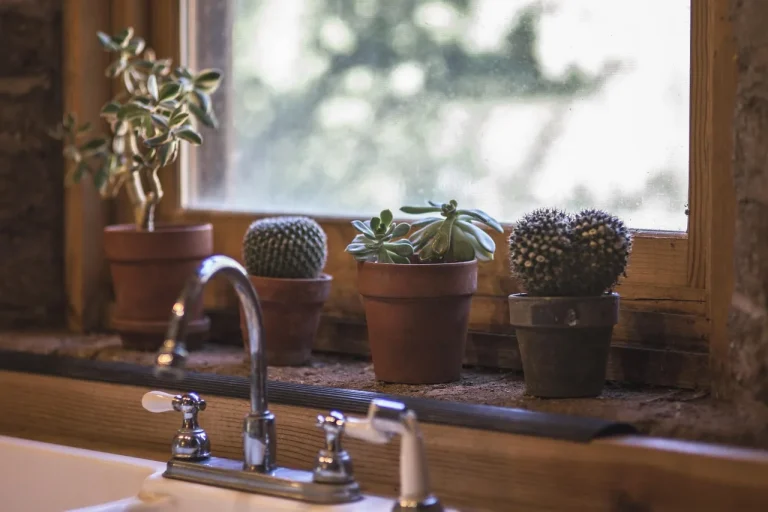
Windowsills can work only if they are not drafty and the plants stay far from uninsulated windows. Kitchens may offer decent light, but counter edges, stools, and sink areas create spill and tipping risks. Living rooms can be fine for stable, non-toxic plants if pets and children cannot reach them easily.
Bathrooms, basements, and laundry rooms
A basement can be a useful nontraditional space for overwintering plants, especially when light is weak and traffic is low. Bathrooms can also provide humidity, but only if the plant is protected from being knocked into a tub, sink, or floor drain. Laundry rooms need the same caution around detergents, machines, and cords.
How to use grow lights and humidity support
Grow lights can add light in low-light indoor spaces. That makes them useful in basements or other nontraditional spaces. A humidifier or bathroom placement can help with dry winter indoor air, but only if the setup stays away from pets and children and does not create a slip hazard.
| Room | Light | Temperature | Pet access | Child access | Spill risk | Tipping risk | Best plant types | Decision | Short action |
|---|---|---|---|---|---|---|---|---|---|
| Sunny kitchen shelf | Bright | Moderate | Medium | Medium | High | Medium | Small non-toxic plants | Yes | Use a high, stable shelf and a saucer. |
| Living room windowsill | Bright | Risk of drafts | Low to medium | Medium | Medium | High | Compact, stable plants | No | Move away from uninsulated windows. |
| Bathroom counter | Medium | Humid | Low | Low to medium | Medium | Low to medium | Humidity-loving plants | Yes | Keep clear of cleaners and splashes. |
| Basement shelf | Low | Cool and steady | Low | Low | Low | Low to medium | Plants with lower light tolerance | Yes | Add grow lights if needed. |
| Laundry room floor | Low to medium | Variable | Medium | Medium | High | High | None unless secured off the floor | No | Do not place pots where they can be kicked or soaked. |
How should you water and place them?
Water less, fertilize less, and keep every pot protected from runoff. Winter indoor conditions bring less light and drier air, so plants usually need slower care, not heavier feeding. Family safety depends on spill control as much as plant health.
Use saucers or water catchers under every pot
Put a saucer or water catcher under each container before watering. That keeps moisture off carpets and hardwood floors and lowers slip risk for children and pets. It also helps you see runoff, which is often the first sign that a plant is taking more water than it can use.
Keep plants away from vents, heaters, and drafty windows
Do not place overwintering plants near vents, heaters, or uninsulated windows. Too-warm indoor air can harm overwintering plants, and cold drafts can stress roots and leaves just as much. A steady spot beats a flashy one.
Water less and watch for winter stress
Check the soil before watering, and do not keep winter plants evenly wet. Dry indoor air can tempt overwatering, but roots still need time between drinks. Watch for limp leaves, yellowing, or moldy soil, then adjust slowly rather than on a fixed calendar.
Suppose a basil plant sits beside a heating vent in January. The air feels warm, but the leaves curl and the pot dries out faster than expected. Moving the plant a few feet away and watering less often usually solves more than adding extra water ever will.
-
Set each pot on a saucer.
Do this before the first indoor watering. The saucer catches runoff, protects floors, and reduces the chance that a pet or child steps in wet soil.
-
Check the room edges.
Look for cold spots, vents, heaters, and drafty windows. If you can feel a temperature swing from standing in one place, the plant probably can too.
-
Water only as needed.
Winter care includes cutting back on watering and fertilizing. Let the top layer dry enough for the plant type before watering again, and empty saucers after any excess drains through.
What plant types work best indoors?
Plants that handle lower light better, tolerate drier indoor air, and stay compact are usually the safest overwintering choices for family homes. A plant that survives indoors is not automatically safe for pets or children, so species selection and placement still need to work together.
Plants that handle lower light better
Smaller foliage plants and many low-light-tolerant tropicals do better in rooms that rely on indirect sun or grow lights. A basement can work if the plant can handle the setting and the pot is not within reach of children or pets.
Plants that need more humidity
Humidity-loving plants can do well in a bathroom or near a humidifier, but only where the setup is stable and out of reach. Dry winter air can be hard on these plants, so a humidity source often matters more than a bright but dry windowsill.
Plants that are poor fits for family homes
Plants with toxic sap, sharp foliage, or heavy top growth are poor fits if pets and toddlers can reach them. Large pots on flimsy stands are also poor fits, because a knocked-over container can spill soil, water, and a chewed leaf all at once.
Frequently asked questions
How do I keep pets and kids safe when I bring plants inside for winter?
Put toxic plants out of reach, use stable stands, and keep every pot on a saucer or water catcher. Separate new arrivals from the main plant group for 2 weeks. That reduces the chance of poisoning, tipping, wet floors, and pest spread.
Are common wintered indoor plants toxic to cats and dogs?
Some are, and the risk is species-specific. Many ornamental foliage plants, bulbs, and flowering houseplants can make pets sick if chewed. Always check the exact plant before bringing it into a home with cats or dogs, because placement alone does not cancel toxicity.
Should I wash plants before bringing them indoors?
Yes. A burst of water from the hose can remove dust and some pests before the plant comes inside. Let the plant air dry outdoors afterward so you do not carry extra moisture or hidden insects into the house.
Where should I place overwintering plants away from children and pets?
Choose stable, out-of-reach spots that are far from uninsulated windows, vents, heaters, and low surfaces that pets can bump. Bathrooms and basements can work if access is controlled and the pot cannot be knocked over, tipped, or spilled onto a floor.
Do I need to repot plants before moving them indoors?
Not usually. If a plant truly needs a larger container, move up only about 1 to 2 inches for small pots or 2 to 3 inches for larger pots. Otherwise, many growers wait until spring to reduce stress, especially for plants that are already adjusting to lower light and drier air.