Can You Bring Fig Trees Inside for the Winter?
Yes, if your fig is in a container, you can bring it inside, but the best winter method depends on temperature, pot size, and whether you want fruit or dormancy. Get it wrong and you can lose buds, force weak growth, or dry out roots. This guide compares dormant storage, active indoor growing, and outdoor protection so you can choose the right winter plan for your fig.
This guide is part of our Bringing Plants Inside for Winter: Which Plants, When and How series.
When should you move a fig tree?


Move a container fig by watching leaf drop, recent lows, and your zone, not the calendar alone. Figs usually need short days and cooler temperatures to reset for next season. Container roots cool faster than ground roots, so potted trees need earlier protection than in-ground trees.
For many growers, a useful trigger is the first one or two light frosts, especially after the tree has shed its leaves. Some wait for several frosts in the low 20s before calling the plant fully dormant, but that approach fits only trees with enough hardiness and enough pot protection.
What you’ll need
- An unheated garage, cold basement, insulated shed, or root cellar
- Grow lights if you want active indoor growth
- Pot insulation, such as foam board, cardboard, or blankets around the container
- A barrier under the pot so it does not sit on cold concrete
- Pruning shears
- Sticky traps for monitoring pests
- A hand lens or close visual check for spider mites, scale, and mealybugs
- A watering can with a narrow spout
Move-in timing by zone and plant condition
| USDA zone | Tree age | Pot size | Recent low temperature | Leaf drop status | Recommended action | Troubleshooting |
|---|---|---|---|---|---|---|
| 3-5 | Young | Any small to medium pot | At or below 25°F | Most leaves dropped | Move to dormant storage | Skipping insulation can freeze the root ball solid |
| 6A | Mature | Large pot | Low 20s°F | Leaves still partly attached | Leave out briefly, then move in after more leaf drop | Warm-room storage can push weak growth too early |
| 6A/6B | Young | Small pot | 29-32°F | Leaves still green | Move to dormant storage now | Small pots lose heat quickly and roots are exposed above ground level |
| 7A/7B | Mature and well lignified | Large pot | Upper 20s°F | Leaf drop started | Leave out with protection or move to a cool storage spot | Only light protection is enough if the root zone stays above 15°F |
| Any zone | Any age | Any pot | Below 15°F | Any | Move to protected storage if possible | Hard freezes can injure container roots even when top growth survives |
- Check the forecast for the next 7 to 10 nights.
- Use the first light frosts as your cue to start planning.
- Inspect leaves, stems, and soil for spider mites, scale, and mealybugs.
- Prune only dead, broken, or crossing wood.
- Choose the storage path that matches your tree’s age and pot size.
- Insulate the pot and keep it off cold concrete.
If a fig is in a 10-inch pot in zone 6A and the forecast is around 28°F after the first frost, dormant storage may be the safer choice if most leaves have already dropped. If most leaves have dropped, dormant storage is the safer move. If the same tree were in a 20-inch pot, you would still protect the roots, but you would have a little more thermal buffer.
How to winter a fig tree indoors
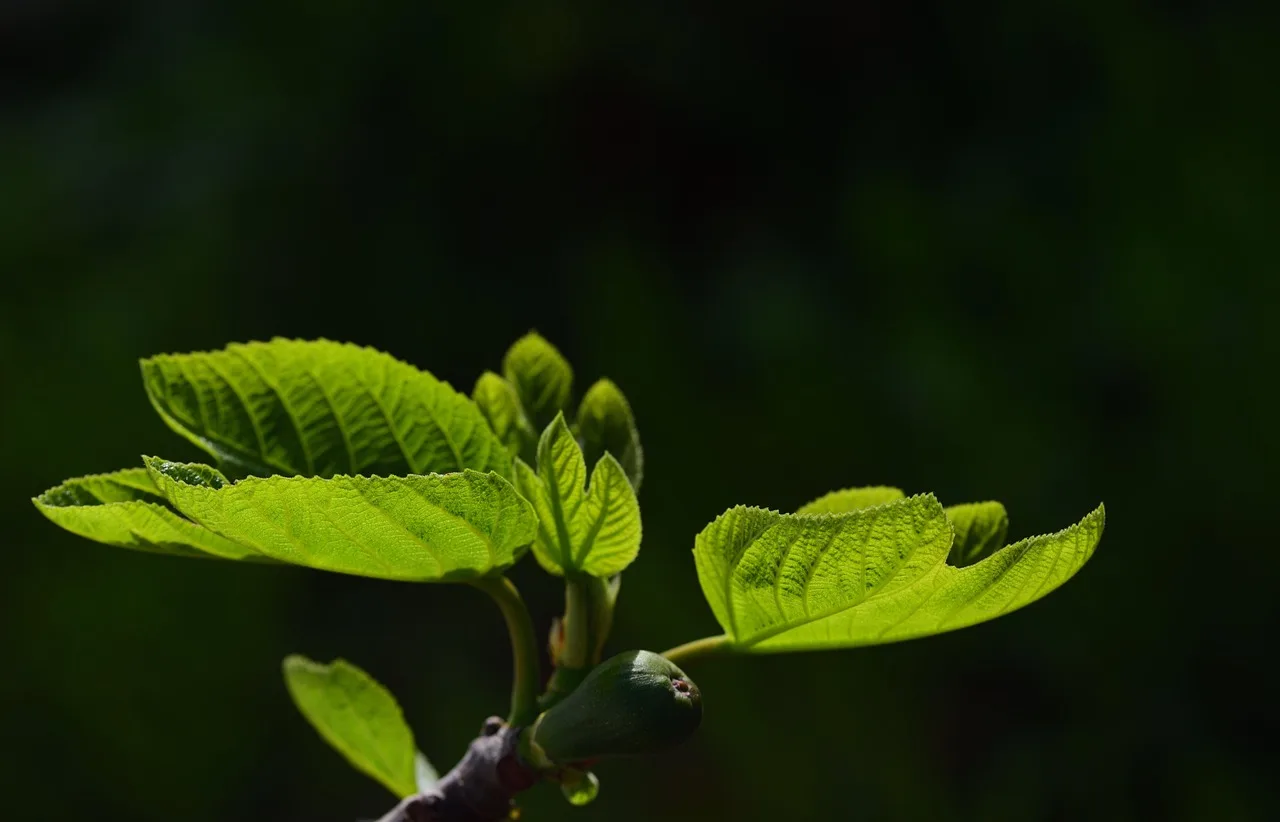
Use dormant storage if you want the lowest-maintenance option. Keep the plant cool, and just moist enough that the root ball never dries out completely. Active indoor growth is a different plan: it needs bright grow lights, more water, and close monitoring because warm rooms can wake buds too early.
Dormant figs do best in cool conditions. Many growers use an unheated garage, cold basement, insulated shed, or root cellar. If the tree stays active, the indoor temperature needs to pair with strong light, or the plant stretches, weakens, and often sheds leaves anyway.
Choose dormant storage
- Set the tree in a cool space.
- Keep light low or indirect.
- Check the soil once a month.
- Add enough water to keep the mix barely damp, then stop.
- Do not fertilize until spring growth starts again.
Choose active indoor growth only with strong light
- Place the tree under grow lights for 12 to 16 hours a day.
- Set the canopy a short distance below the fixture.
- Water only when the top layer starts to dry.
- Watch for pest flare-ups every week.
- Stop fertilizing if the tree stalls or drops leaves.
A common first-timer mistake is putting a dormant fig in a warm living room near a window. The room is warm enough to wake buds, but usually not bright enough to keep growth compact. The result is thin shoots, poor leaf quality, and a plant that burns energy instead of resting.
Can you keep a fig outside?
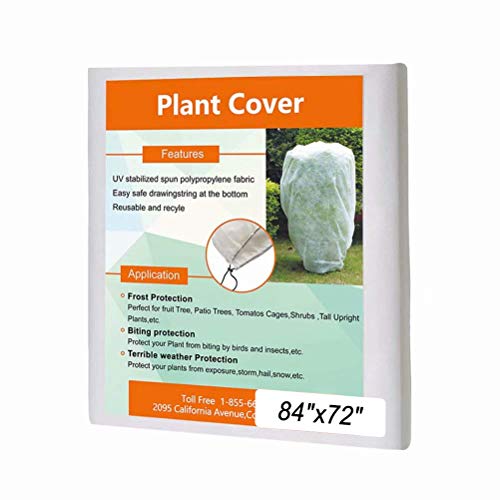
Yes, but only when the tree is hardy enough for your zone and the root zone is protected. Outdoor covering is not the same as overwintering a potted fig indoors. A cover can buffer top growth, yet container roots still face colder air and faster freeze-thaw swings than planted figs.
Use outdoor protection for larger, well-lignified trees in milder zones, and insulate the pot as much as the canopy. If cold weather is coming, especially in the low teens or below, a container tree usually needs storage indoors or in an unheated but protected space.
How to cover an outdoor fig
- Wrap the pot with foam board, straw, or multiple layers of insulating material.
- Lift the container off concrete with wood blocks or pavers.
- Mulch the root zone if the tree is planted in the ground.
- Use a breathable cover on the branches during very cold weather.
- Uncover during mild spells to prevent trapped moisture.
Suppose a mature fig in a large container sits on a patio in zone 7B. Covering the branches helps, but leaving the pot bare on concrete can still chill the root ball. In that setup, pot insulation matters more than the top cover.
Fig tree decision table
This table turns forecast lows and plant condition into one of three actions: leave out, move to dormant storage, or keep under grow lights. If the tree is young, in a small pot, or still carrying leaves, lean toward earlier protection.
| USDA zone | Tree age | Pot size | Recent low temperature | Leaf drop status | Recommended action | Troubleshooting |
|---|---|---|---|---|---|---|
| 3-4 | Young | Small | 30°F to 35°F | Little or no leaf drop | Move to dormant storage | Do not wait for a hard freeze; roots can be damaged quickly |
| 5 | Mature | Medium | Mid 20s°F | Most leaves dropped | Move to dormant storage | Check for pests before bringing it in |
| 6A | Young | Small | Upper 20s°F | Partial leaf drop | Move to dormant storage | Young potted figs need more protection than mature trees |
| 6B-7A | Mature | Large | Low 20s°F | Full leaf drop | Leave out with insulation or move to cool storage | If buds swell early, the storage space is too warm |
| 7B | Mature | Large | Above 15°F | Full leaf drop | Leave out with protection | Make sure the pot does not freeze solid against a slab |
| Any zone | Any age | Any | Indoor room temperature | Any | Keep under grow lights | Use this only if you want active growth, not dormancy |
Young potted figs
Young potted figs need more protection because new wood has not fully lignified and the root system is usually smaller. If the tree has not had 3 or more months to harden off before hard frost, treat it as vulnerable.
For a young tree, the safest move is usually cooler storage, not a warm room and not exposed outdoor overwintering. A small pot can freeze faster than the top growth suggests, so root protection matters as much as branch protection.
How to handle an immature tree
- Move it to dormant storage before hard freezes.
- Use the smallest stable pot move you can manage.
- Wrap the container before the first deep cold spell.
- Keep the soil barely damp through winter.
- Delay fertilizer until new growth is obvious in spring.
Picture a one-year-old fig in a 7-gallon container with green leaves still hanging on after the first frost. That tree is not ready to sit outside through a stretch of low 20s°F nights. Move it in, because age and pot size matter as much as the forecast.
Common mistakes
Warm-room storage without enough light is the fastest way to get weak, leggy growth. Overwatering dormant figs is another common error; roots need moisture, not soggy soil. A third mistake is putting the pot directly on a cold slab, where the root ball can freeze much faster than the top growth.
Also avoid assuming that a cover alone can protect a container fig through cold snaps. Branch insulation and root insulation solve different problems. If the container is small or the tree is young, move it sooner.
If that didn’t work, try this next
- Move the tree to a cooler space if buds are swelling indoors.
- Cut back watering if the soil stays wet for more than a week.
- Add more pot insulation if the container feels icy to the touch.
- Move the tree under grow lights if you want active indoor growth instead of dormancy.
Prevention matters most in fall: inspect for pests, reduce watering, and choose the storage method before the first cold snap. That keeps the tree from bouncing between too warm and too cold, which is where most overwintering failures begin.
Frequently asked questions
Can you bring fig trees inside for winter?
Yes. Container figs can go inside for dormant storage or active growth, but the two methods are not interchangeable. If you want dormancy, use a cool space. If you want active growth, you need strong grow lights and closer watering control.
How do you winter a fig tree indoors?
Pick one of two setups: cool dormant storage or bright active growth. For dormancy, place the tree in an unheated garage, cold basement, insulated shed, or root cellar and keep the soil barely damp. For active growth, use grow lights for 12 to 16 hours a day and monitor for pests weekly.
When should I bring my fig tree inside for winter?
Bring it in after the first one or two light frosts, or sooner if the forecast calls for low 20s°F and the tree is young or in a small pot. Leaf drop is a strong signal. In zones 3 through 7, container figs often need protection earlier than planted figs.
Should I cover my fig tree in winter?
Sometimes, but only as part of outdoor protection. A cover can help the top growth, yet it does little for a container root ball sitting in cold air. If the tree is in a pot, insulate the container and keep it off concrete. If cold weather is coming, move it to storage instead.
What temperature is too cold for a fig tree?
For container figs, roots can be damaged long before the top growth dies back. In a pot, the safer threshold is usually higher because the roots are exposed above ground level.
How often should I water a fig tree in winter storage?
Check the soil about once a month during dormancy. The mix should stay barely damp, not wet. Add enough water to moisten the root zone, then stop. Do not fertilize until spring growth starts, because winter feeding can push weak growth at the wrong time.