How to Stop Fungus Gnats on Overwintering Plants Inside the House
Set yellow sticky traps near the soil line, water only after the top layer dries, and treat the potting mix with Bti about every 5 to 7 days until adults stop appearing; if the plant can handle it, let about the top inch of mix dry between waterings. If you ignore the problem, fungus gnats can move from one overwintering pot to every houseplant, and larvae can keep feeding on tender roots. This guide shows how to stop the indoor cycle without stressing overwintering plants.
Why overwintering plants attract gnats


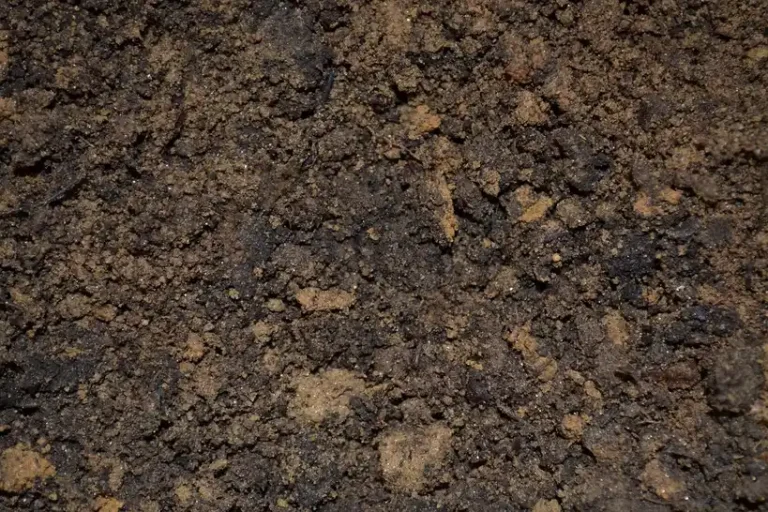
Fungus gnats often appear after plants come indoors because overwintering usually means cooler light, slower growth, and wetter soil than the plant can use. Moist potting soil is the main breeding site. One pot can keep producing adults.
Adult fungus gnats are small dark flies, about 1/16 to 1/8 inch long. They are weak fliers and often show up near light sources or when watering disturbs the mix. The damaging stage is the larva: a pale or translucent worm-like insect with a black head that feeds on fungi, decaying organic matter, and root hairs.
What you’ll need
- Yellow sticky traps
- Bti product such as Gnatrol or Mosquito Bits
- A measuring spoon or scoop for mixing treatments
- Clean watering can
- Fresh potting mix, if repotting becomes necessary
- A saucer or tray to keep runoff contained
What should you do first?
Start with adult monitoring and moisture control. Put yellow sticky traps near the soil surface, then stop watering on a fixed schedule and water only when the top layer has dried enough for that plant. This breaks the cycle without shocking the roots, which matters most for tender overwintering plants that need to survive the season indoors.
- Place sticky traps. Set one card at pot level or just above the foliage, because adults fly weakly and often move close to the soil. Traps catch adults, but they do not touch eggs or larvae.
- Check the soil surface. Look for adults lifting off when you water, or for damp mix that stays wet for days. Moist soil is what keeps the breeding cycle going.
- Adjust watering. Water less often, and let the top inch dry whenever the plant can tolerate it. For many overwintering plants, a useful target is letting about the top inch dry before the next watering.
How dry should the soil be?
For most overwintering plants, the safest target is to let the top inch of soil dry before watering again. That is the key control step. Do not force this on moisture-sensitive plants that need steadier moisture, because root stress can be worse than the gnats.
Say your plant is a moisture-hungry tropical kept in a bright window. Letting the top inch dry can be enough to reduce gnat breeding without drying the root ball to the core. By contrast, a plant that wilts fast from dry soil may need soil treatment and a more cautious watering schedule.
Fungus gnat decision table
Use the table to match the plant and infestation level to the first move, the follow-up, and when repotting becomes worth the risk. The safest choice depends on both the plant’s moisture needs and how many adults you are seeing.
| Plant type | Infestation level | Safest first-line action | Second-line treatment | When to repot | Do not dry this plant too far |
|---|---|---|---|---|---|
| Succulents and cacti | Light | Let mix dry fully between waterings; set sticky traps | Bti drench every 5 to 7 days | Only if adults keep emerging after repeated Bti use | No |
| Geraniums, herbs, many flowering overwintering plants | Moderate | Sticky traps plus longer dry-down at the top inch or 2 inches | Bti or diluted neem oil, repeated weekly | If the mix stays soggy or gnats return after 2 to 3 rounds | Sometimes |
| Ferns, peace lily, begonias, other moisture-sensitive plants | Light to moderate | Trap adults and shorten watering intervals without severe drying | Bti as the preferred soil treatment | If larvae keep appearing and drainage is poor | Yes |
| Any overwintering plant | Heavy or recurring | Trap adults, stop overwatering, treat soil | Bti plus a diluted hydrogen peroxide drench, or neem oil on a weekly schedule | When the pot stays wet, roots are crowded, or adults keep returning after repeated treatment | Yes for sensitive species |
Which treatment should you use?
Bti is usually the best first soil treatment for an overwintering plant because it targets larvae in the potting mix and is easier on roots than harsher drench options. Neem oil and hydrogen peroxide are sometimes used, but they are not as reliable as Bti and should not be treated as a one-and-done fix. Severe cases may still need repotting with fresh mix.
- Use Bti first. Mix or apply it according to the product label, then repeat every 5 to 7 days for heavy infestations. Gnatrol and Mosquito Bits are common Bti products, and repeat treatment matters because the life cycle can keep running for weeks.
If that didn’t work
If adults keep showing up after repeated Bti or the soil stays wet long after watering, move to the next step instead of adding more of the same treatment. The problem is usually still active larvae in the mix, not the flying adults alone.
- Inspect drainage. Check whether water drains freely from the pot. Slow drainage keeps the top layer moist and supports larval survival.
- Escalate the soil treatment. Reapply Bti on the label schedule.
- Repot only if needed. Move to fresh mix when the infestation is heavy, recurring, or tied to soggy soil that will not dry down. Use a mix that drains better.
Suppose a rosemary plant comes inside in October and gnats appear every time the pot is watered. Sticky traps may cut the adult count quickly, but the soil still needs repeated Bti or a careful repot if the mix stays wet. (WISC)
Common mistakes
The most common mistake is treating only the flying adults. Sticky traps help track the problem, but they do not reach eggs or larvae. Another mistake is drying every overwintering plant to the same level. Moisture-sensitive plants can suffer if you follow dry-down advice too aggressively.
- Do not rely on one sticky card to solve a pot-wide infestation.
- Do not water on a fixed calendar if the top layer is still damp.
- Do not use strong hydrogen peroxide mixes on roots that are already stressed.
- Do not repot every plant immediately; save that step for severe or recurring cases.
Prevention: Keep the top inch of soil dry when the plant can tolerate it, and separate new indoor arrivals from the rest of the collection for a few weeks. One infested overwintering pot can seed adults across a room if the mix stays moist.
Frequently asked questions
Why do fungus gnats show up on overwintering plants inside the house?
They often arrive with the plant and then multiply indoors because the potting mix stays moist longer than it did outside. Cooler winter light slows drying, and fungus gnats lay eggs in damp soil. One infested pot can become the source for more pots if watering stays generous.
What is the fastest way to get rid of fungus gnats in indoor plants?
Start with yellow sticky traps and reduce watering at once, then treat the soil with Bti on a repeated schedule. That combination attacks adults and larvae at the same time. For most infestations, the visible adult count drops before the larval cycle is fully broken.
How dry should the soil be before watering again to stop fungus gnats?
Let the top inch dry before the next watering. If the plant is moisture-sensitive, shorten the drying period and rely more on traps and Bti. The goal is less moisture, not root stress.
Do sticky traps kill fungus gnat larvae or only adults?
Only adults. Sticky traps catch the small flying gnats near the soil surface or leaves, but they do nothing to eggs or larvae in the mix. Use them as a monitor and a pressure reducer while you treat the soil and adjust watering.
Will neem oil, hydrogen peroxide, or mosquito bits work better for fungus gnats?
For most overwintering plants, Bti is the best first choice because it targets larvae and is gentler on roots when used as directed. Neem oil can help some growers, while diluted hydrogen peroxide is a quicker soil drench but can be harsher. Many heavy cases need more than one round.
Should I repot an overwintering plant if fungus gnats keep coming back?
Repot when the infestation is severe, the mix stays wet, or repeated Bti treatments do not stop new adults. Use fresh, better-draining mix and clean the pot before refilling it. Repotting is a last-resort move.