How to Move Plants Back Outside in Spring Safely
Move houseplants outside after night temperatures stay above about 50°F (10°C), then start them in bright shade for about 2–3 days, add morning sun for about 2–3 days, and only then give them more direct light. Skip this and leaves can bleach, scorch, wilt, or drop within days from sunburn or cold shock. This guide gives a day-by-day hardening-off schedule, signs to separate sunburn from temperature stress, and a rescue plan if damage has already started.
When can plants go back outside?


Wait for nights that stay warm for several days in a row. Most indoor plants can go outside once nights stay above 55°F, and many tropical houseplants come from places where nights rarely drop much below that. A single 75°F day does not matter much if the next night falls to 42°F.
Use the night low as the go/no-go signal. If your forecast still shows late frost, a cold snap, or repeated dips below 55°F, it is usually best to keep plants inside. Cold soil in pots also lags behind air temperature, so a sheltered patio can still be too chilly even when daytime weather feels mild.
What you’ll need
- A covered porch, north-facing wall, or tree canopy for deep shade
- A spot with dappled sunlight and some wind protection
- A finger or moisture meter for daily soil checks
- Watering can
- Labels or painter’s tape to track plant groups and dates
- Fertilizer for later, after full acclimation
How to harden off plants
- Start in protected shade. Put plants outside in full shade or bright shade for the first 2–3 days, as a common stepwise approach. A covered porch, north-facing wall, or tree canopy works well because it cuts wind and blocks direct sun, which lowers shock.
- Check overnight lows first. Move plants out only when nights consistently stay above 55°F, and hold off on more tender plants like calathea until nights are closer to 60°F. Do not use daytime warmth alone as the signal.
- Add short morning light. On days 3 through 5, give plants about 2–3 hours outside, with gentle morning sun before 10:00 AM if the plant seems to tolerate it. Bring it back inside before the harsh 11:00 AM to 4:00 PM window.
- Increase exposure gradually. By day 4 or 5, move to 4–6 hours outside in dappled sunlight. Add time over about two weeks, not all at once, so leaves can build tolerance instead of bleaching in one afternoon.
- Watch night and wind stress. Keep plants sheltered from hot dry wind and rain exposure during the transition. Thin-leaved plants lose water fast outside, and wind can turn mild light into leaf scorch.
- Move into sun last. After about 1–2 weeks, give the sunniest plants a few hours of direct light, then extend slowly. Cacti, succulents, crotons, and citrus handle more sun later, but afternoon sun is the highest-risk period.
Which plants need more shade first?
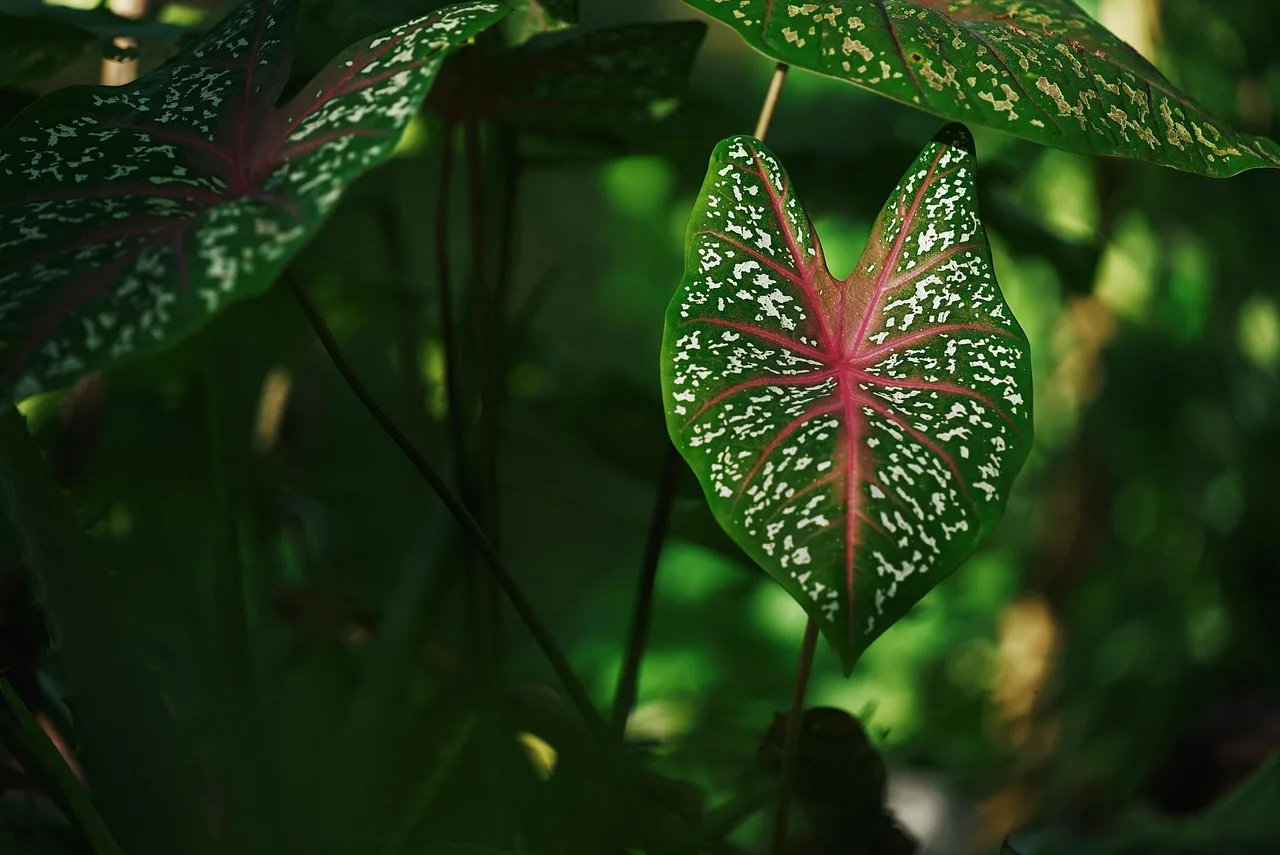
Start almost everything in shade first, then sort by tolerance. Tropical foliage, ferns, calatheas, and many flowering houseplants usually need the most protection. Succulents and cacti can move toward brighter light sooner, but even they should not go from indoor window light to full sun in one day.
Tropical foliage
Pothos, philodendron, monstera, snake plant, ZZ plant, peace lily, and hoya are commonly treated as 55°F-and-up plants. Give them protected shade first, then dappled light. They often show stress as drooping or yellowing after a cold night, while sunburn appears as pale or crispy patches later.
Succulents and cacti
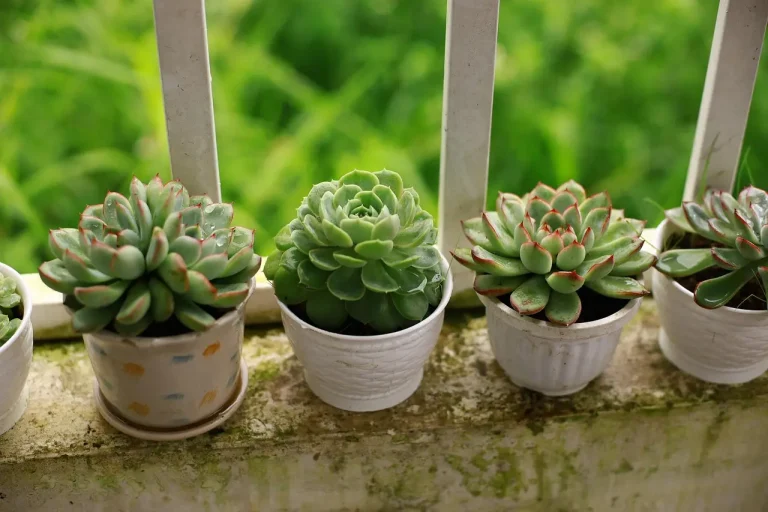
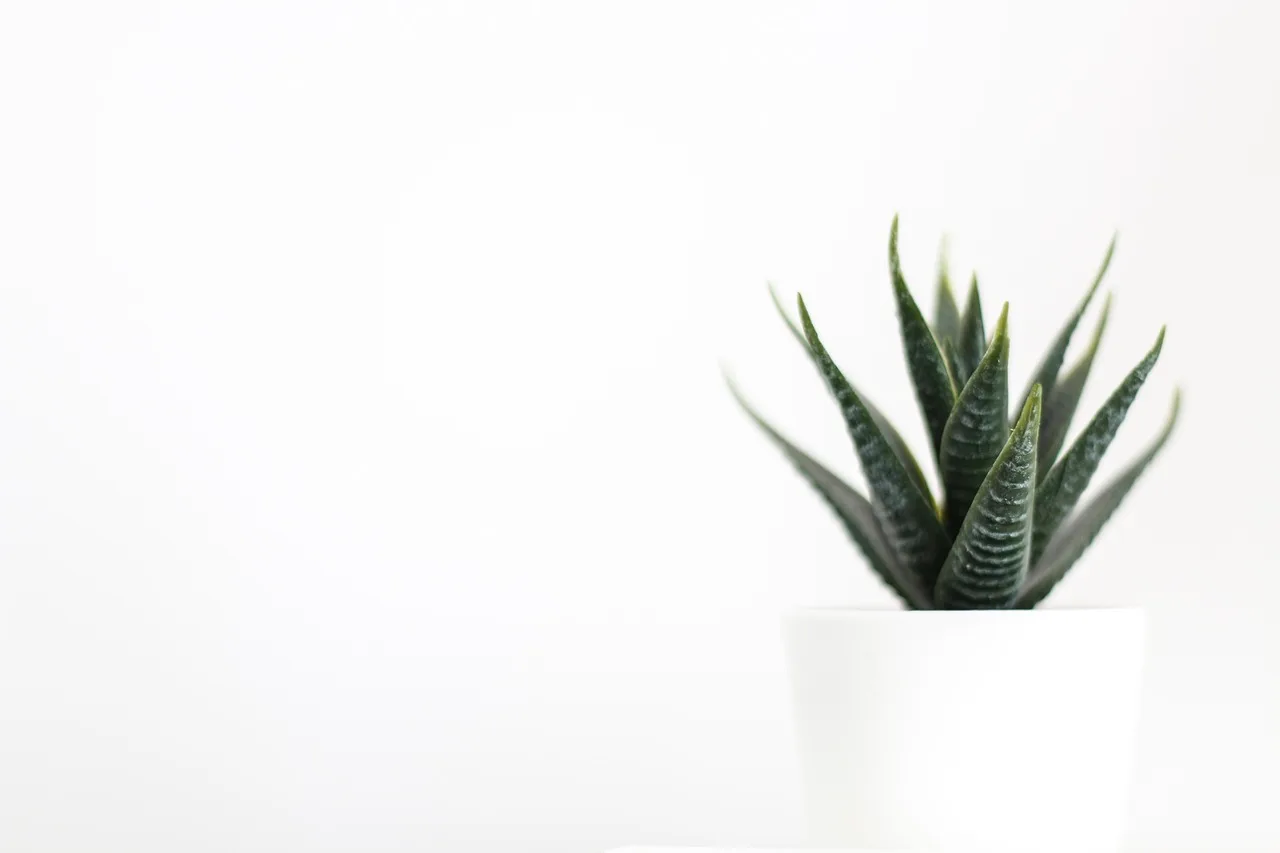
Aloe and most cacti and succulents are often grouped at 50°F and up, so they can go outside a bit sooner than tropicals. Even so, their indoor-grown leaves can still burn fast. Put them in bright shade first, then move them toward morning sun only after a few days.
Ferns and calatheas
Calathea is commonly listed at 60°F and up, and ferns usually prefer protected light and higher humidity. These are poor candidates for direct midday sun. A sheltered porch with filtered light is safer than an exposed patio, and wind protection matters as much as light.
Flowering houseplants
Flowering houseplants can lose blooms or bud set if moved too fast. Keep them in shade for the first stage, then ease into morning sun only if the leaves stay firm and the pot dries at a normal pace. If flowers wilt after the move, reduce light before increasing water.
Woody herbs
Woody herbs such as rosemary, thyme, and lavender usually want more sun than tropical foliage, but they still need a slow shift from indoor conditions. Give them bright shade first, then direct sun in the morning, and keep them out of the hottest afternoon window until they harden off.
Spring plant checklist
| Day | Hours outside | Light level | Overnight temperature threshold | Watering check | Stop/advance decision rule for five plant groups |
|---|---|---|---|---|---|
| 1 | 2–3 | Deep shade / protected shade | Above 55°F; calathea closer to 60°F | Check top 1 inch of soil | Hold. Tropical foliage, ferns/calatheas, and flowering houseplants stay in shade; succulents/cacti and woody herbs may stay out only if sheltered and dry. |
| 2 | 2–3 | Deep shade / protected shade | Above 55°F | Finger test or moisture meter | Advance only if firm. No droop, no leaf curl, no cold-night forecast. |
| 3 | 3–4 | Bright shade | Above 55°F | Water only if the mix is drying faster than inside | Hold for shade lovers. Ferns/calatheas stay protected; tropical foliage can step up if leaves are unchanged. |
| 4 | 4–6 | Dappled sunlight | Above 55°F | Check daily; terra cotta dries faster | Advance cautiously. Morning sun before 10:00 AM is acceptable for tougher plants; stop if leaves pale. |
| 5 | 4–6 | Dappled sunlight | Above 55°F | Water if the top layer is dry and the pot feels light | Keep moving slowly. Succulents/cacti and woody herbs may take more light; tropical foliage stays filtered. |
| 6 | 6 | Morning sun, then shade | Above 55°F | Recheck after sun exposure | Stop if scorched. Any bleached patch means the plant needs another shade day. |
| 7 | 6–8 | Morning sun, then shade | Above 55°F for at least a week | Water more often if evaporation has increased | Advance only on stable nights. No late frost, no cold snap, no windy exposure. |
| 8 | 6–8 | Dappled sunlight with a longer morning sun window | Above 55°F | Check the root zone, not just the surface | Advance for tougher plants only. Cacti, succulents, crotons, citrus, and woody herbs can take more sun later. |
| 9 | 8 | Morning sun, avoid 11:00 AM–4:00 PM | Above 55°F | Water before heat builds | Hold tender plants back. Tropical foliage and flowering houseplants may still scorch. |
| 10 | 8 | Mixed dappled light and short direct sun | Above 55°F | Check again after windy days | Advance if unchanged. No leaf edge crisping, no collapse, no new spots. |
| 11 | 8–10 | More direct light for sun-tolerant plants | Above 55°F | Water as needed; outdoor pots dry faster | Move only the sun lovers. Succulents/cacti and woody herbs can step up; calatheas stay shaded. |
| 12 | 8–10 | Direct morning sun | Above 55°F | Recheck at day’s end | Hold at morning sun. Afternoon sun remains the highest-risk period. |
| 13 | Overnight outside only if hardy | Direct light by day, sheltered at night | Above 50°F for overnight placement | Water if pots dry quickly in wind | Only the hardiest advance. Outdoor overnight placement is for acclimated plants, not fresh transplants. |
| 14 | Full day for tolerant plants | Normal outdoor spot | Above 50°F overnight, stable weather | Use daily checks or every few days depending on pot size and material | Finish the transition. Keep tender plants in partial shade if they still show stress. |
What if a plant is already stressed?
If the leaves are already scorched, move the plant back to bright shade right away, then pause any further light increase for several days. Sunburn shows as bleached or crispy tissue, while cold injury often looks blackened or water-soaked. Cold damage can appear days after the chill, so do not assume a plant is fine just because it looked okay yesterday.
If a pothos spent one hot afternoon on an exposed deck and came back with pale patches on the top leaves, move it to a covered porch, keep it out of afternoon sun, and skip fertilizer. If the next night dips near 50°F, bring it in again and let it recover before retrying the move.
If that didn’t work, try this next
- Cut exposure back. Return the plant to deep shade or bright shade for 3 days. This reduces transpiration and gives damaged tissue time to settle.
- Inspect soil moisture. Check the pot daily. If the top inch is dry, water thoroughly; if the pot is still damp, wait. Pots outdoors dry faster, especially terra cotta.
- Remove only dead tissue. Snip fully crispy leaves or blackened sections after the plant has stabilized. Leave partly green tissue in place so it can still photosynthesize.
- Wait on fertilizer. Do not feed until the plant is fully acclimated. After recovery, use a diluted balanced liquid fertilizer if growth resumes.
Common mistakes
Moving plants out because the day feels warm. Warm afternoons can hide a cold night ahead. Always check the overnight forecast first.
Skipping shade and going straight to sun. That is the fastest path to scorch. Even sun-tolerant plants need a slow ramp over about two weeks.
Ignoring wind and dry pots. A sheltered porch is safer than an exposed patio, and terra cotta dries quickly. Daily soil checks prevent wilting that looks like sun damage.
Feeding too early. Fertilizer before acclimation can add stress. Wait until the plant is settled, then feed lightly if needed.
Frequently asked questions
How do I move houseplants outside in spring without scorching them?
Start in bright shade for 2–3 days, then move to dappled light, then short morning sun. Keep plants out of the 11:00 AM to 4:00 PM window at first, and wait for nights above 55°F before starting. That slow ramp lowers both sunburn and cold shock.
When is it warm enough to put indoor plants back outside?
Use overnight lows, not daytime highs, as the deciding number. Most indoor plants can go outside once nights stay above 55°F, and tender plants such as calathea do better when nights are around 60°F. A warm day followed by a cold night is still a risk.
How long should I harden off plants before full sun?
Plan on about 1–2 weeks. The first 3 days should be in deep shade or bright shade, then 4 to 6 hours in dappled sunlight, then longer exposure only if the leaves stay firm and unchanged. Full sun is the last step, not the first.
Should plants go into shade first when moving them outdoors?
Yes. Shade first is the safer route for nearly all houseplants because indoor leaves are not ready for direct outdoor light. A covered porch, north-facing wall, or tree canopy gives a controlled first stage before you add morning sun or longer exposure.
Which plants can go outside sooner, and which need more protection?
Aloe, most cacti and succulents, and many woody herbs can move up the light ladder sooner than tropical foliage. Ferns, calatheas, peace lilies, and flowering houseplants need more shade and steadier nights. If in doubt, keep the plant in filtered light longer.
Do I need to change watering when plants move outside?
Yes. Outdoor pots dry faster, especially in wind and in terra cotta containers. Check soil every day or every few days with a finger or moisture meter, then water when the top layer dries. Do not assume rain or humidity will cover the gap.
Can I fertilize right after moving plants outdoors?
No. Wait until the plant is fully acclimated and showing no stress. After that, use a diluted balanced liquid fertilizer if growth calls for it. Feeding too early can push a stressed plant harder than it can handle.
What signs show a plant is getting sunburned after the move?
Look for bleached patches, crispy edges, and leaf scorch, especially on the side facing direct sun. Sunburn often appears after the plant has already been outdoors for a day or more. If you also see drooping after a cool night, temperature stress may be part of the problem.