Winter Plant Rescue: Signs a Plant Is Declining
If a moved-in plant declines after winter transition, fix light first if it’s stretching or yellowing, water first if soil stays wet or roots smell, and humidity or temperature first if edges crisp or buds drop. Miss the pattern, and the plant can lose roots, drop leaves, or go dormant for the wrong reason. This article shows the symptom cluster to read, the most likely cause to check first, and the fastest fix to try.
Why moved-in plants decline


Indoor move-in can change three things at once: light often drops, humidity often drops, and watering may need to change because the pot can dry more slowly. That shift can trigger temporary adjustment, but it can also expose root trouble, especially if the plant was already stressed before the move.
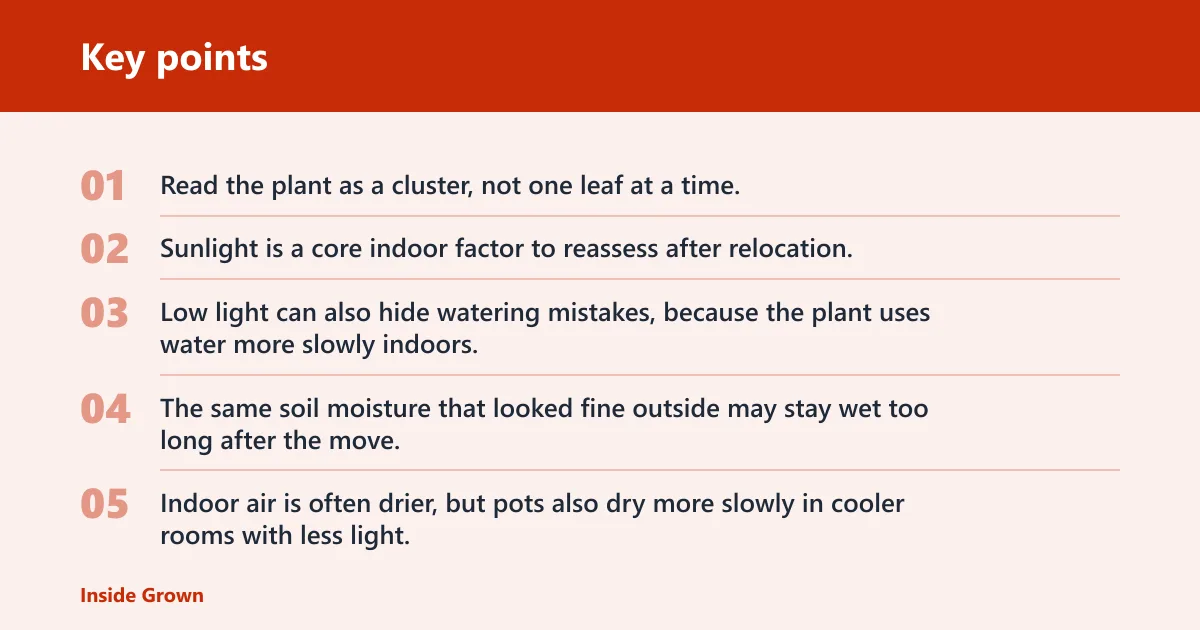
Read the plant as a cluster, not one leaf at a time. Yellowing, drooping, browning, curling, and holes are separate symptom groups, and the order you inspect them should match the symptom pattern, not your first guess.
Light drops indoors after the move
Sunlight is a core indoor factor to reassess after relocation. A plant that had bright outdoor light may now sit in a much dimmer window, and weak light often shows up first in pale new growth, slower growth, or leaning toward the glass.
Low light can also hide watering mistakes, because the plant uses water more slowly indoors. The same soil moisture that looked fine outside may stay wet too long after the move.
Humidity and watering changes
Indoor air is often drier, but pots also dry more slowly in cooler rooms with less light. That combination can trick you into watering on the old schedule, which is one of the quickest ways to damage roots after the move inside.
Overwatering can damage roots and slow growth by cutting off oxygen in the root zone. When roots stay wet too long, the plant may yellow, droop, or stop pushing healthy new leaves even though the soil looks safe on the surface.
When normal adjustment turns into decline
Some leaf drop and brief yellowing can happen during adjustment, especially after a change in light and temperature. The shift turns into a real decline when the symptom cluster keeps spreading, new growth stays weak, or the soil stays wet for days after watering.
A good rule: watch a temporary change once, but investigate a cluster immediately. If yellowing, drooping, and pale new growth arrive together, the plant needs triage, not a random fix.
What yellow leaves usually mean first
Yellow leaves are a major problem category, but they are not a diagnosis by themselves. After a move indoors, yellowing often points first to overwatering or low light, so check those before adding more water.
Old leaves may yellow while the plant adjusts, but widespread yellowing, fast spread, or yellowing paired with droop usually means the plant is not handling water or light the way it should.
Yellowing from overwatering
When roots sit too wet, they lose function and cannot support the canopy well. The result can be yellow leaves, soft stems, and slow decline, especially if the pot mix still feels damp several days after watering.
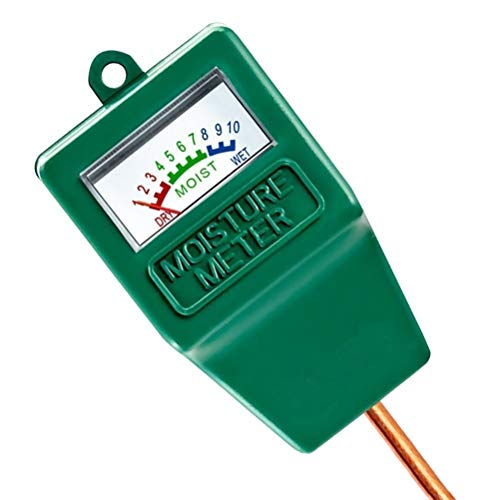
Check the top layer, then probe deeper. If the upper inch feels dry but the lower mix stays wet, the problem is usually not a need for more water.
Yellowing from low light
Low light can cause weak, pale growth and general yellowing because the plant cannot make enough energy to keep leaves strong. This is common after a winter move indoors, especially for plants that had brighter exposure outside.
Look for a wide window gap, long stems, or new leaves that emerge thin and washed out. If light is the issue, moving the plant closer to brighter indirect light often matters more than changing water.
When to check roots before watering again
If yellowing arrives with persistent wet soil, sour smell, or drooping, check root health before watering again. Root health is the hidden cause behind many leaf symptoms, and damaged roots often look like a watering problem from the outside.
Do not answer yellowing with a second watering cycle. That usually makes the root problem worse, especially when the plant has already slowed down after the move indoors.
Why is your plant drooping indoors?
Drooping or wilting leaves are a separate symptom class, and they can point to either underwatering or overwatering. The fastest way to sort them is to check soil moisture, then see whether the plant perked up after a careful drink.
If the soil is dry throughout and the pot feels very light, underwatering is more likely. If the soil is damp, heavy, or smells off, root dysfunction from overwatering is the better first guess.
Underwatering versus overwatering
Underwatered plants usually droop because they cannot move enough moisture into the leaves. The soil will feel dry deeper in the pot, and the plant may recover after a thorough watering if roots are still healthy enough to take it up.
Overwatered plants also droop, but for the opposite reason. Damaged roots cannot move water well, so the plant may look thirsty even while the mix stays wet.
Root dysfunction behind wilting
When roots are stressed, drooping can appear before other severe decline. That makes wilting a symptom to take seriously after a winter move indoors, especially if it comes with yellowing or stalled growth.
Suppose a 10-inch pothos is drooping two days after a full watering, and the soil still feels wet three inches down. That pattern points more toward root stress than thirst, so watering again would add risk instead of solving the cause.
How fast decline changes the diagnosis
Speed matters. A plant that droops in a dry pot may need water soon, while a plant that droops in a wet pot needs a different fix and may need a root check before anything else.
Fast worsening, foul soil smell, or leaves that collapse after staying wet usually points to a more serious root issue. A slower decline with dry soil points more toward water shortage or light-related stress.
Pale or stunted new growth indoors
Pale or stunted new growth is often the clearest clue that sunlight is too weak after the move indoors. Old leaves can stay green while new leaves come in smaller, thinner, or lighter than normal.
Overwatering can also cause stunted growth, so weak new growth should trigger a check of both light and soil moisture. The difference is often in the pattern: low light usually slows the whole plant, while wet roots often come with yellowing and droop too.
Signs that sunlight is too weak
Look for long internodes, small new leaves, and growth that leans toward the brightest spot. That pattern means the plant is reaching for more light, not necessarily asking for more fertilizer or more water.
Sunlight problems often appear in new growth first because that tissue is built under current conditions. If the newest leaves look pale while older leaves still hold shape, reassess the light before changing several other variables.
How overwatering can mimic weak growth
Overwatering can also cause stunted growth because damaged roots cannot feed new tissue well. In that case, the plant may look stalled, pale, or smaller than usual even when the room is warm enough.
If the pot stays wet and the new growth looks weak, do not treat it as a fertilizer issue first. Root function comes before feeding.
What new growth tells you that old leaves do not
Old leaves often reflect past conditions. New growth reflects current ones. That makes pale or stunted new leaves one of the best clues that the indoor move changed something the plant now needs fixed.
A common first-time mistake is chasing an older yellow leaf while ignoring fresh growth that looks thin and washed out. The newest growth is often the better warning sign.
Browning, curling, and edge damage
Browning and curling leaves are visible stress symptoms, and they often point to moisture stress or an indoor mismatch in air, heat, or watering. Check leaf edges and the soil first, because the same symptom can come from dry air, uneven moisture, or root trouble.
Leaf edges that crisp at the tips may point to low humidity or underwatering. Curling with wet soil points somewhere else, often back to roots or a temperature problem near a vent or cold window.
Moisture stress and dry air
After the move indoors, dry air can make leaf margins brown even when the pot is not bone dry. That is common near heating vents, radiators, or drafty windows.
Moisture stress can also appear when watering is irregular. A plant that swings between dry and wet often shows edge damage before it fails more broadly.
Soil checks that matter first
Before changing anything else, check the soil at two depths. Surface dryness alone does not tell the whole story, and a pot can feel dry on top while staying wet where the roots sit.
If the soil is dry and compacted, water may be running around the root ball instead of soaking in. If the soil is wet and heavy, pause watering and check root health if the plant also droops or yellows.
When curling points beyond water stress
Curling can point to pests, temperature shock, or root stress when the pattern does not fit simple dryness. If curling comes with stippling, sticky residue, or distorted new leaves, inspect for pests. If it comes with wet soil and yellowing, inspect the roots first.
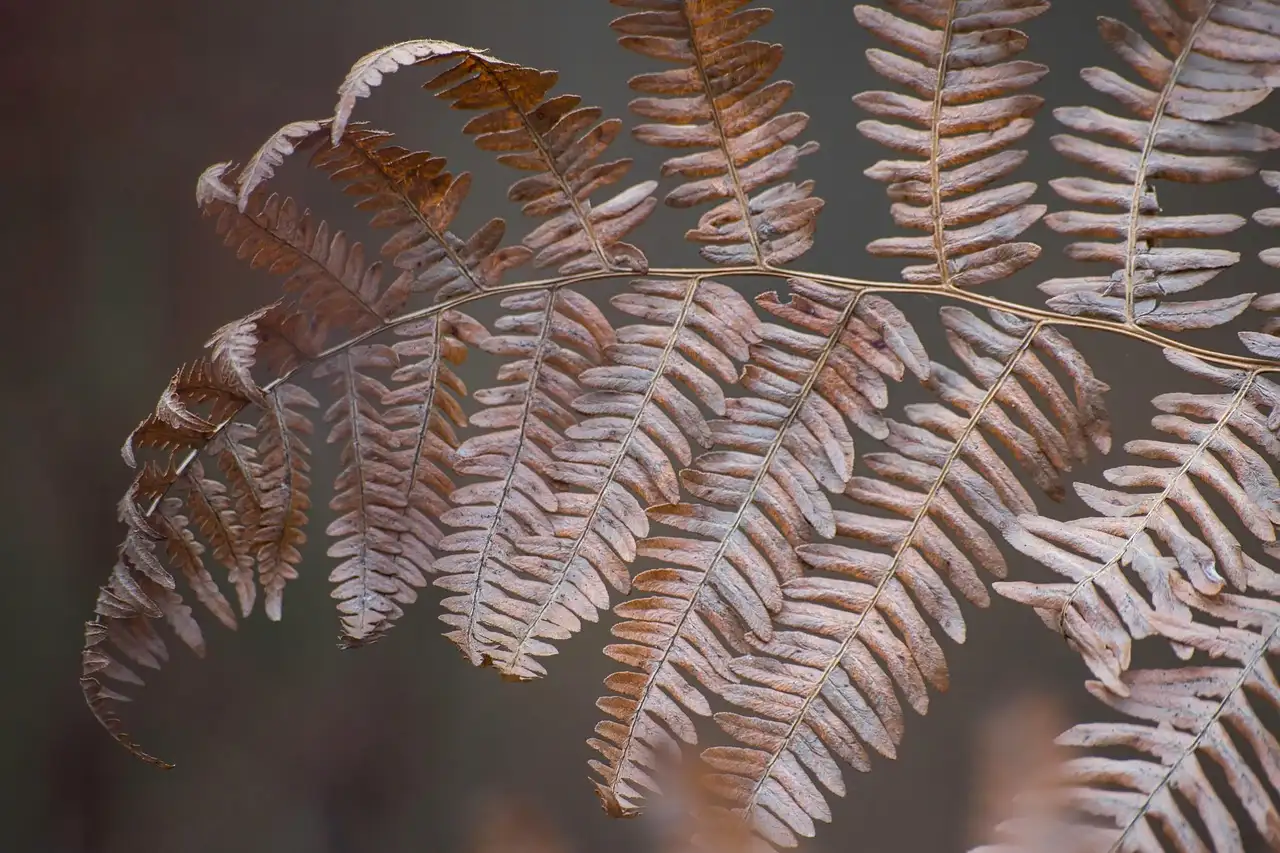
Picture a fern near a heat vent with curled, crispy edges but no yellowing in the center. That points more to dry air and temperature stress than to disease.
What should I check first when a plant starts browning indoors?
Start with the soil, the leaf edges, and the plant’s location before you repot or fertilize. Browning indoors is often tied to moisture mismatch, dry air, or a drafty spot, and the fastest useful fix is usually environmental, not cosmetic.
If the browning is paired with wet soil, yellowing, or drooping, move root health higher on the list. If the browning is mostly at the edges and the pot is dry, focus on watering and air movement first.
How do I tell if leaf curling means pests, drought, or root problems?
Leaf curling can mean all three, so inspect the pattern before reacting. Drought usually comes with dry soil and crisp edges, pests often leave spots, residue, or tiny moving insects, and root problems often arrive with wet soil, yellowing, and a plant that stays limp.
Check new growth first. Distorted new leaves often point more clearly to pests or root dysfunction than older leaves do, because the newest tissue reflects current stress.
Leaf holes and pest clues
Holes in leaves are a distinct foliage issue and are often linked to pest damage. They should be checked alongside discoloration, but not every hole means disease, and not every hole means a current infestation is active indoors.
If the holes are old and the new growth is clean, the issue may have been present before the move. If the holes are fresh, spreading, or paired with speckling, inspect the plant carefully.
When holes are likely pest damage
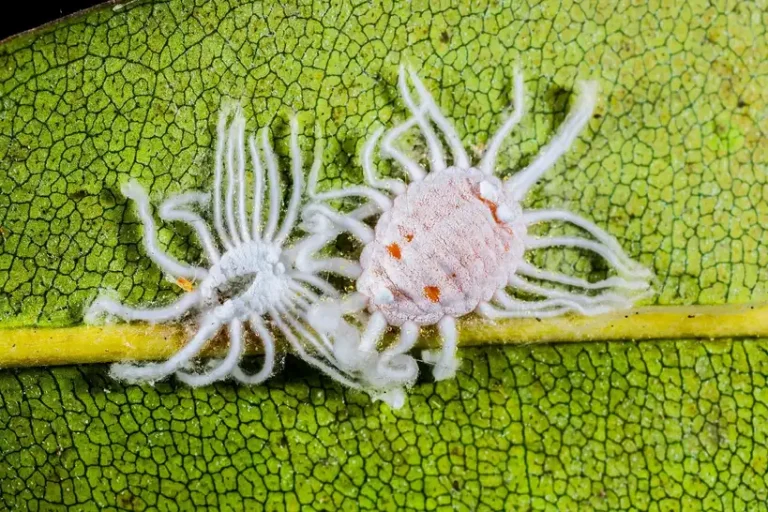
Look for matching signs: chewed edges, small black dots, webbing, sticky residue, or pale stippling. Those details tell you more than the hole itself.
Holes with no other sign may be old injury. Holes with ongoing damage are more likely to need pest treatment.
Why discoloration matters too
Discoloration helps sort pest damage from watering or light trouble. A plant with holes and yellowing may be dealing with more than one issue, but the watering or light problem still needs attention first if the root pattern points that way.
Do not treat every hole as the main problem. The leaf color, soil condition, and new growth pattern usually tell the fuller story.
What to inspect before treating
- Inspect the newest leaves. Look for fresh holes, stippling, webbing, or sticky residue on the newest growth first, because active pests often leave their clearest marks there.
- Check the soil moisture. Feel the mix an inch or two below the surface, and note whether it is dry, damp, or wet. That tells you whether watering stress could be driving the decline at the same time.
- Move the plant into brighter light. If the plant was recently moved indoors and now sits far from a window, place it closer to strong indirect light while you sort out the rest.
Winter plant rescue triage table
| Symptom cluster | Most likely cause | What to inspect first | First corrective action |
|---|---|---|---|
| Yellowing leaves with wet soil | Overwatering and root stress | Soil depth, drainage, root smell | Pause watering and let the mix dry more |
| Yellowing leaves with pale new growth | Low light after the move indoors | Window distance and daily brightness | Move the plant to brighter indirect light |
| Drooping leaves with dry soil | Underwatering | Top and lower soil moisture | Water thoroughly once, then recheck response |
| Drooping leaves with wet soil | Root dysfunction from overwatering | Root health and drainage | Stop watering and inspect roots if decline continues |
| Stunted or pale new growth | Low sunlight or wet roots | Light level, then soil moisture | Increase light first unless soil stays wet |
| Browning and curling edges | Dry air, watering swings, or temperature stress | Leaf edges and room placement | Move away from vents and correct watering rhythm |
| Holes in leaves with fresh damage | Pest feeding | New leaves, undersides, and nearby plants | Inspect closely and isolate if pests are present |
7-day observation checklist
Use this after the first correction, then watch for a shift in the plant’s pattern. The goal is not instant recovery. The goal is to see whether the plant stabilizes, worsens, or starts making healthier new growth.
- Day 1: Record the baseline. Note the main symptom cluster, soil feel at the surface and deeper in the pot, and where the plant sits relative to the window.
- Day 2: Check for spread. Look for new yellowing, faster droop, fresh browning, or additional holes. If the same symptom is spreading quickly, the first fix may not have matched the cause.
- Day 3: Recheck moisture. Feel the pot again before watering. A plant that still feels wet may need more time, while a plant that has dried out completely may need a controlled drink.
- Day 4: Inspect new growth. New leaves should look less pale and less distorted if light and root function are improving. Old damage may remain, but new tissue should look steadier.
- Day 5: Review leaf edges and posture. Browning that stops spreading and drooping that eases are both better signs than perfect-looking old leaves. Watch for a clearer, firmer shape in the newest growth.
- Day 6: Check for pests again. Reinspect holes, undersides, and stems if the plant still looks off. Pest damage can continue even after light or watering improves.
- Day 7: Decide the next move. If the plant is stable or improving, keep the same conditions. If it is worsening, move to a root check, a light reset, or a more careful potting review based on the symptom cluster.
Frequently asked questions
Why is my plant drooping after I brought it inside for winter?
Drooping after a winter move indoors usually comes from underwatering, overwatering, or root dysfunction, and the soil tells you which is more likely. Dry soil points toward thirst. Wet soil points toward root stress. If the plant droops fast and the pot stays damp, stop watering and check drainage first.
How do I know if my moved-in plant is underwatered or overwatered?
Check the soil below the surface, not just the top. Underwatered plants usually have dry soil through the pot and may perk up after watering. Overwatered plants often have damp, heavy soil and may still droop because damaged roots cannot move water well.
What are the first signs a houseplant is declining indoors?
The first signs are often yellowing, drooping, pale new growth, browning edges, or holes that do not fit the plant’s normal pattern. The most useful clue is the cluster. One leaf is noise. Several symptoms together, especially after a move indoors, usually mean you should inspect light, water, and roots.
Why are my plant leaves turning yellow after the move indoors?
Yellow leaves after the move indoors usually point first to overwatering or low light. If the soil stays wet, check roots and stop watering. If the plant is farther from a bright window than it was outside, light may be too weak for healthy growth.
Should I repot a stressed plant right away or wait?
Wait unless the symptom pattern points to root failure, sour soil, or drainage failure that cannot be fixed another way. Repotting adds stress. If the plant only shows temporary adjustment, or if the soil is manageable, light and watering changes should come first.