No Sunny Window? How to Overwinter Plants Indoors
Overwinter houseplants indoors by sorting them by light demand: place sun-hungry plants about 1 to 2 feet from the brightest window, move medium-light plants under a grow light, and give plants that do not tolerate low light a resting spot. Get the placement wrong, and plants stretch, drop leaves, stall, or rot from poor winter watering. This guide shows how to sort plants by light need, where to place them, and when to stop feeding and push growth.
What you’ll need


- A bright window, if you have one
- A sheer curtain or blind for harsh exposure
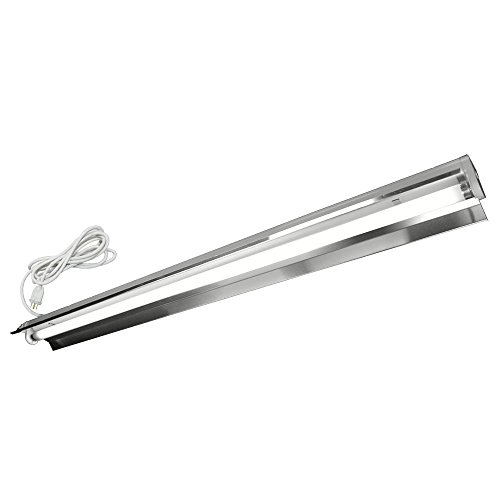
- A simple grow light, such as a T5 fluorescent fixture or a full-spectrum LED option
- A timer for the light
- A ruler or tape measure for placement
- A spray bottle or watering can with a narrow spout
- Clean saucers or trays to catch runoff
- Labels or notes for sorting plants by light need
Can you overwinter plants in a north-facing window?
Yes, but only for plants that truly tolerate low light. North-facing windows usually get little to no direct sun, so they work for cast iron plant and a few other survivors, but they are often too dim for plants that need bright filtered light or winter growth. In many homes, a north window is a holding spot, not a growing spot.
Which plants fit soft, steady light?
Use a north-facing window for cast iron plant, some snake plants, and other low-light survivors that can sit still through winter. These plants handle weaker light better than most, and they are usually less likely to scorch there.
Picture a cast iron plant 8 inches from north glass. That placement can work if the room stays cool and the leaves are not pressed against cold pane or a heating vent.
When a north window is too dim
If a plant leans hard, sends out long weak stems, or drops lower leaves, the window is too dim for that plant. In a north room, low light can still be brighter than people expect for survival, but survival is not the same as active growth. At that point, move the plant closer, add a lamp, or let it rest.
Winter light triage table
Use this table to sort the room before you move a single pot. The goal is to match plant type to usable light, temperature risk, and the kind of winter behavior you want, instead of trying to force every plant into the same corner.
| Spot | Usable light | Temperature risk | Plant type fit |
|---|---|---|---|
| South-facing window | Brightest in most homes; strongest and longest light | High if the glass is drafty or the room is overheated and dry | Sun-hungry plants, many bright-light tropicals, plants that need winter growth |
| West-facing window | Bright, strong late-day light; often 2 to 5 hours of direct afternoon sun | Higher scorch and drying risk | Plants that can take stronger light and dryness, with caution |
| East-facing window | Bright, gentle morning light; often 1 to 3 hours of morning sun | Usually moderate and less stressful than west exposure | Many indoor plants, including those that want bright indirect light |
| North-facing window | Soft, steady light with little to no direct sun | Medium if the glass is drafty, lower if the room is stable | Low-light survivors, winter holding spots |
| 1 to 3 feet from glass | Bright indirect light | Lower draft risk than right on the glass | Bright-filtered-light plants, many common houseplants |
| 6 or more feet from windows | Low light | Lower temperature swing risk, but dimmer | True low-light plants only |
How do you read the table fast?
Start with light, then check cold risk, then match the plant. If a spot is bright but drafty, move the pot back a little or add a sheer. If a spot is stable but dim, treat it as a resting place or add a grow light. If the plant needs active winter growth and the spot cannot provide it, do not force the fit.
- Move closer when a plant is stretching or leaning and the glass is bright enough to support it.
- Add sheer when the window is bright but too harsh for leaves.
- Add grow light when the room is too dim for the plant’s winter needs.
- Rest plant when the plant is better off pausing than pushing growth in low light.
How do you choose between a window, sheers, or a grow light?
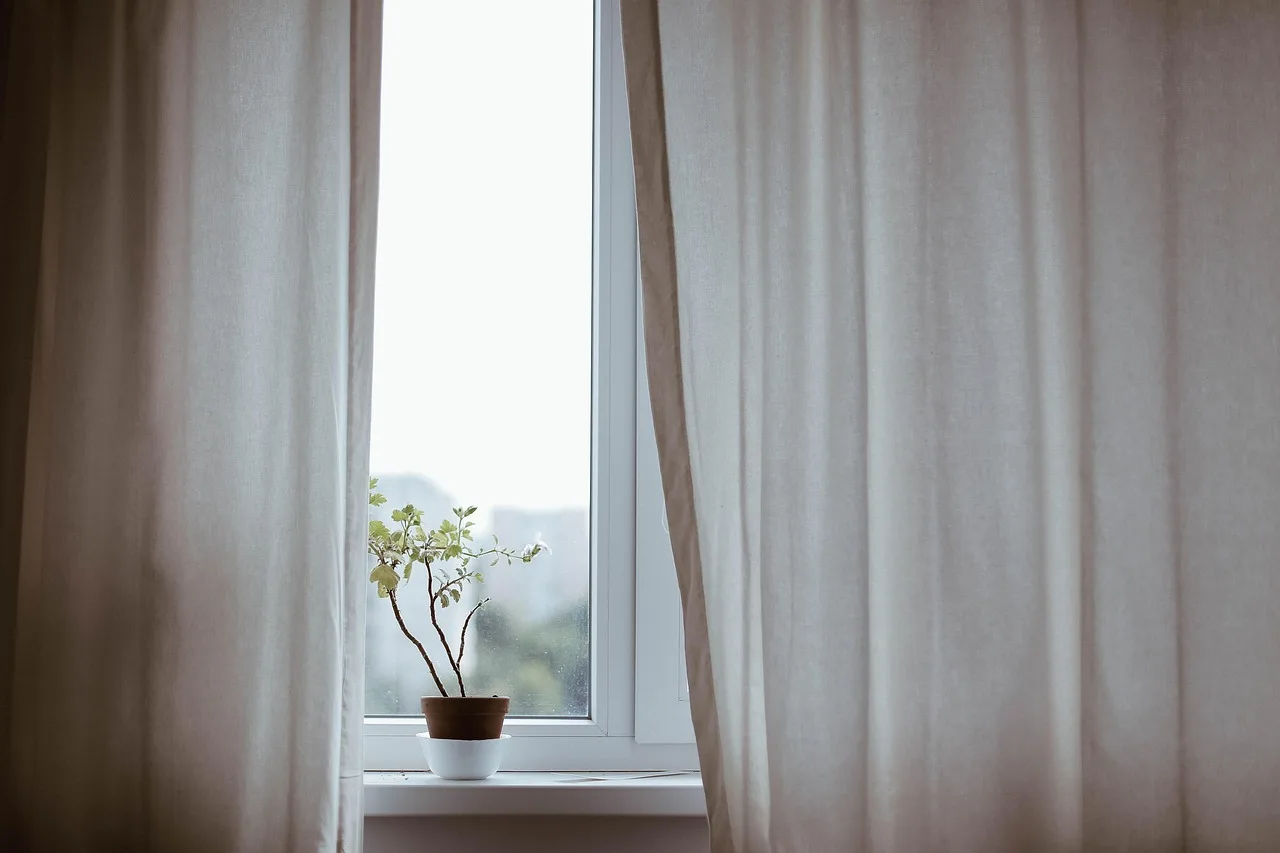
Start with the brightest usable window, then adjust by distance and filtering. If a plant needs bright light, keep it close to glass or use a grow light. If the window is harsh, a sheer curtain can help turn direct sun into usable light. If the room is naturally dim, a lamp is the better fix.
Use distance from glass first
A plant close to glass sits in the brightest zone. Bright indirect light commonly sits 1 to 3 feet from glass, while medium light appears farther back, and low light is often found 6 or more feet from windows. That gap matters in winter because the same shelf can shift from workable to too dim.
- Measure the first placement. Put sun-loving plants within 1 to 2 feet of the brightest window, bright-indirect plants 1 to 3 feet back, and low-light plants farther out only if they are true survivors.
- Check the shadow. Hold your hand between the plant and the light. A sharp shadow means direct light, a soft shadow means bright indirect light, and little shadow means medium to low light.
- Add a sheer curtain. Use one when direct sun is too harsh for leaves but the window is otherwise strong enough. If the curtain makes the room too dim for a sun-loving plant, remove it or move the plant closer.
Choose a grow light when natural light runs out
Use a grow light when a plant needs bright light but the home has no sunny window. Simple T5 fluorescent fixtures or full-spectrum options both work for winter use when they are placed close enough to matter and left on a steady daily schedule.
- Position the fixture. Hang or place the light directly over the plant, not across the room.
- Run it on a timer. Give the plant a steady day length instead of random bursts of light.
- Move the plant, not the lamp. Keep the leaves near the usable light zone and adjust the height if the plant stretches or pales.
Which plants can stay where, and which should rest?
Not every plant should be pushed to grow in winter. True low-light survivors can stay in dimmer rooms, while many other plants should be rested with lower water and less demand. That difference matters because a plant that tolerates winter stasis is not the same as a plant that can keep growing well in darkness.
How do common overwintered plants sort by light?
Use this quick split to avoid guessing. Bright-indirect plants want a strong window or a grow light, low-light plants can handle dimmer rooms, and restable plants should be kept alive with less water rather than pushed for new growth.
Low-light survivors versus winter stasis plants
Cast iron plant is a true low-light plant. It can often work in a north-facing window or a dim corner if the room is not cold and wet. Boston fern is different: it needs a few hours of bright, filtered light and should avoid direct afternoon sunlight. It can also benefit from fluorescent light in fall and winter.
Goldfish plants can handle only brief direct sunlight, so they belong closer to bright windows or under a lamp rather than deep in the room. If a plant only tolerates winter pause, give it cooler, lighter rest and less water instead of trying to force lush new growth.
Say your Boston fern sits 4 feet from an east window and starts dropping fronds in December. Moving it to 1 to 2 feet from the glass, or placing it under a fluorescent fixture, usually helps more than watering it more often.
Room-by-room fallback plan
Basements usually need grow lights if you want active growth. Bathrooms can work for humidity-loving plants only if there is enough light from a window or fixture. Hallways and interior apartments are better for low-light survivors or resting plants, not for sun-hungry species.
- Basement. Use a grow light and keep plants grouped near the fixture.
- Bathroom. Use it for ferns only if the light level is strong enough; otherwise treat it as a rest space.
- Hallway. Reserve it for cast iron plant and similar survivors.
- Interior apartment. Treat it as a grow-light zone for bright-light plants and a rest zone for the rest.
What should you do before winter settles in?
Bring plants inside before temperatures swing hard, because abrupt cold plus lower winter light can slow recovery and increase leaf drop. Once indoors, reduce watering, rotate plants weekly, and keep them away from vents, radiators, and drafty glass. Those heat and cold zones can look like light problems because they dry foliage and roots unevenly.
- Move plants in early. Bring tender plants inside before the first hard cold snap so they can adjust before light is limited.
- Cut watering back. Lower light means slower growth and slower drying, so water only after the top layer of mix has dried enough for that plant.
- Turn weekly. Give each plant a quarter turn each week so one side does not lean toward the light.
- Keep heat off leaves. Move pots away from radiators, vents, and hot dry air that can stress plants even when the window seems fine.
Common mistakes
- Placing a sun-loving plant 6 or more feet from the window and expecting steady winter growth.
- Using a sheer curtain on a weak north window and making an already dim spot unusable.
- Watering on a summer schedule when the plant is drying much more slowly.
- Putting foliage against cold glass or above a radiator and blaming light for the damage.
- Keeping every plant in the same room instead of sorting by light need.
If that didn’t work, try this next
If a plant still stretches after the first move, shift it closer to the window by about 6 to 12 inches and recheck the shadow. If that does not help, add a grow light directly above it for a set daily cycle. If the plant still declines, stop pushing growth and let it rest with less water and no feeding.
Frequently asked questions
How can I overwinter plants indoors with no sunny window?
Use a grow light for plants that need real light, and sort the rest into low-light survivors or winter rest. Put the light directly over the plant, keep it on a timer, and place the plant close enough that the fixture actually reaches the leaves. Dim interiors rarely work for sun-demanding plants without help.
Can plants survive winter in a north-facing window?
Yes, if they are true low-light plants. North-facing windows usually get little to no direct sun, so they suit cast iron plant and similar survivors better than bright-light plants. If leaves stretch, yellow, or fall, the plant is probably asking for more light than that window can give.
Do I need grow lights for overwintering plants in a dark apartment?
For plants that need bright light, yes. A simple T5 fluorescent fixture or a full-spectrum grow light is a practical winter tool when natural light is weak. Put it close to the canopy and keep a steady schedule rather than relying on a room lamp across the room.
How far from a window can I keep indoor plants in winter?
Use distance as a light guide. Bright indirect light commonly sits 1 to 3 feet from glass, while low light is often found 6 or more feet from windows. A plant farther back needs to be a true low-light survivor or it needs a lamp.
Which plants need bright indirect light versus low light in winter?
Boston fern belongs in bright filtered light and should avoid direct afternoon sun. Cast iron plant belongs in low light and can work in a north-facing window or dim corner. Goldfish plants can take only brief direct sun, so they need a brighter position than true low-light plants.
Should I water overwintering plants less indoors?
Usually yes. Lower winter light slows growth and slows drying, so the same pot that needed frequent water in summer may stay wet much longer indoors. Check the mix before watering, and skip any routine that keeps the root zone soggy.
When should I bring outdoor plants inside for winter?
Bring them in before a hard cold snap, not after leaves or stems are already stressed. Early move-in gives plants time to adjust to lower light and indoor dryness while they are still healthy. The earlier the transition, the less likely the plant is to crash from sudden change.
What are the easiest plants to overwinter in low light?
Cast iron plant is one of the easiest because it tolerates dimmer indoor spots well. Other low-light survivors can cope too, but they should be chosen for actual low-light tolerance rather than for summer vigor. If a plant needs bright filtered light, give it a window or a lamp instead of a dark corner.