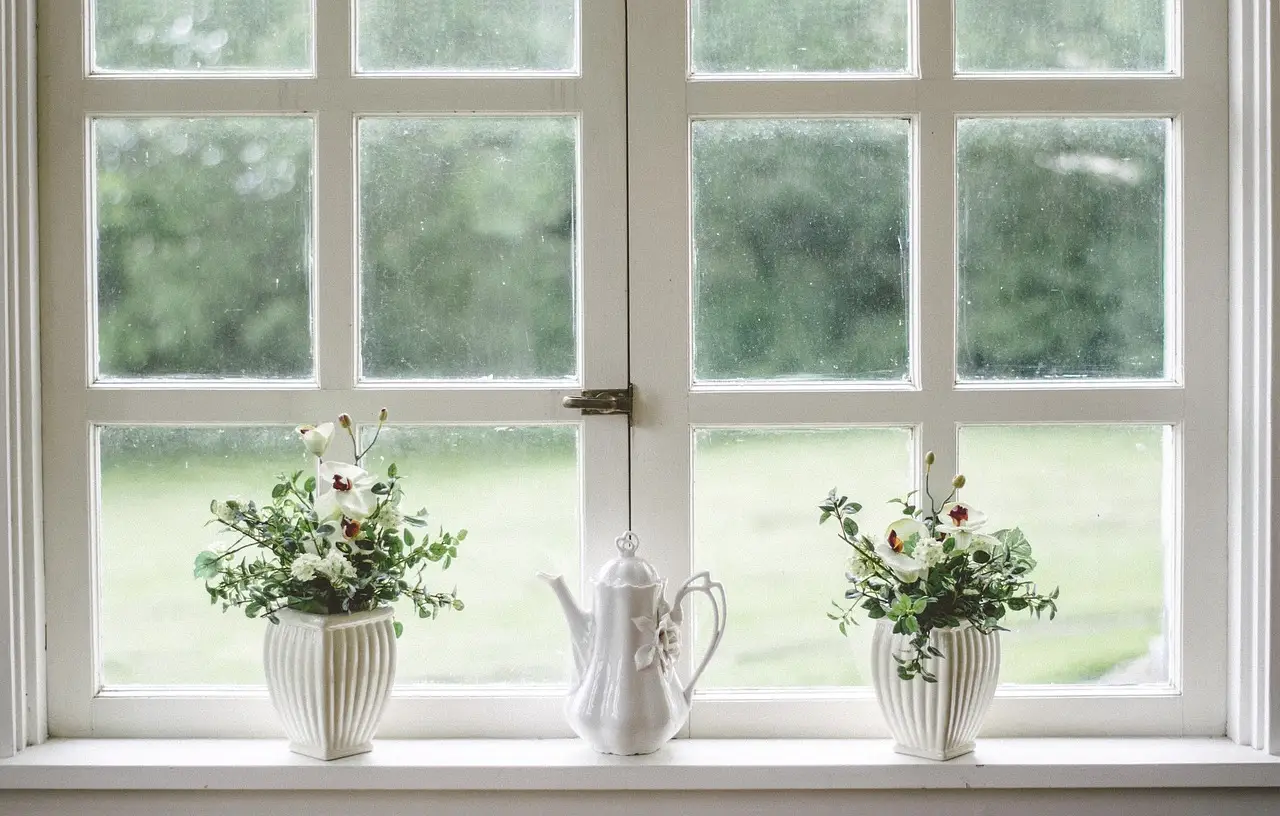
Should You Move Houseplants Away From Windows at Night in Winter?
Move houseplants away from winter windows when the glass drops to around 50°F (10°C) or below, when a draft reaches the leaves, or when the plant is tropical or tender. Many other plants can stay put. Ignore that rule and you can get chilled foliage, leaf drop, stalled growth, and cold injury. This guide explains how to judge the glass temperature, draft exposure, and plant sensitivity so you know which pots to move and which can stay.
Why night cold hits window plants harder than day


Yes, if the window glass is cold enough to chill leaves, the seal leaks air, or the plant is sensitive to cold. Night often brings the biggest risk because the glass loses heat after dark, the air beside it cools, and leaves touching the pane can get damaged even when the room itself feels fine.
How nighttime changes the risk
Window zones often run colder than the rest of the room after sunset. Single-pane glass loses heat faster than double-pane glass, and cold air sinks along the pane, so a pot that looks safe by day can sit in a much colder pocket at night.
Leaf contact with cold glass is usually the first problem. Radiant heat loss to the pane can chill tissue directly, and a draft from a cracked seal adds more stress. That matters more than the thermostat reading.
How cold windows stress houseplants
Cold windows stress plants by lowering leaf temperature, drying tissue with drafts, and creating sharp night-to-day swings. The risk is highest right next to the glass, especially with single-pane windows, frosty panes, or a sill above a radiator that still leaks cold air from the frame.
Glass temperature, drafts, and radiant heat loss
Glass can feel cold enough to damage leaves before the room feels chilly to a person. If the inside pane shows condensation or frost, or if a curtain flutters from leaks, the plant sits in a more exposed spot than the thermostat suggests.
Drafts make the problem worse because moving air pulls heat away from leaves and from the pot surface. That is why a plant can look fine on a calm evening and then show damage after a cold, windy night.
Why leaf contact with glass is the first problem
Leaves touching the pane can blacken, scorch, or collapse at the contact point. Tissue pressed against a frozen or near-frozen surface is more vulnerable than tissue a few inches back, so leaf position matters as much as the plant species.
Say a pothos sits on a south-facing sill in a 68°F room, but one vine drapes across the glass overnight. The room temperature does not protect the touched leaf; the contact point can still brown or turn translucent after repeated cold nights.
Which plants can stay on the sill?
Hardier plants can often stay on a bright sill in winter, especially if the glass is double-pane and the window is not drafty. Tropical houseplants usually need more protection than temperate plants or many succulents, because many tropicals slow down but do not handle cold exposure well.
Tropical plants
Many tropical houseplants are best moved first. Peace lilies, philodendrons, pothos, calatheas, ferns, and similar foliage plants often do better a few inches back from cold glass if nighttime lows near the pane fall around 50°F (10°C) or below.
The reason is simple: these plants are more sensitive to cold injury and often show damage after repeated low-temperature exposure before they show any obvious wilt. Their winter growth slowdown also means they do not recover as fast from stress.
Succulents and hardier plants
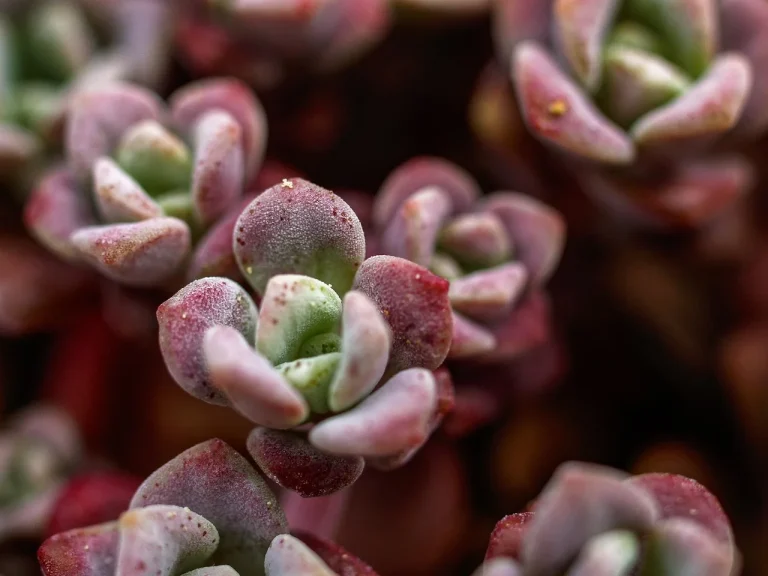
Many succulents, snake plants, jade plants, and other sturdier houseplants can tolerate a colder windowsill better than tropicals, especially in dry air and with bright winter light. Even then, leaf contact with icy glass is still a bad idea.
Hardier does not mean immune. A succulent that stays on the sill may still need a small gap from the pane if the window frosts, sweats, or leaks air.
North- and east-facing windows
North-facing windows usually feel colder and give less winter light, so they are often the most awkward place for sensitive plants. East-facing windows are often easier to manage because they get morning sun and usually less afternoon heat loss than a west window facing evening cold.
South-facing windows are often safer than north-facing ones in winter, but glazing and room temperature still matter. A south window with a single pane and a drafty frame can be colder at night than a double-pane east window.
How far from the window should you move them?
A useful rule is to keep hardy plants on the sill, move many sensitive plants about 6 to 12 inches back, and relocate very tender plants away from the window if the glass is cold, frosted, or drafty. Distance matters because even a short gap can reduce direct chill and leaf contact.
Keep on the sill
Leave a plant on the sill when the window is double-pane, the room stays above about 60°F (16°C) overnight, there is no frost or condensation on the inside pane, and the plant is hardy enough for cooler indoor conditions. This usually works best for succulents and sturdier foliage plants with leaves not touching the glass.
Move 6 to 12 inches back
Move a plant back about 6 to 12 inches when the window is only mildly cold, the room is stable, and the plant is somewhat sensitive but not highly tender. This small buffer often cuts the chill enough while still preserving strong winter light during the day.
A common first-timer mistake is to move a plant two feet away from a bright winter window and then wonder why it stretches or drops lower leaves. If the glass is only mildly cool, a short setback is usually enough.
Relocate away from the window
Move the plant to a brighter interior spot when the glass is frosted, condensation forms heavily, the seal leaks obvious air, or the plant is a tropical species showing stress. If the leaves are already touching cold glass, or the window is single-pane and very cold, a small setback may not be enough.
| Condition | Action | Why |
|---|---|---|
| Double-pane glass, no draft, overnight low above 60°F | Keep on sill | Cold exposure is low, and bright winter light is worth keeping. |
| Mildly cool pane, no frost, plant is somewhat sensitive | Move 6 to 12 inches back | A short gap reduces leaf chill without sacrificing much light. |
| Single-pane glass, visible draft, or inside frost | Relocate away from window | Glass and air are cold enough to raise cold-injury risk. |
| Leaves touching glass | Move immediately | Direct contact is the fastest route to scorch and tissue collapse. |
| Tropical plant plus nighttime lows near 50°F or below at the pane | Relocate away from window | These plants are less tolerant of repeated cold exposure. |
| Succulent on a bright sill, double-pane window, dry room | Usually keep on sill | Hardier plants often handle winter windows better if the glass is not icy. |
Cold window checklist

Use the window, not the calendar, to make the call. Single-pane glass, frost on the inside pane, condensation, drafty seals, and low overnight temperatures all push you toward moving the plant farther back or away from the window.
-
Check the pane.
Look for condensation, frost, or a visibly colder surface on the inside glass. If moisture or ice appears, the pane is cold enough to raise risk for sensitive plants.
-
Feel for drafts.
Place your hand near the frame and sill after dark. If cold air moves across the plant, move it back or relocate it, because airflow adds stress even when the room seems warm.
-
Judge the plant type.
Keep tropicals farther from the glass than succulents or hardier plants. If the plant is already slow-growing in winter, treat it as more sensitive.
-
Measure the gap.
If conditions are only mildly cold, move the pot 6 to 12 inches back. That distance often breaks direct contact and reduces the coldest air around the leaves.
-
Check again after cold nights.
Watch for leaf scorch, blackened tips, leaf drop, or mushy stems after a cold spell. Those signs mean the current spot is still too cold.
Single-pane glass, frost, and condensation
Single-pane windows lose heat faster and are more likely to create a cold zone beside the glass. If the inside pane frosts or sweats at night, move sensitive plants away from the window rather than relying on the sill alone.
Drafty seals, curtains, and blinds
A curtain, blind, or thermal buffer can help in mild cases, but it is not a cure-all. If the glass is very cold or the window leaks air, the plant still needs more distance from the pane.
A closed curtain can trap a slightly warmer pocket of air. It can also trap cold air against the plant if the fabric sits tight over a drafty window, so the result depends on the window and the plant, not on the curtain alone.
Nighttime lows and plant sensitivity
Overnight lows around 50°F (10°C) can be a practical warning point for tender plants at the window. If the room stays warm but the glass does not, the plant still experiences the colder surface temperature and the cooler air right beside it.
Should you return plants to the window in daylight?
Usually yes, if the window is bright and the plant needs winter light. Daytime light can be worth the return trip because many houseplants slow down in winter, and a few hours of strong daylight may help prevent stretch and weak growth.
The light tradeoff in winter
Winter sunlight is lower and shorter, so moving a plant too far from the window all day can create a light deficit. If the plant can tolerate the night spot, return it to the sill in the morning and move it back again after sunset.
Picture a snake plant on a sill that drops near freezing at night but gets bright sun by midday. Moving it back 6 inches at night, then returning it to the sill during the day, can balance cold protection with light.
When to use a grow light instead
Use a grow light if the window is too cold to keep the plant near it and the interior spot is too dim for healthy growth. That is often the better answer for tropicals during a long cold spell, because it avoids the light tradeoff entirely.
What cold damage looks like
Cold damage can look like leaf scorch, blackened tissue, wilting despite moist soil, leaf drop, or mushy stems. Those symptoms usually show up on the side facing the glass or on the leaves that touched the pane first.
Leaf scorch and blackened tissue
Scorched patches often appear on the most exposed leaf edges or tips. Blackened tissue means the tissue is injured, not simply dry, and the damaged part will not recover.
Wilting, leaf drop, and mushy stems
Cold-stressed plants may wilt even when the soil is moist because the roots and leaves are not functioning well. Leaf drop and mushy stems can follow if the exposure was severe or repeated.
How to tell cold stress from watering problems
Cold injury usually lines up with the window side of the plant, a recent cold spell, or a spot that touched glass. Watering problems tend to show more evenly, or they track with dry soil, soggy soil, or poor drainage instead of window position.
If a plant yellowed after a cold night, do not assume cold was the only cause. Check the potting mix and drainage first, because winter overwatering can produce similar leaf drop and softness.
Frequently asked questions
Should you move houseplants away from windows at night in winter?
Move them away when the glass stays colder than about 50°F (10°C), when drafts hit the leaves, or when the plant is a tropical or tender species. Hardier plants can often stay closer if the window is double-pane and the leaves do not touch the glass.
How far should houseplants be from a cold window at night?
For mild cold, 6 to 12 inches back is often enough to reduce direct chill and leaf contact. If the pane frosts, the seal leaks, or the plant is sensitive, move it farther away or to another spot with better light and less cold exposure.
Which houseplants can stay on a windowsill in winter?
Many succulents, snake plants, and other sturdier houseplants can usually stay on a winter sill if the window is not drafty and the leaves are not touching the glass. Tropical foliage plants often need more protection, especially near single-pane windows.
Do houseplants need to come off the windowsill when temperatures drop?
Not always. The real question is what the pane, the air near it, and the plant type are doing. If the glass is cold but not freezing and the plant is hardy, a short setback may be enough; if the window is frosty or drafty, move it away.
How do I stop leaves touching cold glass from getting damaged?
Pull the plant a few inches back, trim or reposition trailing stems, or raise the pot on a stand so the foliage clears the pane. The goal is to stop direct contact, because touching cold glass is often what causes the first damage.
Should I move plants back to the window during the day?
Yes, if the plant needs winter light and the window is safe during the day. Many plants can spend the night 6 to 12 inches back and return to the sill by morning, which balances cold protection with the reduced light of winter.