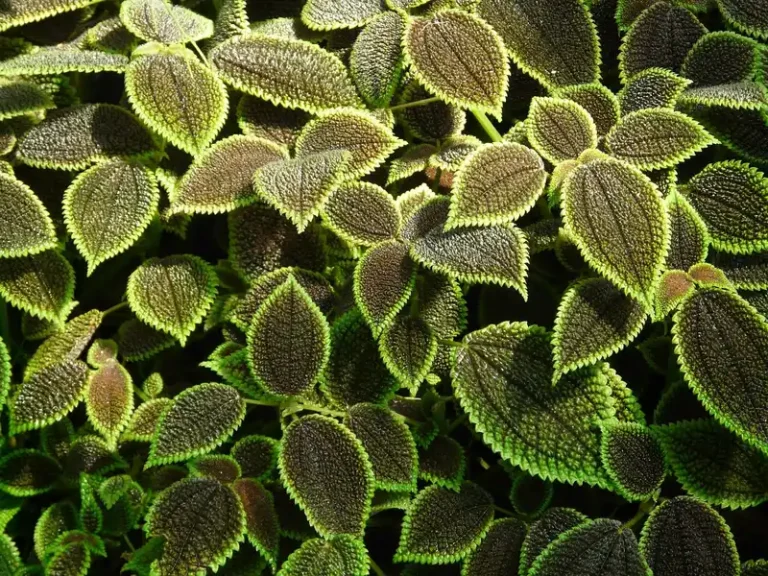
How to Group Houseplants for Better Winter Humidity
Group 3 to 5 humidity-loving houseplants in one bright, draft-free spot, and keep cacti and succulents separate; use one tray or humidifier if room humidity stays below about 40%. Done badly, clusters can trap pests, spread leaf spots, and leave the wrong plants too wet or too dry. This guide shows how to sort plants by type, room conditions, and risk level before you build a winter humidity cluster.
How do you group houseplants for humidity?


Build a small houseplant microclimate by placing plants with similar humidity needs close together, then keep air moving around the leaves and pots. That cluster can raise local humidity through transpiration and evaporation, but it works best when the room is already fairly stable and the plants are not mixed with dry-air species.
What you’ll need
- 3 to 5 humidity-loving houseplants with similar needs
- A bright spot away from vents, fireplaces, and cold drafts
- A hygrometer to check relative humidity
- A tray or saucer set if you plan to use pebble trays
- Clean pebbles or gravel
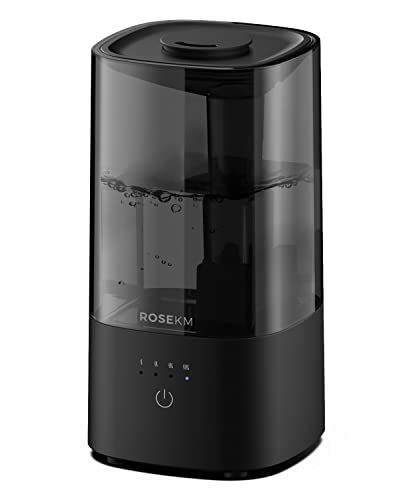
- A portable humidifier if the room stays too dry
- Pruners and a cloth for cleanup
Check your room’s winter humidity
- Place the hygrometer. Set it at plant height, not on a windowsill or near a humidifier output. Many houseplants do well around 50-60% relative humidity, while heaters, vents, and fireplaces can pull winter rooms well below that.
- Note the driest spots. Avoid registers, radiators, and exterior doors. Winter air turns drier because heaters, vents, and fireplaces reduce moisture, so the same room can have uneven conditions across a few feet.
- Watch for stress signs. Brown leaf margins, crisp leaf tissue, limp stems, and yellowing leaves often show up first on tropical houseplants when the air is too dry.
Build a humidity cluster
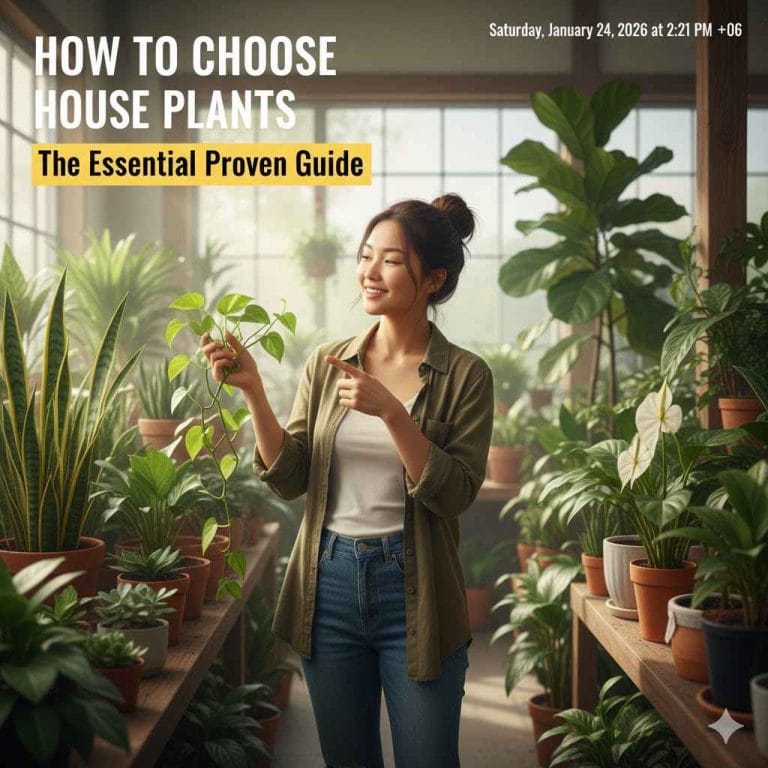
- Group by humidity need. Put calathea, ferns, epiphytic orchids, peace lily, alocasia, anthurium, philodendron, and monstera together. Grouping works best when the plants already want similar moisture in the air and similar watering habits.
- Leave breathing room. Space pots about 4 to 8 inches apart for small pots, and farther apart for large leaves or wide canopies. Keep enough space for light to reach lower leaves and for air to move between pots, or moisture can sit on foliage too long.
- Match the room to the cluster. A bright living room can hold a modest cluster if the air is steady. Kitchens and bathrooms are more humid rooms for plants, so they can support a tighter group than a dry bedroom or a room with forced-air heat.
Picture a 5-foot shelf with four tropical plants in 6-inch pots. If they sit 2 inches apart under a ceiling vent, the cluster is likely to stay damp on the leaf surface without raising the room humidity much. Move the shelf away from the vent and spread the pots to let air move.
Which houseplants should be grouped together for humidity?
Group high-humidity plants together and keep dry-air plants out of that cluster. Calathea, ferns, epiphytic orchids, peace lily, alocasia, anthurium, philodendron, and monstera are better companions for one another than for snake plant, jade, pothos, or ponytail palm. Tropical houseplants often come from rainforest or humid jungle conditions, so they usually show winter stress faster.
Use room conditions as a second filter. A plant can be humidity-loving and still do poorly if the space is dark, cold, or crowded. A good cluster pairs similar water needs, similar light tolerance, and similar risk level.
Say your philodendron is fine on a plant stand in the living room, but the nearby snake plant has no complaint about dry air. Put the philodendron with other tropicals and move the snake plant to a separate, drier shelf. That split keeps each plant in the conditions it handles best.
Should you add a pebble tray or humidifier?
Use a pebble tray for a small boost, and use a humidifier when you need steady control. A pebble tray lifts moisture as water evaporates from the tray surface, but the effect stays local and limited. A humidifier is the most reliable way to raise humidity, especially in rooms where heat and airflow keep drying the air.
Use a pebble tray for a small boost
- Set up the tray. Use a tray that is two to three inches deep and two to three inches wider than the pot.
- Add water below the rim. Keep the pot above the waterline so it does not sit in standing water. The tray should support evaporation, not soak the root ball.
- Clean it weekly. Empty, wash, and refill the tray every week or so to cut mold and mildew buildup.
Choose a humidifier for steady control
- Place a portable unit nearby. Put it close enough to affect the cluster, but not so close that leaves stay wet.
- Use a monitor and timer. Check the relative humidity near the plants and run the unit long enough to hold the target range instead of spiking it once.
- Adjust for the room. If the room stays under about 40%, a humidifier is commonly more effective than a tray or a cluster alone.
Misting only raises humidity for a short time, then it dries off fast, so use it as a quick touch-up, not as the main fix.
When should you keep plants separate?
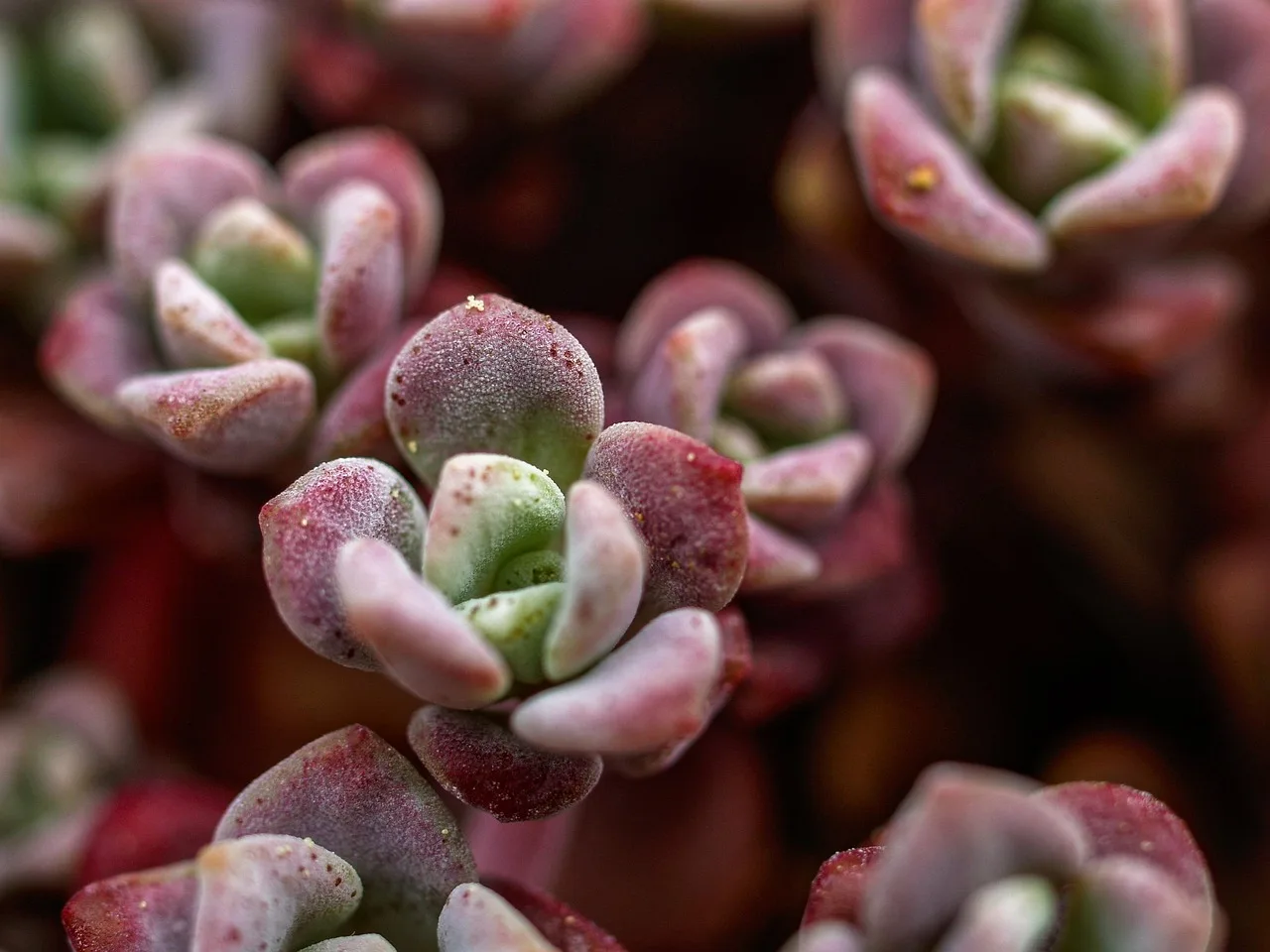
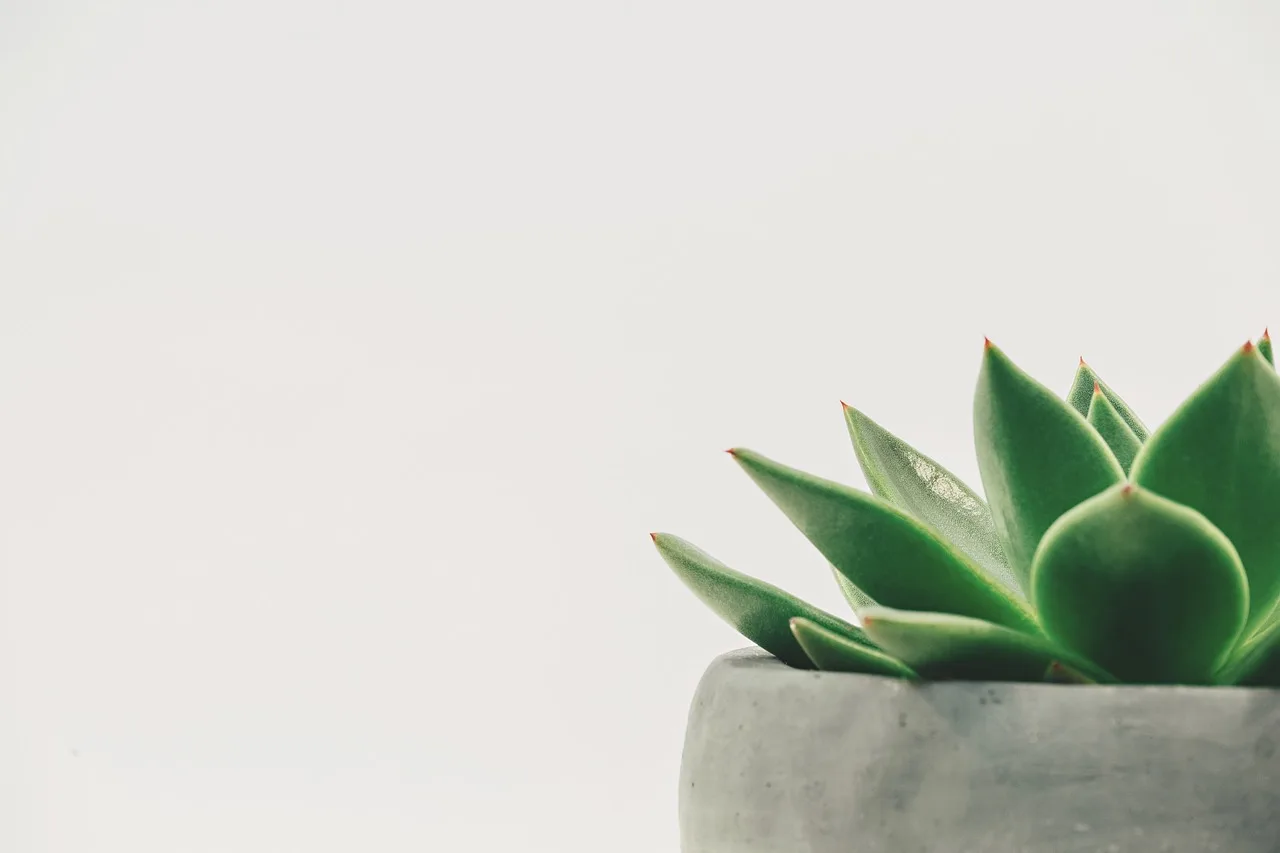
Keep low-humidity tolerant plants out of humidity clusters, especially cacti, succulents, snake plant, jade, pothos, and ponytail palm. A cluster built for tropicals can push those plants toward excess moisture, slower drying soil, and weaker growth. Separate plants also if the group starts trapping pests, mold, or mildew.
Split clusters when risk rises
- Move sick plants out first. Isolate any plant with leaf spots, pests, or soft stems so the problem does not spread through the group.
- Thin the cluster. If leaves touch and pots stay damp for long periods, remove one or two plants and widen the spacing.
- Relocate low-light groups. Over-dense clusters in low-light rooms dry more slowly and can invite root rot and mildew. Give the group more light or make it smaller.
A common first-timer mistake is tucking a jade plant into a fern cluster because it still fits on the shelf. The fern may want higher humidity, but the jade wants faster drying soil and drier air. Keep them apart.
What houseplants need extra humidity in winter?
Tropical houseplants are the main candidates for extra winter humidity, especially calathea, ferns, epiphytic orchids, peace lily, alocasia, anthurium, philodendron, and monstera. These plants often show dry-air stress as brown leaf margins, crisp leaf tissue, limp stems, or yellowing leaves when indoor heat strips moisture from the room.
Low-humidity tolerant plants usually do not need to share that setup. Pothos is more forgiving of drier air, and snake plant, jade, and ponytail palm are poor group-mates for a humidity cluster. Keep them on a separate shelf or in a different room if possible.
Suppose a bathroom shelf has two ferns and a calathea, while a sunny entryway holds pothos and a snake plant. The bathroom group is a good humidity cluster. The entryway plants are better left alone, because their care needs point in the opposite direction.
How close should houseplants be when grouped for humidity?
Keep plants close enough to share a small pocket of moisture, but not so close that leaves touch or airflow stops. A practical setup uses 4 to 8 inches between small pots, more for broad-leafed plants, and enough space that you can see open air between canopies.
Room size matters. In a small room, 3 to 5 plants can make a useful cluster if the air is otherwise dry but stable. In a larger room, that same group may only help the plants immediately around it. If the room is below 40% humidity, spacing alone usually will not solve the problem.
Keep the cluster near bright light and away from heat sources. Too little light plus too much crowding slows drying and raises the chance of mold, mildew, and root rot.
Humidity grouping matrix
This matrix sorts common houseplants into three tiers so you can build a cluster that fits the room, the plant, and the risk level.
| Plant type | Humidity need | Groupability | Ideal room | Red flags |
|---|---|---|---|---|
| Calathea | High | High-humidity cluster | Bright, draft-free room; bathroom if light is strong enough | Brown edges, curling leaves, crisp tips |
| Ferns | High | High-humidity cluster | Bathroom, kitchen, or bright living room | Dry fronds, yellowing, shed leaflets |
| Epiphytic orchids | High | High-humidity cluster | Bright room with steady air movement | Wrinkled leaves, shriveled roots |
| Peace lily | Moderate to high | High-humidity cluster | Living room or bathroom with bright indirect light | Drooping, brown tips, dull leaves |
| Alocasia | High | High-humidity cluster | Warm, bright room | Crisp margins, yellowing, leaf decline |
| Anthurium | High | High-humidity cluster | Bright room, away from vents | Brown edges, slow growth |
| Philodendron | Moderate to high | Neutral companion or high-humidity cluster | Bright room | Leaf edge browning if air is very dry |
| Monstera | Moderate to high | Neutral companion or high-humidity cluster | Bright living room | Dry edges, limp leaves in very dry air |
| Pothos | Low to moderate | Neutral companion | Most rooms | Not a good humidity-cluster anchor |
| Snake plant | Low | Keep separate | Dry, bright room | Too much moisture around soil or crown |
| Jade | Low | Keep separate | Sunny, dry room | Slow-drying soil, soft growth |
| Ponytail palm | Low | Keep separate | Bright, dry room | Standing moisture, crowded canopy |
Decision rule: If the cluster holds plant leaves at 50-60% relative humidity, stays bright, and dries at a normal pace between waterings, grouping is enough. If the room still sits below about 40% after a day or two, or the plants keep showing brown margins and drooping, add a humidifier.
Common mistakes
Most problems come from mixing the wrong plants, crowding the shelf, or assuming that any moisture method will work equally well. A humidity cluster can help, but it can also create rot, pests, and uneven drying if you ignore room conditions.
- Mixing tropicals with succulents or snake plant.
- Placing the group beside a vent, radiator, or fireplace.
- Letting pots touch so closely that air cannot move.
- Using a pebble tray without cleaning it weekly.
- Relying on misting as the main humidity fix.
- Putting a dense cluster in a low-light room.
- Ignoring pest spread when one plant declines.
Prevention: Recheck the hygrometer every few days in winter, then rotate plants out of the cluster if one starts staying wet longer than the others.
Frequently asked questions
How do I group houseplants to raise humidity in winter?
Group 3 to 5 humidity-loving plants together in bright, draft-free light, then keep the pots close enough to share a moisture pocket without touching. Check the room with a hygrometer. If the air stays under 40%, add a humidifier rather than packing more plants into the same space.
How many houseplants do I need to make a humidity microclimate?
Three to five plants is a practical starting point for a small humidity cluster. Fewer than that usually gives only a narrow effect, while more can create crowding if the room is dim or the pots are large. The room’s dryness matters more than the plant count alone.
Can I put a pebble tray with grouped houseplants?
Yes. Use a tray that is two to three inches deep and two to three inches wider than the pot, then keep the pot above the waterline. Clean the tray every week or so to reduce mold and mildew, and do not let the pot sit in standing water.
Does grouping houseplants really help in dry winter air?
Yes, but only as a local boost. Grouping can help create a small houseplant microclimate through transpiration and evaporation, yet it works best in a room that is not extremely dry. If humidity stays below 40%, a humidifier is usually the better fix.
Should high-humidity plants be grouped away from succulents?
Yes. High-humidity plants such as calathea and ferns should not share a cluster with succulents, snake plant, jade, or ponytail palm. The watering pace, soil drying rate, and air needs do not match, so one side of the setup usually suffers.
Which houseplant increases humidity?
No single houseplant will raise a room’s humidity by itself in a dramatic way. A cluster of tropicals can create a small local pocket, but a humidifier is the most reliable tool for steady results. For plant choice, calathea and ferns are among the better humidity-loving options.