How to Acclimate Houseplants to Winter Indoors
Acclimate houseplants over about 1 to 2 weeks by changing one factor at a time: light first, then water, temperature, and pest checks. Move too fast, and leaves can scorch, drop, yellow, or rot because the plant shifts from bright outdoor conditions to drier air, shorter days, and cooler or warmer indoor spots all at once. This guide lays out a winter transition plan for each step so you can prevent shock.
Why houseplants shock indoors
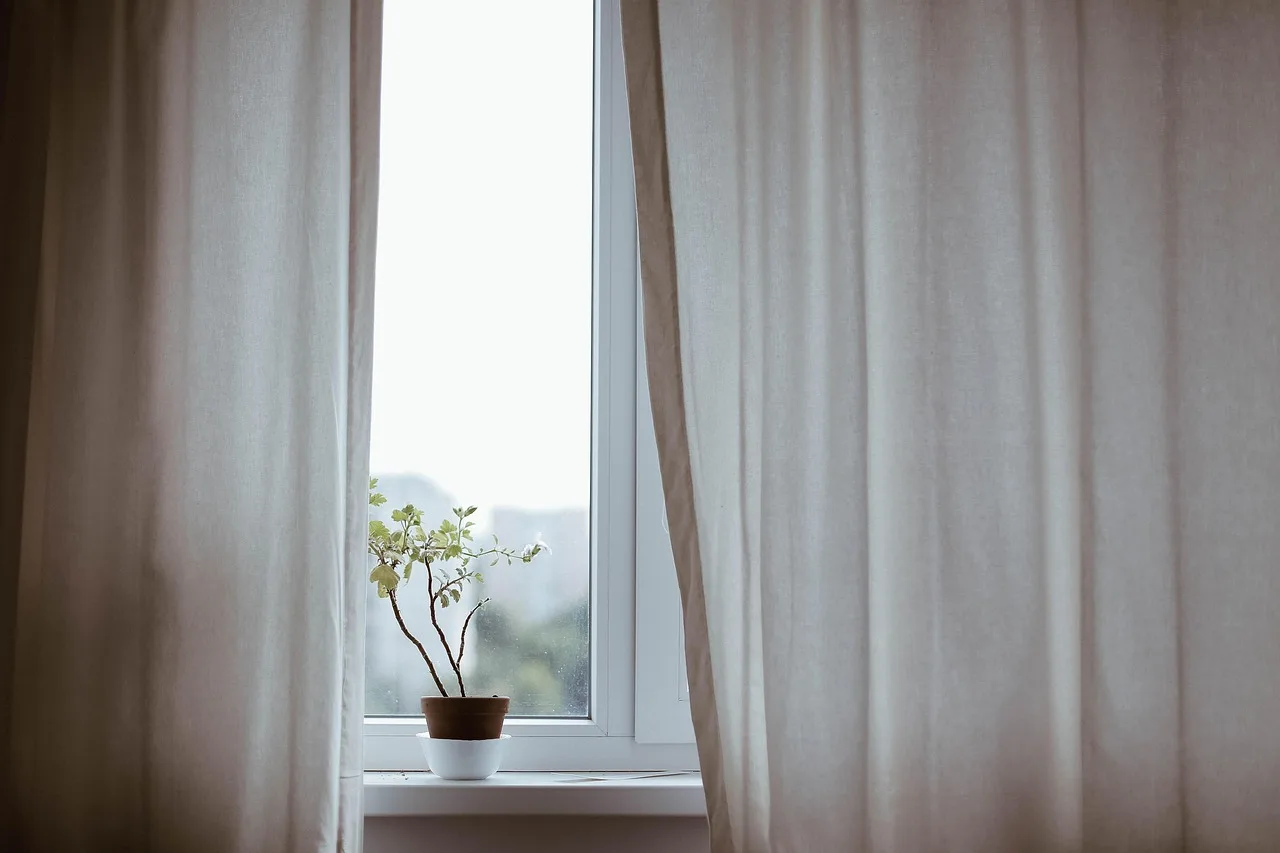


Houseplants often react because indoor winter conditions change four things at once: light drops, air dries out, temperatures shift, and watering needs fall. If a plant goes straight from outdoor sun and rain to a warm room with short days, it has to adjust its leaf function and root uptake at the same time.
Yellowing, leaf drop, and wilting are common stress signs, but they do not all mean the same thing. Light shock often shows up as fading, crisping, or sunburn on exposed leaves. Watering shock usually starts with soggy soil, soft stems, or yellow leaves that stay limp. Temperature shock can cause sudden droop after a cold night or a blast of heat.
Say your pothos turns pale after moving from a bright porch to a hallway with a small north window. That points more to light shock than a watering problem. A separate plant that gets yellow lower leaves after a heavy watering may be showing root stress instead.
How long acclimation takes
Many houseplants need about 1 to 3 weeks to adjust after coming indoors, not just one day. The best transition is staged, with gradual reduction in sun exposure and slow shifts in watering, humidity, and temperature. A slower move is smart for plants that were already stressed by wind, heat, pests, or a sudden cold snap.
Hardier foliage plants may settle within 7 to 10 days. Tropical plants, flowering houseplants, and plants coming from full outdoor sun often need the full 2 to 3 weeks, especially if the indoor room is dim and dry.
-
Stage the light move.
Shift the plant to a brighter indoor edge first, then place it in its final winter spot a few days later. This keeps the change in light intensity smaller and gives leaves time to reset without a hard drop. -
Wait before changing everything.
Keep watering, temperature, and pot placement as stable as possible for the first few days unless the plant is already clearly stressed. One variable at a time makes the cause of any problem easier to spot. -
Watch for delayed stress.
Check the plant daily for the first 2 weeks. A slow decline after day 4 or day 5 often points to the most recent change, not the move itself.
Light acclimation for winter windows
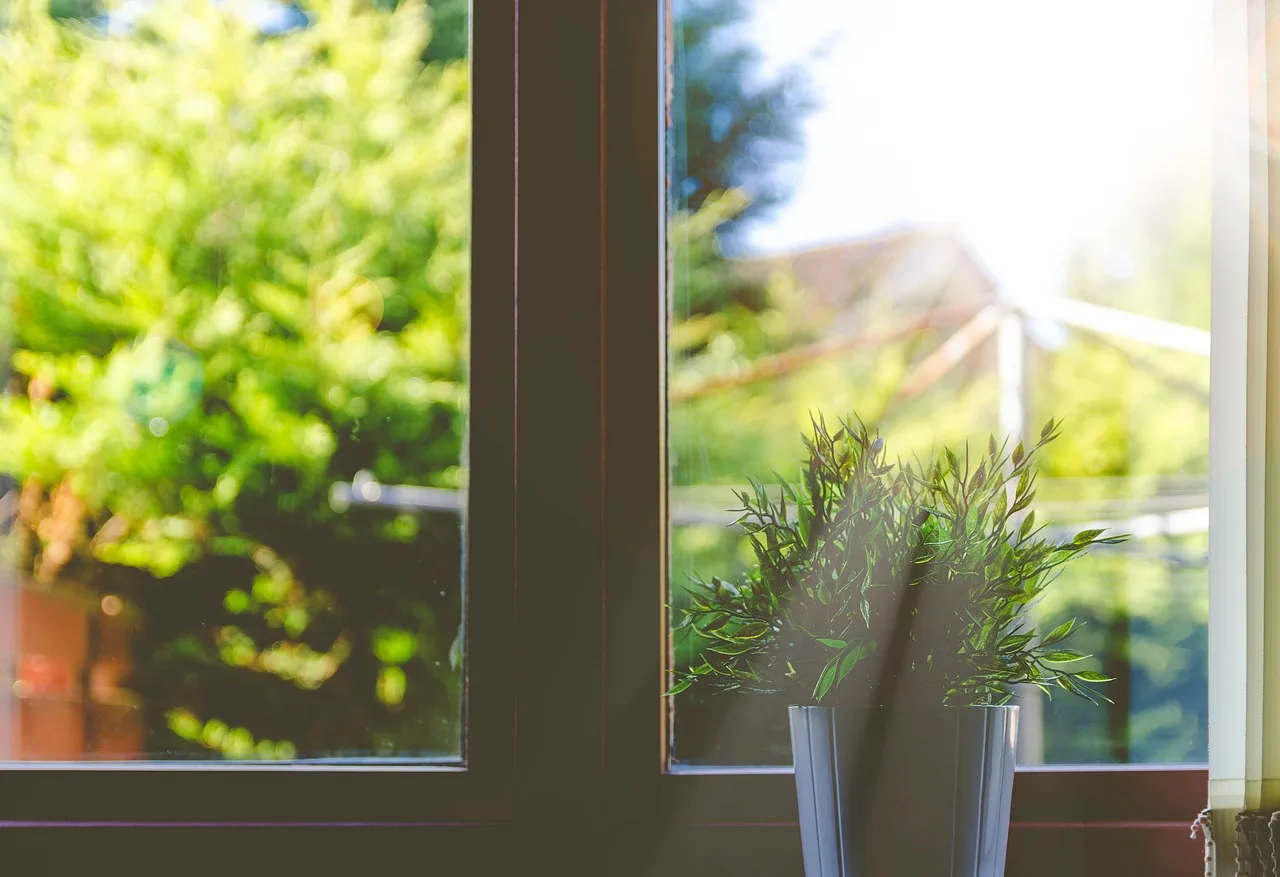
Winter light is shorter and weaker, so indoor placement matters more than it does in summer. South- and west-facing windows usually give the strongest light, while east windows give gentler morning sun and north windows are often too dim for sun-loving plants. Keep leaves a short distance from the glass, because the light level drops quickly a few feet into the room.
Succulents usually need the brightest window you have, often with a grow light if winter daylength is very short. Tropical foliage plants can handle moderate winter light, but they still need a brighter spot than a deep interior corner. Flowering houseplants generally need the most consistent light to keep buds and blooms from aborting.
-
Match the window direction.
Place high-light plants near a south or west window, medium-light plants near east light, and low-light plants in a bright indirect spot. If a plant was outdoors in direct sun, do not move it straight to a dim room. -
Adjust distance from glass.
Start with about 6 to 12 inches from bright glass for sun-tolerant plants, then move them a little farther back if scorch appears. For lower-light tropicals, several feet back from the window is often enough if the room stays bright. -
Add supplemental light.
Use a grow light when winter days are short or the window light is weak for the species. A simple timer helps keep daylength steady, which matters more in winter than a random burst of light.
A common first-timer mistake is moving a jade plant from an outdoor ledge to a shaded shelf across the room. The plant may not fail that day, but after a week it can stretch, pale out, and drop older leaves because the new light level is too low for its needs.
How much should you water after the move?
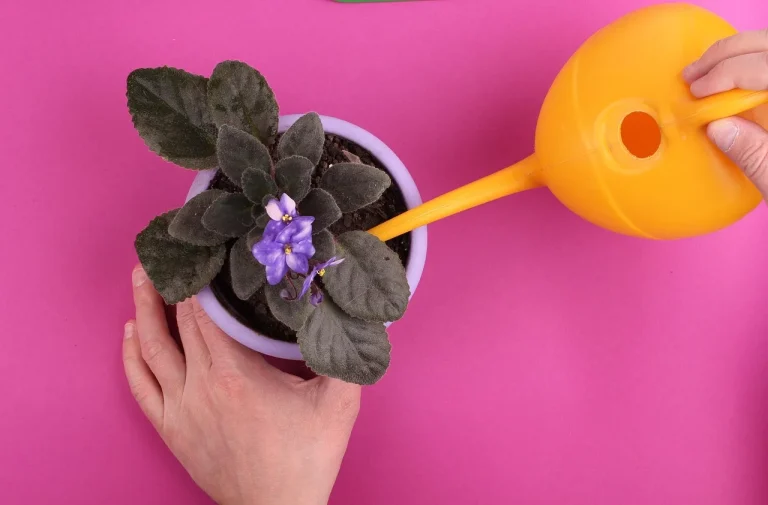
Check soil dryness before each watering, then water only when the plant actually needs it. Most plants use less water in winter because growth slows, so a schedule that worked outdoors can become too frequent indoors. Right after the move, the safest default is to wait for the top layer of soil to dry rather than watering on autopilot.
Drainage matters here. Pots need drainage holes, and saucers should be emptied after watering so roots do not sit in runoff. If a plant is staying wet for too long, a fast-draining mix can help more than watering less often alone.
-
Check the topsoil first.
Feel the top about 1 to 2 inches of soil for most medium houseplants. For succulents, let the mix dry much deeper before watering; for moisture-loving tropicals, wait until the upper layer is dry but not bone-hard throughout the pot. -
Reduce winter frequency.
Cut back from the outdoor rhythm as soon as the plant comes inside, since indoor evaporation and growth both slow. This prevents root rot, which is one of the most common problems after a move indoors. -
Drain the saucer fully.
Empty any standing water within a few minutes after watering. If the pot lacks drainage holes, repot into a container that has them before winter settles in.
When a faster-draining mix helps
If the soil stays wet for many days, the problem may be the mix, not just the schedule. A cactus or succulent blend suits plants that hate soggy roots. For tropicals, adding bark, perlite, or coarse material can improve airflow without making the mix desert-dry.
Humidity, temperature, and draft control
Indoor winter humidity often drops sharply when heat runs more often. That can dry leaf edges, slow transpiration, and make tips curl. A humidifier helps when the room is consistently dry or when you are growing humidity-hungry plants, while a pebble tray can be enough for plants that only need a small bump in moisture around the foliage.
Temperature stability matters just as much. Keep plants away from heater vents, radiators, and cold drafts from doors or leaky windows. A practical minimum safe room temperature for many common houseplants is about 60°F to 65°F, though some tropicals prefer the higher end and many succulents may tolerate cooler indoor nights if the soil stays dry.
-
Pick a stable room.
Choose a spot without strong airflow from vents or door gaps. Avoid moving the plant near a window that gets icy at night if the leaves touch the glass. -
Use humidity support.
Run a humidifier for humidity-sensitive plants, or set the pot on a pebble tray with water below the top of the pebbles. Grouping plants together can also raise local humidity a little. -
Track nighttime dips.
Watch the room after dark, since some spaces fall much cooler overnight. If the plant is near a window, the glass can chill the foliage even when the room itself feels fine.
Suppose a fern sits 18 inches from a heating vent and starts crisping at the edges while the soil stays evenly moist. That is not a watering problem first. It is a draft-and-humidity problem, and moving the plant away from the vent usually helps faster than changing the potting mix.
Species differences matter
Tropical houseplants usually need more humidity support than succulents or many flowering plants with thicker leaves. Succulents prefer dry air and careful watering. Flowering houseplants often need steady conditions so buds do not drop during the move, especially if light and temperature are changing at the same time.
How do I acclimate houseplants to indoor winter conditions without shock?
Acclimate them in layers. Start with light, then adjust watering, then settle the plant into a stable temperature and humidity range, and inspect for pests before and after the move. The main goal is to change only one major variable at a time so the plant can adapt without a sudden collapse.
Remove dead or damaged foliage before moving the plant indoors, and sanitize pruning tools so cuts do not spread disease. Clean leaves also make pest spotting easier. If a plant has badly stressed roots, poor drainage, or obvious pest damage, it needs correction before it can settle into winter care.
Pest check before indoor quarantine
Inspect leaf undersides, stems, and leaf joints for aphids, mites, mealybugs, and scale. Then keep new arrivals or outdoor plants away from the rest of your collection for about 1 to 2 weeks. Quarantine gives you time to catch pests before they spread indoors, where outbreaks are harder to contain.
-
Inspect hidden surfaces.
Look under leaves and along stems with good light. Check for sticky residue, fine webbing, white cottony patches, or bump-like shells. -
Isolate for two weeks.
Keep the plant away from others for about 14 days if possible. If pests are present, extend the quarantine until treatment is done and new growth looks clean. -
Prune and sanitize.
Remove dead or damaged foliage and clean cutters before and after use. This reduces stress and lowers the chance of spreading disease from one plant to another.
14-day acclimation checklist
This checklist gives one main action per day. If the plant is already stressed, stay on the current day’s task longer before advancing. The point is not speed. It is control.
| Day | Main action | Red flags | Rescue step |
|---|---|---|---|
| 1 | Move the plant into a bright indoor transition spot, not its final location. | Immediate wilt, limp stems, leaf scorch on exposed sides | Pull it farther from intense light or cold glass and keep conditions steady |
| 2 | Inspect leaf undersides and stems for pests. | Webbing, sticky residue, tiny moving dots, cottony clusters | Isolate the plant and remove visible pests before it joins the rest of the collection |
| 3 | Check soil dryness before watering. | Soil still wet below the surface, yellow lower leaves, sour smell | Do not water yet; improve drainage and let the mix dry more |
| 4 | Set humidity support if the room is dry. | Brown tips, curled edges, crispy leaf margins | Use a humidifier or pebble tray, depending on the plant’s needs |
| 5 | Check placement away from heater vents and drafts. | Sudden droop near windows, dry patches near the heat source | Move the plant to a steadier room zone |
| 6 | Prune dead or damaged foliage. | Spreading yellowing, broken leaves, soft blackened tissue | Remove damaged parts with sanitized tools and keep cuts clean |
| 7 | Recheck window light and leaf color. | Pale growth, stretched stems, bleaching on sun-facing leaves | Move closer to brighter glass or add a grow light |
| 8 | Reassess watering need. | Soil stays heavy and wet, leaves turn soft or yellow | Hold off watering and empty any saucer water |
| 9 | Inspect for pests again. | New spots, webbing, sticky residue, distorted new growth | Repeat isolation and treat the pest issue before it spreads |
| 10 | Move the plant to its final winter light spot if it is stable. | Leaf drop after the move, sudden wilting | Move it back one step and slow the transition |
| 11 | Check room temperature overnight. | Droop by morning, cold leaves, condensation near the glass | Shift the plant farther from the window or improve room stability |
| 12 | Look for root-zone problems. | Pot stays wet for days, roots smell bad, lower leaves yellow fast | Repot into a faster-draining mix if drainage is poor |
| 13 | Water only if the soil has dried enough for the species. | Continued yellowing, mushy stems, collapsed leaves | Cut back watering and confirm drainage holes are open |
| 14 | Confirm the plant is stable and keep the winter routine consistent. | No new growth, persistent decline, expanding pest signs | Treat the specific problem instead of changing several things at once |
Frequently asked questions
How long does it take for houseplants to adjust after coming indoors?
Most houseplants need 1 to 3 weeks to adjust, with the first week focused on light and placement and the rest on water and temperature stability. Fast-growing tropicals and plants coming from direct sun often need longer. A slower transition is safer than moving everything at once.
Why do leaves yellow or drop after moving a plant inside?
Yellowing or leaf drop can come from light shock, temperature shock, watering shock, or pest pressure. If the soil is wet, drainage is the first thing to check. If the plant sits near a vent or cold window, temperature stress may be the real cause.
Should I change watering right after bringing plants indoors for winter?
Yes, usually a little. Indoor winter conditions slow growth and lower water use, so many plants need less frequent watering than they did outdoors. Check soil dryness before every watering, and do not water on a fixed schedule if the mix is still damp.
Can I put houseplants near a window in winter without damaging them?
Yes, if you match the plant to the window and keep leaves from touching cold glass. South and west windows usually suit higher-light plants, while east windows fit moderate-light types. North windows may need a grow light for plants that need brighter conditions.
Do houseplants need humidity acclimation in winter?
Often yes, especially tropical plants and ferns. Winter heat can dry indoor air enough to cause brown tips and curled leaves. A humidifier is best for consistently dry rooms, while a pebble tray or grouped pots can help plants that need only a modest humidity lift.
How often should I inspect houseplants for pests after bringing them inside?
Inspect them at move-in, then again over the next 1 to 2 weeks. Look under leaves and along stems for aphids, mites, mealybugs, and scale. If you see any sign of pests, keep the plant quarantined and recheck it before moving it near others.