Houseplant Gets Chilled Indoors: What to Do Next
Move the plant to a steady indoor spot around 65–75°F, away from drafts, cold glass, vents, and heaters, then wait about 24 hours before pruning; if tissue turns black, mushy, or watery, remove it. Ignoring cold damage can turn a recoverable chill injury into stem rot, leaf collapse, or total plant loss. This guide shows how to judge severity in 5 minutes and choose the safest next step.
Cold damage signs to check first
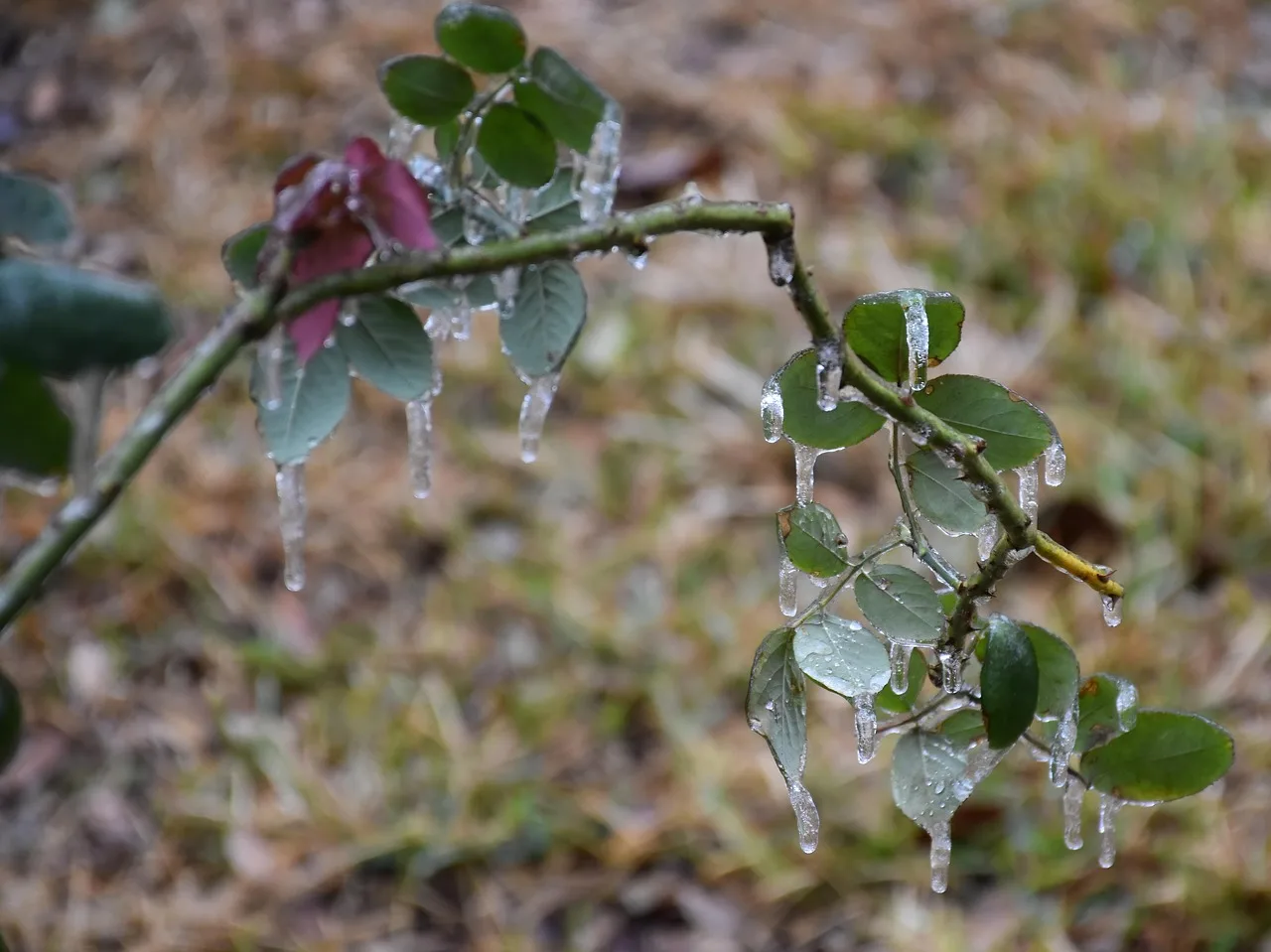
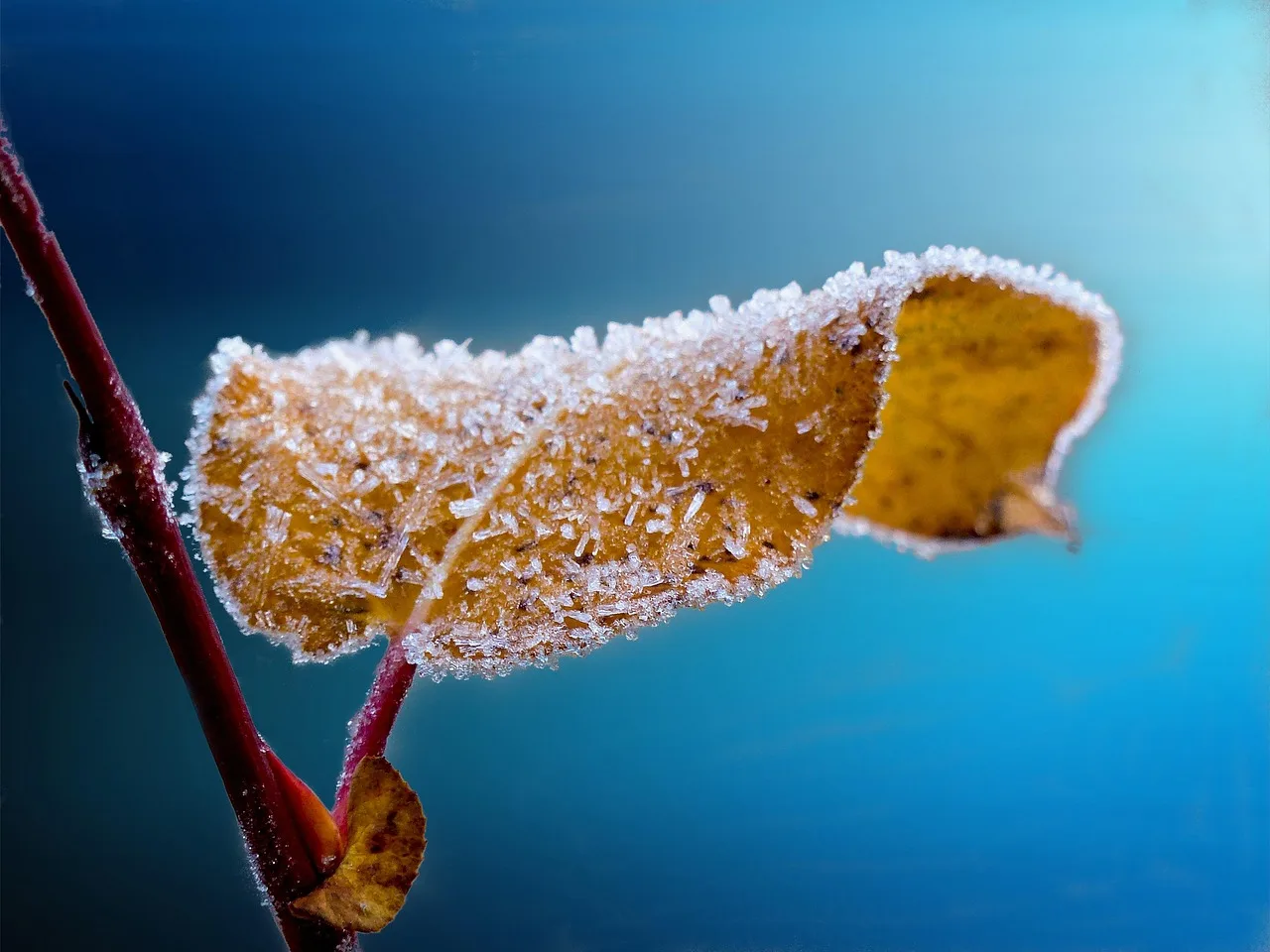
Start by separating cold stress from frost damage. Cold stress can show up before visible frost, especially after exposure below a plant’s tolerance, while frost damage often brings water-soaked tissue, collapse, and blackening after thawing. The same plant may show both, so check leaves, stems, and the root zone.
Cold stress signs
Cold stress often shows as drooping, leaf curl, translucent patches, and blackened edges. Tissue may still feel firm, and damage may be limited to the side that faced a cold window or draft. The plant may look worse later, but that delay does not always mean the damage spread.
Frost damage signs
Frost damage is more severe. Look for water-soaked leaves, mushy tissue, blackening, and collapse after the plant thaws. Stems can turn soft, and roots may be injured even when the top still looks partly normal. Once tissue turns slimy or empty-looking, it will not recover.
Why thawing can change the picture
Cold injury can worsen after the plant warms up because frozen cells rupture as they thaw. A leaf that looked only limp in the cold may turn translucent or collapse hours later. That is why hard pruning too early can remove tissue that was not yet fully dead.
Move it to steady warmth. Put the plant in a stable indoor room-temperature spot in its preferred range, away from cold glass, doors, vents, and heaters. A difference of just a few degrees can change how fast tissue finishes thawing.
Separate the pot from cold surfaces. Set the container on a plant stand, folded towel, cardboard, or another barrier if it was resting on a cold floor or saucer. The root zone is often the first part to be injured in pots that touched cold stone, tile, or concrete.
Hold off on major cuts. Wait about 24 hours before pruning heavily unless tissue is clearly black, mushy, or watery. Letting the plant finish thawing shows what is truly dead and reduces unnecessary wounds.
Suppose a 6-inch pothos sat by a window overnight at 40°F. If the leaves are only limp and slightly translucent the next morning, move it to warmth and wait before cutting. If the stems turn soft at the nodes by the next day, that is a different problem and needs removal of dead tissue.
Cold damage triage table
Use this table after the first look. It separates mild cold stress from moderate and severe damage so you can decide on pruning, watering, and repotting without guessing.
| Severity | Visible signs | Prune now? | Water now? | Repot now? | Watch for the next 14 days |
|---|---|---|---|---|---|
| Mild | Drooping, curled leaves, slight translucent patches, edge blackening, tissue still firm | No heavy pruning; remove only fully dead tips later | Usually pause or reduce watering until the top layer dries a bit | No, unless the pot stayed cold and roots need a check | New growth, stable color, no spreading collapse |
| Moderate | Mixed firm and mushy tissue, blackened leaves after thawing, partial stem softening | Yes, but only dead or mushy tissue after thawing is clear | Usually not right away; water only if the soil is drying and roots seem sound | Maybe, if roots are dark, mushy, or sour-smelling | Delayed rot, stem collapse, worsening black areas, no new buds |
| Severe | Water-soaked leaves, collapsed stems, widespread blackening, mushy crowns, foul roots | Yes, remove dead tissue to sound tissue | No until the root condition is known; saturated soil can speed rot | Often yes, if the root zone is damaged or the mix stayed wet and cold | Rapid softening, sour smell, whole-plant collapse, no recovery growth |
Should you prune, water, or repot?
Pick the least aggressive step that matches the damage. Mild cases usually need warmth, time, and a pause on watering. Moderate cases may need selective pruning and a root check. Severe cases often need removal of dead tissue and a closer look at the roots before any attempt to water again.
Mild damage
With mild cold stress, do not cut healthy-looking leaves just because they look ugly. Let the plant stabilize, then remove only tissue that is fully dry and dead. Water only if the mix is drying and the plant is not already sitting in a cold, wet pot.
Moderate damage
Moderate damage often means the plant has a mix of firm and failing tissue. Prune after thawing makes the damage line clear, and use clean, sharp blades sanitized before and after use. If the root zone smells sour or feels soft, repotting may be the safer move than waiting.
Severe damage
Severe frost damage is often not limited to leaves. If stems are mushy, crowns are collapsing, or the pot stayed cold and wet, the root system may be failing too. In that case, remove dead tissue, check roots, and repot only into fresh, barely moist mix if any healthy roots remain.
Sanitize your shears. Use clean, sharp pruning shears and wipe them before and after use. Clean blades reduce the chance of introducing rot into already stressed tissue.
Cut only dead tissue. Remove leaves or stems that are black, mushy, or watery, and stop at firm green or firm pale tissue. Cutting into living tissue too early can slow recovery and open more wounds.
Check the root zone. Lift the plant from the pot if the damage is more than mild. Look for dark, mushy, or sour-smelling roots, and notice whether the pot or saucer sat on a cold surface long enough to chill the roots.
Repot only when needed. Repot if the mix is cold, saturated, or sour, or if roots are clearly injured. Use fresh, well-draining mix and avoid oversizing the pot, because extra wet soil around damaged roots slows drying and invites rot.
Picture a thin-leaved calathea beside a drafty window. The leaves may look limp within hours, while the roots are still fine. A succulent nearby may hold its shape longer, but once its tissue turns translucent and soft, it often collapses later rather than immediately.
Can a chilled houseplant recover?
Yes, sometimes. Recovery depends on species, how long the plant was chilled, and whether the stems and roots stayed firm. New growth is the clearest sign of recovery, not the damaged leaves. Some leaves and stems will never recover, even if the plant survives.
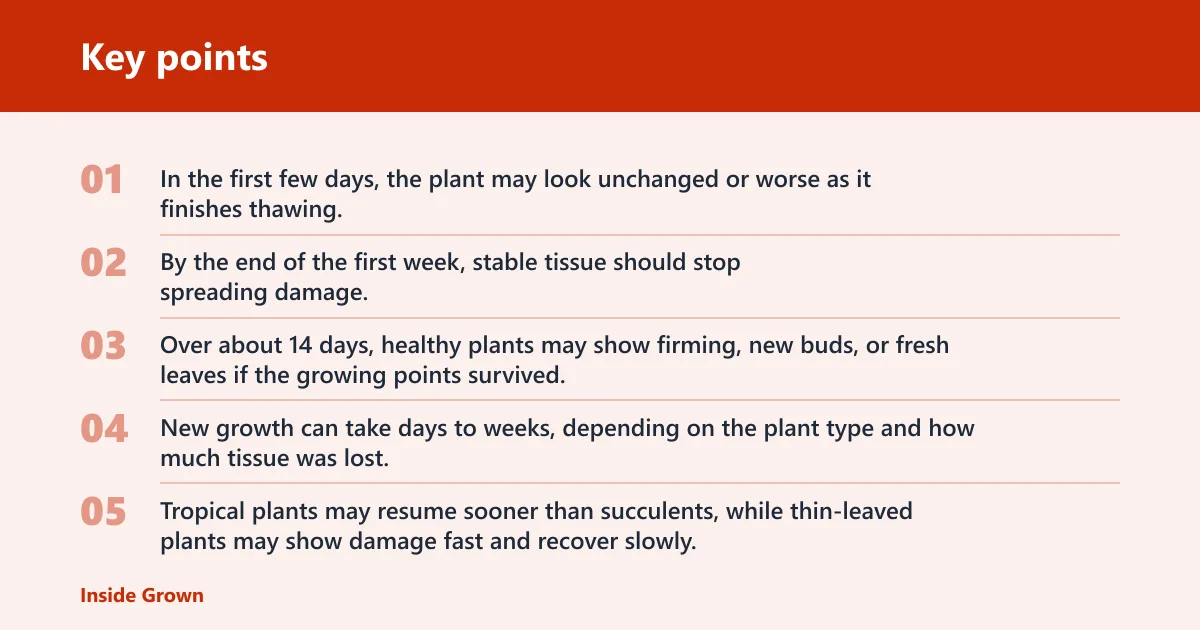
What recovery looks like over 14 days
In the first few days, the plant may look unchanged or worse as it finishes thawing. By the end of the first week, stable tissue should stop spreading damage. Over about 14 days, healthy plants may show firming, new buds, or fresh leaves if the growing points survived.
When to expect new growth
New growth can take days to weeks, depending on the plant type and how much tissue was lost. Tropical plants may resume sooner than succulents, while thin-leaved plants may show damage fast and recover slowly. If the growing tip is intact, that is your best sign.
Signs the plant is not recovering
Watch for spreading black areas, soft stems, a sour pot smell, and whole sections that keep collapsing after thawing. If no firm tissue remains above or below the soil line, recovery is unlikely. A plant that only holds damaged leaves and never produces new growth is in serious trouble.
How warm should you move it?
Move the plant to a steady indoor space around 65–75°F, which is generally within its preferred range. Avoid cold windows, open doors, floor vents, and heating blasts. The goal is steady warmth, not a fast temperature swing, because sudden heat can stress damaged tissue and speed collapse.
Safe indoor temperature basics
Most houseplants do best when the room stays steady rather than shifting every few hours. A comfortable room range is usually enough, but the plant’s own needs still matter. Some tropicals prefer the warmer end of that range, while many succulents tolerate the cooler end.
Why drafts and heaters cause new stress
Cold drafts can chill tissue again, and heaters can dry and overheat the plant’s surface while the root zone stays stressed. Keep the plant away from both extremes. Temperature swings are harder on damaged cells than a single moderate, steady room.
Light and humidity during recovery
Give bright indirect light or a grow light if the window spot is too cold, but do not blast the plant with harsh direct sun right after stress. Moderate indoor humidity can help reduce secondary stress. Keep foliage dry enough for airflow, because wet leaves plus warmth can invite rot.
How to stop repeat cold injury
Prevention starts with blocking cold surfaces and sudden drafts. Move plants away from glass, doors, and vents during cold snaps, and use barriers when a room runs cold overnight. The root zone needs protection too, because a cold pot can injure roots even when leaves still look fine.
Window and floor protection
Use towels, cardboard, bubble wrap, or plant stands to separate pots from cold glass or floors. Even a small gap can help. If a plant sits on tile or concrete, the pot and saucer can cool fast enough to damage roots before the top shows trouble.
Placement during cold snaps
Move sensitive plants a few feet back from windows at night and away from drafty entryways. For cold snaps, a temporary inner-room location is often safer than a sunny but chilly sill. After the cold passes, return the plant gradually if the original spot was otherwise suitable.
Crop-type differences at a glance
Succulents often show soft, translucent damage once chilled tissue collapses. Tropical plants may droop first and then blacken later. Thin-leaved plants usually show the fastest visible injury. Those differences matter because a plant can look merely tired at first and still be moving toward rot below the surface.
Frequently asked questions
What should I do if a houseplant was left in the cold overnight?
Move it to a steady 65–75°F spot, out of drafts and away from heaters, then wait about 24 hours before making big cuts. Check for black, mushy, or watery tissue after it thaws. Do not water automatically; soil and root condition should guide that choice.
How can I tell if my plant has frost damage or just cold stress?
Cold stress usually shows drooping, curl, translucent patches, or blackened edges while tissue still feels firm. Frost damage more often brings water-soaked leaves, mushy stems, collapse, and blackening that worsens after thawing. If roots smell sour or feel soft, the injury is more serious than leaf stress alone.
Should I cut off frozen leaves on a houseplant?
Not right away unless the tissue is already black, mushy, or watery. Wait until the plant has thawed and the damage line is clear. Then use clean, sharp shears to remove only fully dead tissue. Cutting too early can remove parts that might have stayed viable.
Can a chilled houseplant recover on its own?
Sometimes. Mild cold stress may fade if the plant is kept warm, dry enough, and away from drafts. Recovery is measured by new growth and firm tissue, not by the appearance of damaged old leaves. Some leaves and stems will not recover even when the plant does.
Can roots be damaged even if the leaves look okay?
Yes. The root zone is often the most vulnerable part in a pot exposed to cold surfaces, cold mix, or a chilled saucer. Roots can be dark, mushy, or sour-smelling while the foliage still looks passable. That hidden injury often shows up later as collapse or rot.
When is it too late to save a frost-damaged houseplant?
If the crown, stems, and roots are all mushy, foul-smelling, or collapsed, recovery is unlikely. A plant with no firm tissue and no healthy growing point has little chance. If some stems or roots remain firm, there is still a reason to keep watching for new growth over 14 days.