How to Prepare Soil for Native Plant Landscaping
For native plant landscaping, clear weeds, loosen compacted soil about 4 to 6 inches deep, and add only the amendments your chosen species need; many natives reportedly do best with little or no compost. Over-amending can weaken roots, push rank growth, and reduce flowers. This guide covers soil tests, drainage checks, amendment limits, and bed prep by plant type.
Why native plant soil prep is different
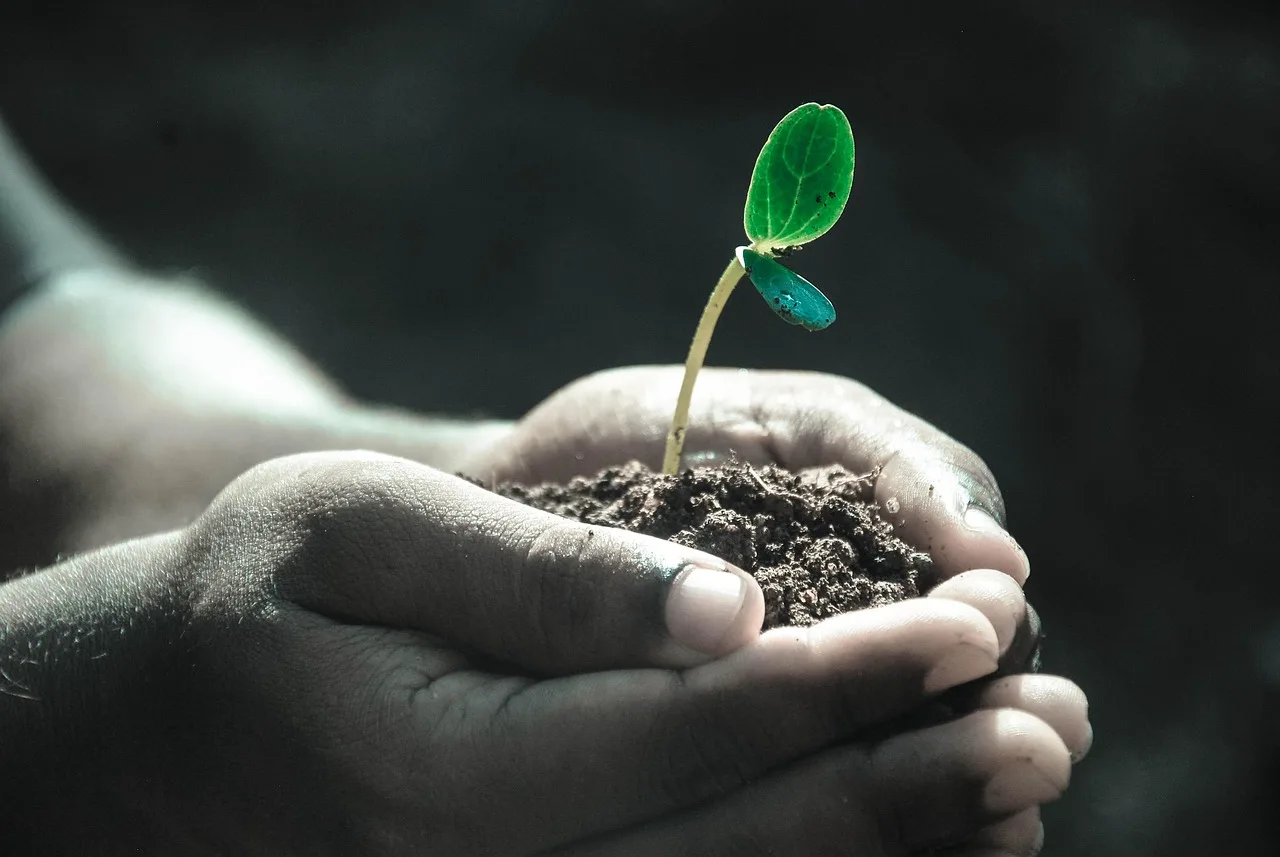


Native plants are adapted to local climate, so they often need less water, fertilizer, and pesticides than many garden plants. Their best fit still depends on soil type, sun exposure, and USDA hardiness zone. Soil prep should fit the site, not force it into a generic bed.
For many native beds, the goal is not to rebuild soil from scratch. It is to open compacted ground, correct only clear problems, and leave lean conditions in place when the plant group prefers them. Prairie and meadow natives often prefer lower fertility than people expect.
Match soil to site and species
Start with the species you want, then check the site. A dry sunny slope, a shady woodland edge, and a moist low spot do not need the same prep, even if each bed will hold natives. Soil texture and drainage should drive the amendment plan.
Loam, clay, and sand each behave differently. Loam is generally a balanced mix of sand, silt, and clay that tends to crumble easily and drain well while still holding moisture. Clay holds water too well and drains poorly. Sandy soil is commonly reported to drain too fast and lose nutrients quickly.
When lean soil is the better choice
Lean soil is often the better choice for prairie, meadow, and drought-adapted natives. These plants can suffer in overly rich soil, where growth becomes soft and flowers may drop. If the site already drains well and the soil is not compacted, heavy amendment usually adds more risk than benefit.
That point gets missed often. Many general gardening guides assume every bed needs more organic matter. Native plant beds need a narrower rule: amend enough to fix a real problem, then stop.
Why over-amending can backfire
Too much compost or fertilizer can change the bed faster than the plants can adapt. It can also create a planting hole that holds too much moisture or a bed that stays too rich for species that evolved in lower-fertility soils. That is especially true for meadow and prairie mixes.
Over-tilling can also create a deeper problem. Rototiller-style tilling is associated with hardpan formation, while a spader prepares soil for planting without causing hardpan. If you need to open compacted ground, a spader is the safer tool.
Should you test the soil first?
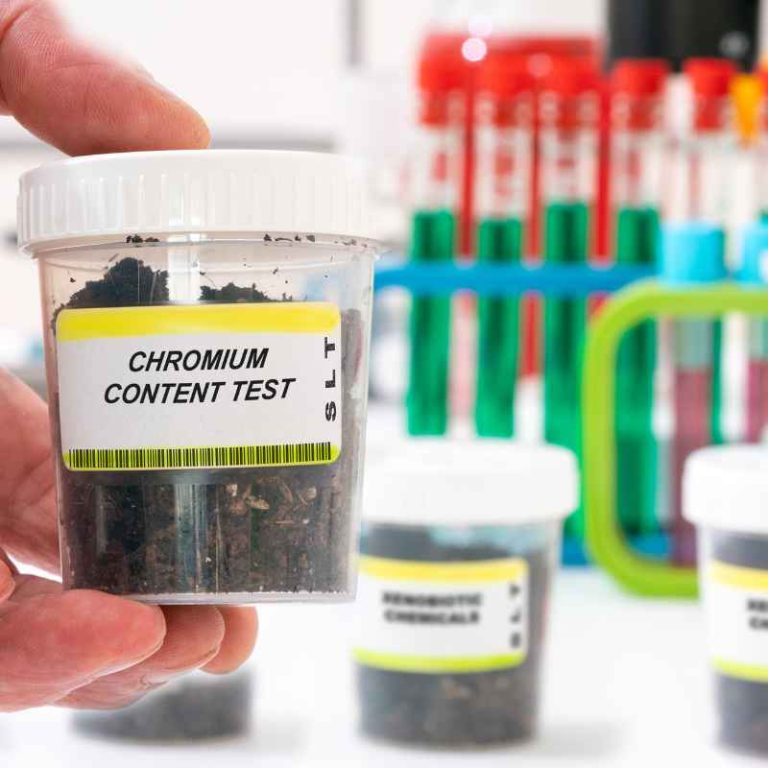
Yes. A soil test tells you whether you actually need fertilizer, lime, sulfur, or other changes before you amend. It helps avoid guessing at pH and nutrient needs, which is where many native beds go wrong. If the test shows no shortage, skip the extra input.
What a soil test tells you
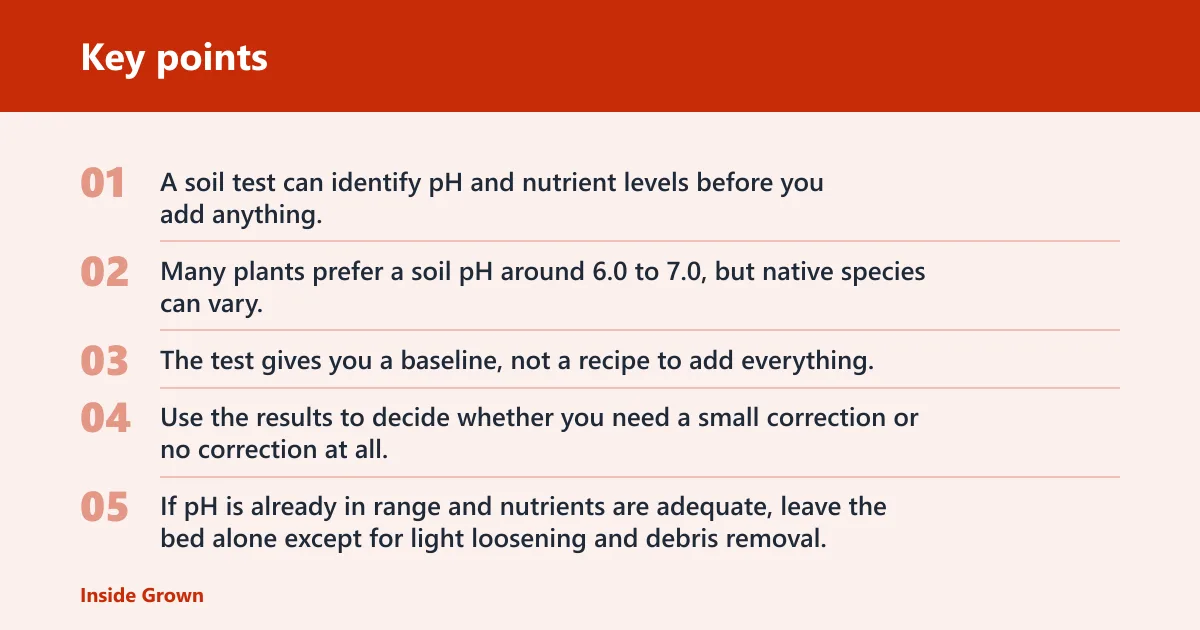
A soil test can identify pH and nutrient levels before you add anything. That matters because nutrient-rich soil can push lush leaf growth at the expense of roots and blooms. It also keeps you from buying amendments your site does not need.
Many plants prefer a soil pH around 6.0 to 7.0, but native species can vary. Some woodland species accept slightly different conditions, and some prairie plants prefer leaner soil even if the pH is acceptable. The test gives you a baseline, not a recipe to add everything.
How pH and nutrient results guide amendments
Use the results to decide whether you need a small correction or no correction at all. If pH is already in range and nutrients are adequate, leave the bed alone except for light loosening and debris removal. If nutrients are low, add only what the report calls for.
Do not add fertilizer because a bed looks tired or because a general garden guide says to feed plants. Native landscaping usually works better with restraint.
When to skip fertilizer and lime or sulfur
Skip fertilizer when the soil test does not show a need. Skip lime or sulfur when the pH already suits the species you plan to plant. For many natives, especially those from lean prairies or open meadows, the right answer is often to leave the chemistry alone.
How to prepare soil for planting
For in-ground native beds, clear the surface first, then loosen compacted soil to the right depth. New garden beds should be loosened to at least 8 inches deep, and 12 inches is even better for a first native bed. Finish by leveling the surface so water does not collect in low spots.
Remove debris. Pull weeds, then remove rocks, sticks, roots, and construction debris. A clean surface helps you see compaction, drainage issues, and buried obstacles before you plant.
Loosen the root zone. Break up compacted soil to at least 8 inches deep; 12 inches is better for a first bed. Use a spader or broadfork-style approach when possible so you open the soil without creating a hardpan layer.
Shape the bed flat. Rake the bed level after loosening. A level surface helps water soak in evenly and keeps seedlings from settling into puddled pockets after the first watering.
Say your front bed is 10 by 12 feet and the soil feels tight under the top layer. Loosening the full bed to 8 to 12 inches can make planting easier without turning the whole site into a rich garden mix. That gives roots room while keeping the soil character intact.
Native plant soil prep decision table
| Site condition | Amend? | What to add or avoid |
|---|---|---|
| Clay | Yes, lightly | Add compost and fibrous organic matter such as straw or shredded bark. Avoid sand, and avoid heavy rototilling. |
| Sand | Yes, lightly | Add compost, aged manure, or coconut coir to help it hold water and nutrients. Avoid leaving it bare and dry for long periods. |
| Loam | Usually only a little | Light loosening may be enough. Add a small amount of compost only if the soil test or compaction problem calls for it. |
| Compacted lawn soil | Often yes | Loosen deeply, then add compost in a limited amount. Do not just till the top layer and call it done. |
| Prairie or meadow natives | Usually minimal | Keep the soil lean. Avoid heavy compost, routine fertilizer, and deep rich backfill unless the soil test shows a true need. |
| Woodland natives | Sometimes yes | Add a modest amount of leaf mold or compost if the soil is poor or compacted. Avoid making the bed overly fertile or dense. |
Should you add compost to native beds?
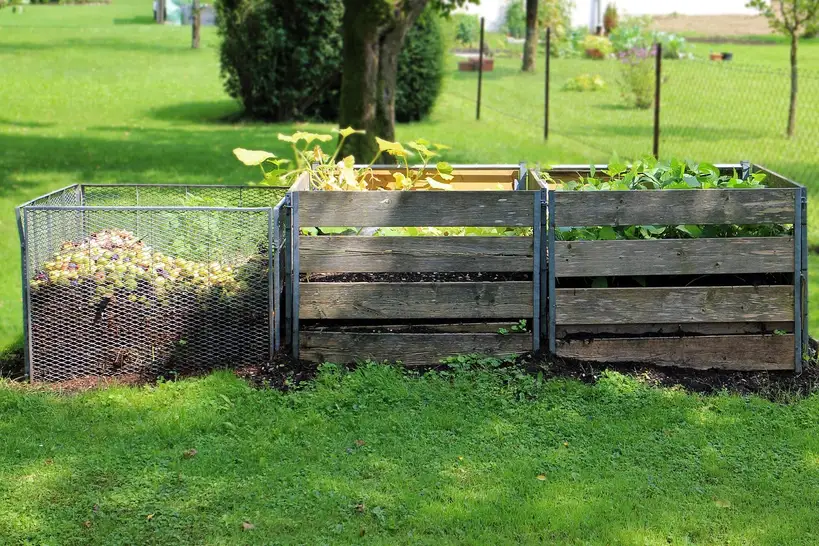
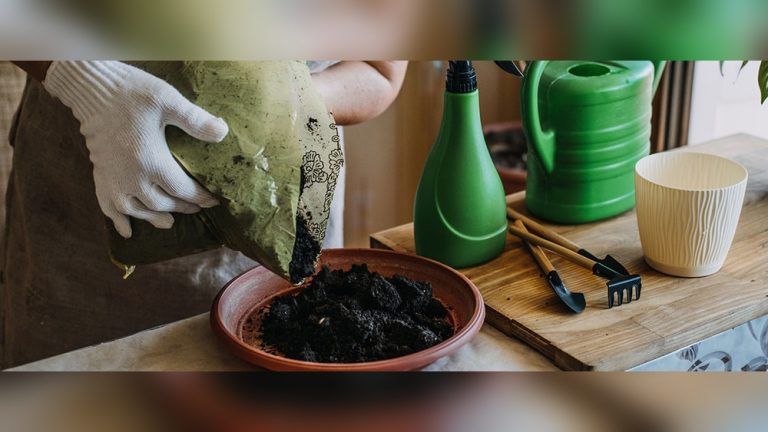
Sometimes, but not by default. Compost improves structure, drainage, and nutrient availability, especially in poor or compacted soil. For new beds, Cornell recommends mixing 2 to 3 inches of compost into the top 6 to 8 inches of soil. For established beds, 1 to 2 inches top-dressed each year is enough.
What compost does for structure and drainage
Compost helps clay soil loosen and sandy soil hold water longer. It also supports beneficial soil life and improves tilth, which makes planting easier. But it is still an amendment, not a cure-all, and it should not replace species matching or drainage fixes.
How much compost to use in new beds
For a new bed that truly needs help, blend compost into the top layer instead of piling it on top. The 2 to 3 inches figure is for mixing into the top 6 to 8 inches of soil, not for burying roots under a thick layer. Keep the amendment limited and even.
When compost is too much for prairie and meadow natives
Prairie and meadow natives often prefer lower fertility. In those beds, too much compost can push lush growth and reduce flowering. If the soil already drains well and the site is not compacted, you may need only a light loosening and a thin surface dressing, or none at all.
Suppose a meadow bed already passed a soil test and drains well after rain. Adding a full layer of compost would change the site more than the plants need. In that case, a light seedbed prep is the better choice.
How do clay, sand, and loam change the plan?
Soil texture changes the prep plan more than most people expect. Clay usually needs help with drainage and looseness. Sand usually needs help holding moisture and nutrients. Loam often needs only light prep, because its texture already supports planting well.
Clay soil: what to add and what to avoid
Clay soil holds water too well and drains poorly, so the job is to improve structure without creating a sticky mass. Add compost and fibrous materials like straw or shredded bark. Do not add sand to clay soil, because that can make the texture worse rather than better.
If clay is compacted, loosen it first, then add organic matter. A spader is a better fit than a rototiller because it opens the soil without building a hardpan layer beneath the surface.
Sandy soil: how to help it hold water and nutrients
Sandy soil drains too fast and loses nutrients quickly. Compost, aged manure, or coconut coir can help it retain moisture and hold nutrients longer. Watering may still need to be more frequent during establishment, but the soil will be less likely to dry out between rains.
Loam: when light prep is enough
Loam already has a balanced mix of sand, silt, and clay, so it often needs only modest loosening and a quick level. If the soil test looks good and the bed is not compacted, stop there. More amendment can be unnecessary for many native species.
When should you use raised beds?
Raised beds make sense when the site is stubborn, cold, wet, or difficult to loosen. They warm and dry out more quickly in spring, which can help in cold climates or where the native planting area stays soggy. They are also useful when in-ground drainage is hard to fix.
Cold climates and slow-warming sites
If spring stays wet and chilly, a raised bed can give roots a better start. That is useful for sites that warm slowly or stay saturated after snowmelt. Keep the bed height practical, and use the same species-matched amendment rule rather than filling it with rich soil by default.
Stubborn native planting areas
Use a raised bed when the existing ground is severely compacted, shallow, rocky, or contaminated with construction debris you cannot remove easily. Raised beds are also a good option when you want a defined native patch in a lawn but do not want to rebuild the whole yard.
In-ground beds versus raised beds versus containers
In-ground beds keep roots tied to existing soil conditions, which suits many native plantings. Raised beds give you more control over drainage and warming. Containers are the most controlled option of all, but they dry out faster and usually need more monitoring than in-ground native beds.
How to prepare soil for a garden or how to prepare soil for gardening can mean different things in a native project. The right approach depends on whether the planting is in-ground, raised, or container-grown. Native beds reward restraint more than blanket soil rebuilding.
Frequently asked questions
What should I change in soil before planting native plants?
Change only what the site and species need. Remove debris, loosen compacted soil, and use a soil test to check pH and nutrients before adding anything. Many native plants do best in lean soil, so skip blanket fertilizing and heavy amendment unless the results show a real problem.
Do native plants need fertilizer or heavy soil amendments?
Usually no. Native plants are adapted to local conditions and often need less water, fertilizer, and pesticide input than many garden plants. Heavy amendments can make the bed too rich, which is especially unhelpful for prairie and meadow species that prefer lower fertility.
How deep should I loosen soil for a native planting bed?
Loosen new beds to at least 8 inches deep, and 12 inches is even better for a first native bed. That depth gives roots room to establish without requiring a full rebuild of the soil profile. If the soil is compacted, work evenly across the whole bed.
Should I add compost to native plant landscaping soil?
Sometimes. Compost helps structure, drainage, and moisture holding, but it should be used carefully. For new beds, mixing 2 to 3 inches into the top 6 to 8 inches is a common approach. Skip heavy compost in beds for prairie or meadow natives unless the soil test or site condition clearly calls for it.
How do I fix clay soil for native plants?
Use compost and fibrous organic matter such as straw or shredded bark, and avoid sand. Loosen the soil first so water can move through it better, but do not over-till. A spader is a better choice than rototiller-style tilling because it reduces the risk of hardpan.