How to Grow Herbs and Vegetables Together
Grow herbs and vegetables together by matching plants with the same sun and water needs, then keeping tall, wide, or deep-rooted crops apart; a sound rule is to pair Mediterranean herbs with dry, full-sun vegetables and leafy herbs with moister beds. Ignore those matches and you get weak growth, crowded beds, and competition for light and water. This guide gives a practical compatibility matrix for sun, water, root depth, and spread so you can build mixed beds that work.
Can you grow herbs and vegetables together?


Yes. Mixed beds work best when companion planting groups plants with similar light, moisture, and spacing needs, so the bed uses space and water more efficiently. Keep compatible crops close, keep aggressive herbs contained, and keep plants that want opposite conditions apart.
Companion planting can also draw pollinators and help keep pests away from nearby plants, which is one reason herbs often sit beside vegetables. Herbs in the same grouping are typically planted within one to three rows of each other, but only when they want similar growing conditions and will not shade or crowd the bed.
Why mixed beds work
Shared needs are the main reason mixed beds succeed. Basil, oregano, and parsley are often grouped in a shared pizza garden trio, while bay laurel, rosemary, and sage share Mediterranean-style growing conditions. Those are practical pairings because the plants want similar soil drainage, sun, and watering rhythms.
Mixed beds also let shorter crops use the open space under taller plants, as long as airflow stays open and roots are not forced into the same layer. That matters more than whether a pairing sounds familiar in a cookbook.
When mixed beds fail
Mixed beds fail when one crop grows faster, taller, or thirstier than the rest. Overcrowding cuts airflow, tall leaves cast shade, and root competition becomes obvious fast in beds that are too small for both the herbs and the vegetables.
Failure also shows up when a plant that wants dry soil sits next to one that needs steady moisture. In that situation, at least one crop will stay stressed no matter how often you water.
How to plant herbs and vegetables together
Plant herbs and vegetables together by sorting them into the same sun and water zone first, then checking root depth and spread. Put low, compact herbs near crops with similar habits, and keep broad or invasive plants away from vegetables that need room to bulk up.
-
Map the light first.
Put full-sun herbs with full-sun vegetables, and reserve partial-shade edges for plants that dislike harsh afternoon heat. This prevents tall crops from stealing light from shorter herbs. -
Group by water need.
Pair plants that want consistently moist soil, and keep dry-side herbs out of beds that need regular watering. That simple split prevents root stress and keeps watering decisions easier. -
Match root depth.
Mix shallow-rooted herbs with deeper-rooted vegetables when the bed is limited, so plants use different soil layers. Avoid stacking too many heavy feeders into one narrow strip. -
Control spread early.
Place aggressive spreaders where they can be contained, and leave open space around crops that need airflow and harvest access. Mint needs special treatment, and fennel should not share a mixed bed at all. -
Stagger by maturity.
Put quick herbs near slower vegetables only if the herbs can be harvested or thinned before the vegetable canopy closes. That keeps the bed useful after the first flush of growth.
Say your 4-by-8-foot bed gets afternoon sun and regular watering. Basil can sit beside tomatoes and bell peppers, while parsley and cilantro occupy the moister edge. If you drop mint into the middle of that bed, it will spread into the available space and force the rest of the planting plan to shrink.
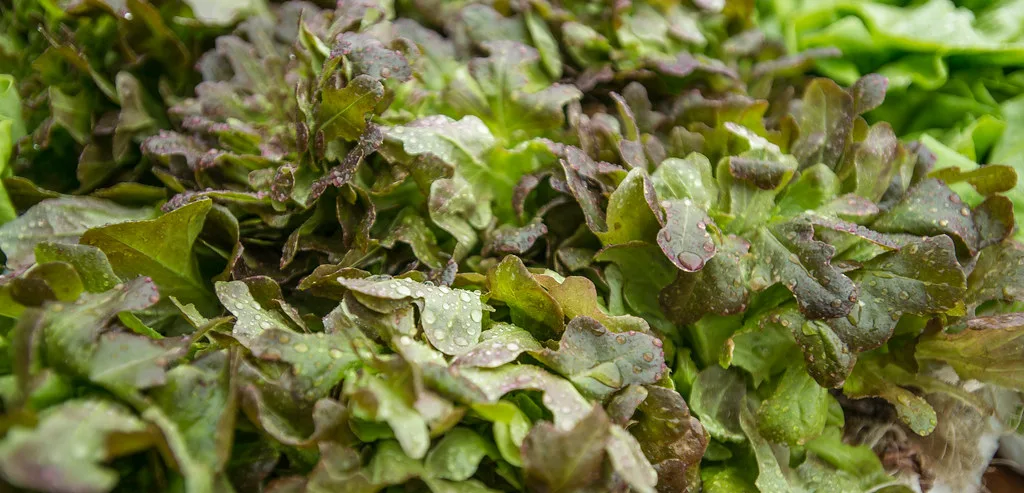
What vegetables and herbs grow well together?
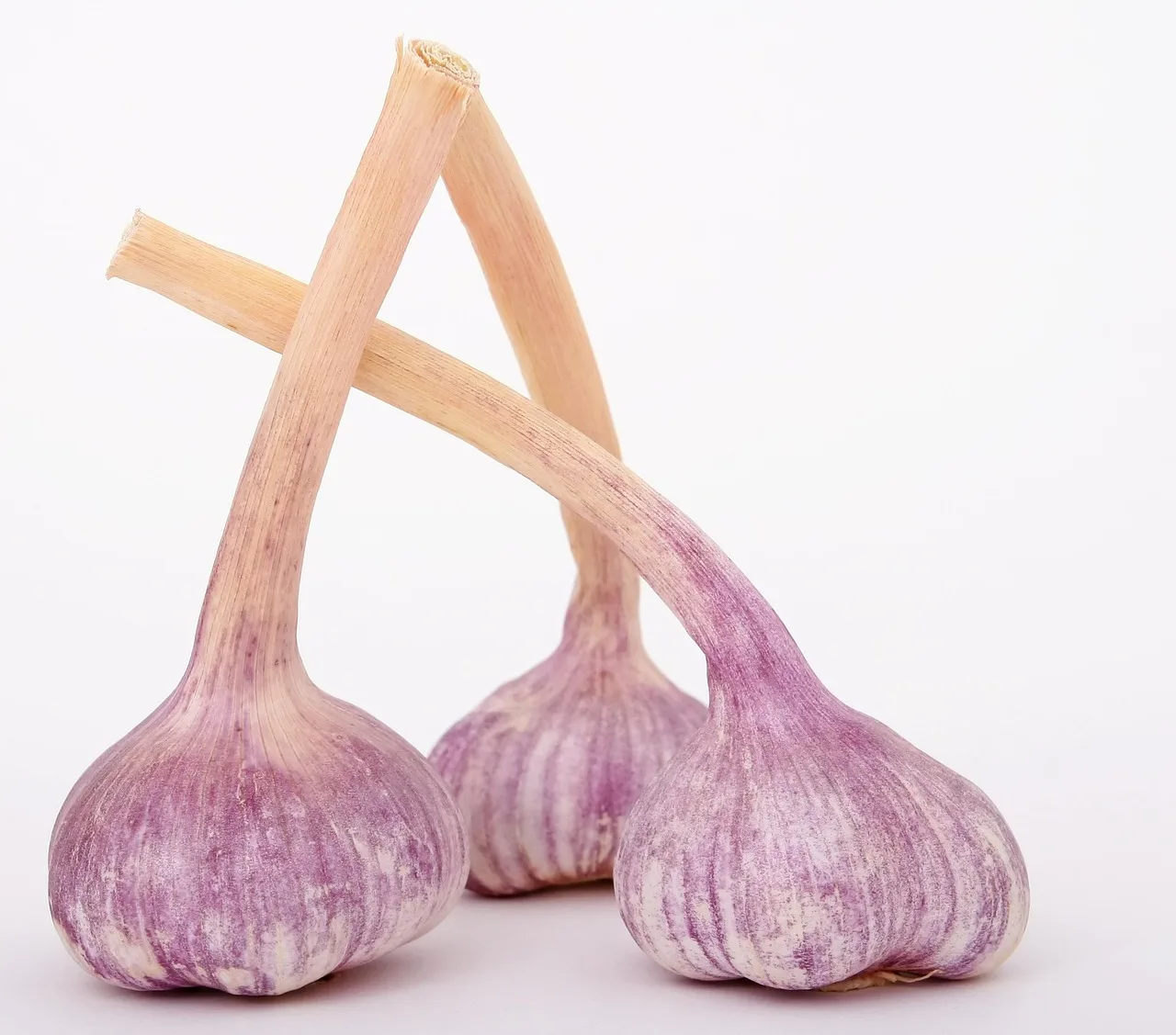
The most reliable pairs share sun, water, and bed rhythm. Basil is commonly planted with tomatoes, garlic, onions, and bell peppers. Parsley shares space well with cilantro in cooler, moister zones. Chives work near carrots, cilantro, tomatoes, and other crops that can handle their stronger scent. Dill also fits with chives and cilantro when the bed stays cool and evenly watered.
Warm-season pairings
Basil wants full sun and well-drained soil, which is why it works well with tomatoes, garlic, onions, and bell peppers. It also fits the classic companion planting role around vegetables because it is often used near crops that appreciate the same heat and drainage. Basil can help deter flies and mosquitoes around nearby plantings.
Oregano also belongs in warm, well-drained beds. It is often grouped with basil, but it usually prefers less-rich soil than basil, so do not overfeed the whole bed just to suit one herb.
Cool-season pairings
Parsley is a cool-season herb that prefers consistent moisture and can handle partial shade to full sun. It pairs well with cilantro in mixed beds when both plants get enough water and a break from the hottest afternoon sun.
Cilantro, also called coriander in some regions, is often grown in full sun with afternoon shade and consistently moist soil. It pairs well with chives and dill, and those three together are useful in a bed that stays cooler and does not dry out too fast.
Dry Mediterranean pairings
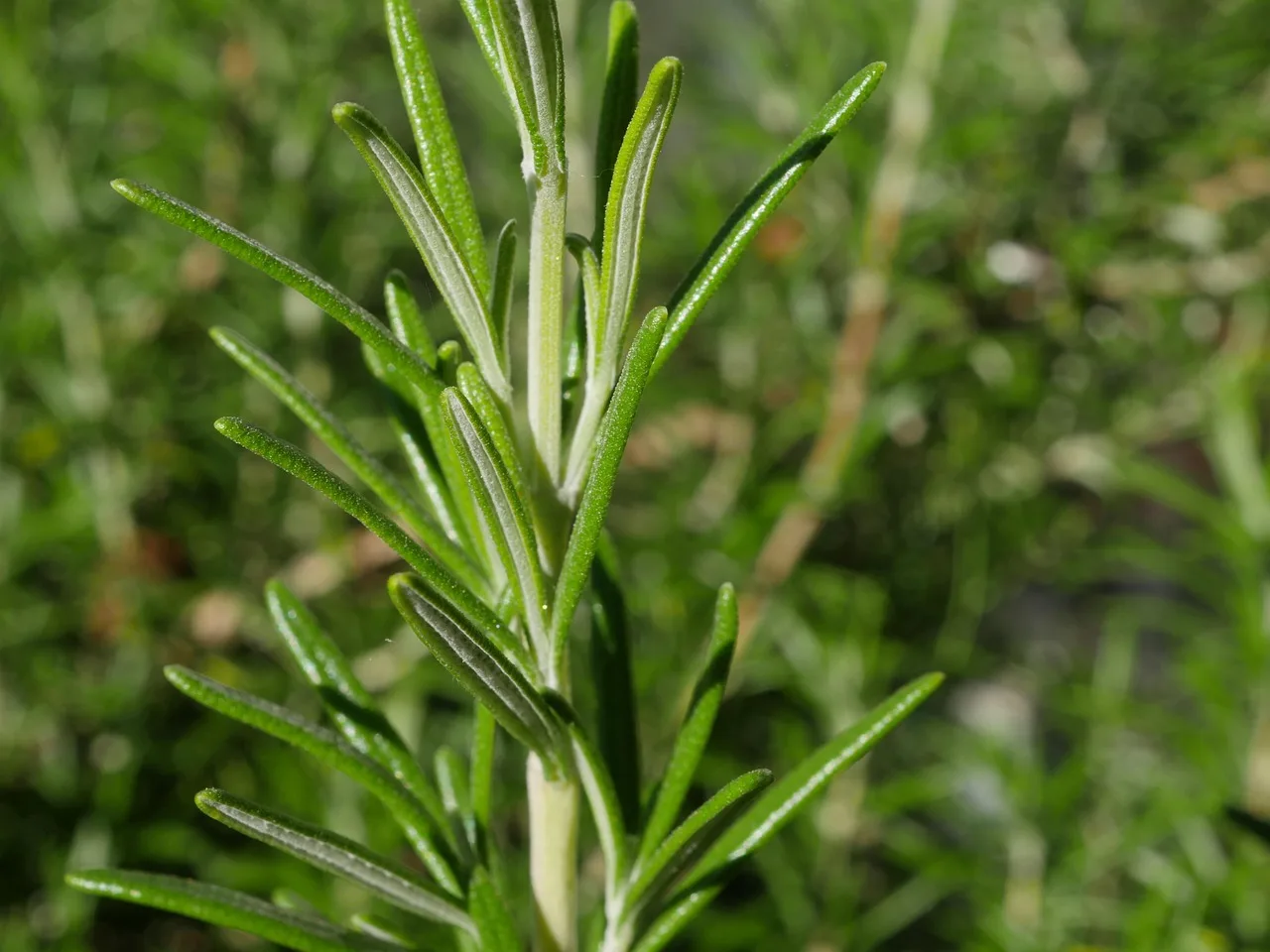
Rosemary, sage, and oregano generally prefer a dry, full-sun, well-drained growing style. Rosemary pairs well with sage and bay laurel, and sage likes the same dry-side conditions. These herbs belong in a bed that drains quickly and does not stay wet after watering.
Bay laurel, rosemary, and sage are a sensible cluster for one edge of a mixed bed, while basil sits in a slightly richer section nearby. That split keeps the drought-tolerant herbs from sitting in soil that is too rich or too wet for them.
Which herbs should stay apart?
Mint and fennel are the clearest separation cases. Mint spreads aggressively and should usually be kept in a large container or raised bed. Fennel can inhibit nearby herbs and may kill close plants, so it should be planted alone. Vigorous herbs can also crowd vegetables if they are allowed to run unchecked.
Mint in contained spaces
Mint is not a normal mixed-bed herb. It spreads so aggressively that it is generally best planted separately, and it can pair with lemon balm and thyme only when the growing space is already contained and controlled.
If you want mint near other plants, keep it in a large pot or a separate raised bed with barriers. That keeps runners from taking over the root zone and competing with vegetables.
Why fennel stands alone
Fennel is often treated as an exception in companion planting. Garden guidance warns that it can inhibit nearby herbs, and it should not be treated as a friendly border plant. Put it alone where its roots and chemistry will not affect the rest of the bed.
A common first-timer mistake is tucking fennel beside basil or parsley because there is a spare corner left in the bed. That spare corner can become a problem if nearby herbs thin out or stop growing well.
Mixed bed layout rules
Lay out mixed beds by height, airflow, and harvest access. Put taller crops where they will not shade shorter herbs, place compact herbs at the front or edge, and reserve room for root spread. The goal is a bed that stays productive after the first few weeks of growth.
Front, middle, and back placement
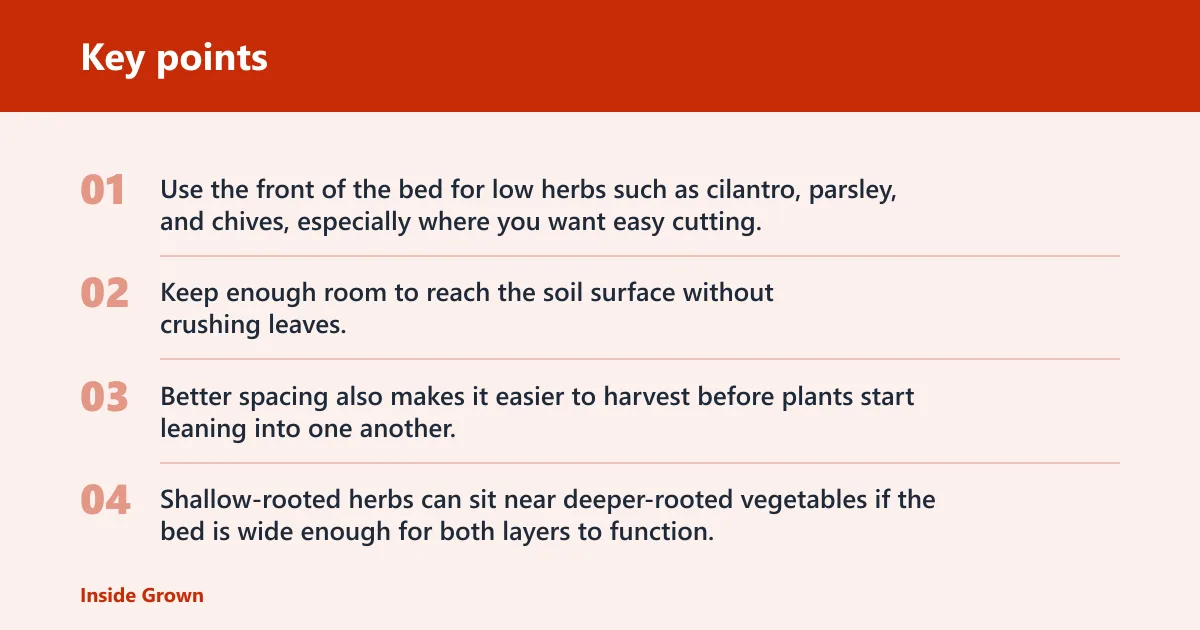
Use the front of the bed for low herbs such as cilantro, parsley, and chives, especially where you want easy cutting. Put medium plants in the middle, and place taller or broader crops toward the back so they do not block the shorter ones.
That arrangement matters more in narrow beds than in wide ones, because even a small patch of shade can slow herbs that want brighter exposure.
Spacing for airflow and access
Keep enough room to reach the soil surface without crushing leaves. Herbs planted too close together can trap moisture and reduce airflow, which raises the chance of weak stems and crowded growth. Better spacing also makes it easier to harvest before plants start leaning into one another.
How to mix shallow roots with deeper roots
Shallow-rooted herbs can sit near deeper-rooted vegetables if the bed is wide enough for both layers to function. That makes better use of soil volume and helps reduce direct competition, especially when the deeper crop is already growing downward rather than outward.
| Plant | Sun need | Water need | Root depth | Spread risk | Best bed placement | Do not mix |
|---|---|---|---|---|---|---|
| Basil | Full sun | Moderate, even moisture | Medium | Low | Middle of warm bed with tomatoes or peppers | Heavy shade; dry, poor soil |
| Parsley | Partial shade to full sun | Consistent moisture | Shallow to medium | Low | Front edge of cooler bed | Dry Mediterranean herbs |
| Cilantro | Full sun with afternoon shade | Consistently moist | Shallow | Low | Front edge near chives or dill | Hot, dry bed; dense shade |
| Chives | Partial shade to full sun | Moderate | Shallow | Low | Edge of carrot or tomato bed | Very dry beds |
| Dill | Partial shade to full sun | Moderate, even moisture | Deep | Moderate | Back or middle of cool-season bed | Very tight spacing; hot dry corners |
| Mint | Partial shade to full sun | Moderate to high | Shallow, roaming runners | High | Container or isolated raised bed | Open mixed beds |
| Rosemary | Full sun | Low | Deep | Moderate | Dry back section | Wet soil; rich, crowded beds |
| Sage | Full sun | Low | Medium | Moderate | Dry back section with rosemary | Wet soil |
| Oregano | Full sun | Low | Shallow to medium | Moderate | Sunny edge with good drainage | Rich, wet beds |
| Fennel | Full sun | Moderate | Deep | Moderate | Separate bed only | Nearby herbs and vegetables |
| Tomatoes | Full sun | Moderate, consistent | Deep | High | Back or center with room for airflow | Low-light herbs; cramped beds |
| Carrots | Full sun to light shade | Consistent moisture | Deep, narrow taproot | Low | Middle or front with chives nearby | Dense, drying root competition |
Five sample bed combinations
These combinations are meant to be copied or adjusted, not followed blindly. Each one keeps sun, water, root depth, and spread in the same range so the bed is easier to manage over time.
-
Build a warm-season tomato bed.
Place tomatoes in the back or center, then tuck basil and chives along the front and middle. Add garlic or onions at the edges if there is enough light, and keep the bed well drained so basil stays happy. -
Create a cool-season herb bed.
Put parsley, cilantro, chives, and dill together in a bed that stays evenly moist and gets afternoon shade. Use the front for parsley and cilantro, then leave room behind them for dill to rise without crowding the rest. -
Set up a dry Mediterranean bed.
Group rosemary, sage, and oregano in the same sunny strip with fast drainage. Keep the soil leaner than a tomato bed, because oregano especially prefers less richness than basil or parsley. -
Mix a pollinator-friendly border.
Place dill where it can flower without shading shorter herbs, and keep cilantro and chives nearby in the cooler zone. When dill flowers, it can attract beneficial predators, which helps the whole bed. -
Confine mint before planting.
Put mint in a large container or a separate raised bed, then use the open garden space for compatible herbs and vegetables. If you want a nearby companion, keep lemon balm or thyme in contained space too, not in the main mixed bed.
Common mistakes when mixing herbs and vegetables
The biggest errors are practical, not mysterious. Crowding, shade, and conflicting water needs are the usual reasons a mixed bed underperforms. If a bed starts to fail, those are the first things to check.
A common first-timer mistake is planting basil, parsley, and mint in one tight strip because all three are familiar herbs. Basil and parsley can work together if the moisture and sun fit, but mint will spread into the space and eventually disturb the layout.
Overcrowding
Too many plants in one bed reduces airflow and makes harvesting harder. Herbs may look fine at planting time, then begin to compete once tomatoes, dill, or other taller crops start filling the space.
Ignoring shade from taller crops
Tall plants can block shorter herbs even if the soil is perfect. That is why front, middle, and back placement matters more than simply listing compatible plants in the same bed.
Pairing opposite water needs
Dry Mediterranean herbs do poorly when they are forced to live in a constantly watered bed. Likewise, cilantro and parsley struggle if the bed dries out too fast. Match the water pattern first, then choose the crops.
Frequently asked questions
How to plant herbs and vegetables together: start by matching sun
Start by matching sun and water needs, then place plants by height and root depth. Full-sun, well-drained beds suit basil, rosemary, sage, and oregano, while cilantro, parsley, chives, and dill fit cooler, moister spaces. Keep aggressive spreaders like mint out of the main bed.
What herbs grow well together?
Basil, oregano, and parsley are a common trio, though basil and oregano want leaner, better-drained soil than parsley does. Rosemary, sage, and bay laurel share Mediterranean-style conditions. Cilantro, chives, and dill also fit together when the bed is cool and moist enough.
Which herbs should not be planted with vegetables?
Fennel is the clearest herb to keep away from other plants because it can inhibit nearby herbs and may kill close plants. Mint should also stay out of open mixed beds unless it is contained. Vigorous herbs can crowd vegetables long before they look out of place.
How do you group herbs with vegetables by water needs?
Put basil, parsley, cilantro, chives, and dill where watering can stay more regular. Save rosemary, sage, and oregano for drier, fast-draining ground. If a bed contains both types, separate them physically so the dry herbs are not forced into damp soil.
Can mint be grown with other herbs and vegetables?
Usually no, at least not in an open mixed bed. Mint spreads aggressively and is best kept in a large container or a separate raised bed. It can sit near other herbs only when its roots are isolated, otherwise it will take over the available space.