How to Grow Onions From Sets or Seed
Grow onions from seed for the widest variety and the best storage bulbs, or from sets if you want a faster crop. Sow seed indoors 8 to 12 weeks before the last frost, and plant sets in early spring or fall where your climate allows it. Wrong timing or the wrong start method can lead to small bulbs, bolting, and poor storage life. This guide helps you choose by climate, timeline, and storage goal, then shows the planting path for each method.
Which onion start method fits your garden?


Choose seed if you want the broadest variety, better control over day-length type, and longer-storing bulbs. Choose sets if you want a quicker crop and a simpler start. The right choice depends on your local variety recommendations, your frost window, and whether you care more about early harvest, bulb size, or storage life.
What you’ll need
- Onion seed or onion sets matched to your day-length type
- Fine seed-starting mix for indoor sowing
- Trays or small pots for seed starting
- Labels and a marker
- Garden fork or spade
- Compost or other organic matter
- Hoe or hand cultivator for weed control
- Watering can or hose with gentle spray
Onion start decision table
| Growing goal | Climate/day-length fit | Best start method | Expected harvest speed | Bolting risk | Storage potential | Best-use onion type |
|---|---|---|---|---|---|---|
| Earliest usable bulbs | Any area with a matched local variety | Sets | Fastest | Higher unless heat-treated | Fair to good | Short-day or intermediate-day sets, depending on your latitude |
| Largest bulbs from the most tailored variety | Choose by latitude and local recommendation | Seed | Slower | Lower than sets when started and transplanted on time | Best | Long-day, intermediate-day, or short-day seed matched to place |
| Simple spring planting | Cool spring with workable soil | Sets | Fast | Moderate to high | Good if cured well | Storage or fresh-eating bulbs |
| Best variety access | Any place with indoor start space | Seed | Slowest at the start, strongest variety choice | Lower if seedlings are transplanted at the right stage | Best | Long-day storage onions, specialty types, and reliable local winners |
Choose in under 60 seconds
- If you need the fastest crop, pick sets.
- If you want the widest variety and better storage, pick seed.
- If your local recommendation is specific to day-length type, follow that before broad region labels.
- If you are buying sets, look for heat-treated sets when bolting has been a problem.
- If you are sowing seed, plan for indoor starting and later transplanting.
Say your garden is at a latitude where long-day onions are recommended, but you buy short-day sets because they are available early. The plants may grow leaves well and still fail to size up properly, because day length controls bulb formation. Matching the variety to place matters more than convenience.
How do you grow onions from seed?
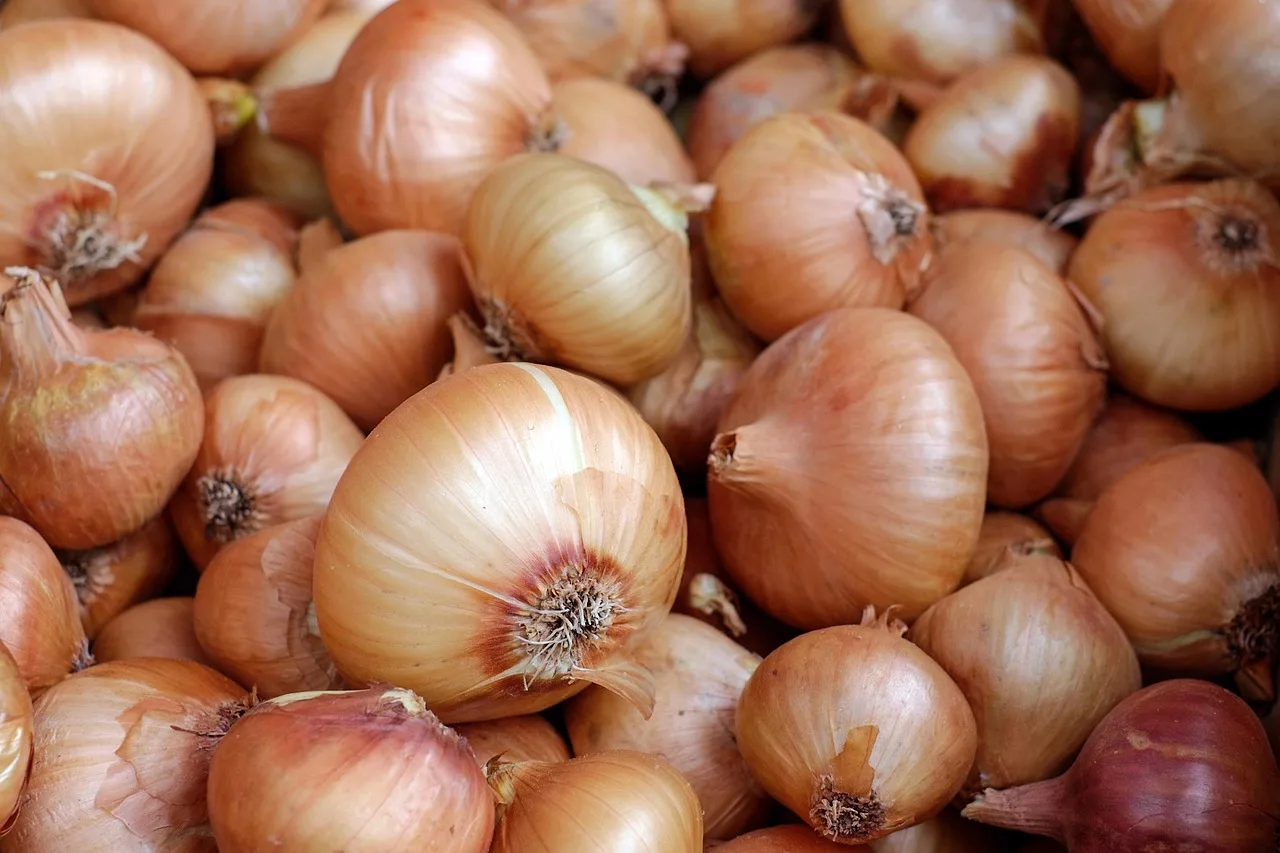
Start onion seed indoors in a fine, well-drained seed-starting mix, then transplant seedlings after they are established and pencil-thin. Seed gives the broadest variety, but it takes more time and planning. For bulbing onions, sow seed indoors about 8 to 12 weeks before the last frost date, since seedlings need enough time to size up before moving outside.
Start seed indoors
- Fill trays. Use a fine seed-starting mix, not garden soil, and moisten it before sowing. Onion seed is sown about 1cm apart in trays so seedlings have room to form straight roots.
- Sow lightly. Press seed onto the surface and cover with only a thin layer of mix. Keep the tray in bright light and warm conditions until germination, then move it to strong light so seedlings do not stretch.
- Keep moisture even. Water enough to keep the mix evenly moist, but not soggy. Overwatering invites soft growth and weak roots.
- Thin or separate. Prick out seedlings when they are a few inches tall if they are crowded. Give each plant enough room to grow a sturdy stem and root ball.
Harden off and transplant
- Harden off gradually. Set seedlings outdoors for a few hours on the first day, then increase exposure over 7 to 10 days. This reduces shock and leaf scorch when they move outside.
- Plant at the right stage. Transplant when seedlings are about pencil-thin and well rooted. Space them 10 to 15cm apart, with rows 12 to 18 inches apart.
- Water after planting. Water immediately so the soil settles around the roots, then keep the bed evenly moist while plants establish.
Picture a tray of seedlings with white, floppy stems and no root mass. Those plants are not ready. Pencil-thin seedlings with firm stems and a small root plug transplant much better and recover faster.
How do you grow onions from sets?
Onion sets are small bulbs harvested in the first year, so they give you a quicker crop than seed. They are planted in spring or fall where the climate allows it, and they are more likely to bolt because they are already in the second year of growth. Heat-treated sets lower that risk and are worth seeking out if bolting has been a problem.
Plant sets correctly
- Prep the bed. Loosen soil to six inches deep in full sun. Add compost so the bed is well drained, nutrient-rich, and low in stones and weeds.
- Set the bulbs. Plant sets 10 to 15cm apart, with rows 12 to 18 inches apart. Place them just deep enough that the pointed tip is visible above the soil.
- Water in. Water after planting so roots contact the soil. Then keep the bed evenly moist during establishment, especially if spring weather is dry and the top inch dries fast.
- Control weeds early. Hoe lightly and often. Onions have shallow roots, so weeds pull water and nutrients from the same top layer of soil.
Buy better sets
Look for packaging or a product listing that says heat-treated if bolting matters to you. If the label does not say it, assume the sets are ordinary and handle them as higher-risk for flowering. A healthy set should feel firm, dry, and free of mold or active sprouting.
How do you keep onions healthy through the season?
Keep onions in full sun, in loose soil with organic matter, and on a steady moisture schedule. The bed should stay evenly moist during establishment and then receive closer attention during bulb development. Weed control matters all season because onion roots stay shallow and get crowded easily.
Manage water, weeds, and spacing
- Water after planting, then keep moisture even rather than fluctuating between dry and flooded soil.
- Increase watering attention when bulbs begin swelling, because stress at that stage limits size.
- Hoe weeds regularly before they get large enough to disturb onion roots.
- Leave enough room between plants so bulbs can expand and air can move through the row.
Watch for simple failure modes
Wrong day length often shows up as strong leafy growth and poor bulb formation. Crowded plants often make smaller bulbs and invite more weeding. Thick, poorly dried necks usually mean poor storage later, even if the bulbs looked fine in the bed.
A common first-timer mistake is packing sets too close because they look tiny at planting time. A month later, the bed is crowded, weeds are harder to pull, and the bulbs stay small because they never get enough space to size up.
Common mistakes
The biggest mistakes are choosing the wrong day-length type, planting too late from seed, burying sets too deeply, and skipping weed control. Poor drainage and heavy soil also hurt bulbs, because onions need loose ground that does not stay wet.
- Wrong day length: Check local variety recommendations, not only a broad region label.
- Late seed start: Start indoors 8 to 12 weeks before the last frost for bulbing types.
- Weak transplant timing: Move seedlings when they are pencil-thin, not just “a few inches tall.”
- Overwatering seedlings: Keep them moist, not saturated.
- Ignored weeds: Hoe early and often, while weeds are small.
Harvest and storage
Harvest onions when the tops begin to yellow and fall over. Let bulbs dry before storage, then cure them in a cool, dry, frost-free place with good airflow. Narrow necks store better than thick necks, so do not rush storage until the tops have dried down well.
Dry and cure bulbs
- Lift the bulbs. Loosen the soil and pull or fork up the onions once the tops are yellow and bent over.
- Dry them well. Spread bulbs in a single layer in a dry, sheltered, airy place until the necks tighten and the outer skins become papery. Good airflow matters here more than heat.
- Trim and store. Remove loose roots and trim dried tops only after curing, then store in a cool, dry place that stays frost-free.
Frequently asked questions
How do you grow onions from seed: sow seed indoors?
Sow seed indoors in fine mix 8 to 12 weeks before your last frost, then transplant pencil-thin seedlings after hardening off. Keep the tray evenly moist, give strong light, and space plants 10 to 15cm apart in the garden so bulbs have room to size up.
Onion sets vs seeds
Sets are faster and simpler, but seed offers more variety and usually better storage potential. If you want the earliest harvest, pick sets. If you want the best match to local day-length guidance and the widest cultivar choice, seed is the stronger option.
How do you grow big onions from seed?
Big bulbs start with the right variety, early indoor sowing, and enough space. Choose a seed type matched to your latitude, transplant at the pencil-thin stage, and keep spacing at 10 to 15cm with rows 12 to 18 inches apart so bulbs can expand.