How to Grow Garlic in a Home Garden
Plant garlic by splitting a healthy bulb into individual cloves, then set each clove point up, about 1.5-2 inches deep, with 2-4 inches between cloves and 8-12 inches between rows; some growers use wider spacing for larger bulbs. Choose hardneck garlic for colder climates and softneck garlic for milder ones, then plant in fall before the ground freezes. Planting too late or picking the wrong type usually leads to small bulbs, weak roots, and poor storage life.
Start with the right variety and soil


Garlic is a crop you plant once and manage with a few timed steps. Pick the right type for your climate, give it full sun and loose, well-drained soil, keep the bed from staying wet, and harvest when the tops brown in summer.
In a home garden, the biggest gains usually come from matching variety to winter conditions and from giving bulbs enough room to size up. That matters even more in raised beds and containers, where soil drains faster and spacing choices change the result.
What you’ll need
- Seed garlic bulbs with firm cloves
- Compost or aged manure
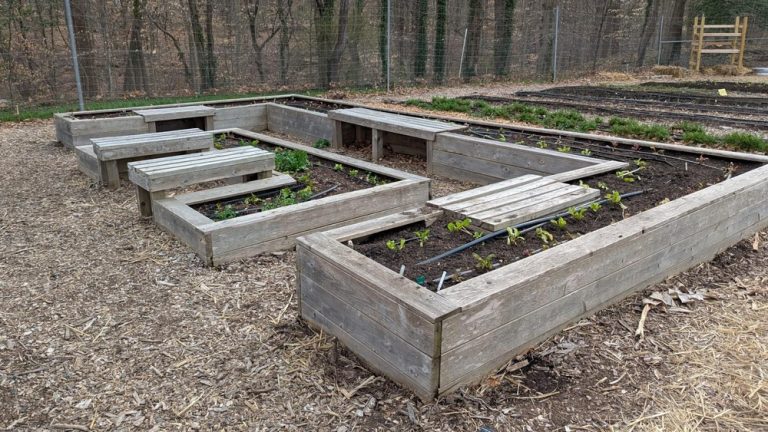
- Raised bed, garden bed, or a deep container with drainage holes
- Straw or dry leaves for mulch
- Hand trowel or dibber
- Watering can or hose with gentle flow
- Garden fork for harvest
- Dry, airy space for curing
Which garlic type should you plant?
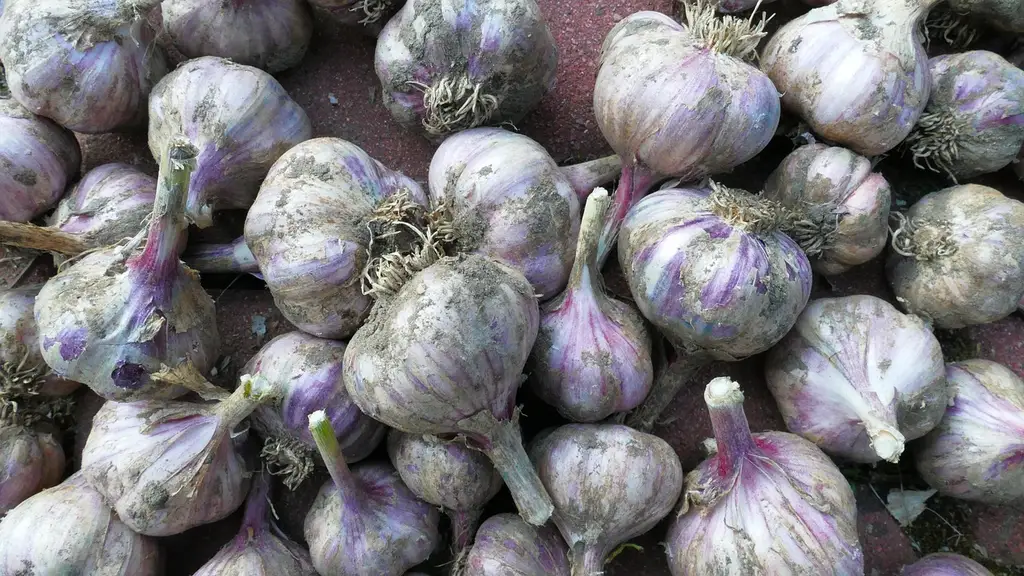
Choose hardneck garlic for colder winters, softneck garlic for milder winters and longer storage, and elephant garlic if very large, mild bulbs are preferred and lower cold hardiness is acceptable. The best choice depends on winter chill, how long you want to store bulbs, and how much space you have.
Softneck garlic
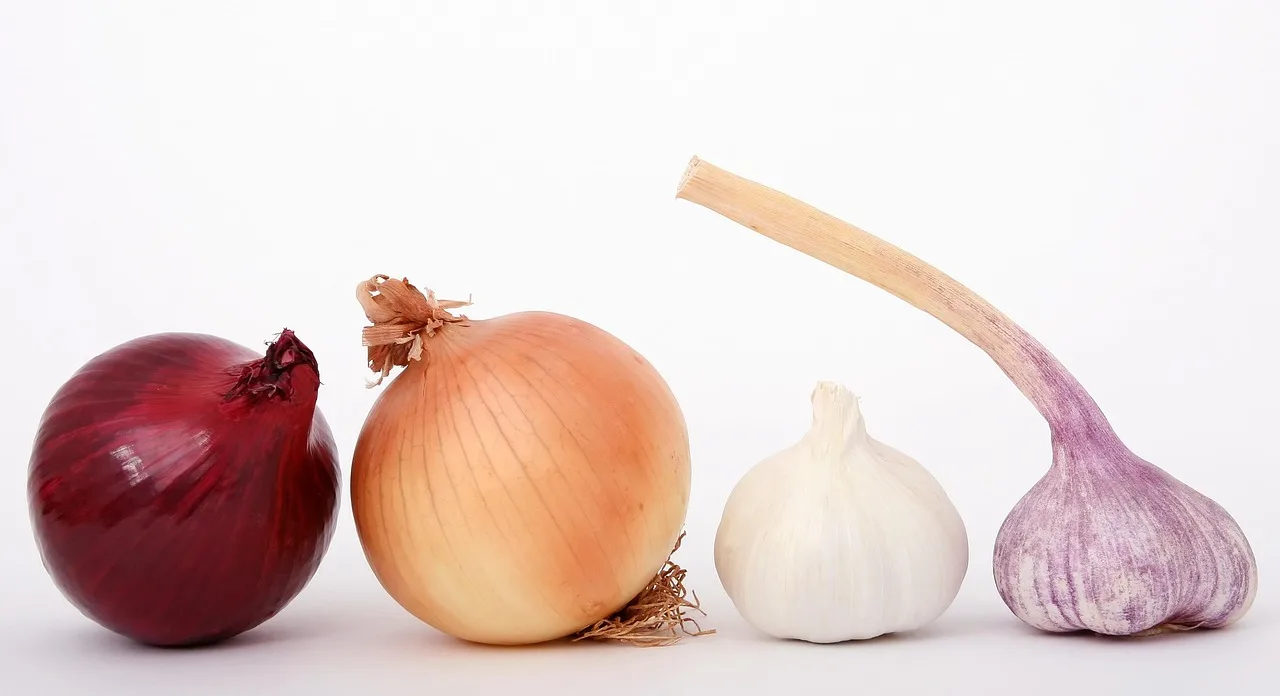
Softneck garlic is usually the safer pick for warmer or milder climates. It makes more cloves per head, stores longer, and can be braided, but the cloves are smaller than hardneck cloves. Softneck garlic has the longest storage life, which helps if you want bulbs to keep for months.
Hardneck garlic
Hardneck garlic is often a better fit for colder climates and produces a stiff central stem. It makes larger cloves and sends up garlic scapes in late spring or early summer. Hardneck garlic is more cold-tolerant, but it stores for about 4 to 6 months, so use it sooner after harvest.
Elephant garlic
Elephant garlic is technically not true garlic. It has a mild flavor, few large cloves, and less hardy plants, so it is a weaker choice for cold sites. It can work in a garden for cooks who want huge cloves, but it is not the best pick for short, harsh winters.
When should you plant garlic?
Plant garlic in fall before the ground freezes in colder climates, so cloves can root before winter. In mild-winter areas, planting can shift later, and in containers you can time planting to local weather and drainage. The goal is root growth before deep cold, not leafy top growth.
Cold-climate fall planting
In colder regions, fall planting is the standard. Put cloves in the ground about 4 to 6 weeks before the first hard freeze so roots can establish before top growth gets too far ahead. If the soil stays warm too long, wait until nighttime temperatures drop and growth slows.
Mild-climate planting windows
Where winters are mild, garlic can still be planted in fall, but the timing can be later than in cold areas. The key is to avoid a long, warm stretch that pushes soft growth before winter. If your soil rarely freezes, choose softneck types and keep the bed well drained.
Container timing
Containers warm and cool faster than garden beds. Plant when the mix is cool enough for rooting and keep the container outdoors in full sun. If winter rain is heavy in your area, move the pot where excess water cannot pool at the base.
Garlic planting decision table
| Climate type | Garlic type | Planting window | Spacing | Depth | Winter mulch need | Storage expectation |
|---|---|---|---|---|---|---|
| Cold winters | Hardneck | Fall before the ground freezes | 4-6 inches between cloves; rows 8-12 inches apart | 1.5-2 inches deep, or 2-3 inches | Yes, straw or leaves before freeze | About 4 to 6 months |
| Mild winters | Softneck | Fall; later planting can work where winters stay mild | 4-6 inches between cloves; rows 8-12 inches apart | 1.5-2 inches deep, or 2-3 inches | Light mulch if freezes are erratic | About 8 months |
| Small beds or fertile raised beds | Either, matched to climate | Fall is still preferred | Some growers recommend 6 inches apart for larger bulbs | 2-3 inches works well in loose soil | Use mulch if winter freeze and thaw are common | Softneck stores longer; hardneck stores less time |
| Containers | Softneck or hardneck | Plant when cool weather starts | At least 4 inches apart; more room helps bulb size | 2 inches deep is a practical target | Often yes, because pots freeze and thaw faster | Depends on type and drainage |
How do you plant garlic cloves?
Separate a bulb into individual cloves and plant each clove on its own. Keep the papery husk on, place the pointed end up, and set cloves in loose, fertile soil. Good spacing and depth matter because crowded cloves usually make smaller bulbs.
- Prep the soil. Work compost or aged manure into a full-sun bed with well-drained loamy soil. Aim for neutral to slightly acidic pH, and avoid any spot that stays soggy after rain.
- Set the planting depth. Place each clove about 1.5-2 inches deep, or use 2-3 inches in loose soil. That depth protects cloves from heaving and drying without burying them too deeply.
- Space the cloves. Put cloves 2-4 inches apart, with rows 8-12 inches apart. If you want larger bulbs and have fertile soil or a raised bed, 6 inches apart can help.
- Mulch after planting. Add straw or leaves before winter freeze. Mulch insulates bulbs and helps prevent frost heave; pull it back in spring if it mats down too tightly over emerging shoots.
If your soil is heavy clay and the bed holds water after a storm, raise the bed or switch to a container. Garlic cloves rot far more easily in wet, cold soil than in loose, draining soil.
How do you care for garlic as it grows?
Garlic needs steady moisture, not saturation, plus light weeding and a clean bed. Keep weeds down early because they steal space and water. As growth speeds up in spring, bulbs size best when the plants are not competing with grass or broadleaf weeds.
- Water evenly. Keep the soil lightly moist during active growth, then reduce watering as bulbs near maturity. Stop soaking the bed if rain keeps the soil wet for days.
- Weed early. Pull weeds while they are small so garlic roots do not get disturbed. A thin mulch layer helps, but it should not bury the shoots.
- Feed lightly if needed. If soil is poor, add compost or a light nitrogen feed early in spring. Avoid heavy feeding late in the season, which can push leafy growth instead of bulb fill.
- Remove scapes. On hardneck garlic, cut garlic scapes when they curl in late spring or early summer. Removing them can increase bulb size and gives you a spring harvest item at the same time.
If a hardneck bed sends up tall stalks and the soil has dried fast in a raised bed, cut the scapes, water deeply once, and keep the mulch in place. That combination often protects bulb size better than watering alone.
How do you harvest and store garlic?
Harvest garlic in mid to late summer when the tops or stalks begin to brown. Dig the bulbs carefully instead of pulling them, because bruising shortens storage life. After harvest, cure the bulbs in a shady, airy place for about 2 weeks.
- Watch for the signal. When several lower leaves brown and the tops begin to dry, the bulbs are usually close. Do not wait until the plant collapses completely if the weather is wet.
- Lift, don’t yank. Loosen the soil with a garden fork and dig the bulbs out gently. Pulling can tear the necks and damage the wrappers.
- Cure intact bulbs. Leave bulbs whole with stems and wrappers on, and dry them in shade with good air flow for around 2 weeks. Do not wash them before curing.
- Trim and store. After curing, cut roots and stems, then store bulbs in a cool, dry, dark spot with air circulation. Softneck usually keeps longer than hardneck.
A common first-timer mistake is harvesting as soon as the tops start to yellow. That often leaves small bulbs. Waiting until the lower stalks brown gives the cloves time to finish sizing, as long as the soil is not staying wet.
Common mistakes
Most garlic failures come from three problems: cloves that rot, cloves that sprout weakly, or bulbs that stay small. Wet soil is the biggest rot risk. Grocery garlic can be a poor planting source because it may be treated for sprouting suppression or may not match your climate.
- Rotting cloves: Usually from poor drainage or planting too deep in cold, wet soil. Fix it by using raised beds, lighter soil, or a pot with drainage holes.
- Poor sprouting: Often caused by old cloves, treated grocery garlic, or planting too late for rooting. Use firm seed garlic and plant before hard freeze where winters are cold.
- Small bulbs: Often linked to crowding, late planting, or too much wet weather. Give cloves more room, keep weeds down, and choose a type suited to your climate.
Prevention is straightforward: start with healthy seed garlic, plant at the right time for your climate, and keep the bed well drained from the start.
Frequently asked questions
Can I grow garlic in my house?
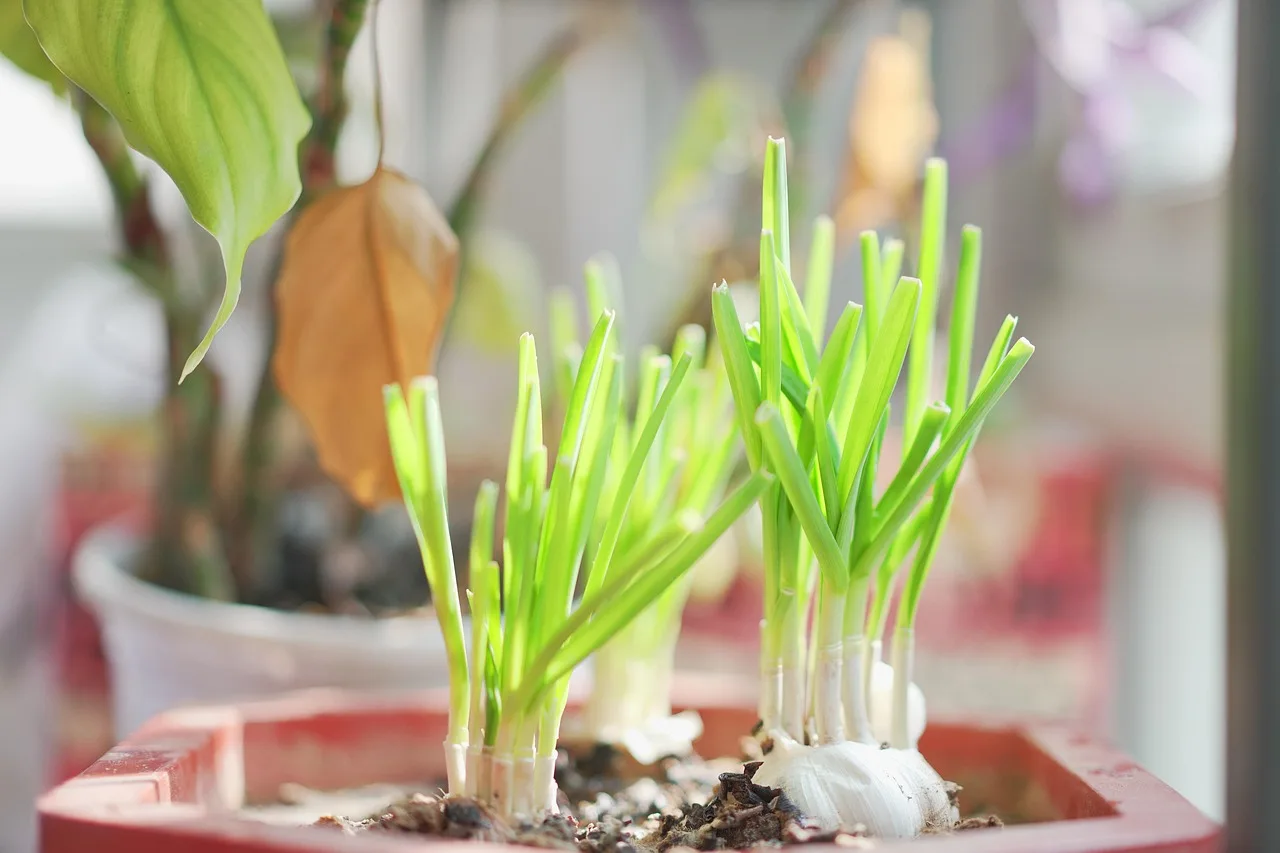
You can grow garlic greens indoors, but full bulbs need more space and stronger light than most windows provide. For edible bulbs, use a deep container with drainage and place it where it gets full sun or very strong light. Harvest greens sooner if the bulbs stay crowded.
Can you grow garlic in a garden?
Yes. A garden bed is the easiest place to grow garlic if the soil drains well and gets full sun. Mix in compost, keep weeds down, and plant individual cloves rather than trying to start from seed.
How deep do you plant garlic cloves?
A practical target is about 1.5-2 inches deep, and 2-3 inches deep also works well in loose soil. Deeper planting can help in loose beds, but cloves should not be buried so far that shoots struggle to emerge.
How far apart should garlic be planted?
Use 2-4 inches between cloves, with rows 8-12 inches apart. If you want larger bulbs and the soil is fertile, some growers recommend 6 inches apart. Wider spacing can help bulb size, especially in raised beds.
Should I grow hardneck or softneck garlic?
Choose hardneck for colder climates and softneck for milder ones. Hardneck gives larger cloves and scapes but stores for about 4 to 6 months. Softneck stores for about 8 months and usually suits warmer winters better.
When do I harvest garlic bulbs?
Harvest in mid to late summer when the tops or stalks turn brown. Lift bulbs with a fork instead of pulling them, then cure them for around 2 weeks in a shady, airy place before storage.